
Mosquito Infestation in Plum Rain Season
2026-05-28
Mosquito Infestation in Plum Rain Season | Efficient Mosquito Control & Prevention Guide
Every early summer brings the persistent plum rain season. Continuous rainy days and soaring air humidity leave walls and floors damp all year round, creating ideal breeding grounds for mosquitoes. Unlike ordinary summer mosquitoes, mosquitoes in the plum rain season reproduce faster and remain more active. The humid environment also breeds midges, flying gnats and other insects. These pests not only disrupt daily rest and home life, but their bites can cause redness, itching and even the spread of germs.
Many people wonder why mosquitoes keep coming back even with daily mosquito coils and repellent sprays. The key to effective mosquito control during the plum rain season is not repeated extermination, but humidity control and source elimination, targeted extermination, and long-term prevention. This guide summarizes practical and efficient mosquito control methods tailored for the humid plum rain weather, helping you completely get rid of recurring infestations.
1. Core Reasons for Severe Mosquito Infestation in Plum Rain Season
To eliminate mosquitoes efficiently, you must first identify the root causes. The rampant mosquito population during this season is not simply caused by heat, but largely by the unique humid conditions, mainly for two reasons:
First, widespread standing water leads to explosive breeding. Mosquito larvae (wrigglers) can only grow in stagnant water. Frequent rainfall leaves standing water in countless hidden spots—balcony puddles, flower pot trays, floor drains, trash cans, air conditioner drip areas and more. These become massive mosquito breeding bases. A new generation of mosquitoes can fully hatch in just 3 to 5 days, causing endless infestations.
Second, humid and muggy weather keeps mosquitoes highly active. The mild temperature and excessive humidity of the plum rain season avoid scorching sunlight that dehydrates and kills mosquitoes. Different from summer mosquitoes that only appear morning and evening, mosquitoes here stay active day and night, making bites almost unavoidable. The humid environment also extends their lifespan, worsening the infestation.
2. Fundamental Mosquito Control: Eliminate Standing Water & Reduce Humidity
All pesticide-based methods only treat the symptoms, while eliminating breeding environments solves the root problem. Removing standing water and lowering indoor humidity can reduce over 80% of household mosquitoes, making it the most efficient and labor-saving solution.
2.1 Thoroughly Clean Up All Standing Water
Follow the principle of checking and draining standing water daily. Focus on high-risk areas: outdoor balcony flower pot trays, drain gaps, mop buckets, idle basins and empty packaging boxes; indoor dead corners of bathroom floors, kitchen sink bottoms and humidifier tanks.
For movable water containers, drain all water and dry them thoroughly. For fixed floor drains and sewers, flush them daily and pour in boiling water or diluted disinfectant to kill larvae. Cover overly moist flower soil with dry sand to prevent water accumulation and bug breeding. Regularly clean up stagnant water in corridors and window sills to block outdoor mosquitoes from entering your home.
2.2 Lower Indoor Humidity to Destroy Mosquito Living Conditions
Mosquitoes thrive in environments with humidity above 80%. Even without visible standing water, damp walls, furniture and floors in the plum rain season can support their survival. Keep doors and windows closed for moisture prevention, and use a dehumidifier or the dehumidifying mode of air conditioners to maintain indoor humidity between 50% and 60%.
Turn on exhaust fans or ventilate bathrooms and kitchens immediately after use to dry wet surfaces in time. Dry damp clothes and towels promptly instead of piling them up, which prevents mold growth and eliminates hidden habitats for mosquitoes and small insects.
3. Targeted Extermination: Eliminate Existing Indoor Mosquitoes
After removing breeding sources, adopt scientific extermination methods to clear adult mosquitoes and flying insects indoors safely and efficiently while avoiding common mistakes.
3.1 Physical Mosquito Control: Safe & Family-Friendly
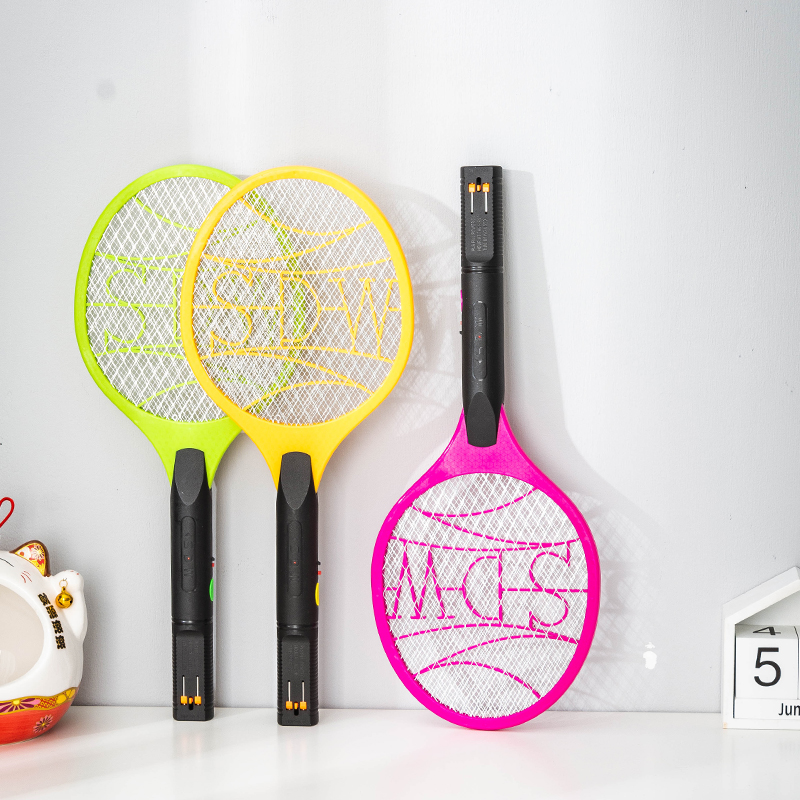
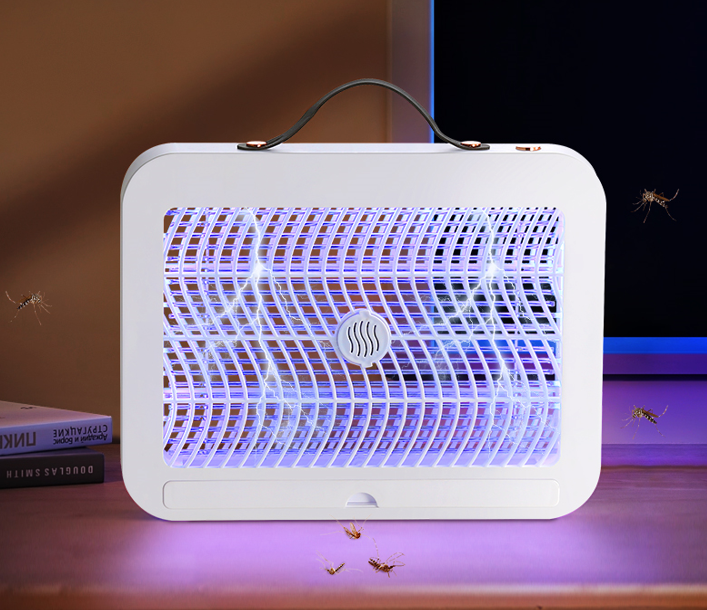
Physical extermination is the top choice for plum rain seasons, featuring zero chemical residues and safety for families with elders, children and pregnant women. Electric mosquito traps are highly recommended. Place them in corners of bedrooms and living rooms, 1 to 1.5 meters above the ground, away from beds and direct light. Turn off indoor lights at night to maximize the trapping effect on adult mosquitoes and midges around the clock.
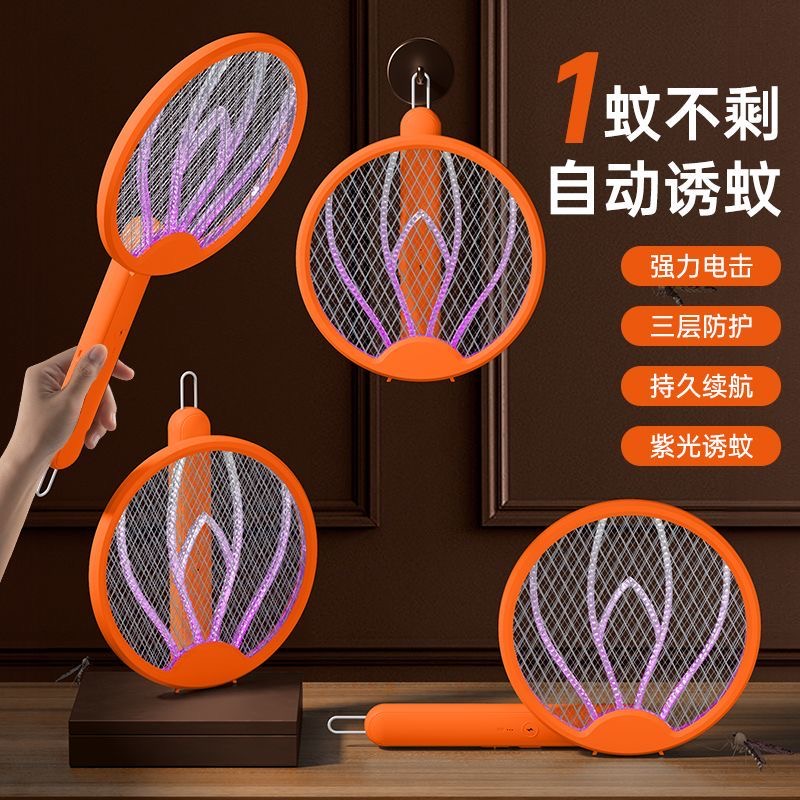
Use an electric swatter to kill mosquitoes resting on walls, ceilings and window frames. Keep screens and doors closed, and repair damaged screens to block outdoor mosquitoes from entering your room.
3.2 Chemical Mosquito Control: Precise & Efficient Usage
For severely infested rooms, use chemical insecticides moderately instead of blind over-spraying. Choose low-toxicity pyrethroid-based insecticides. Close the room, spray evenly on corners, window gaps and dark hidden areas, keep the room closed for 30 minutes, then fully ventilate before entering.
Electric mosquito repellent liquid is ideal for long-term daily protection. It produces no smoke and causes less irritation than traditional mosquito coils. Turn it on before bedtime for all-night protection. Avoid running it 24/7; turn it off and ventilate during the day to ensure effectiveness and reduce chemical accumulation. Keep it away from food and tableware, and use intermittently in infants’ rooms.
4. Long-Term Prevention: Avoid Recurring Infestations
Mosquitoes tend to come back repeatedly during the plum rain season. Besides extermination and source elimination, long-term daily prevention is essential to build a permanently mosquito-free home environment.
4.1 Personal Protection Against Bites
With small temperature differences and all-day mosquito activity in the plum rain season, apply formal mosquito repellent on exposed skin such as wrists, ankles and necks when staying at home or ventilating rooms. Wear light-colored long-sleeve clothes as much as possible, which resists damp chill and reduces bite risks.
4.2 Regular Maintenance to Prevent Recurrence
Rainfall keeps creating new stagnant water. Check all damp corners for standing water every night and conduct a thorough dehumidification cleaning weekly. Clean mosquito traps regularly and replace repellent liquid on schedule to ensure normal operation. Place desiccants and dehumidifier bags in wet corners to continuously absorb moisture and suppress mosquito survival conditions.
5. Common Mosquito Control Mistakes to Avoid
Repeated mosquito infestations are usually caused by incorrect control methods. Avoid these typical mistakes:
1. Killing adults only without eliminating sources: Simply using coils and sprays while ignoring standing water and humidity allows continuous mosquito hatching, leading to endless infestations.
2. Overusing chemical pesticides: Long-term heavy spraying and 24/7 repellent liquid operation irritate the respiratory system and trigger mosquito drug resistance, reducing control effects over time.
3. Ignoring midges and flying gnats: Besides mosquitoes, dampness-breeding midges and gnats also bite humans. Always clean damp clutter and standing water to eliminate all pests together.
4. Ventilating all night: Nighttime humidity peaks in the plum rain season. Keeping windows open overnight lets massive moisture and outdoor mosquitoes indoors and worsens infestations.
Conclusion
Mosquito outbreaks in the plum rain season are essentially a vicious cycle caused by humid and stagnant water environments. The most effective solution follows this logic: eliminate standing water and humidity to cut off breeding sources first, exterminate existing pests, and stick to long-term prevention. With scientific cleaning, dehumidification and protection instead of excessive chemical reliance, you can easily bid farewell to mosquito troubles and enjoy a dry, comfortable home all season long.
Why Do Mosquitoes Still Exist on High Floors
Must-Have for Renters
Related Article

If you’re struggling with annoying mosquitoes, flies, and other flying pests indoors and outdoors, upgrading from traditional manual tools to anElectric Mosquito Swatter is the most efficient solution. Many homeowners and renters search where to buy fly swatter online to find durable, safe, and high-performance electric models that deliver instant pest control.
Where to Buy Fly Swatter

Most importers of electric mosquito swatters obsess over the first order: samples requested, factories vetted, a pre-shipment inspection booked. Then the reorder arrives eight months later and something is off. The grid feels softer. The charge port is a slightly different shade of black. The carton thickness dropped from 350 gsm to 300 gsm. Nothing is catastrophic — but the product no longer matches what your retail customers approved, and quietly, your return rate starts climbing.
How to Keep Mosquito Swatter Quality Consistent Across Repeat Orders

Warranty returns are the silent margin killer in the mosquito control category. A distributor who buys a swatter at $1.80 FOB and retails it at $9.90 can absorb a 1% return rate without noticing — but at 5%, the combined cost of replacement units, reverse logistics, and refund processing erases most of the line's profit.
Common mosquito swatter killer lamp failure modes wholesale spec guide

Digital bathroom scales rank as the second-highest-volume consumer weighing product category, only behind kitchen scales, with distinct market and product characteristics that set them apart from other scale types in importers’ product portfolios.
Digital bathroom body fat-bia-scale wholesale buyers guide