
Mosquito Killer Lamps at Home
2025-11-23
Mosquito Killer Lamps at Home: Which Pets Are Most at Risk?
The buzzing of mosquitoes is annoying, so many households use mosquito killer lamps—no chemical sprays needed, just light to trap and kill mosquitoes. They seem safe and eco-friendly, but for your furry friends and small pets, mosquito killer lamps can hide hidden traps. Today, let’s talk about: Which Pets Are Most at Risk? and how to avoid these dangers.
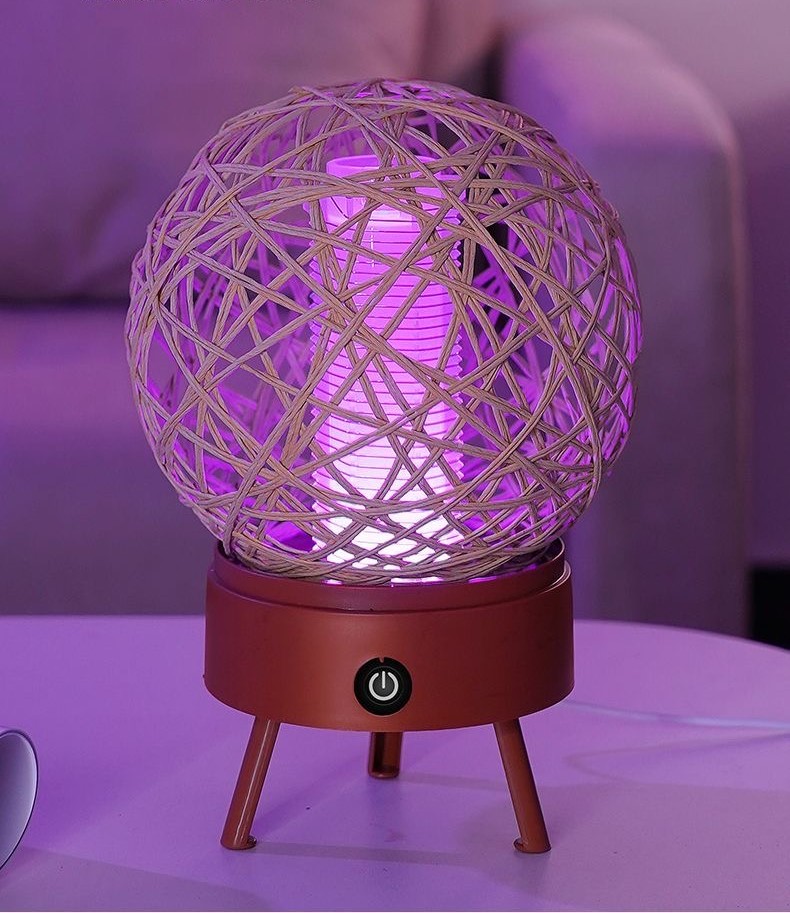
First, Understand: Where Does the "Harm" of Mosquito Killer Lamps Come From?
There are two main types of common household mosquito killer lamps, each with different risk points:
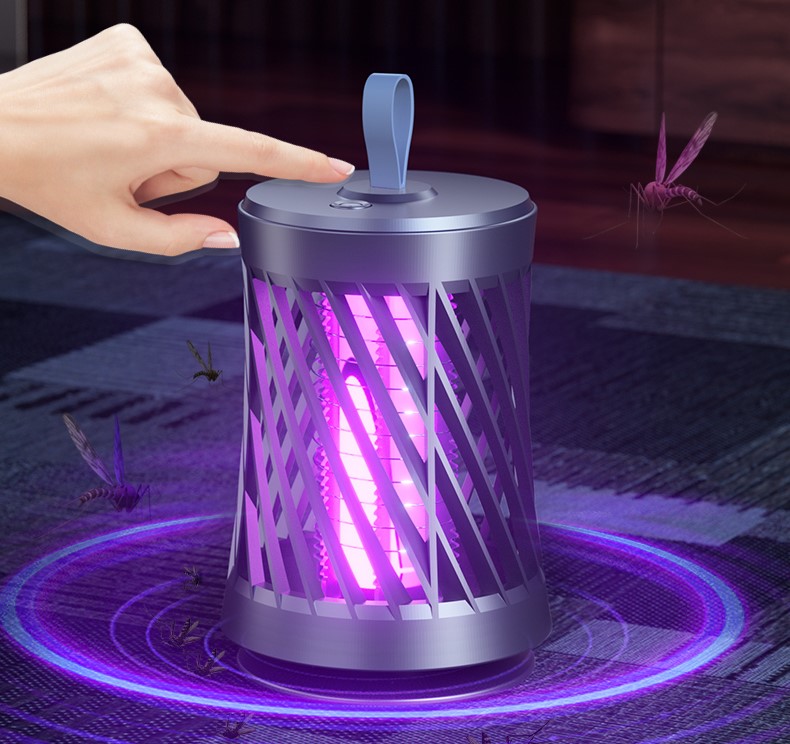
- Electric Shock Mosquito Killer Lamps: They use ultraviolet light to attract mosquitoes. When mosquitoes touch the electric grid, they are killed by high-voltage electric shock. This process may produce sparks and high temperatures, and leave behind mosquito carcass debris.
- Sticky Trap Mosquito Killer Lamps: No electric grid—they use adhesive boards to trap mosquitoes. The risks mainly come from the extremely sticky adhesive and the trace attractants that may be contained in the adhesive.
No matter which type it is, they are unfriendly to pets that are "curious, small-sized, and agile"—especially the following categories:
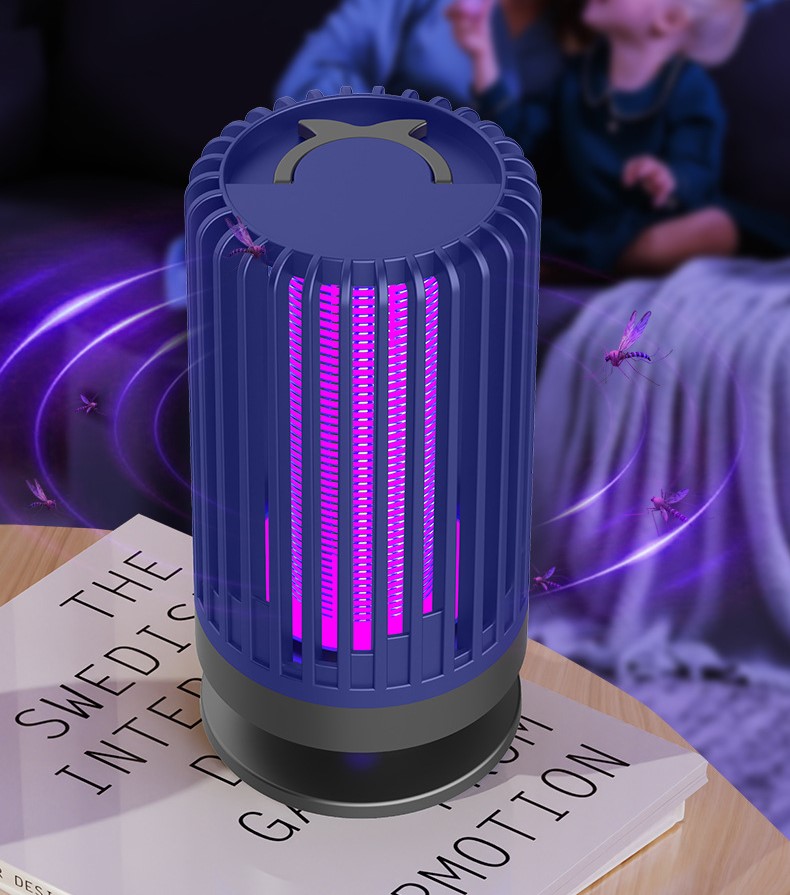
High Alert! These 4 Types of Pets Are at the Highest Risk
1. Small Mammals: Hamsters, Golden Hamsters, Sugar Gliders, Etc.
These pets are tiny (usually only tens to hundreds of grams), love to chew and squeeze through gaps, making it easy for them to "accidentally enter" the area around mosquito killer lamps:
- If they get close to an electric shock mosquito killer lamp, their small paws or noses may accidentally touch the electric grid. At best, they will suffer from stress-induced trembling; at worst, the electric current may damage their bodies, leading to injury or even death.
- Even with sticky trap lamps, they may curiously rub against the adhesive board, getting their fur and paws stuck tightly. Once they struggle, the adhesive may stick to their eyes or mouth, or cause skin tearing. During subsequent cleaning, the pet will also resist violently due to pain.
2. Birds: Parrots, Java Sparrows, Cockatiels, Etc.
Birds are very sensitive to light, and the ultraviolet light from mosquito killer lamps easily attracts them to fly closer:
- The electric grid of electric shock mosquito killer lamps is extremely dangerous for birds: Although bird feathers have insulating properties, if their wings and paws touch the grid at the same time during flight, the instantaneous high voltage will directly damage their internal organs. Even if they don’t get electrocuted, the sparks from the grid may ignite their feathers, causing burns.
- Sticky trap lamps are also dangerous: Once a bird’s feathers stick to the adhesive, it will lose the ability to fly. In panic, it may break its wings. The adhesive may also block its nostrils, leading to the risk of suffocation. A pet owner once shared an experience: "A cockatiel accidentally stuck to the adhesive board, and a large number of flight feathers were pulled out when removing the adhesive"—it was distressing and troublesome.
3. Reptiles: Geckos, Bearded Dragons, Corn Snakes, Etc.
Reptiles (especially lizards) like to lie in warm places, and electric shock mosquito killer lamps generate heat when working, which may attract them to crawl over to "warm up":
- Geckos have very fragile skin. If they lie on the shell of a powered-on mosquito killer lamp, the high temperature may cause skin burns, resulting in blisters and peeling.
- Although corn snakes and other snakes move slowly, they may climb along the power cord to the vicinity of the mosquito killer lamp. If they accidentally touch the electric grid, the current will cause irreversible damage to their nervous system. Sticky boards will stick to their scales, causing scale loss and affecting the skin’s protective function.
4. Young Pets: Kittens, Puppies, Baby Birds, Etc.
Whether it’s cats, dogs, or other pets, young ones are more curious than adults and lack the ability to judge danger:
- Newly weaned kittens and puppies will chew on anything they can reach. They may take the mosquito killer lamp’s power cord as a "toy" to chew on, and if they bite through the insulation layer, they will get electrocuted.
- Baby birds tend to crash into the lit mosquito killer lamp when learning to fly. If they hit an electric shock lamp, they will be frightened at best, or injured at worst. Sticky boards are more threatening to young pets—they are light in weight and weak in strength. Once stuck, they can hardly break free on their own, and are likely to suffer from rapid breathing and dehydration due to panic.
Don’t Want Your Pet to Get Hurt? Do These 3 Protective Measures
Now that you know which pets are at high risk, the following protective measures are crucial. Remember these 3 points:
- Choose the Right Type of Mosquito Killer Lamp: If you have pets at home (especially small pets or birds), prioritize "adhesive-free and grid-free" suction-type mosquito killer lamps—they use a fan to suck mosquitoes into a storage box, with no risk of electric shock or adhesive, making them safer.
- Fix the Placement: Put the mosquito killer lamp in a place out of your pet’s reach, such as the top of a 1.5-meter-tall bookshelf or cabinet, or fix it on the wall with a bracket. Avoid placing it within 1 meter of your pet’s cage or nest.
- Regular Checks + Supervision: Check the mosquito killer lamp’s power cord for damage and whether the adhesive board is exposed (if using a sticky trap lamp) every day. When young pets are active, it’s best to turn off the mosquito killer lamp or set up a fence around it.
The original purpose of mosquito killer lamps is to make the home more comfortable, but for pets, "safety" should always come first. After reading this article, you might as well check the location of the mosquito killer lamp at home first—give your furry friends and small pets an extra layer of protection!
Does a mosquito-killing lamp affect the growth of plants at home
Battery Life of Mosquito Swatters
Related Article

If you’re struggling with annoying mosquitoes, flies, and other flying pests indoors and outdoors, upgrading from traditional manual tools to anElectric Mosquito Swatter is the most efficient solution. Many homeowners and renters search where to buy fly swatter online to find durable, safe, and high-performance electric models that deliver instant pest control.
Where to Buy Fly Swatter
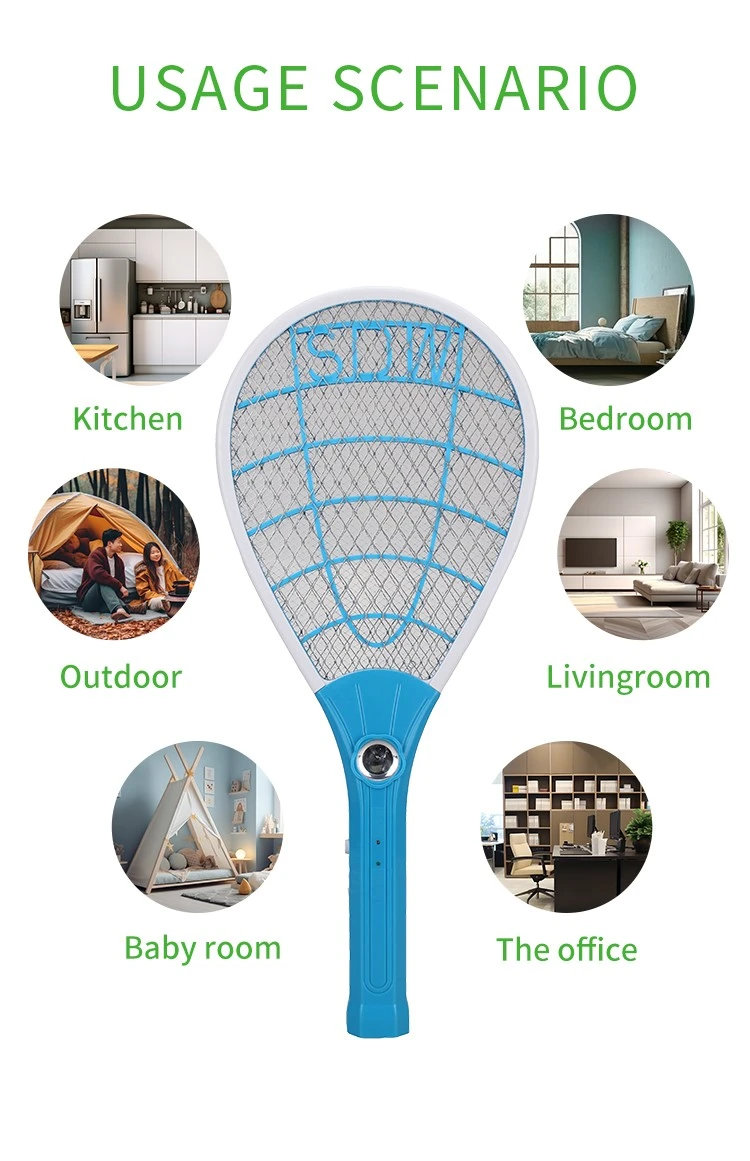
Most importers of electric mosquito swatters obsess over the first order: samples requested, factories vetted, a pre-shipment inspection booked. Then the reorder arrives eight months later and something is off. The grid feels softer. The charge port is a slightly different shade of black. The carton thickness dropped from 350 gsm to 300 gsm. Nothing is catastrophic — but the product no longer matches what your retail customers approved, and quietly, your return rate starts climbing.
How to Keep Mosquito Swatter Quality Consistent Across Repeat Orders
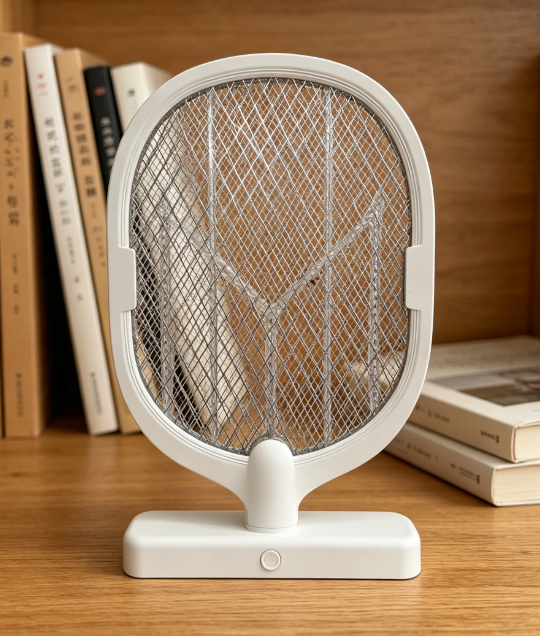
Warranty returns are the silent margin killer in the mosquito control category. A distributor who buys a swatter at $1.80 FOB and retails it at $9.90 can absorb a 1% return rate without noticing — but at 5%, the combined cost of replacement units, reverse logistics, and refund processing erases most of the line's profit.
Common mosquito swatter killer lamp failure modes wholesale spec guide

Digital bathroom scales rank as the second-highest-volume consumer weighing product category, only behind kitchen scales, with distinct market and product characteristics that set them apart from other scale types in importers’ product portfolios.
Digital bathroom body fat-bia-scale wholesale buyers guide