
Mosquito Prevention Guide for Pet Families
2025-08-29
Mosquito Prevention Guide for Pet Families: A Mosquito-Free Environment Without Compromising Pet Safety
As summer arrives, mosquitoes not only make humans restless but also pose an "invisible threat" to our furry family members. Unlike ordinary households, mosquito prevention in pet families requires extra caution—many mosquito repellent products commonly used by humans can be toxic to pets like cats and dogs. Carelessness may lead to vomiting, convulsions, or even more serious health issues. Today, we’ll share a set of "pet-friendly" mosquito prevention solutions to help you protect your family while ensuring the safety of your beloved pets.
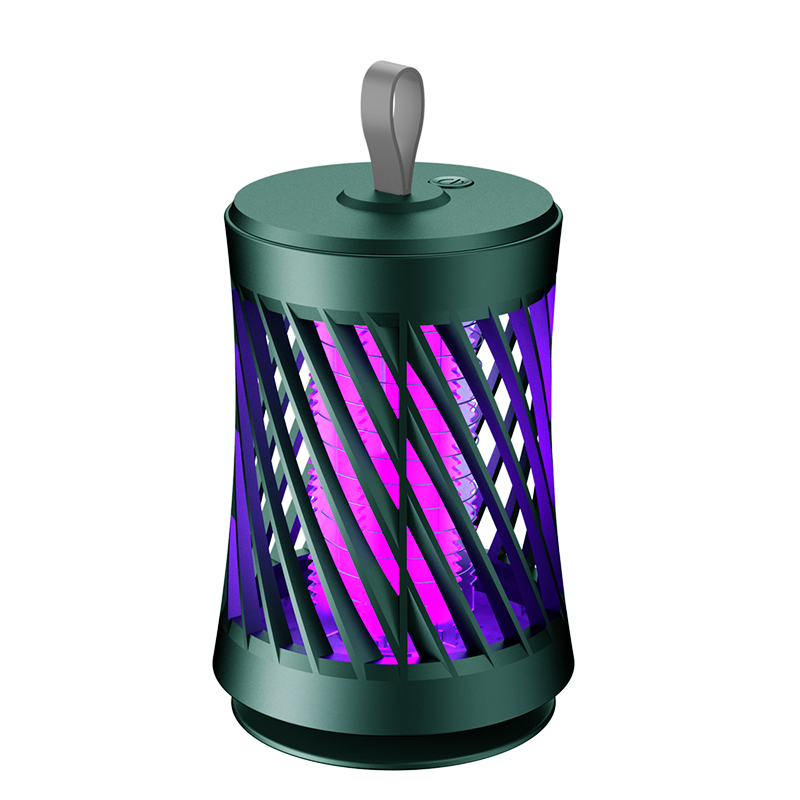
First, Avoid These "Pet-Hazardous" Mosquito Repellents
The first principle of mosquito prevention for pet families is to "eliminate risks first." Among the common ingredients in commercial mosquito repellents, two types pose extremely high risks to pets and must be avoided:
- DEET (N,N-Diethyl-meta-toluamide): This is a common ingredient in human mosquito repellents, but it is highly toxic to cats. If a cat licks DEET residues, it may experience drooling, muscle tremors, and in severe cases, damage to the nervous system. Although dogs have a slightly higher tolerance, excessive exposure can still cause vomiting and diarrhea.
- Pyrethroids: Many household insecticides and mosquito coils contain this ingredient. While relatively safe for dogs, pyrethroids are "lethal killers" for cats. Cats cannot metabolize pyrethroids—even inhaling a small amount of mosquito coil smoke may cause ataxia (unsteady gait), convulsions, or even acute renal failure within a few hours.
Additionally, never use "human mosquito repellent patches" or "baby mosquito repellents" on pets. Although these products are labeled "mild," their ingredient concentrations may still exceed the safe range for pets. This risk is particularly high for cats, which have a habit of grooming themselves.
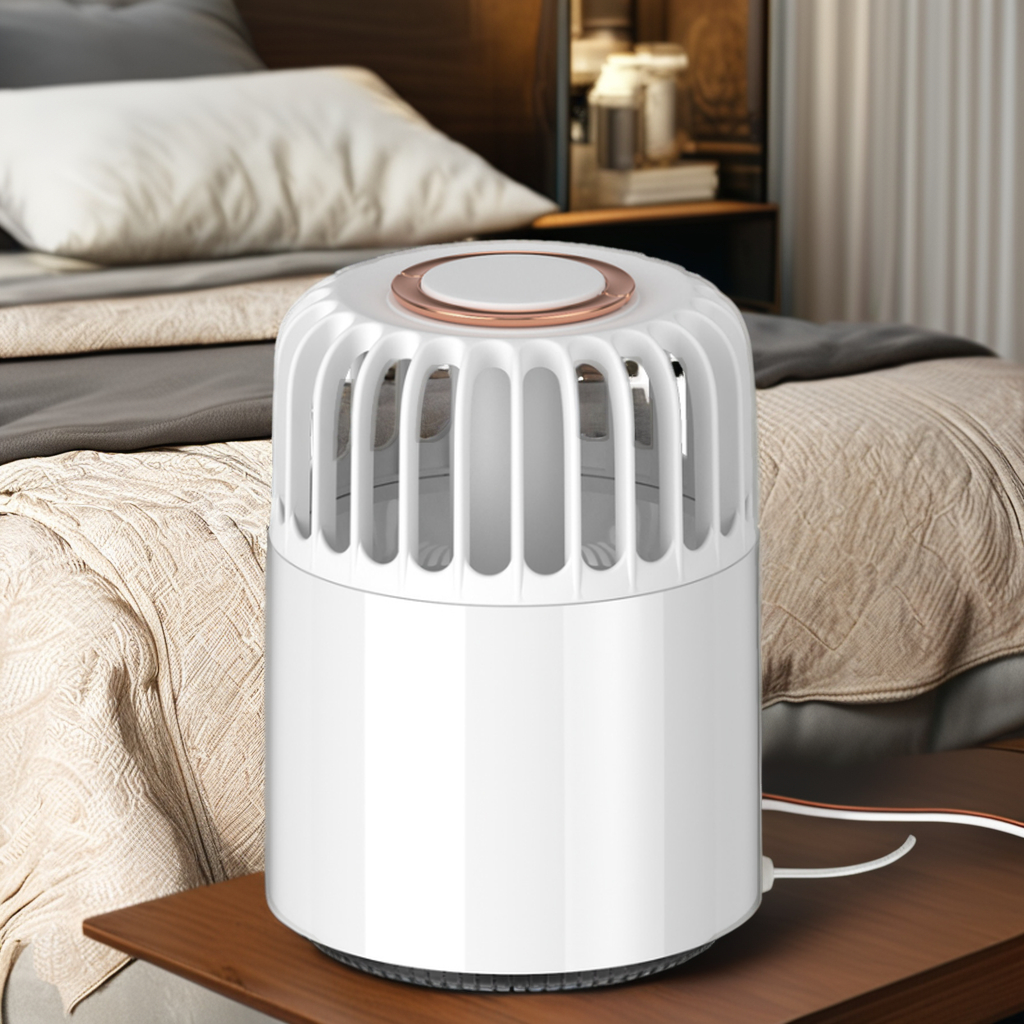
3 Types of "Pet-Friendly" Mosquito Prevention Methods: Safe and Effective
1. Physical Mosquito Prevention: Block Mosquitoes at the Source
Physical mosquito prevention is the "top choice" for pet families, as it involves no chemical residues and provides long-lasting protection:
- Install Screen Windows + Door Curtains: This is the most basic and effective method. Choose dense screen windows with a mesh size of less than 1mm to prevent mosquitoes from entering through window gaps. Hang magnetic soft door curtains at entrances—they won’t hinder pets’ movement while blocking outdoor mosquitoes. For households with cats that like to scratch screens, metal screen windows are recommended for better durability.
- Use Physical Mosquito Repellent Devices: Ultrasonic mosquito repellents and mosquito traps are good options. When purchasing a mosquito trap, prioritize "radiation-free and silent models" to avoid irritating pets with light or noise. Place the device above the ground (e.g., mounted on a wall) to prevent cats from accidentally touching the electric grid.
2. Plant-Based Mosquito Prevention: Natural Scents That Also Decorate Your Home
Some plants emit scents that repel mosquitoes and are harmless to pets, making them ideal for pet families:
- Safe Plant List: Mint, rosemary, lemongrass, and catnip (safe for cats and can help them relax). Place these plants on balconies, windowsills, or other areas where mosquitoes are likely to enter. They not only release mosquito-repelling scents but also serve as home decorations. Note that while these plants are safe, prevent pets from eating large quantities to avoid gastrointestinal discomfort.
- Homemade Plant Mosquito Repellent Spray: Boil fresh mint or rosemary in water, let it cool, then pour it into a spray bottle. Spritz it on balconies, sofa crevices, and other areas (avoid direct spraying on pets). This natural repellent has a fresh scent and remains effective for about 2-3 days, so it needs to be replenished regularly.
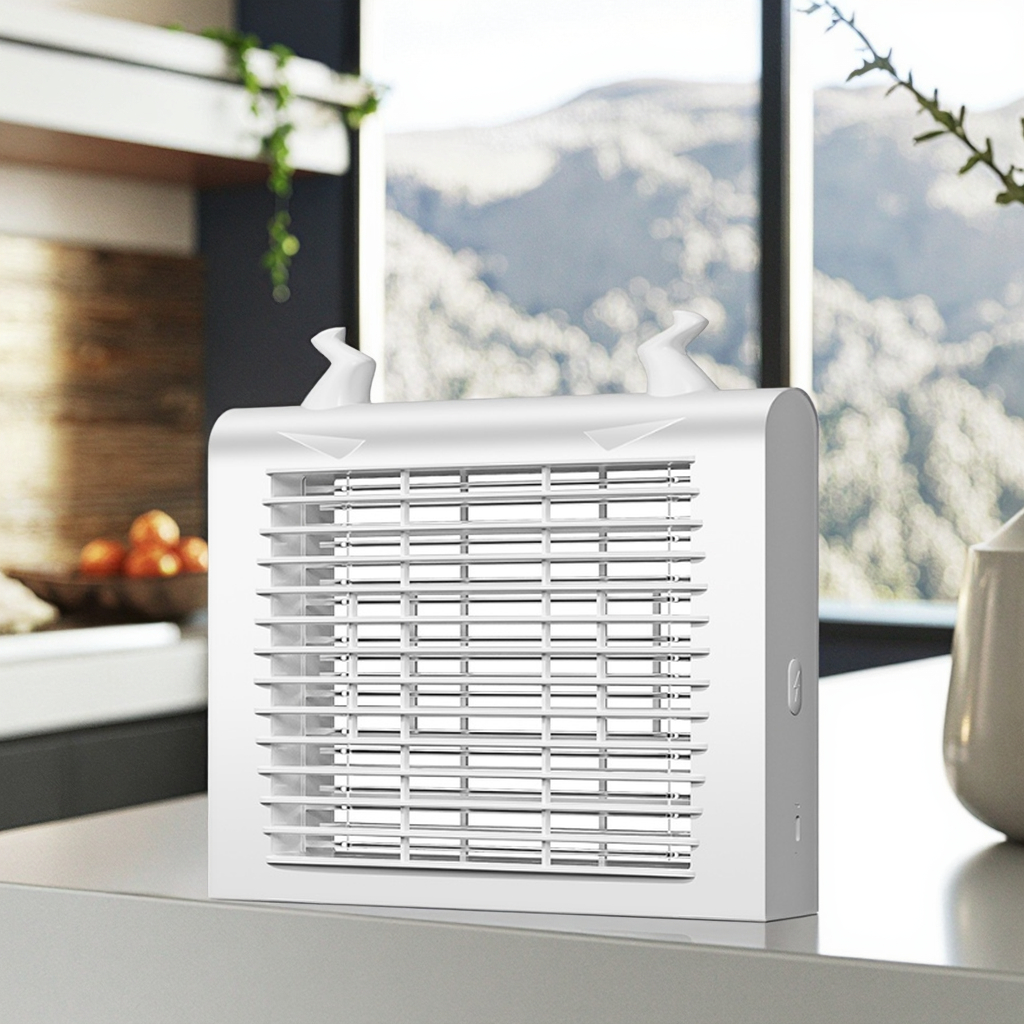
3. Environmental Cleaning: Reduce Mosquito Breeding Grounds
Mosquitoes thrive in damp, dirty environments. Thorough household cleaning can reduce the number of mosquitoes at the source:
- Regularly Remove Standing Water: Clean areas prone to standing water (such as flowerpot saucers, pet water bowls, and bathroom floor drains) at least once a day. Store buckets, unused containers, and other items on the balcony upside down to prevent them from becoming mosquito breeding sites.
- Clean Pet Supplies: Regularly clean and disinfect pet beds, litter boxes, and dog toilets. For litter boxes, remove waste daily and replace the litter weekly. Wash pet beds with pet-specific laundry detergent once a week and dry them in the sun—this not only kills bacteria but also eliminates odors that attract mosquitoes.
If Your Pet Gets Bitten by a Mosquito, This Is the Safest Way to Treat It
Even with thorough prevention, pets may occasionally be bitten by mosquitoes. If you notice your pet scratching or developing red swelling, do not use human anti-itch ointments (e.g., those containing hormones). Instead, follow these steps:
- Clean the Bitten Area: Gently wipe the swollen area with physiological saline or pet-specific wet wipes to remove mosquito saliva residues and reduce itching.
- Apply Pet-Specific Anti-Itch Ointment: Choose products with natural ingredients like aloe vera or chamomile. Avoid ointments containing alcohol or menthol, which can irritate pets.
- Monitor for Abnormal Reactions: If the bitten area remains swollen and warm, or if your pet shows symptoms like lethargy or loss of appetite, it may have contracted a mosquito-borne disease (e.g., heartworm or dengue fever). Take your pet to a veterinarian immediately for an examination.
The core of mosquito prevention for pet families is "safety first"—rather than eliminating mosquitoes quickly, it’s more important to ensure every step won’t harm your furry friends. We hope this guide helps you enjoy a "mosquito-free and worry-free" summer, where both humans and pets can savor the season comfortably!
2-in-1 Swatter Trap Lamp
Mosquitoes Prefer to Bite These Groups of People
Related Article

If you’re struggling with annoying mosquitoes, flies, and other flying pests indoors and outdoors, upgrading from traditional manual tools to anElectric Mosquito Swatter is the most efficient solution. Many homeowners and renters search where to buy fly swatter online to find durable, safe, and high-performance electric models that deliver instant pest control.
Where to Buy Fly Swatter
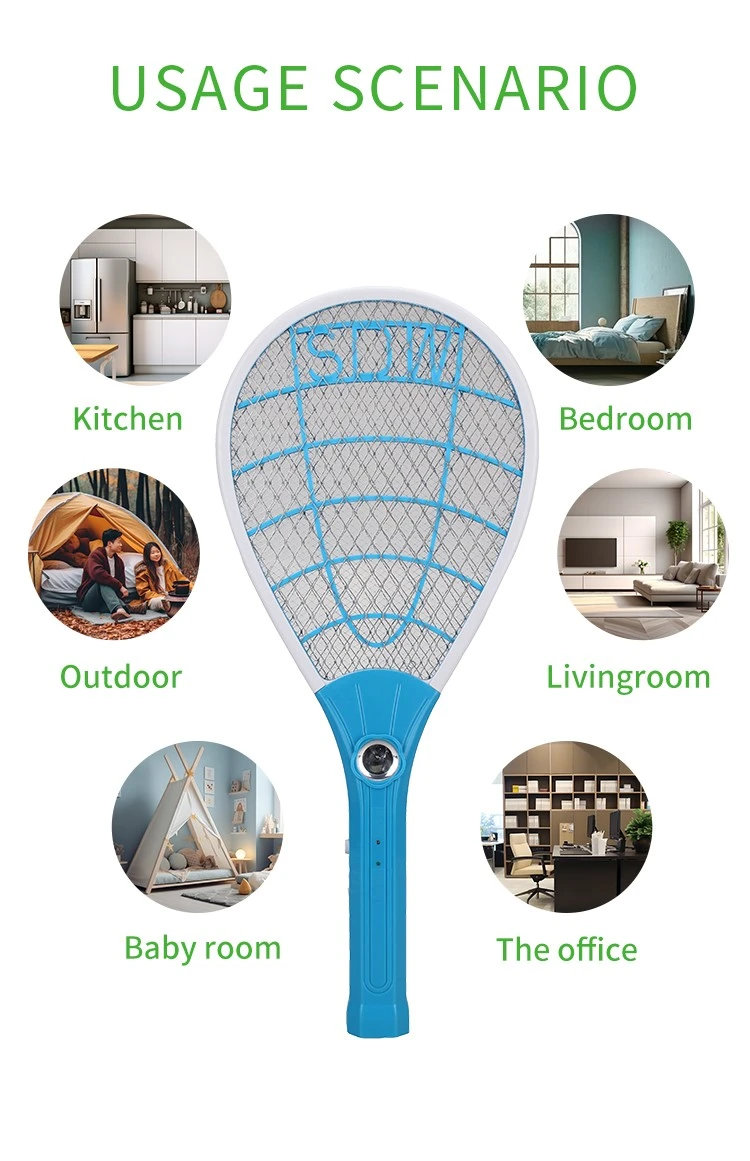
Most importers of electric mosquito swatters obsess over the first order: samples requested, factories vetted, a pre-shipment inspection booked. Then the reorder arrives eight months later and something is off. The grid feels softer. The charge port is a slightly different shade of black. The carton thickness dropped from 350 gsm to 300 gsm. Nothing is catastrophic — but the product no longer matches what your retail customers approved, and quietly, your return rate starts climbing.
How to Keep Mosquito Swatter Quality Consistent Across Repeat Orders
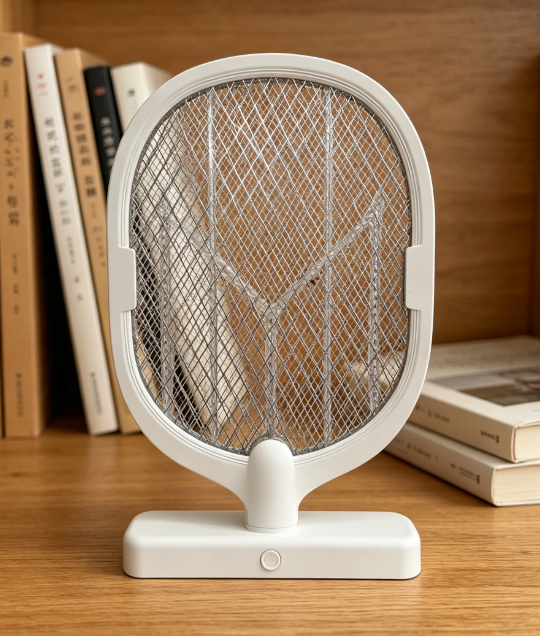
Warranty returns are the silent margin killer in the mosquito control category. A distributor who buys a swatter at $1.80 FOB and retails it at $9.90 can absorb a 1% return rate without noticing — but at 5%, the combined cost of replacement units, reverse logistics, and refund processing erases most of the line's profit.
Common mosquito swatter killer lamp failure modes wholesale spec guide

Digital bathroom scales rank as the second-highest-volume consumer weighing product category, only behind kitchen scales, with distinct market and product characteristics that set them apart from other scale types in importers’ product portfolios.
Digital bathroom body fat-bia-scale wholesale buyers guide