
Mosquito Prevention Guide for Travel
2026-01-16
Complete Mosquito Prevention Guide for Travel & Business Trips | Say Goodbye to Bug Bites and Travel Peacefully
Whether you're heading to mountain forests to enjoy the natural scenery or traveling to humid and hot cities for work, mosquito bites during travel and business trips can be extremely frustrating. Not only do the swollen, itchy bumps affect your state, but some mosquitoes may also carry pathogens, posing hidden health risks. Mastering scientific mosquito prevention skills ensures your journey and work remain undisturbed. This targeted guide covers key points for all scenarios, helping you keep mosquitoes at bay effortlessly.
I. Pre-Trip Preparation: Take Precautions in Advance
The core of mosquito prevention is "advance preparation." Equipping yourself with the right supplies based on your destination's environment can significantly reduce the chance of being bitten—especially useful for business trips with tight schedules and busy travel itineraries.
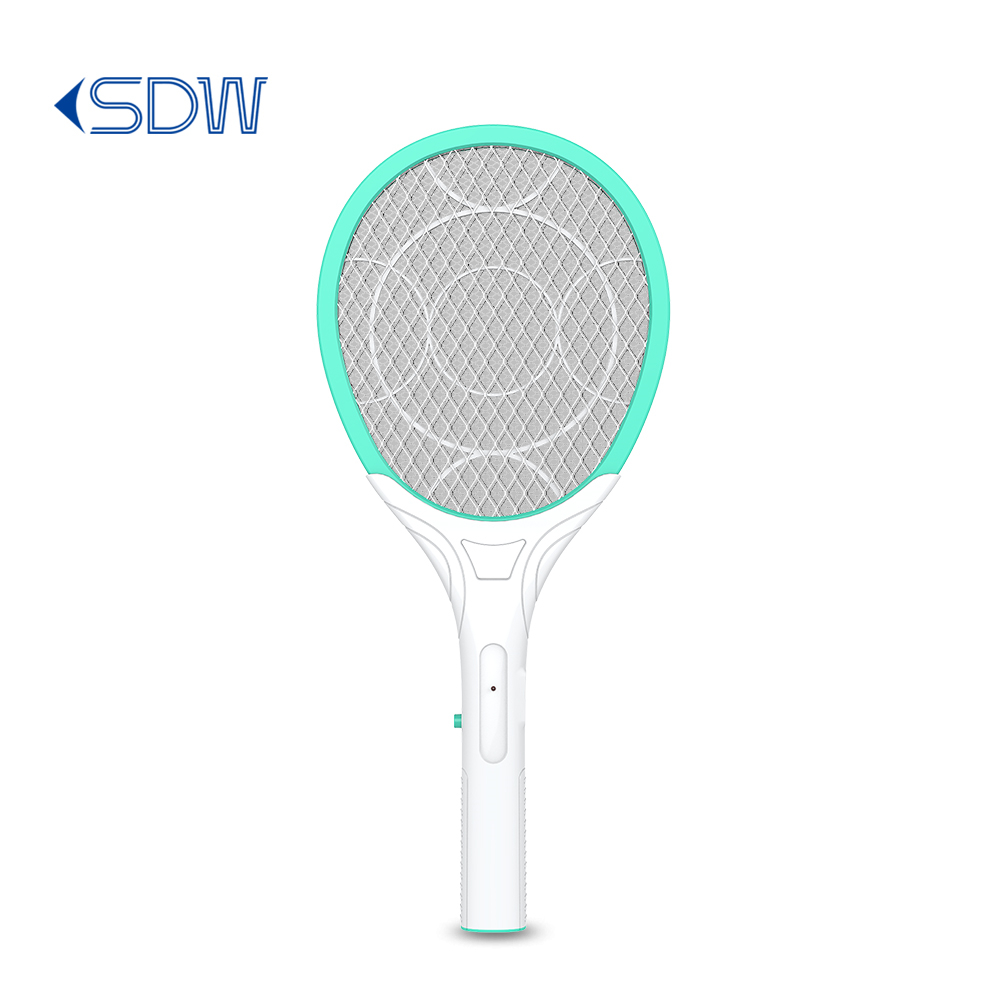
1. Choose the Right Mosquito Repellents for Your Scenario
Prioritize safe, long-lasting, and certified products to avoid skin irritation from low-quality items. Different scenarios call for different types of repellents for optimal effectiveness:
-
Sprays/Toilet Water: Ideal for daily commutes and urban business trips, as they are portable and easy to reapply. Opt for products containing DEET (N,N-Diethyl-meta-toluamide) or Picaridin. A DEET concentration of 10%-30% suffices for daily use, providing protection for 4-8 hours. Picaridin is gentler, making it suitable for sensitive skin and children. Avoid contact with eyes and mouth; spraying on clothing offers longer-lasting protection.
-
Mosquito Repellent Lotions/Creams: Perfect for mosquito-dense areas like wilderness camping or rural business trips. With a thick texture and strong protection, they can be applied to exposed areas such as wrists, ankles, and necks, and are less likely to wear off due to sweat.
-
Supplementary Products: Portable mosquito repellent patches and bracelets serve as backups. Attach them to clothing or backpacks for situations where frequent spray reapplication is inconvenient (e.g., business meetings, long rides). Car mosquito repellents and hotel-specific electric mosquito coils/liquids can solve accommodation-related mosquito issues—choose smokeless and odorless options to avoid disturbing others.
2. Wear Protective Clothing for Safe Physical Prevention
Physical protection is a non-irritating, risk-free way to prevent mosquito bites, especially for nighttime outings and outdoor surveys. Pack long-sleeved shirts and pants, preferably made of cotton or quick-drying fabric—they are breathable and not stuffy while blocking mosquito bites. For mountain forests and waterfront areas, pair them with lightweight sun hats, long socks, and sneakers to minimize exposed skin. Light-colored clothing is less attractive to mosquitoes than dark-colored options, so prioritize light hues when dressing.
3. Learn About Mosquito Conditions at Your Destination in Advance
Before your trip, check the weather forecast and local travel guides to learn about the destination's climate and mosquito species (e.g., whether Aedes mosquitoes, which transmit dengue fever, are present). For tropical, subtropical regions, or areas with heavy summer rainfall and dense vegetation, strengthen protection measures. If necessary, consult a doctor in advance to see if any vaccines are required.
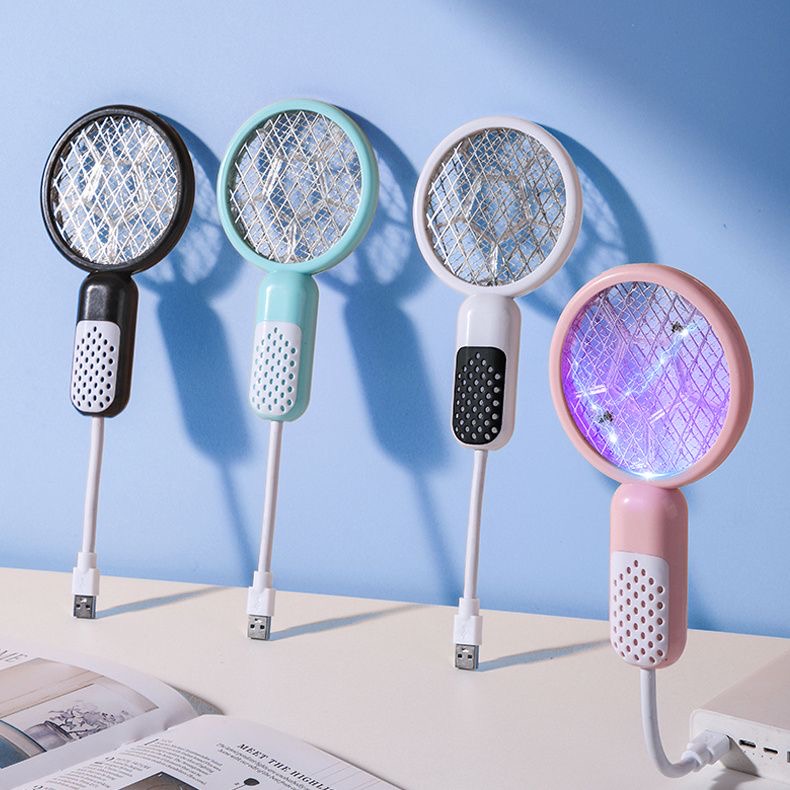
II. On-the-Go Protection: Adapt Strategies to Scenarios
Environments vary during travel and business trips—from transportation hubs to accommodations, indoor meetings to outdoor surveys. Adjust mosquito prevention measures according to the scenario to avoid oversights.
1. During Transportation: Guard Both Enclosed and Open Areas
Mosquitoes are rare in enclosed spaces like high-speed trains and planes, but they may be present in open areas such as waiting halls and airport outdoor zones. Apply mosquito repellent spray to exposed areas in advance. When taking cars or ride-hailing services with windows open, attach repellent patches to window edges and seats to reduce mosquito entry. For self-driving business trips, place a car mosquito repellent in the vehicle and avoid lingering near roadside grass or water.
2. Accommodation Environment: Eliminate Mosquito Entry Points
Upon arriving at the hotel, first check if doors and windows are properly sealed and if screens are intact—contact the front desk to fix any gaps. Before going to bed, turn on electric mosquito coils or liquids after turning off lights. Meanwhile, clear standing water in the room (e.g., residual water in the sink, vase water) to prevent mosquito breeding. If the accommodation has many mosquitoes, spray a small amount of repellent spray near the bed and corners to form a protective barrier.
3. Outdoor Scenarios: Enhance Protection and Avoid Peak Mosquito Activity Times
Mosquitoes are highly active during outdoor surveys and scenic spot visits, requiring comprehensive protection. Mosquitoes feed mostly in the early morning, evening, and night—avoid prolonged outdoor activities during these times. If unavoidable, in addition to applying repellents and wearing protective clothing, carry a handheld fan to deter mosquitoes with airflow. In mosquito-dense areas like waterfronts, grasslands, and forests, pass through quickly and do not sit or lie on the ground or vegetation casually.
4. Business Occasions: Balance Protection and Professional Image
For business trips, it may be inconvenient to wear long sleeves and pants with formal attire. Opt for lightweight long-sleeved shirts and apply mosquito repellent cream to hidden areas like wrists and ankles to avoid disturbing others with strong spray odors. Reapply in a well-ventilated area during meeting breaks. For outdoor negotiations, assess the environment in advance and choose open areas with fewer mosquitoes.
III. Post-Bite Treatment: Respond Scientifically to Avoid Secondary Harm
If bitten by a mosquito accidentally, do not scratch the area. Take correct treatment measures promptly to relieve discomfort and prevent infection.
-
Mild Bites: Rinse the bitten area with soapy water or clean water first to neutralize the acidic substances in mosquito saliva. Then apply calamine lotion or cooling oil to relieve itching and swelling. For sensitive skin, choose a gentle mosquito bite repair gel and avoid harsh ointments.
-
Severe Reactions: If large-area swelling, pain, or intense itching occurs after being bitten, or if allergic reactions like dizziness, fatigue, or rashes appear, apply anti-allergic ointment promptly and take oral anti-allergic medication if necessary. Seek medical attention immediately if symptoms worsen.
-
Special Reminder: Avoid scratching the bitten area. If the skin is broken, disinfect it with povidone-iodine and apply antibiotic ointment to prevent infection. If symptoms such as fever, headache, or joint pain occur after a mosquito bite, be alert to potential infectious diseases—inform the local CDC and seek medical help promptly.
IV. Warning: Avoid These Mosquito Prevention Myths
Many people have misconceptions about mosquito prevention, which reduce effectiveness and even harm health. Myth 1: Higher concentration of repellent is better. Excessively high DEET concentrations may irritate the skin—10%-30% is sufficient for daily use. Myth 2: Applying spray all over the body. This is wasteful and may cause discomfort due to skin absorption; focus on exposed areas. Myth 3: Relying on aromatherapy or essential oils. These products have limited protective effects and can only be used as supplements, not replacements for professional repellents.
The core of travel and business trips is efficiency and peace of mind. Proper mosquito prevention prevents disruptions to your itinerary and work. By preparing supplies based on your destination, adjusting protection strategies on the go, and treating bites scientifically, you can bid farewell to mosquito troubles and focus on enjoying your journey or completing work efficiently. May every trip be free from bug bites and smooth sailing!
Decoding the Cost of Electric Mosquito Swatter Circuit Boards
5 Mosquito-Repellent Plants for Home
Related Article

If you’re struggling with annoying mosquitoes, flies, and other flying pests indoors and outdoors, upgrading from traditional manual tools to anElectric Mosquito Swatter is the most efficient solution. Many homeowners and renters search where to buy fly swatter online to find durable, safe, and high-performance electric models that deliver instant pest control.
Where to Buy Fly Swatter
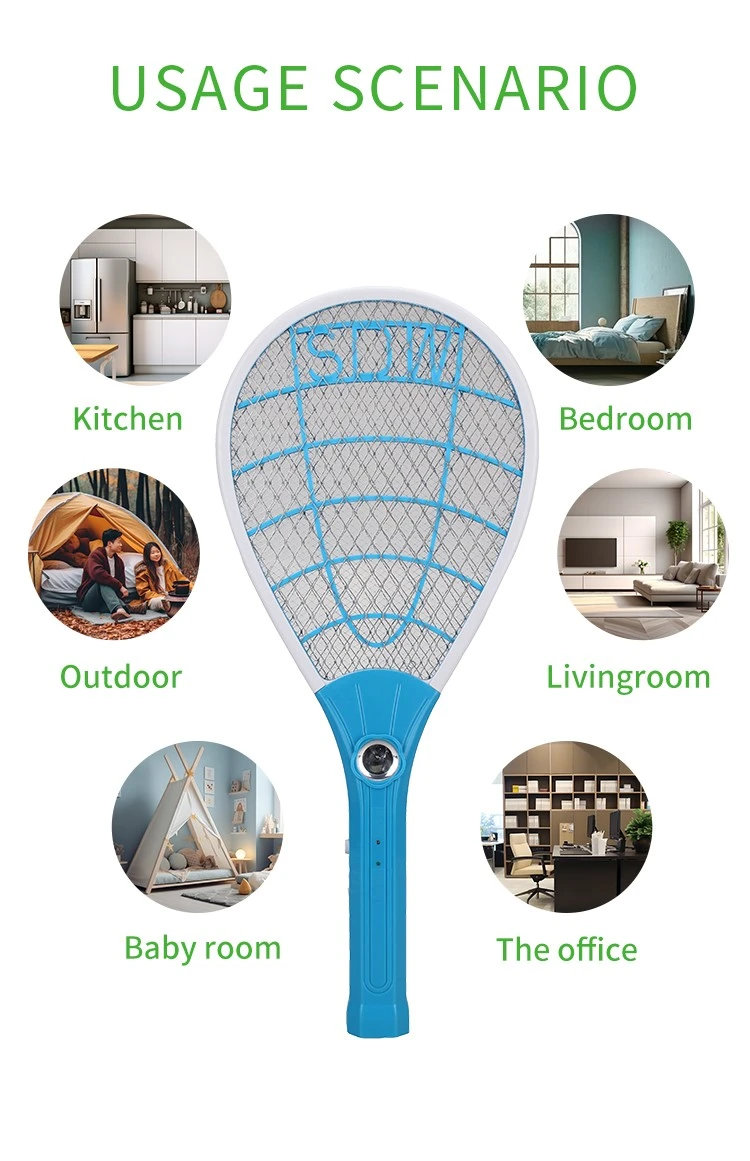
Most importers of electric mosquito swatters obsess over the first order: samples requested, factories vetted, a pre-shipment inspection booked. Then the reorder arrives eight months later and something is off. The grid feels softer. The charge port is a slightly different shade of black. The carton thickness dropped from 350 gsm to 300 gsm. Nothing is catastrophic — but the product no longer matches what your retail customers approved, and quietly, your return rate starts climbing.
How to Keep Mosquito Swatter Quality Consistent Across Repeat Orders
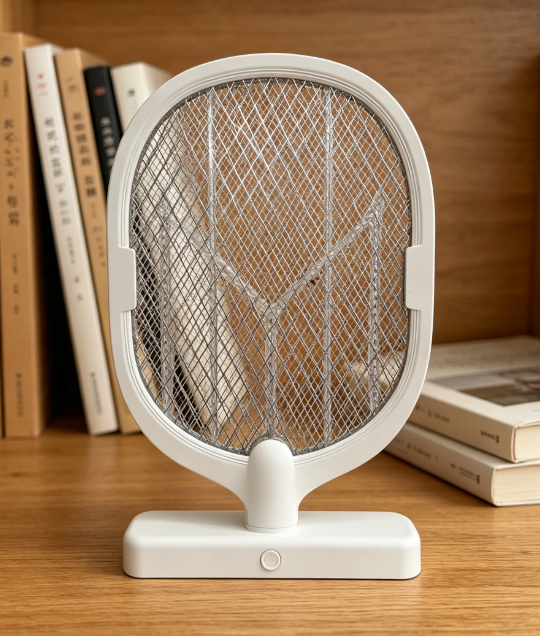
Warranty returns are the silent margin killer in the mosquito control category. A distributor who buys a swatter at $1.80 FOB and retails it at $9.90 can absorb a 1% return rate without noticing — but at 5%, the combined cost of replacement units, reverse logistics, and refund processing erases most of the line's profit.
Common mosquito swatter killer lamp failure modes wholesale spec guide

Digital bathroom scales rank as the second-highest-volume consumer weighing product category, only behind kitchen scales, with distinct market and product characteristics that set them apart from other scale types in importers’ product portfolios.
Digital bathroom body fat-bia-scale wholesale buyers guide