
Mosquito Species Behavior and Product Matching
2026-09-28
Mosquito Species Behavior and Product Matching: How Distributors Should Spec Swatters and Killer Lamps for Aedes, Anopheles, and Culex
Not all mosquitoes behave the same way, and not all mosquito control products catch the same species. A distributor shipping 10,000 units to Lagos faces a completely different vector profile than one sending the same container to Bangkok or Sao Paulo. If your product specs do not match the dominant species in the target market, retailers will see higher return rates and lower reorder velocity. This article maps the three dominant mosquito genera — Aedes, Anopheles, and Culex — to the swatter and killer lamp specifications that actually work against them.
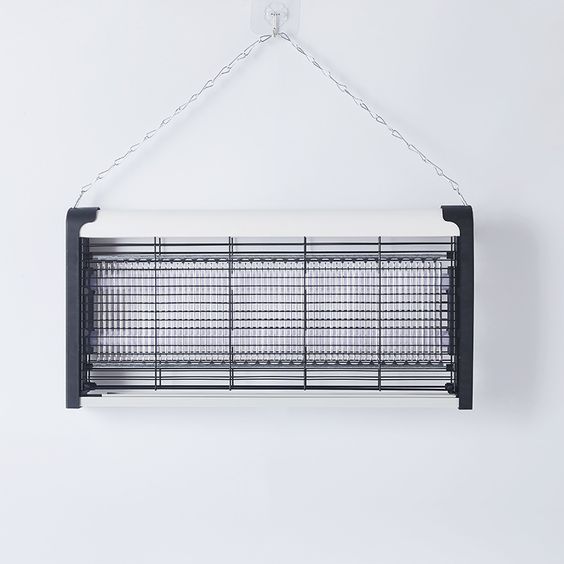
Why Species Biology Dictates Product Selection
Mosquito behavior falls along three axes that directly affect product design: activity period, flight pattern, and host-seeking cues. Aedes mosquitoes are day-biters that hunt visually and are highly mobile. Anopheles are night-feeders attracted to carbon dioxide and body heat. Culex are opportunistic generalists active at dawn and dusk, with moderate flight ranges and strong responses to both light and scent.
A handheld electric swatter excels against fast, visible, daytime hunters. A UV-based killer lamp dominates against slow, light-attracted night feeders. A product line that ignores this biology will underperform in half the markets it enters. Understanding the vector is not entomology for its own sake; it is SKU-planning due diligence.
Aedes Aegypti and Albopictus: Daytime Hunters That Demand Swatter-First SKUs
Aedes aegypti, the primary vector for dengue, Zika, and chikungunya, feeds almost exclusively during daylight hours with peak activity in the two hours after sunrise and before sunset. Aedes albopictus, the Asian tiger mosquito, shows similar diurnal behavior but tolerates cooler climates, which is why it has spread to temperate Europe and North America.
These species share two traits that make electric swatters the dominant control tool: they are visually detectable and they land on exposed skin before biting. A consumer can see the mosquito, track its flight, and strike. Killer lamps, which rely on nocturnal phototaxis, are largely ineffective during Aedes peak activity.
For Aedes-dominant markets — Southeast Asia, Latin America, the Caribbean, and increasingly Southern Europe — distributors should prioritize:
-
High-voltage grids (2,500–3,000V): Ensure instant kill on contact, as Aedes are robust fliers that can recover from marginal shocks
-
Wide-surface mesh (18 x 18 cm or larger): Boost strike probability to counteract their erratic flight paths
-
Lightweight handles (under 280g): Support extended daytime use, reducing user fatigue in tropical climates
-
Rechargeable Li-ion cells: Replace disposable batteries to adapt to inconsistent retail battery supply chains in core Aedes markets
India, Brazil, and Indonesia collectively account for over 60% of global dengue burden. A product line tailored to Aedes behavior in these three markets will outsell generic "all-purpose" swatters by a significant margin.
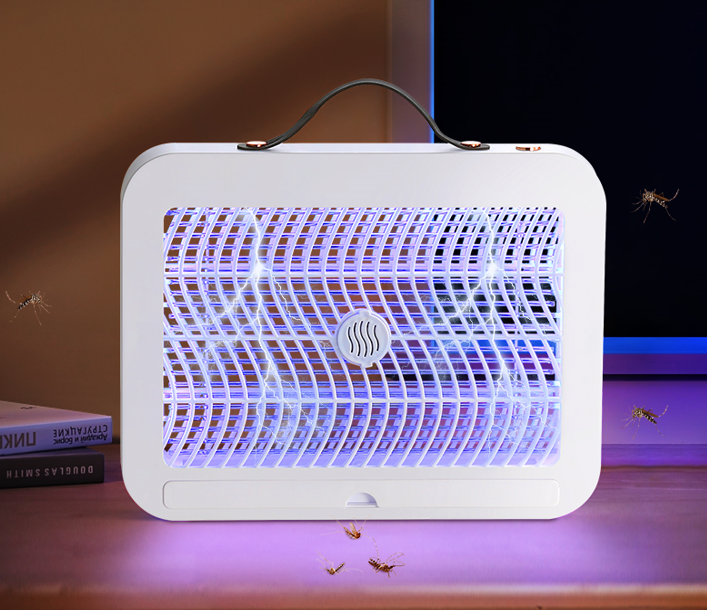
Anopheles Gambiae and Stephensi: Night Feeders and the Case for UV Lamp Dominance
Anopheles gambiae complex and Anopheles stephensi are the primary malaria vectors in sub-Saharan Africa, the Arabian Peninsula, and parts of South Asia. Unlike Aedes, Anopheles feed almost exclusively between dusk and dawn. They are weak fliers, rarely traveling more than 1–2 kilometers from breeding sites, and they are strongly attracted to UV-A light in the 365–385 nm range.
This biology makes UV-based killer lamps the preferred wholesale SKU for Anopheles-dominant regions. Lamps with the right wavelength and coverage area can create a protective zone around sleeping quarters, which is exactly where transmission risk is highest.
For Anopheles markets — West Africa, East Africa, the Greater Horn, and parts of the Indian subcontinent — spec sheets should emphasize the following parameters:
|
Spec Parameter
|
Recommended Range
|
Rationale
|
|---|---|---|
|
UV-A wavelength
|
365 – 375 nm
|
Peak Anopheles phototaxis; 395 nm shows 30–40% lower attraction
|
|
UV LED power
|
3 – 6W
|
Sufficient for 20–40 m² coverage without excessive heat
|
|
Grid voltage
|
1,500 – 2,500V
|
Anopheles are smaller and more fragile than Aedes; lower voltage suffices
|
|
Power source
|
USB-C + AC adapter
|
Grid reliability varies; dual-source ensures continuous overnight operation
|
|
Safety switch
|
Automatic dusk sensor
|
Reduces daytime energy drain; extends LED lifespan to 15,000+ hours
|
Many African markets also show strong demand for solar-powered variants. A 1,500 mAh panel-fed battery paired with a 3W UV LED can run 8–10 hours after a full day's charge, which matches the Anopheles feeding window in off-grid areas.
Culex Pipiens and Quinquefasciatus: The Generalist Threat
Culex mosquitoes are the most widespread genus globally. Culex pipiens dominates temperate zones; Culex quinquefasciatus thrives in tropical urban environments. They transmit West Nile virus, Japanese encephalitis, and filariasis. Behaviorally, they are dusk-to-dawn feeders with moderate responses to both UV light and human presence. They are slower fliers than Aedes but more persistent.
This dual responsiveness makes Culex markets ideal for hybrid product lines. A distributor serving Southern China, the Middle East, or the Southern United States should stock both swatters and lamps, because Culex activity overlaps with human outdoor presence at dusk and continues indoors after dark.
The winning SKU mix for Culex-dominant regions is:
-
2-in-1 electric swatter with UV light (hero product): Covers dusk outdoor use (manual swatting) and overnight indoor protection (UV lamp mode)
-
Standard rechargeable swatter (volume SKU): Caters to price-sensitive consumer segments
-
Dedicated UV killer lamp (institutional SKU): Meets large-scale coverage needs for schools, clinics, and barracks
Culex are also the most likely species to develop indoor resting behavior, which increases the value of wall-mountable or ceiling-suspended killer lamps in tropical urban housing.
Regional Species Maps and Recommended SKU Mix
The table below maps dominant species by region to a recommended wholesale SKU allocation, serving as a core framework for 2027 product planning:
|
Region
|
Dominant Species
|
Swatter Share
|
Lamp Share
|
2-in-1 Share
|
|---|---|---|---|---|
|
Southeast Asia
|
Aedes aegypti, Culex quinquefasciatus
|
45%
|
25%
|
30%
|
|
Sub-Saharan Africa
|
Anopheles gambiae, Culex quinquefasciatus
|
20%
|
50%
|
30%
|
|
Latin America / Caribbean
|
Aedes aegypti, Culex quinquefasciatus
|
50%
|
20%
|
30%
|
|
Middle East / South Asia
|
Anopheles stephensi, Culex pipiens
|
25%
|
45%
|
30%
|
|
Europe / North America
|
Culex pipiens, Aedes albopictus
|
35%
|
35%
|
30%
|
These ratios apply to a three-SKU portfolio. For lean two-SKU product lines, prioritize the 2-in-1 model plus the single-function product matching the local dominant species: 2-in-1 + standard swatter for Aedes-heavy markets, and 2-in-1 + dedicated lamp for Anopheles-heavy markets.
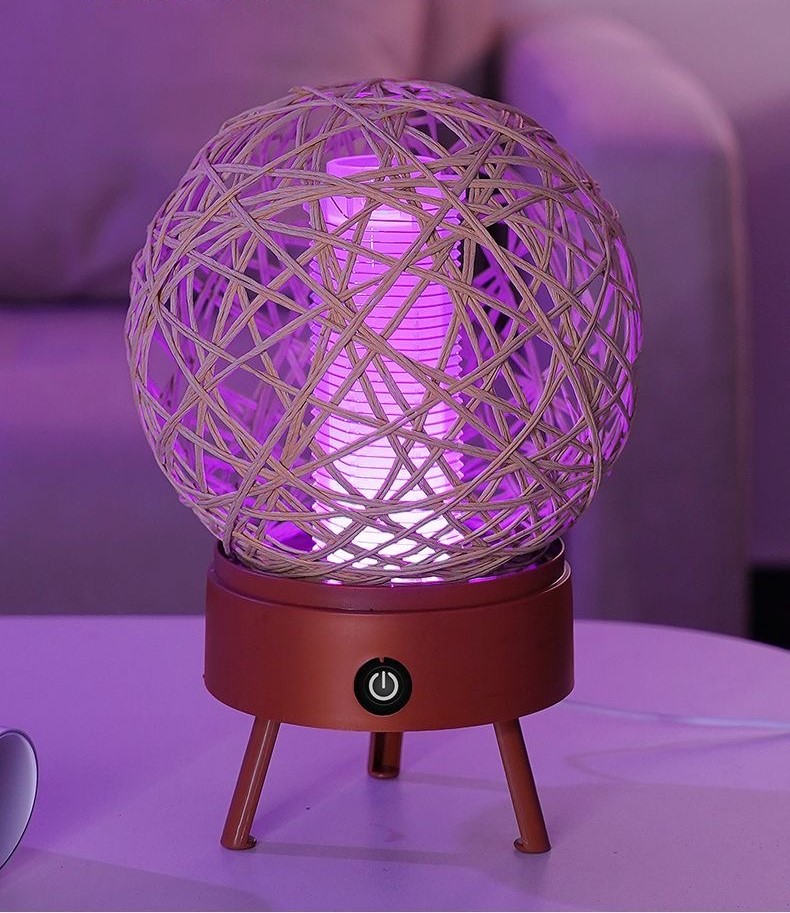
Technical Spec Adjustments to Lock in at the Factory
Species-driven product planning only delivers results when factory specs align with regional needs. When placing bulk orders for species-targeted markets, add these critical technical requirements to your purchase specifications:
-
Grid wire spacing: Specify 4.0–4.5 mm outer-to-outer spacing for Aedes markets to accommodate larger body sizes; 3.0–3.5 mm spacing for Anopheles markets to improve kill rates on smaller mosquitoes.
-
UV LED binning: Require 365 ± 5 nm peak wavelength with spectral graph verification. Low-cost 395 nm LEDs are visually brighter to humans but reduce Anopheles attraction by 30–40%.
-
Fan suction CFM: Equip killer lamps with 12–18 CFM suction fans for Culex-dominant regions, as their weak flight patterns make them highly susceptible to airflow capture.
-
Auto-shutoff timer: Add 6-hour or 8-hour auto-shutoff functions for malaria-endemic regions to extend LED lifespan and reduce warranty claims from overnight continuous operation.
Always request a species-specific kill-rate validation report from manufacturers before mass production. Reputable suppliers conduct controlled cage tests with lab-reared mosquitoes to verify product attraction and kill efficiency.
Conclusion
Matching product specs to regional mosquito species is not a niche optimization — it is the core of sustainable wholesale sales. Generic mosquito control products lead to high returns and stagnant reorders, while species-tailored SKUs maximize on-the-ground performance and retailer loyalty.
For customized species-targeted spec sheets and third-party cage-test validation support for new regional markets, partner with Aofengming Electric. With 15 years of professional mosquito control manufacturing experience in Chaozhou, we help global distributors optimize product portfolios for 2026–2027 regional market demands.
DIY Mosquito Control
Tooling and Mold Agreements in Mosquito Swatter OEM Manufacturing
Related Article
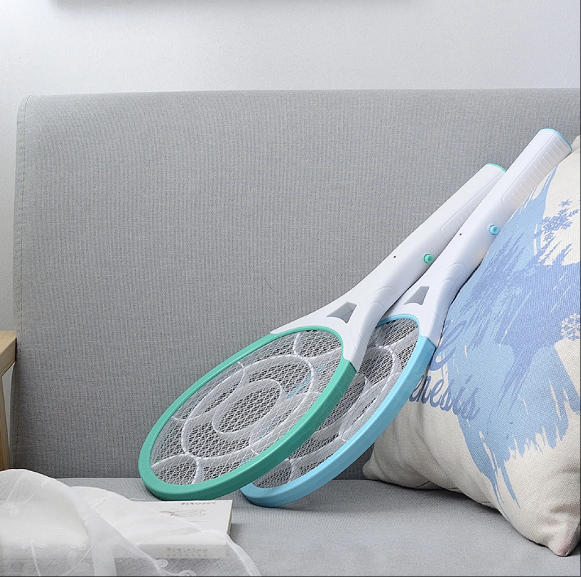
If you’re struggling with annoying mosquitoes, flies, and other flying pests indoors and outdoors, upgrading from traditional manual tools to anElectric Mosquito Swatter is the most efficient solution. Many homeowners and renters search where to buy fly swatter online to find durable, safe, and high-performance electric models that deliver instant pest control.
Where to Buy Fly Swatter
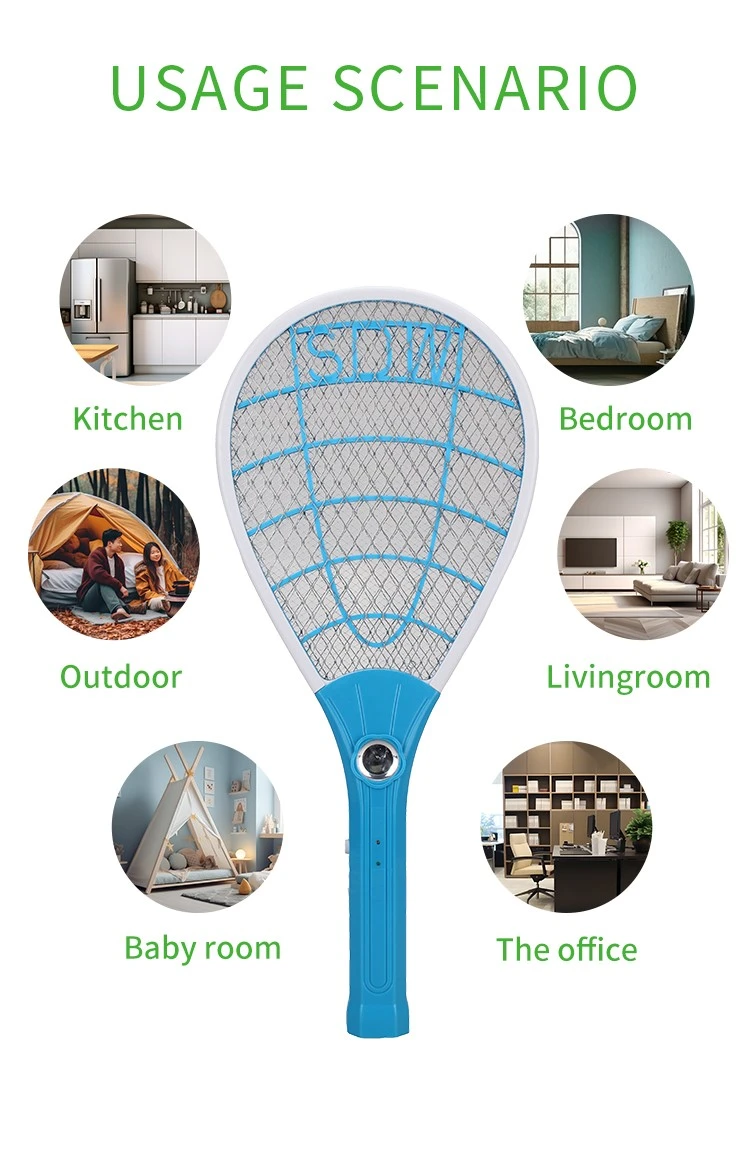
Most importers of electric mosquito swatters obsess over the first order: samples requested, factories vetted, a pre-shipment inspection booked. Then the reorder arrives eight months later and something is off. The grid feels softer. The charge port is a slightly different shade of black. The carton thickness dropped from 350 gsm to 300 gsm. Nothing is catastrophic — but the product no longer matches what your retail customers approved, and quietly, your return rate starts climbing.
How to Keep Mosquito Swatter Quality Consistent Across Repeat Orders
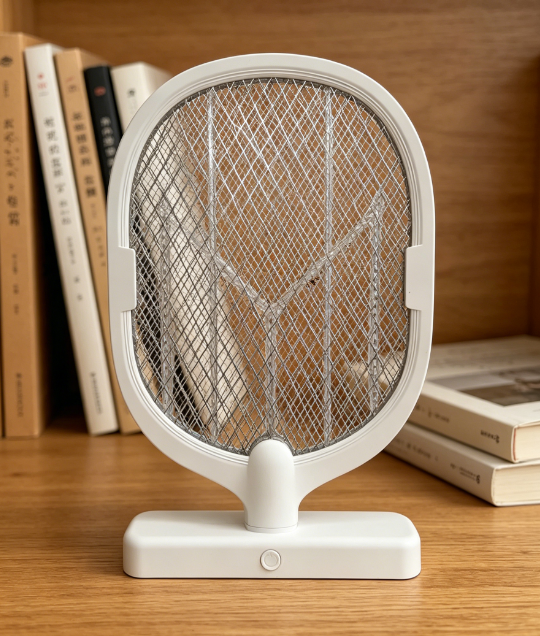
Warranty returns are the silent margin killer in the mosquito control category. A distributor who buys a swatter at $1.80 FOB and retails it at $9.90 can absorb a 1% return rate without noticing — but at 5%, the combined cost of replacement units, reverse logistics, and refund processing erases most of the line's profit.
Common mosquito swatter killer lamp failure modes wholesale spec guide

Digital bathroom scales rank as the second-highest-volume consumer weighing product category, only behind kitchen scales, with distinct market and product characteristics that set them apart from other scale types in importers’ product portfolios.
Digital bathroom body fat-bia-scale wholesale buyers guide