
Mosquito Swatter Cleaning Guide
2025-09-21
Mosquito Swatter Cleaning Guide: How Often Should You Clean It, and the Right Way to Do It?
Did you know that if a mosquito swatter is not cleaned regularly, it will not only reduce its mosquito-killing effectiveness but also breed bacteria and pose safety hazards? Today, we’ll take a detailed look at: how often you should clean a mosquito swatter and the correct cleaning methods to help you keep this "mosquito-fighting tool" always effective and safe.
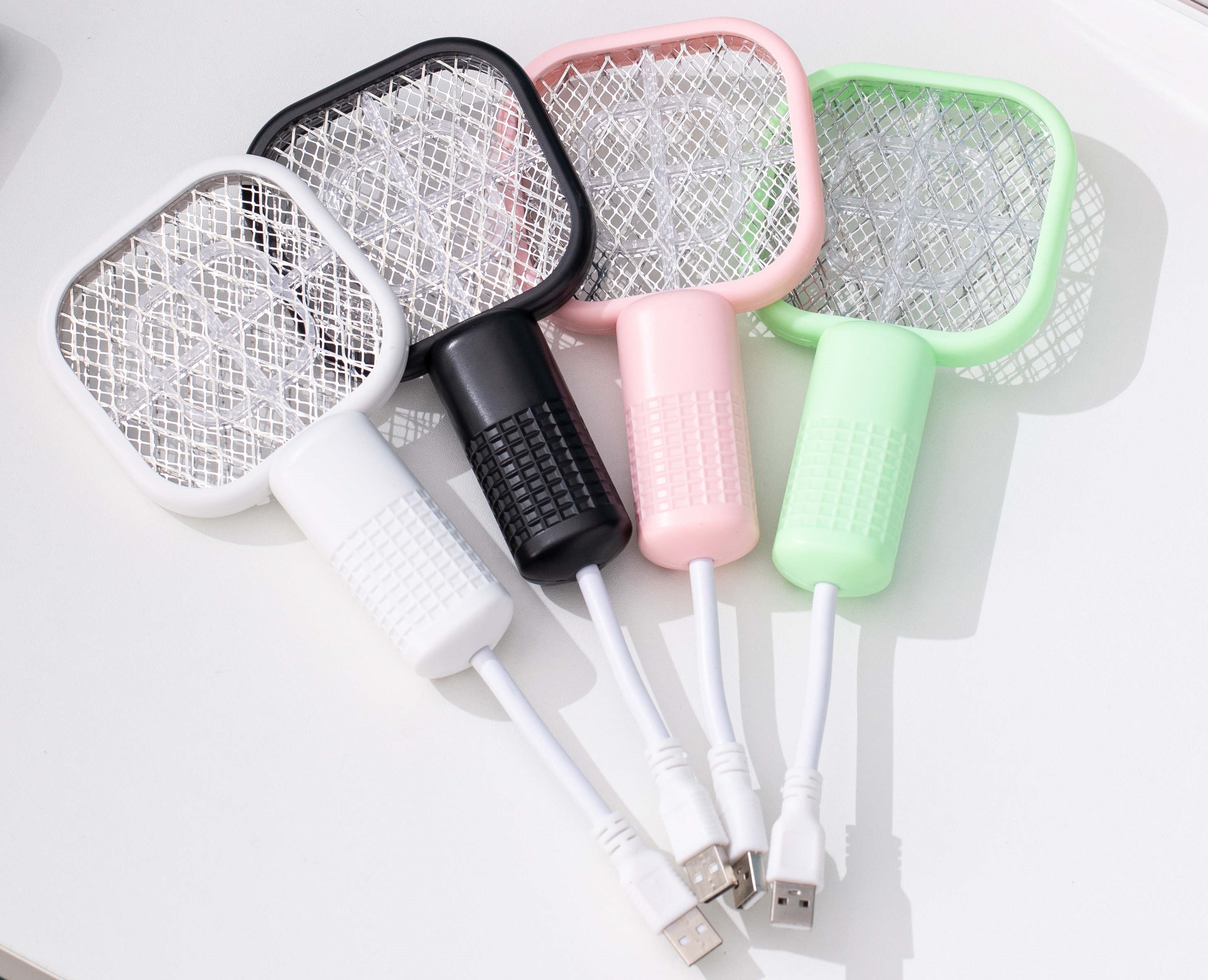
I. Why Must Mosquito Swatters Be Cleaned Regularly?
Many people think, "A mosquito swatter just zaps mosquitoes—there’s no need to clean it," but the reality is quite the opposite. On one hand, when mosquitoes are electrocuted, their bodies remain on the grid or the swatter’s surface. Over time, these bodies accumulate as dirt, clogging the gaps in the grid. This blocks the conduction of electric current, causing the swatter that once easily zapped mosquitoes to become "less powerful" or even "make noise but fail to electrocute." On the other hand, the leftover mosquito bodies and bodily fluids are prone to breeding bacteria. Especially in humid environments, these bacteria may spread through contact or air during the next use, harming your family’s health. Additionally, if the dirt mixes with dust and hair, it may increase the risk of the swatter short-circuiting, creating a safety hazard. Therefore, cleaning your mosquito swatter regularly ensures both its effectiveness and the health and safety of your family.
The cleaning frequency of a mosquito swatter mainly depends on its usage frequency and dirt accumulation—there is no absolutely uniform standard. However, you can refer to the following scenarios to decide:
1. Daily Basic Cleaning: Wipe Briefly After Each Use (or Daily)
If you only use the swatter occasionally to zap 1-2 mosquitoes, leaving only a small number of mosquito remains on the surface, it is recommended to after each use: first turn off the swatter’s power, unplug the charging cable (if it’s a rechargeable model), and gently wipe off the mosquito remains and dust with a clean tissue or dry cloth to prevent dirt buildup. If you use the swatter every day (such as during summer when mosquitoes are abundant), even if there is little residue each time, it is still advisable to give it a quick wipe every night before bed to avoid gradual dirt accumulation.
2. Deep Cleaning: Every 2-3 Weeks, or When These Signs Appear
After using the swatter for a period of time, mosquito wings, body parts, or even dust and hair may get stuck in the grid gaps. A simple wipe won’t clean these thoroughly, so a deep clean is needed—we recommend doing this every 2-3 weeks. Additionally, perform a deep clean promptly if you notice any of the following:
- Obvious dirt buildup (or even an odor) on the swatter’s surface or grid;
- The "crackling" sound of the swatter weakens during use, and its mosquito-killing effect drops significantly;
- You’re worried about bacterial growth in humid environments (such as during the rainy season).
3. Before Long-Term Storage: Clean Thoroughly Before Storing
If you need to store the swatter for a long time (more than 1 month) due to seasonal changes (e.g., fewer mosquitoes in autumn) or travel, you must give it a thorough clean before storing. After cleaning, let it dry completely, then place it in a storage bag or box to prevent dust buildup and avoid malfunctions when you use it next time.
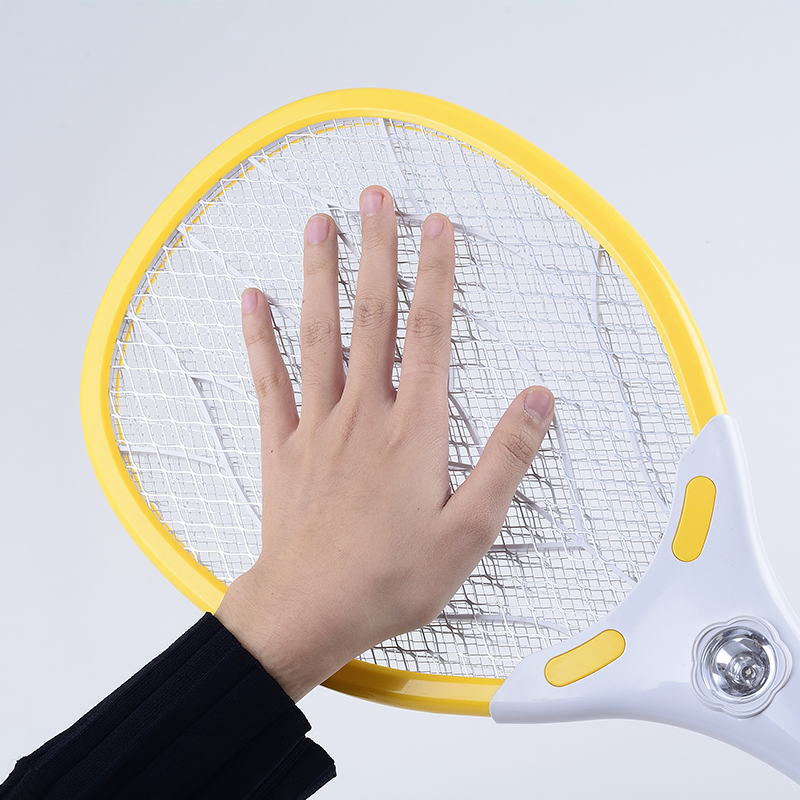
III. Warning! Mosquito Swatter Cleaning "No-Nos"—Avoid These Methods
A mosquito swatter is an electrical device. Improper cleaning can damage the device or cause electric shock. Be sure to avoid these wrong methods:
- Never rinse directly with water: The swatter contains internal circuits and batteries—rinsing with water will cause a short circuit or even damage the device;
- Avoid using sharp tools for cleaning: Do not use toothpicks, needles, or other sharp objects to pick at gaps in the grid, as this may puncture the grid or damage the insulating layer;
- Do not use alcohol or corrosive cleaners: Alcohol is flammable—spraying it on the grid poses a safety risk. Corrosive cleaners (such as toilet bowl cleaner or scouring powder) can damage the swatter’s shell and grid, shortening its service life.
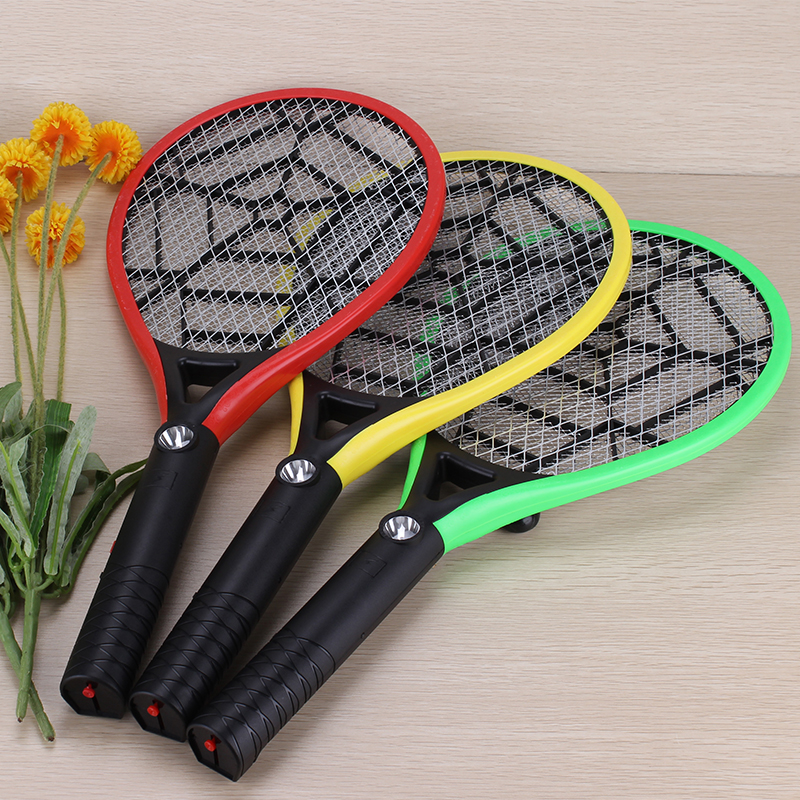
IV. The Correct 3-Step Deep Cleaning Process
- Turn off the power—twice to be sure: First, switch off the swatter’s power. For rechargeable models, be sure to unplug the charging cable to ensure the device is completely powered off and prevent electric shock;
- Clean grid gaps: Use a soft-bristled brush (such as an old toothbrush or calligraphy brush) to gently scrub the gaps in the grid, brushing off leftover dirt and hair. Then wipe clean with a dry cloth. For stubborn dirt in the gaps, dip a cloth in a small amount of water (wring it out until it’s completely dry), wipe gently, and then dry with a clean cloth;
- Clean the shell and handle: Wipe the swatter’s shell and handle with a dry cloth or a damp cloth (wring it out first) to remove surface dust and fingerprints. Finally, place it in a well-ventilated area to dry (avoid direct sunlight). Only use or store it once it’s completely dry.
Though small, a mosquito swatter’s performance and safety are affected by improper cleaning. Remember the rule: "Wipe briefly after each use, deep clean every 2-3 weeks, and clean thoroughly before long-term storage." This will keep it "fighting fit" and add an extra layer of protection for your family’s health. If your mosquito swatter hasn’t been cleaned in a long time, why not give it a "thorough cleanup" today using the correct methods?
How Often Should You Replace the Battery of an Electric Mosquito Swatter
5 Creative Upcycling Ideas for Old Mosquito Swatters
Related Article

If you’re struggling with annoying mosquitoes, flies, and other flying pests indoors and outdoors, upgrading from traditional manual tools to anElectric Mosquito Swatter is the most efficient solution. Many homeowners and renters search where to buy fly swatter online to find durable, safe, and high-performance electric models that deliver instant pest control.
Where to Buy Fly Swatter
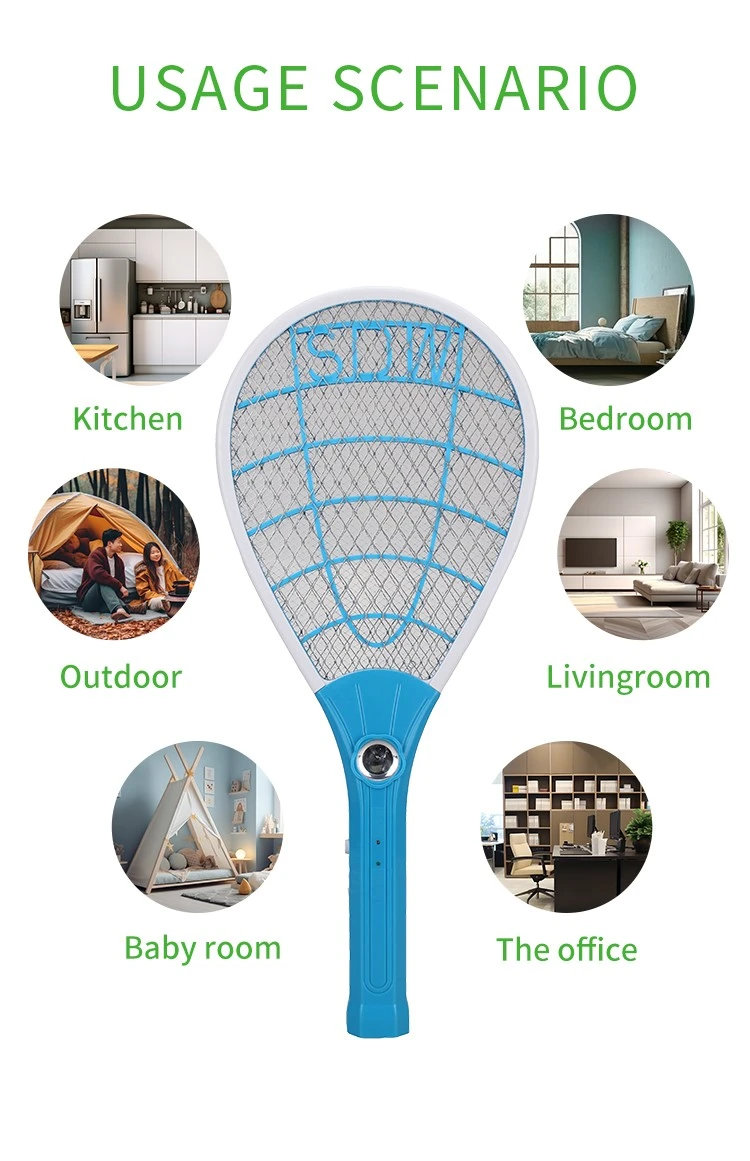
Most importers of electric mosquito swatters obsess over the first order: samples requested, factories vetted, a pre-shipment inspection booked. Then the reorder arrives eight months later and something is off. The grid feels softer. The charge port is a slightly different shade of black. The carton thickness dropped from 350 gsm to 300 gsm. Nothing is catastrophic — but the product no longer matches what your retail customers approved, and quietly, your return rate starts climbing.
How to Keep Mosquito Swatter Quality Consistent Across Repeat Orders
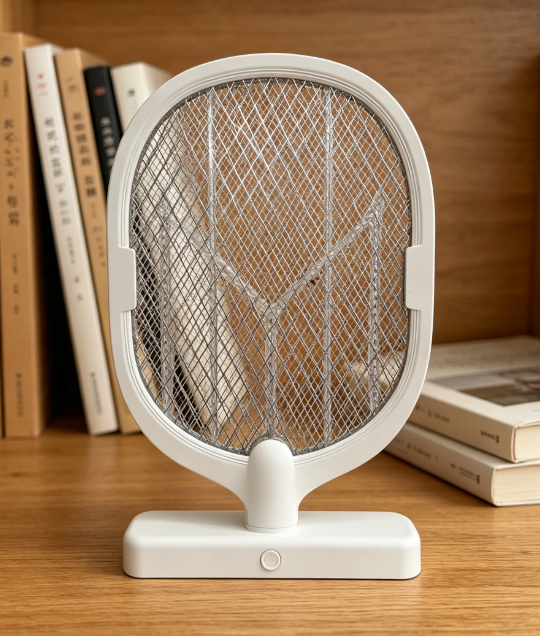
Warranty returns are the silent margin killer in the mosquito control category. A distributor who buys a swatter at $1.80 FOB and retails it at $9.90 can absorb a 1% return rate without noticing — but at 5%, the combined cost of replacement units, reverse logistics, and refund processing erases most of the line's profit.
Common mosquito swatter killer lamp failure modes wholesale spec guide

Digital bathroom scales rank as the second-highest-volume consumer weighing product category, only behind kitchen scales, with distinct market and product characteristics that set them apart from other scale types in importers’ product portfolios.
Digital bathroom body fat-bia-scale wholesale buyers guide