
Mosquito Swatter Packaging Design Guide
2026-08-13
Mosquito Swatter Packaging Design Guide: Stand Out on Retail Shelves
In the crowded home goods and seasonal pest control retail market, a high-quality mosquito swatter or electric bug zapper alone is never enough to guarantee sales. Most shoppers make impulsive purchase decisions within 3 to 7 seconds of glancing at a retail shelf, and your product’s packaging acts as the first and most critical touchpoint with consumers. Professional mosquito swatter packaging design does not merely serve as a protective shell for your product—it functions as a silent marketing tool that differentiates your brand from generic competitors, communicates core product values, and converts browser into buyers. For brands and wholesalers specializing in custom household pest control devices, masteringretail packaging rules and optimizing custom bug zapper box solutions is the key to boosting shelf visibility, enhancing brand credibility, and increasing retail conversion rates in 2026 and beyond. This comprehensive guide breaks down every core aspect of mosquito swatter retail packaging, from packaging type selection and core design elements to regional preference differences, eco-friendly trends, multi-language layout, custom service details, and cost breakdowns.
Why Packaging Is Your Silent Salesman on Retail Shelves
Retail shelf competition for mosquito swatters and bug zappers is extremely fierce. In supermarkets, home goods stores, and offline wholesale markets, dozens of similar pest control products are displayed side by side, with nearly identical functional attributes, pricing ranges, and target user groups. Most consumers do not have the time or willingness to carefully compare product parameters one by one. In this scenario, retail packaging becomes your most reliable silent salesman that works 24/7 to attract attention and build trust.
First, excellentmosquito swatter packaging design delivers instant visual differentiation. Generic products usually adopt monotonous color schemes and single layout designs, while customized retail packaging with unique brand tones and structured layouts can quickly capture consumers’ visual focus in seconds. For seasonal products like mosquito swatters, which sell heavily in summer and face intense short-term competition, visual uniqueness directly translates to shelf exposure and sales opportunities.
Second, retail packaging intuitively conveys product value and core selling points. A well-designed custom bug zapper box can clearly display key advantages such as safety certification, high-voltage efficiency, rechargeable battery life, and child-safe design on the front panel, allowing consumers to quickly confirm whether the product meets their needs without reading lengthy product manuals. This information efficiency greatly reduces consumer decision-making costs and improves purchase willingness.
Third, exquisite and standardized retail packaging builds brand credibility. For household electrical products that involve safety risks, consumers subconsciously associate high-quality packaging with reliable product quality and formal brand qualifications. Crude, blurry, or incomplete packaging often makes shoppers question product safety and after-sales service, even if the product’s internal quality is excellent. Conversely, certified, well-printed, and structurally reasonable packaging enhances brand professionalism, fosters consumer trust, and promotes repeat purchases and word-of-mouth communication.
Finally, retail packaging adapts to shelf display rules and retail operation needs. Supermarkets and chain stores have unified display specifications for household small appliances. Reasonable packaging size, hanging structure, and stacking durability can improve display efficiency, reduce product damage during transportation and shelf placement, and win more display resources from retailers—forming a virtuous cycle of better exposure and higher sales.
Packaging Types: Color Box, Blister Card, PVC Bag, Display Box — Pros & Cons
Selecting the right packaging type is the foundation of outstanding mosquito swatter packaging design. Different packaging structures match different retail scenarios, pricing strategies, and customer groups. Below is a detailed analysis of the four most mainstream packaging types for mosquito swatters and bug zappers in the retail market, covering their advantages, disadvantages, and applicable scenarios to help brands select the optimal custom bug zapper box and packaging solution.
1. Color Box Packaging
Color boxes are the most mainstream and versatile retail packaging for mid-to-high-end mosquito swatters and electric bug zappers. Made of coated paper, cardboard, or corrugated paper with full-color offset printing, they support diverse customization including brand logos, product images, selling point text, and certification marks.
Pros: Rich printing effects and high visual texture, effectively improving product grade; good compression and drop resistance, providing comprehensive protection for products during long-distance transportation and shelf stacking; fully customizable layout and size, suitable for brand image building; easy to display detailed product information, safety instructions, and after-sales policies; recyclable and compliant with most regional environmental standards.
Cons: Higher unit cost than blister cards and PVC bags; relatively fixed MOQ for customized printing, not suitable for ultra-small batch trial sales; larger packaging volume increases logistics costs appropriately.
Applicable Scenarios: Mid-to-high-end retail products, supermarket shelf display, brand customized products, cross-border export formal orders.
2. Blister Card Packaging
Blister card packaging combines printed paper cards with transparent plastic blisters, fixing the mosquito swatter in a fully visible state. It is widely used in low-end and mid-range lightweight mosquito swatter products.
Pros: Ultra-high visibility, allowing consumers to directly view the product’s appearance, texture, and structure; low production cost, suitable for cost-effective mass products; lightweight and space-saving, reducing logistics and storage costs; with hanging holes, perfectly adapting to supermarket hanging display racks.
Cons: Poor protection performance, easy to squeeze and deform during transportation; limited printing area on paper cards, unable to display comprehensive product information; single structural design, low brand differentiation; plastic blisters have low environmental friendliness.
Applicable Scenarios: Low-cost daily wholesale products, convenience store retail, seasonal promotional flash sales, small-batch retail products.
3. PVC Bag Packaging
PVC transparent bags are the simplest packaging form for mosquito swatters, mainly used for basic product protection without complex retail display functions.
Pros: Extremely low cost, minimal production and customization thresholds; ultra-lightweight, greatly saving transportation and storage space; simple and fast production process with super short delivery cycles.
Cons: No display and brand marketing value, unable to print detailed selling points and brand information; poor wear and pressure resistance, easy to scratch the product surface; low-grade appearance, not suitable for formal retail shelf sales; poor environmental performance, restricted by multiple regional plastic restriction policies.
Applicable Scenarios: Factory bulk wholesale, gift matching, internal product packaging, non-retail channel sales.
4. Display Box Packaging
Display boxes are specialized retail packaging designed for bulk shelf display, usually with open-top or hollow-out structures, capable of holding multiple mosquito swatter products for integrated display.
Pros: Concentrated display effect, strong shelf impact, convenient for retail unified placement and inventory management; large outer printing area, suitable for displaying brand promotion information and seasonal marketing themes; durable and reusable, suitable for long-term supermarket and store display.
Cons: Large packaging volume, high logistics and storage costs; high customization cost, only cost-effective for large-batch sales; single internal structure, unable to achieve independent product high-end packaging.
Applicable Scenarios: Supermarket seasonal centralized promotion, brand offline pop-up stores, large-scale wholesale retail terminals.
Design Elements That Drive Purchase: Hero Image, Feature Icons, Certification Badges
Excellent mosquito swatter packaging design relies on standardized and targeted core design elements to accurately convey product value and stimulate purchase desire. Whether it is a customized custom bug zapper box or conventional retail packaging, three key elements directly determine consumer conversion rates: hero images, feature icons, and certification badges. These elements form a complete visual information system, allowing consumers to capture core product advantages at a glance.
1. Hero Image: Core Visual Focus
The hero image is the largest visual area on the packaging front and the first information consumers perceive. For mosquito swatters and bug zappers, high-definition, real, and scene-matching hero images are far more effective than exaggerated creative pictures. The best practice is to adopt a "large-area product main image + simple scene matching" design: fully display the product’s overall shape, racket surface size, ergonomic handle, and switch structure, with simple home scene backgrounds such as bedrooms, living rooms, and courtyards to enhance substitution perception.
Avoid over-processing and excessive beautification that cause product distortion. Consumers will feel deceived if the packaging image is inconsistent with the real product, which damages brand reputation. For differentiated products, targeted hero image design is required: household safety-type mosquito swatters match warm home scenes, outdoor portable products match camping and travel scenes, and high-power bug zappers match garden and large-space scenes to accurately locate product usage scenarios.
2. Feature Icons: Simplified Selling Point Communication
Most consumers are resistant to dense text descriptions on packaging. Simple, intuitive, and standardized feature icons can efficiently convert complex product functions into visual symbols, improving information reading efficiency. Common core function icons for mosquito swatter packaging include: child safety lock icon, high-voltage power grid safety icon, USB fast charging icon, long battery life icon, mute working icon, waterproof and dustproof icon, and multi-scene applicable icon.
Icon design must follow unity and simplicity principles: consistent line thickness and color tone, avoid overly complex and abstract designs that are difficult to recognize. Place core icons in the fixed visual area of the packaging front, with concise English keyword explanations below, allowing consumers to quickly grasp 3 to 5 core advantages of the product within 2 seconds. This visual selling point presentation is more in line with modern consumers’ fast reading habits and greatly improves conversion rates.
3. Certification Badges: Trust Endorsement
As household small electrical products, mosquito swatters and bug zappers involve electrical safety and user health, so certification badges are the most critical trust endorsement in retail packaging. Formal and complete certification marks can instantly eliminate consumers’ safety concerns and improve product competitiveness.
Common essential certifications include CE certification for European markets, FCC certification for North American markets, GCC certification for Middle Eastern markets, and domestic safety quality certification. All certification badges must be placed in the prominent position of the packaging front or side, with clear and recognizable patterns. For products with environmental protection, energy-saving, and child-safe certifications, priority should be given to display, as these attributes are key factors for family consumers to make purchase decisions. Never use fake or unqualified certification badges to avoid cross-border customs risks and brand reputation losses.
Regional Preferences: What Middle East Buyers Want vs European Buyers
Cross-border mosquito swatter packaging design cannot adopt a one-size-fits-all model. Consumers in different regions have huge differences in aesthetic preferences, functional concerns, color cognition, and compliance requirements. Targeted optimized design of custom bug zapper box according to regional market characteristics is an important way to improve retail adaptability and sales volume. Below is a detailed comparison of packaging preferences between Middle Eastern and European buyers, two core cross-border markets for mosquito swatters.
Middle East Market Packaging Preferences
Middle Eastern consumers focus on practicality, durability, and solemn and luxurious visual styles, with high requirements for product safety and high-temperature resistance. In terms of color matching, they prefer high-saturation, high-brightness tones such as royal blue, golden yellow, and dark green, and avoid pure black and overly monotonous color schemes. The packaging layout pursues neatness and grandeur, with prominent brand logos and product certification information.
Functionally oriented display is the core of Middle East retail packaging. Local buyers and consumers pay the most attention to high-temperature resistance, durable battery life, high mosquito-killing efficiency, and household multi-person applicability. Therefore, the packaging needs to prominently mark high-power performance, long standby time, and high-temperature resistant material features. In addition, Middle Eastern markets have strict requirements for product ingredient safety and non-toxicity, so non-toxic and harmless material certification needs to be displayed on the packaging.
In terms of text and culture, Middle Eastern markets require Arabic-English dual-language layout, and the text arrangement needs to conform to local reading habits. Avoid using cultural taboo patterns and colors to ensure packaging compliance and market adaptability.
European Market Packaging Preferences
European consumers advocate minimalism, environmental protection, and high-end texture, with extremely strict requirements for packaging simplicity, sustainability, and design sense. In terms of color matching, they prefer low-saturation Morandi colors, black, white, and gray classic color schemes, abandoning exaggerated high-saturation colors. The packaging layout is simple and hierarchical, with less decorative elements, focusing on the display of product texture and brand minimalist temperament.
Environmental protection and safety are the core concerns of European retail packaging. Local buyers and consumers attach great importance to recyclable packaging materials, plastic reduction design, and product energy-saving performance. Therefore, mosquito swatter packaging design for the European market must prominently display recyclable logos, environmental protection material labels, and energy-saving certification badges. In terms of functional display, European consumers pay more attention to mute design, child safety protection, indoor zero-pollution, and lightweight portable features.
In terms of compliance, European markets have strict regulations on packaging size, material environmental protection indicators, and text specification. The packaging needs to display complete CE certification, RoHS environmental protection certification, and clear product parameter information, usage instructions, and waste disposal guidelines. Multi-language layout of English, French, German, and other mainstream European languages is required to adapt to pan-European retail sales.
Eco-Friendly Packaging Trends for 2026
Global environmental protection policies and consumer green consumption concepts are constantly upgrading, and eco-friendly packaging has become an inevitable trend in 2026 mosquito swatter packaging design and retail packaging iteration. More and more retailers and consumers take packaging environmental protection as an important evaluation standard for product selection and brand recognition. Brands that actively layout green custom bug zapper box solutions can not only meet policy compliance requirements but also capture high-end market share and enhance brand social image.
First, fully recyclable and degradable materials will become the mainstream of 2026 packaging. Traditional PVC, non-degradable plastic blister, and non-recyclable coated paper will be gradually phased out by mainstream markets. Instead, recycled cardboard, degradable PLA plastic, kraft paper, and plant fiber materials are widely used in mosquito swatter packaging. These materials have low pollution, high recycling rate, and low carbon emission characteristics, meeting the environmental protection certification requirements of Europe, North America, and other regions.
Second, plastic reduction and lightweight packaging design will be popularized in an all-round way. 2026 retail packaging design focuses on "simple but not crude". On the premise of ensuring product protection performance, reduce redundant packaging structures, reduce packaging thickness and volume, and minimize plastic auxiliary materials. For example, cancel unnecessary plastic blister lining, adopt integrated paper fixing structure, and simplify outer packaging decoration, which not only reduces environmental pressure but also reduces packaging and logistics costs for brands.
Third, transparent environmental protection information display has become a standard configuration. Green consumers in 2026 no longer blindly believe in environmental protection slogans but pay attention to practical environmental protection indicators. Therefore, excellentmosquito swatter packaging design needs to clearly mark packaging material components, recyclable methods, carbon emission indicators, and environmental protection certification information on the outer box, allowing consumers to intuitively recognize the product’s green attributes and enhance purchase trust.
Fourth, reusable packaging design has become a new incremental trend. Some high-end custom bug zapper boxes adopt sturdy reusable cardboard structures, which can be used as storage boxes after consumers open the package. This multi-scene reuse design improves packaging utilization rate, reduces waste, and forms unique brand memory points, helping products stand out in homogeneous retail shelves.
Multi-Language Packaging: When You Need It and How to Do It Right
Multi-language packaging is an essential part of cross-border retail packaging and a key detail that determines whether products can smoothly enter global retail markets. Unreasonable multi-language layout and inaccurate translation will not only affect consumer reading experience but also lead to customs clearance failure and market sales ban in severe cases. It is crucial to clarify the applicable scenarios and standardized design methods of multi-language mosquito swatter packaging design.
When You Need Multi-Language Packaging
First, products sold in multi-country pan-regional markets must adopt multi-language packaging. For example, products entering the European Union market need to cover English, French, German, Spanish, and other mainstream languages; products sold in the Middle East and Southeast Asian markets need to match local mainstream languages such as Arabic and Malay. Second, formal supermarket retail and brand authorized sales channels have mandatory multi-language labeling requirements, which is a basic threshold for shelf entry. Third, high-end customized custom bug zapper box for cross-border wholesale must adopt multi-language design to meet the diversified procurement needs of global buyers and improve product universality.
In contrast, single-language packaging is sufficient for single-country targeted sales, small-batch trial sales, and non-retail bulk wholesale channels, which can appropriately reduce design and production costs.
How to Do Multi-Language Packaging Right
First, prioritize language selection based on target markets. Avoid blind superposition of multiple languages that leads to crowded and messy packaging layout. Select 2 to 4 core mainstream languages according to the main sales regions, and ensure that the language types fully cover the market’s mandatory labeling requirements.
Second, ensure 100% accurate professional translation. Product parameters, safety warnings, certification descriptions, and usage instructions involve professional electrical terms and safety specifications. It is necessary to employ professional native translators for proofreading, avoid machine translation errors and grammatical mistakes, and prevent misleading consumers and triggering safety risks.
Third, optimize multi-language layout hierarchy. Unreasonable multi-language layout will disrupt the visual unity of mosquito swatter packaging design. It is necessary to fix the display position of each language, adopt unified font size and color, distinguish core selling point text and auxiliary description text through font hierarchy, ensure neat and beautiful layout, and maintain consistent brand visual recognition.
Fourth, comply with regional text specification requirements. Some countries have mandatory regulations on text size, display position, and font of safety warnings. For example, European markets require prominent display of safety warning text, and Middle Eastern markets require standardized Arabic typesetting. Design must strictly follow local regulatory standards to avoid compliance risks.
Our Custom Packaging Service: MOQ, Turnaround Time, Design Support
To help brands and wholesalers obtain high-quality, market-adaptive mosquito swatter packaging design and customized custom bug zapper box solutions, our professional retail packaging customization service provides one-stop full-process support, covering personalized design, flexible production, efficient delivery, and professional after-sales service, fully adapting to the differentiated needs of small-batch trial sales and large-batch formal orders.
Flexible MOQ Settings
We break the industry’s high threshold of customized packaging MOQ. For conventional color boxes, blister card packaging, and PVC bag customization, the minimum order quantity is as low as 500 pieces, which is suitable for brand new product trial sales and small-batch market testing. For display box customized orders and high-end special process packaging, the MOQ is 1000 pieces, meeting the formal retail batch sales needs of medium and large brands. For long-term cooperative customers, we support customized MOQ adjustment and batch order splitting to reduce customer inventory pressure.
Efficient Turnaround Time
Our service achieves industry-leading efficient delivery cycles. For simple pattern modification and conventional material packaging orders, the design confirmation cycle is 1-2 working days, and the mass production and delivery cycle is 5-7 working days. For full-custom new design, multi-language layout, and special process packaging orders, the whole cycle from design draft confirmation, sample production to mass delivery is 8-12 working days. We support urgent order processing for seasonal peak sales, ensuring that customers can seize the best summer sales window. After the order is completed, we provide unified packaging and logistics distribution services to ensure intact product delivery.
Full-Cycle Design Support
We provide free professional design support for all customized packaging orders. Our senior design team has years of experience in retail packaging design for household electrical products, familiar with the shelf display rules and regional market preferences of mosquito swatters and bug zappers. We provide one-stop services including market demand analysis, packaging scheme planning, visual design, multi-language layout optimization, compliance checking, and sample proofing. Customers only need to provide brand logos, core product selling points, and target sales regions, and we will independently complete the full set of design drafts and modify them for free until customer satisfaction. In addition, we provide free packaging compliance testing for cross-border orders to ensure that the design meets the regulatory requirements of target markets.
Cost Breakdown: Standard Packaging vs Premium Custom Packaging
When choosing mosquito swatter packaging design solutions, brands need to balance cost performance and market effect. Standard universal packaging and premium customized custom bug zapper box have obvious differences in material cost, design cost, process cost, and market value. A clear cost breakdown helps brands select the most suitable retail packaging solution according to their own positioning and sales strategy.
1. Standard Universal Packaging Cost
Standard packaging adopts universal fixed templates, conventional materials, and mass standardized production, with no customized design cost. Its cost composition is single, mainly including material cost and basic processing cost. The unit price of PVC bag standard packaging is the lowest, ranging from $0.1-$0.3 per piece; the unit price of conventional blister card packaging is $0.3-$0.8 per piece; the unit price of ordinary color box standard packaging is $0.8-$1.5 per piece.
The advantages of standard packaging are ultra-low cost, no MOQ pressure for bulk orders, and fast delivery. The disadvantages are single design, no brand differentiation, ordinary texture, unable to highlight product advantages, and low shelf competitiveness. It is suitable for low-end wholesale markets, gift matching, and cost-sensitive low-profit products.
2. Premium Custom Packaging Cost
Premium customized packaging is tailored according to brand positioning and market needs, with higher comprehensive cost but stronger market value. Its cost composition includes four core parts: customized design fee, high-grade material cost, special process processing fee, and multi-language compliance adjustment fee. The unit price of customized blister card packaging is $0.8-$1.5 per piece; the unit price of high-end customized color boxes is $1.5-$3.5 per piece; the unit price of customized display boxes is $3-$6 per piece.
The added value of premium custom packaging is extremely prominent. Unique brand design improves shelf differentiation and product grade; high-grade materials and fine processes enhance product texture and consumer trust; targeted regional adaptation design and multi-language layout expand market coverage; complete certification display and compliance design reduce sales risks. It is suitable for mid-to-high-end brand products, supermarket retail sales, cross-border export formal orders, and brands pursuing long-term brand image building.
Cost-Effectiveness Selection Suggestion
For new brands and low-end bulk wholesale businesses, standard packaging can be selected to control initial costs and test market feedback. For mature brands, retail shelf sales, and cross-border export businesses, premium customized packaging is more cost-effective in the long run. Although the unit cost is increased, it can effectively improve conversion rates, brand premium capability, and customer repurchase rate, bringing sustained higher sales profits.
Final Thoughts
In the homogenized mosquito swatter and bug zapper retail market, product quality is the foundation of sales, and excellentmosquito swatter packaging design is the core breakthrough to stand out on retail shelves. From the selection of packaging types and optimization of core visual elements to adaptive design for regional market differences, layout of 2026 eco-friendly trends, standardized multi-language design, and reasonable cost matching, every link of retail packaging design determines the final sales performance of the product.
A high-quality custom bug zapper box is not only a product protective container but also a silent brand salesman, which can help brands seize shelf attention, eliminate consumer trust barriers, and achieve sales growth. With the continuous upgrading of global environmental protection policies and consumer aesthetic demands, personalized, green, and market-adaptive customized packaging will become the mainstream of the industry. Choosing professional customized packaging services can help brands accurately grasp market trends, reduce trial and error costs, and build unique competitive advantages in the fierce retail market competition.
How to Verify a Chinese Small Appliance Factory
How to Build a Profitable Mosquito Swatter Brand
Related Article
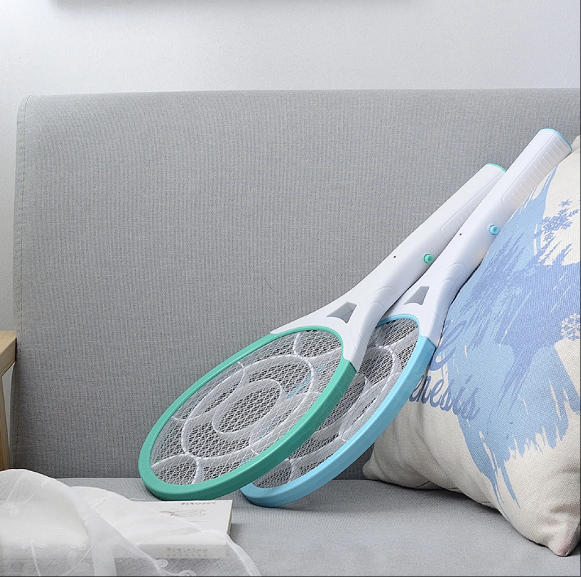
If you’re struggling with annoying mosquitoes, flies, and other flying pests indoors and outdoors, upgrading from traditional manual tools to anElectric Mosquito Swatter is the most efficient solution. Many homeowners and renters search where to buy fly swatter online to find durable, safe, and high-performance electric models that deliver instant pest control.
Where to Buy Fly Swatter
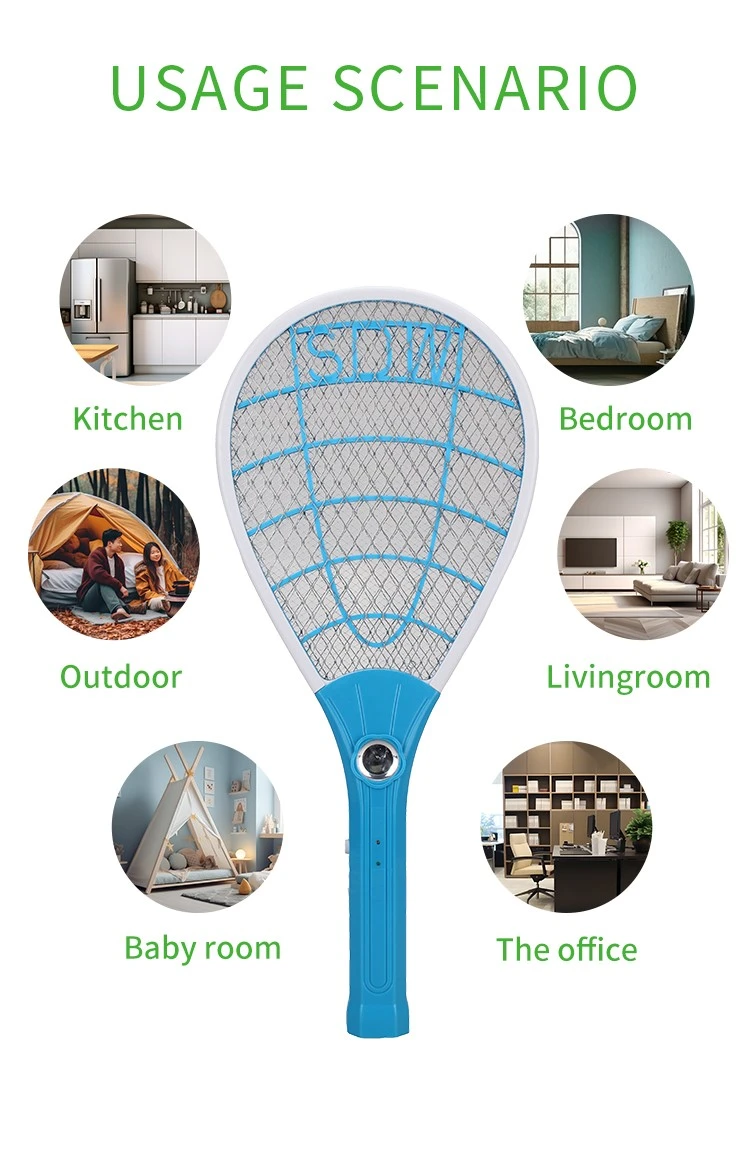
Most importers of electric mosquito swatters obsess over the first order: samples requested, factories vetted, a pre-shipment inspection booked. Then the reorder arrives eight months later and something is off. The grid feels softer. The charge port is a slightly different shade of black. The carton thickness dropped from 350 gsm to 300 gsm. Nothing is catastrophic — but the product no longer matches what your retail customers approved, and quietly, your return rate starts climbing.
How to Keep Mosquito Swatter Quality Consistent Across Repeat Orders
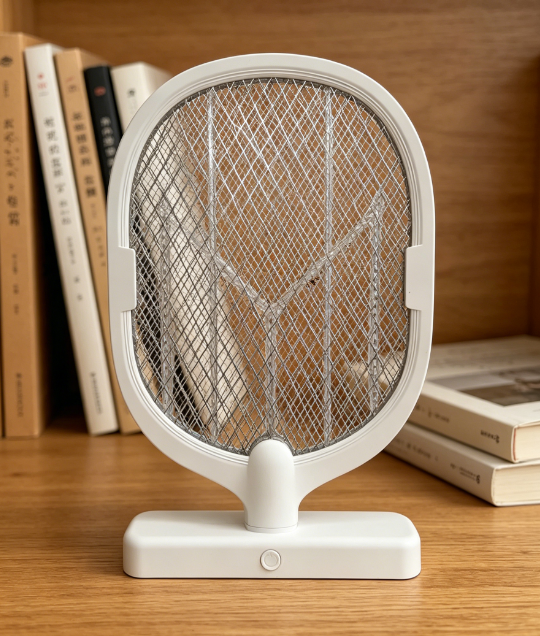
Warranty returns are the silent margin killer in the mosquito control category. A distributor who buys a swatter at $1.80 FOB and retails it at $9.90 can absorb a 1% return rate without noticing — but at 5%, the combined cost of replacement units, reverse logistics, and refund processing erases most of the line's profit.
Common mosquito swatter killer lamp failure modes wholesale spec guide
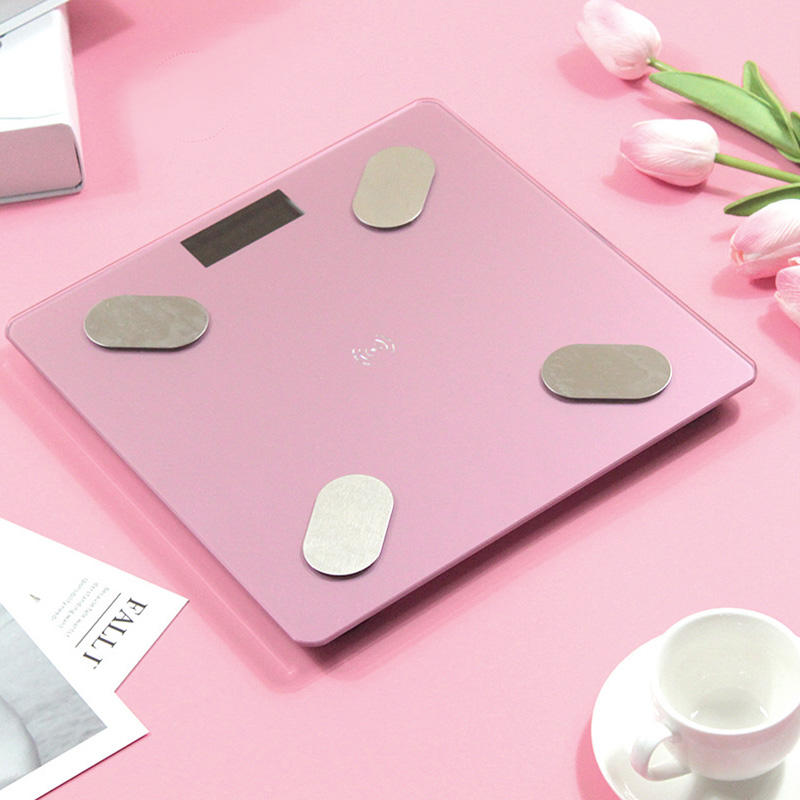
Digital bathroom scales rank as the second-highest-volume consumer weighing product category, only behind kitchen scales, with distinct market and product characteristics that set them apart from other scale types in importers’ product portfolios.
Digital bathroom body fat-bia-scale wholesale buyers guide