
Mosquito Swatters for Baby
2026-03-29
Mosquito Swatters for Baby & Toddler Rooms: 3 Safety Must-Haves
As a parent, keeping your baby or toddler safe is always your top priority—especially when it comes to their sleep space. Mosquitoes aren’t just a nuisance; their bites can cause itchy, irritated skin for little ones with sensitive skin, and in some cases, carry harmful pathogens. But choosing a mosquito swatter for your child’s room isn’t as simple as grabbing the first one off the shelf. Regular swatters, especially electric ones, can pose hidden risks to curious tiny hands and mouths. Below, we’re breaking down the 3 non-negotiable safety must-haves to look for when selecting a mosquito swatter for your baby or toddler’s room, so you can eliminate pests without compromising their safety.
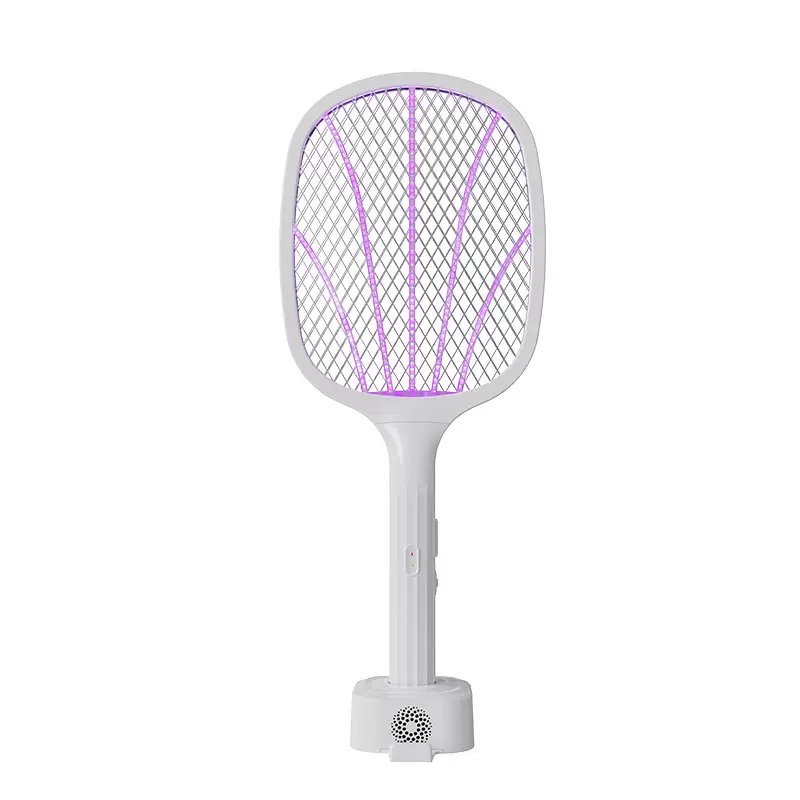
3 Safety Must-Haves for Baby & Toddler Room Mosquito Swatters
1. Protective Mesh Design: Prevent Electric Shock & Finger Injury
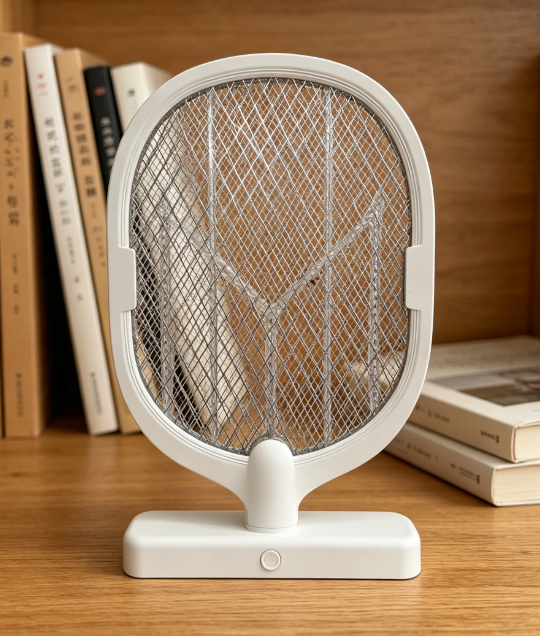
Electric mosquito swatters are a popular choice for their effectiveness, but their high-voltage grids (typically 800–1200 volts) can be dangerous if not properly shielded—especially for toddlers who love to touch and explore everything. The first safety must-have is a multi-layer protective mesh that keeps little fingers (and mouths) away from the electrified grid while still allowing mosquitoes to be zapped. Look for swatters with 3-layer or dual-layer mesh designs: the outer layers act as a barrier, while the inner layer delivers the electric shock. The best models have tightly woven grids with gaps no wider than 3mm to ensure even small mosquitoes can’t slip through, while preventing tiny fingers from making contact with the electrified inner layer.
Additionally, opt for swatters with an auto-shutoff feature that turns off the power when the button is released. This adds an extra layer of protection if your child manages to grab the swatter—no accidental shocks if they squeeze the handle without adult supervision. Avoid swatters with exposed wires or loose mesh, as these pose a risk of electric shock or pinching tiny fingers.
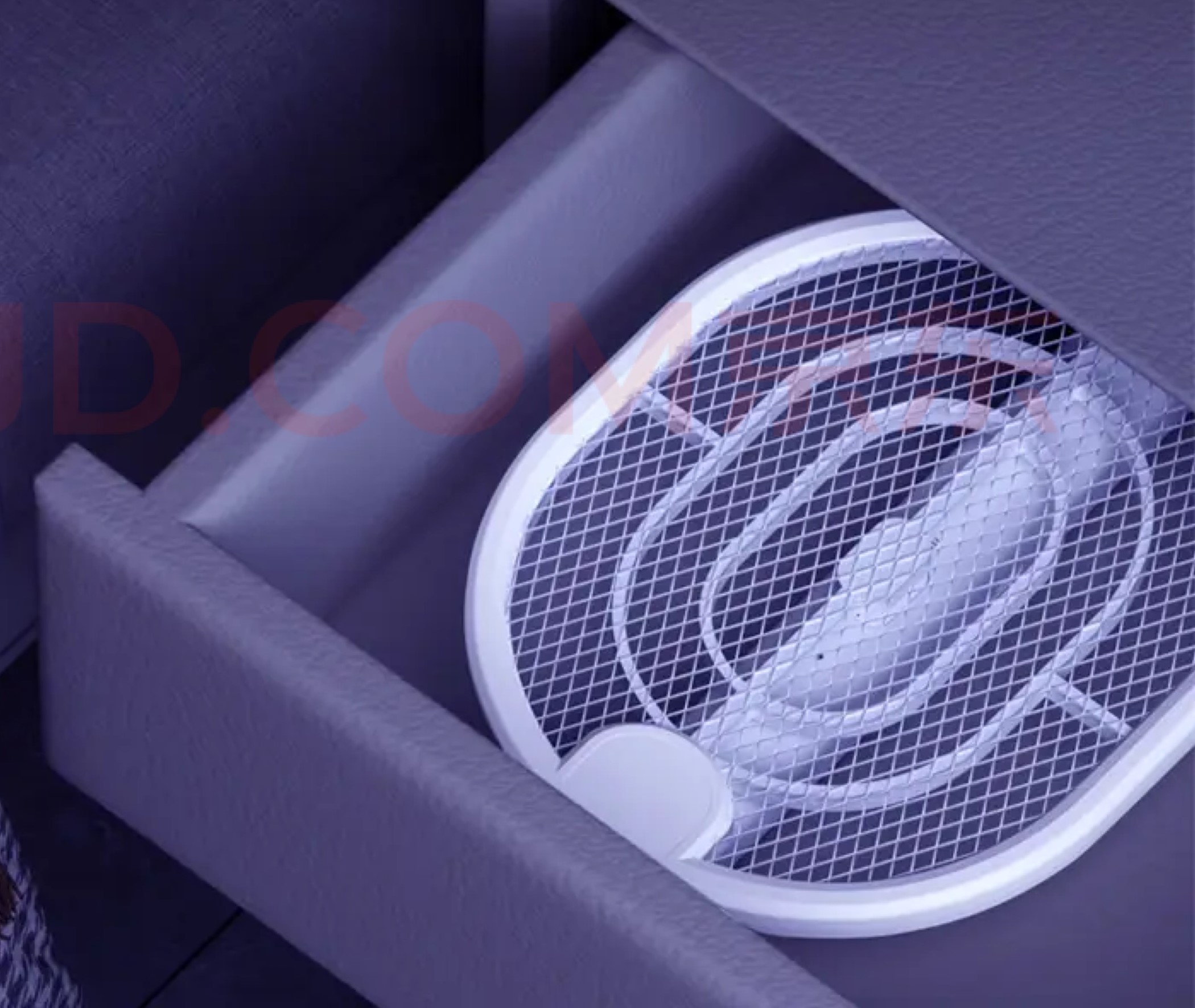
2. Non-Toxic, Baby-Safe Materials: Free from Harmful Chemicals
Babies and toddlers explore the world with their hands and mouths, so any product in their room—including a mosquito swatter—must be made from non-toxic, baby-friendly materials. Look for swatters that meet international safety standards like EN/IEC 60335-2-59 or CNS 13564:2013, which ensure the materials are free from heavy metals, BPA, phthalates, and other harmful chemicals. The handle and frame should be made from smooth, food-grade plastic or durable, non-toxic metal (like nickel-plated stainless steel) that won’t chip or peel, as chipped pieces could be a choking hazard.
Avoid swatters with strong odors or chemical coatings, as these can irritate your child’s sensitive respiratory system. Opt for “physical-only”protection designs that don’t rely on chemical sprays or repellents—these are safer for enclosed spaces like a nursery, where your little one spends hours sleeping and playing. Some swatters even feature a non-slip handle for adult use, ensuring you can grip it securely without dropping it near your child.
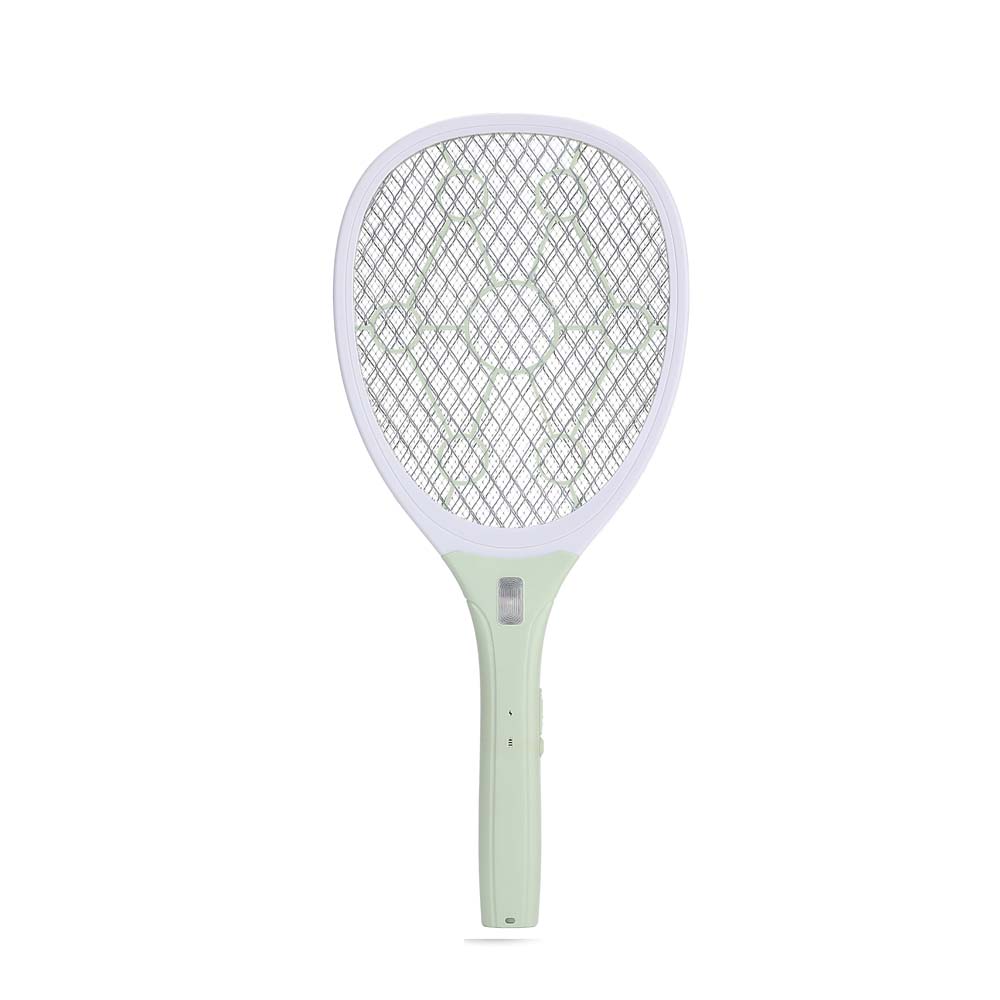
3. Easy-to-Use & Secure Storage: Adult-Controlled Safety
A safe mosquito swatter for a child’s room should be easy for adults to use but difficult for kids to operate. Look for models with a simple one-button design—press and hold to activate the grid, release to turn off—so you can quickly zap mosquitoes without fumbling with complicated controls. Avoid swatters with large, easy-to-press buttons that a toddler could activate on their own.
Equally important is secure storage. Even the safest swatter shouldn’t be left within your child’s reach. Choose a swatter with a built-in hanging loop or compatibility with wall mounts, so you can store it high up (out of tiny hands) when not in use. Some models also come with a protective plastic cover for storage, which adds an extra barrier against curious fingers and prevents dust buildup. Remember: the best safety feature is adult supervision—never leave a mosquito swatter (electric or not) unattended in your baby or toddler’s room.
When it comes to your child’s safety, cutting corners on a mosquito swatter isn’t worth the risk. By prioritizing a protective mesh design, non-toxic materials, and easy adult control with secure storage, you can keep your baby or toddler’s room mosquito-free while giving yourself peace of mind. Pair your safe swatter with other physical protection measures, like a breathable mosquito net over the crib, to create a fully protected space for your little one to sleep and play without the bother of mosquitoes.
Why I Stick with This Electric Mosquito Swatter
Can Electric Mosquito Swatters Hurt Humans
Related Article

If you’re struggling with annoying mosquitoes, flies, and other flying pests indoors and outdoors, upgrading from traditional manual tools to anElectric Mosquito Swatter is the most efficient solution. Many homeowners and renters search where to buy fly swatter online to find durable, safe, and high-performance electric models that deliver instant pest control.
Where to Buy Fly Swatter
Most importers of electric mosquito swatters obsess over the first order: samples requested, factories vetted, a pre-shipment inspection booked. Then the reorder arrives eight months later and something is off. The grid feels softer. The charge port is a slightly different shade of black. The carton thickness dropped from 350 gsm to 300 gsm. Nothing is catastrophic — but the product no longer matches what your retail customers approved, and quietly, your return rate starts climbing.
How to Keep Mosquito Swatter Quality Consistent Across Repeat Orders
Warranty returns are the silent margin killer in the mosquito control category. A distributor who buys a swatter at $1.80 FOB and retails it at $9.90 can absorb a 1% return rate without noticing — but at 5%, the combined cost of replacement units, reverse logistics, and refund processing erases most of the line's profit.
Common mosquito swatter killer lamp failure modes wholesale spec guide

Digital bathroom scales rank as the second-highest-volume consumer weighing product category, only behind kitchen scales, with distinct market and product characteristics that set them apart from other scale types in importers’ product portfolios.
Digital bathroom body fat-bia-scale wholesale buyers guide