
Mosquitoes Prefer to Bite These Groups of People
2025-08-28
Mosquitoes Prefer to "Bite" These Groups of People
Earlier, we learned about the basic information and severity of mosquito-borne diseases. So, how can we reduce the spread of such diseases? Mosquito-borne diseases are closely related not only to the activity patterns of mosquitoes but also to human behavioral habits.
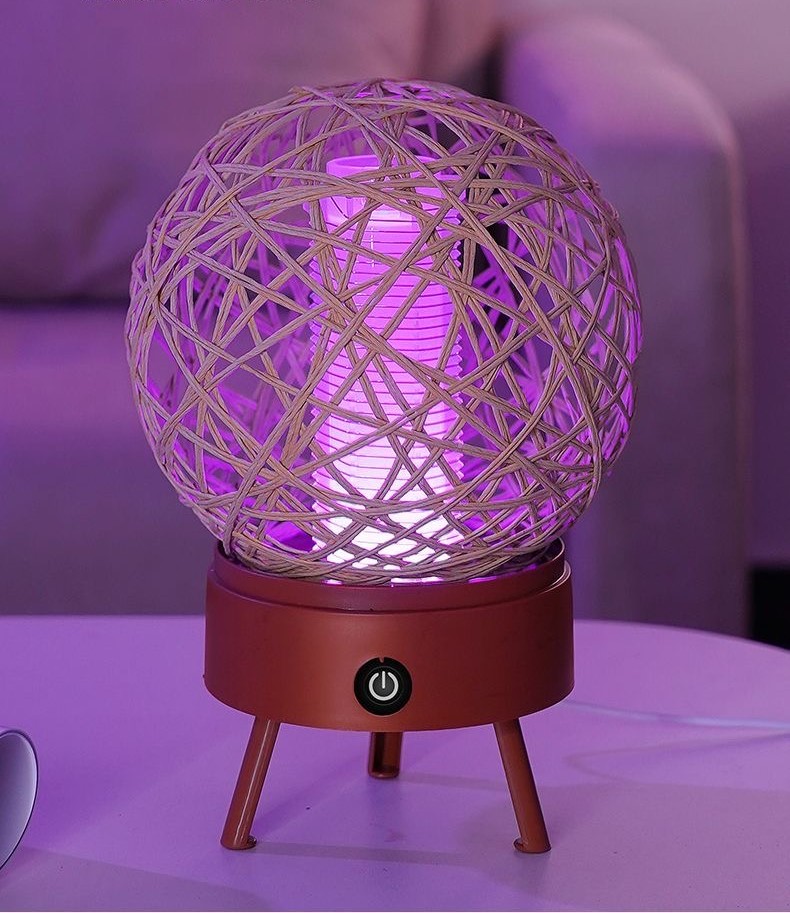
I. 4 "High-Risk Scenarios" for Mosquito-Borne Diseases
-
Near Stagnant Water Environments: Mosquito larvae (wrigglers) need to develop in water. Therefore, places with stagnant water—such as flower pot saucers, discarded tires, plastic bottles, sewers, and ponds—are "breeding hotbeds" for mosquitoes. Residents living on the first floor or near green belts/ponds have a more than 30% higher chance of being bitten by mosquitoes compared to other groups.
-
Outdoor Activities at Night: Culex and Anopheles mosquitoes are mostly active at night, with their "feeding peak" from 6 PM to 4 AM. If you take a walk in the park, work in the fields, or camp outdoors during this period without proper protection, you are very likely to be bitten.
-
People Who Sweat a Lot or Have a High Body Temperature: Mosquitoes mainly locate their targets by sensing carbon dioxide emitted by the human body, lactic acid in sweat, and body temperature. People who sweat heavily after exercise, pregnant women (whose body temperature is 0.5℃ higher than that of ordinary people), obese individuals, and those wearing dark-colored clothes are more likely to become mosquitoes’ "priority targets".
-
Traveling to Epidemic Areas: When traveling to regions with a high incidence of mosquito-borne diseases—such as Africa, Southeast Asia, and South America—your risk of infection will increase significantly if you do not get vaccinated in advance (e.g., yellow fever vaccine) or carry mosquito repellents. In 2024, a tourist was diagnosed with dengue fever after returning to China from Thailand. Due to misdiagnosis as a common cold in the early stage, the condition almost developed into a severe case.
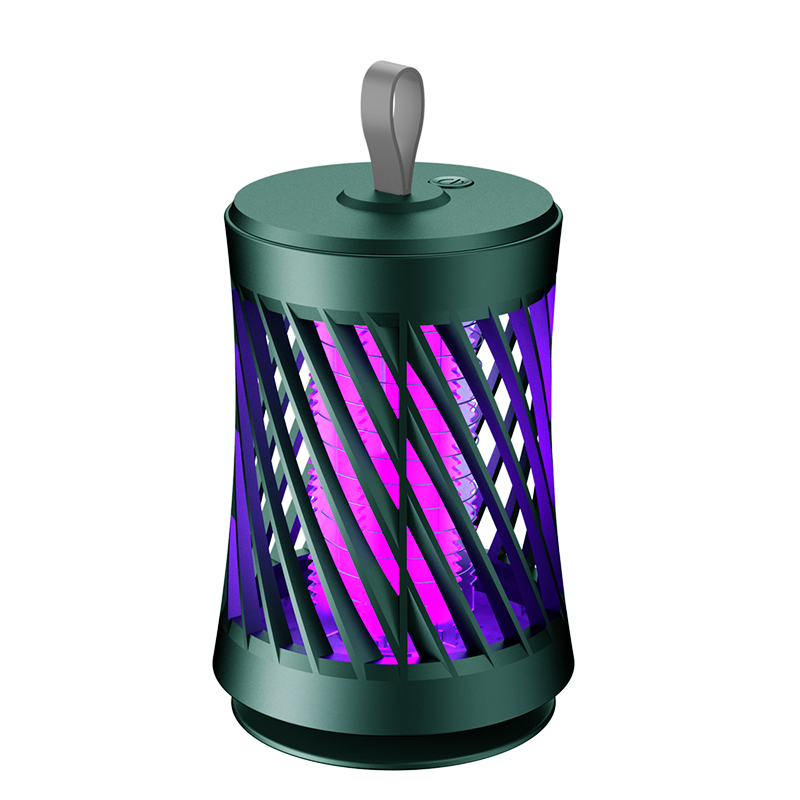
II. 5-Step Scientific Prevention Method (Reducing Risk by 90%)
"Prevention is better than treatment". Taking the following 5 measures can effectively resist mosquito-borne diseases:
-
Eliminate Stagnant Water: Reduce Mosquito Breeding from the Source
This is the most fundamental measure to prevent mosquitoes. Regularly check your home and surrounding environment every week: pour out stagnant water in flower pot saucers and plastic bottles; cover sewers and floor drains to prevent mosquitoes from laying eggs; for stagnant water that cannot be eliminated (such as in ponds and water vats), add larvicides (e.g., Bacillus thuringiensis) to kill wrigglers. -
Strengthen Personal Protection: Make It Hard for Mosquitoes to "Bite"
When engaging in outdoor activities: wear long-sleeved shirts and long pants, and choose light-colored clothing (mosquitoes are more sensitive to dark colors); apply mosquito repellents containing DEET (N,N-diethyl-meta-toluamide), picaridin, or IR3535 (ethyl butylacetylaminopropionate) on exposed skin. These ingredients are recommended by the WHO and have guaranteed safety and effectiveness (for infants and young children, picaridin with a concentration of no more than 10% is recommended); when sleeping at night, use mosquito nets (especially in rural areas or epidemic areas), and install screen windows and screen doors to prevent mosquitoes from entering the room. -
Get Vaccinated in a Timely Manner: Resist Risks Targetedly
At present, a variety of vaccines for mosquito-borne diseases have been approved: for example, the Japanese encephalitis vaccine (provided free of charge for children and included in the national immunization program), the malaria vaccine (mainly promoted in Africa and not yet widely available in China), and the dengue fever vaccine (only applicable to people who have been infected with dengue fever before, and vaccination requires evaluation by a doctor). Before traveling to an epidemic area, you can consult the disease control and prevention center to find out whether you need to get the relevant vaccine. -
Be Alert to Early Symptoms: Seek Medical Attention Promptly if These Signs Appear
If within 1-2 weeks after being bitten by a mosquito, you experience persistent high fever (exceeding 38.5℃), headache, muscle pain, rash, vomiting, gum bleeding, or other symptoms—especially if you have recently been to a high-incidence area for mosquito-borne diseases—you must seek medical attention promptly and proactively inform the doctor of your "mosquito bite history" and "travel history" to avoid delayed diagnosis. -
Community Collaboration: Jointly Create a Mosquito-Free Environment
Mosquito-borne disease prevention is not an individual matter; it requires the joint participation of communities and property management. Communities can regularly organize mosquito control campaigns to clean up stagnant water and garbage in public areas; property management can place mosquito traps and spray low-toxic mosquito control agents (choose products harmless to humans and pets) near green belts and garbage bins to reduce the mosquito population.
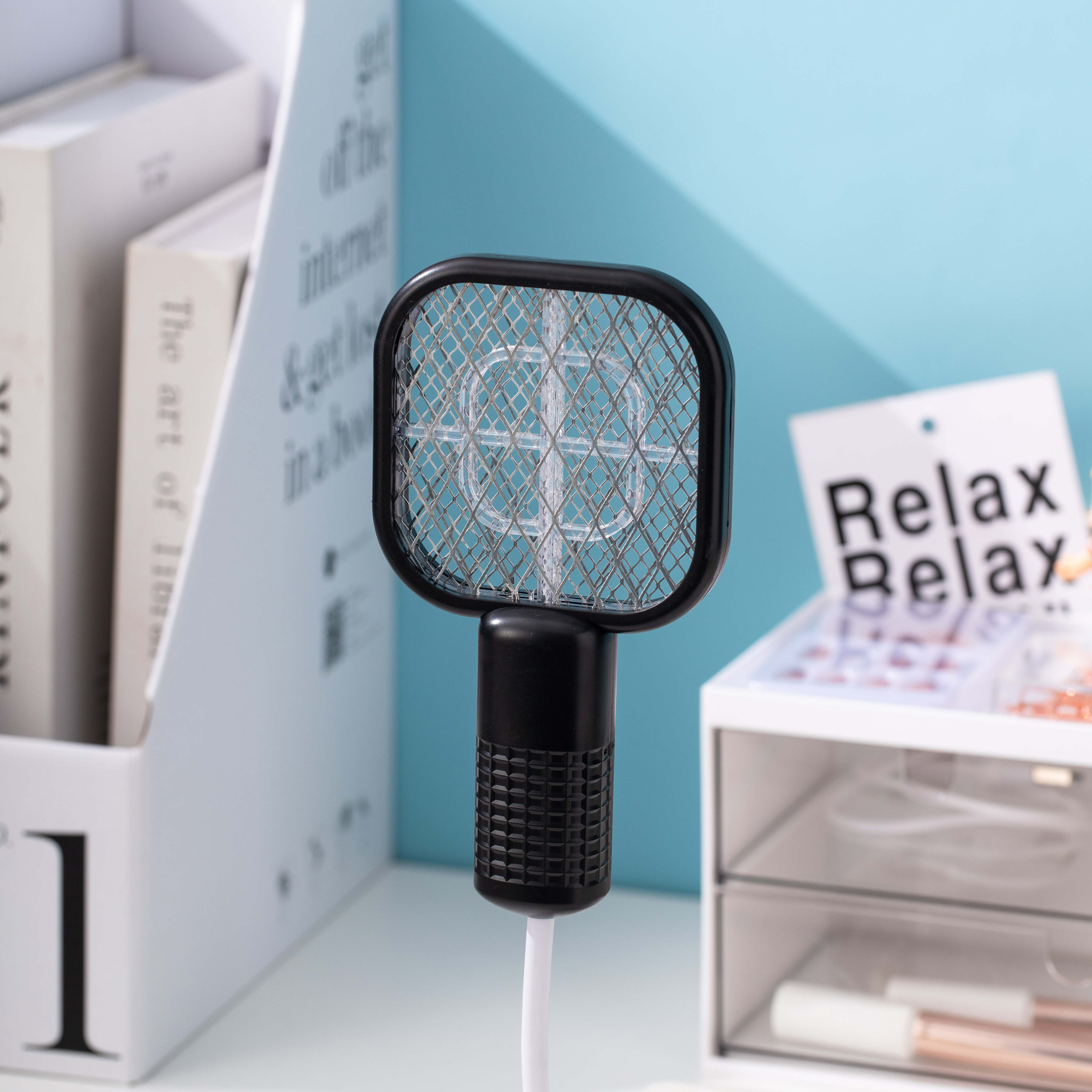
It is hoped that everyone will attach importance to the prevention of mosquito-borne diseases, take every preventive measure well, and enjoy a summer free from mosquito disturbances.
Mosquito Prevention Guide for Pet Families
Why Is It Forbidden to Use Mosquito Swatters and Any Sprays Simultaneously
Related Article

If you’re struggling with annoying mosquitoes, flies, and other flying pests indoors and outdoors, upgrading from traditional manual tools to anElectric Mosquito Swatter is the most efficient solution. Many homeowners and renters search where to buy fly swatter online to find durable, safe, and high-performance electric models that deliver instant pest control.
Where to Buy Fly Swatter
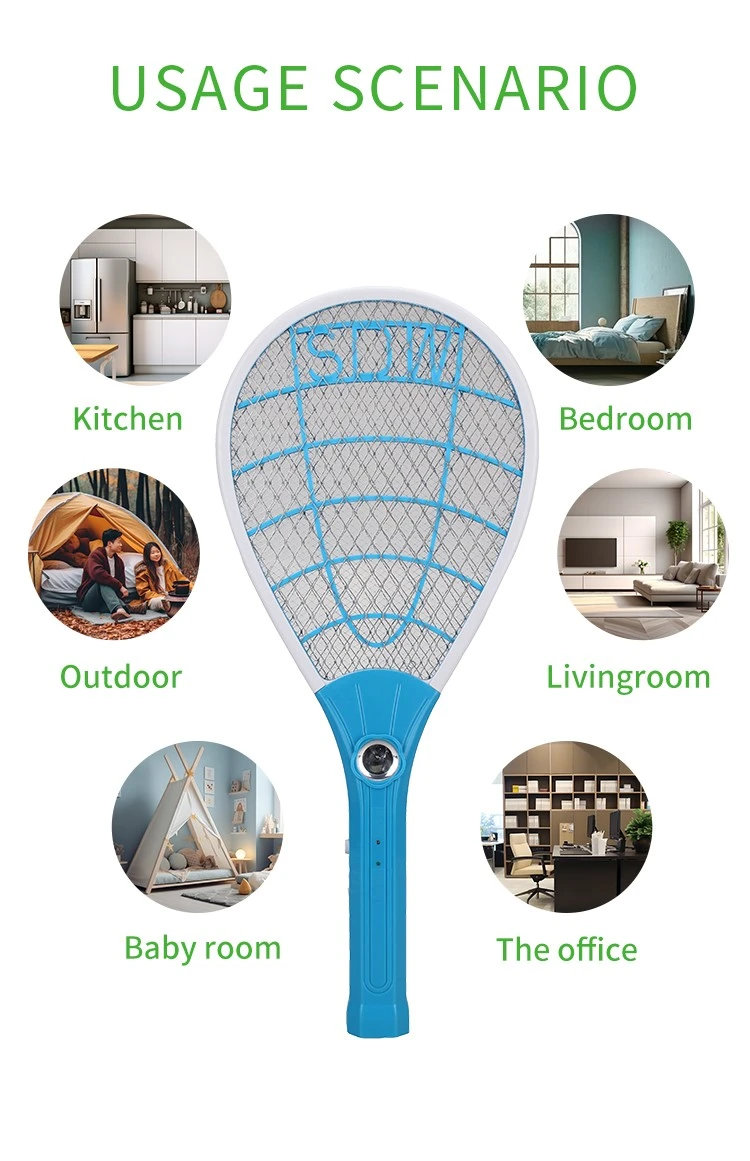
Most importers of electric mosquito swatters obsess over the first order: samples requested, factories vetted, a pre-shipment inspection booked. Then the reorder arrives eight months later and something is off. The grid feels softer. The charge port is a slightly different shade of black. The carton thickness dropped from 350 gsm to 300 gsm. Nothing is catastrophic — but the product no longer matches what your retail customers approved, and quietly, your return rate starts climbing.
How to Keep Mosquito Swatter Quality Consistent Across Repeat Orders
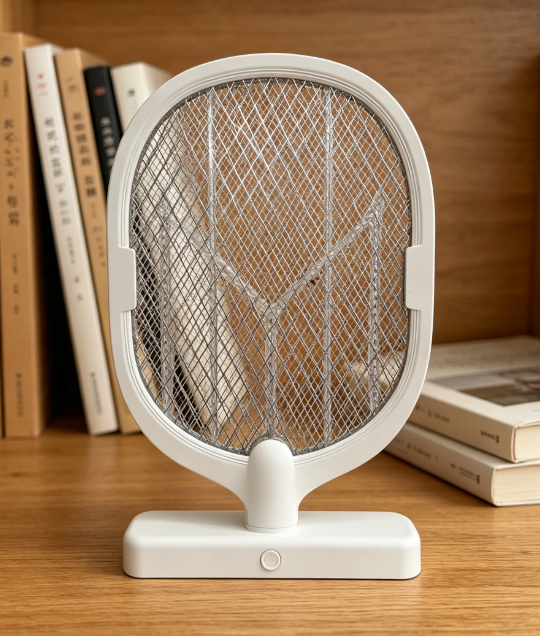
Warranty returns are the silent margin killer in the mosquito control category. A distributor who buys a swatter at $1.80 FOB and retails it at $9.90 can absorb a 1% return rate without noticing — but at 5%, the combined cost of replacement units, reverse logistics, and refund processing erases most of the line's profit.
Common mosquito swatter killer lamp failure modes wholesale spec guide

Digital bathroom scales rank as the second-highest-volume consumer weighing product category, only behind kitchen scales, with distinct market and product characteristics that set them apart from other scale types in importers’ product portfolios.
Digital bathroom body fat-bia-scale wholesale buyers guide