
Never Use Electric Mosquito Swatters with Insecticides Together
2025-10-31
Urgent Warning! Never Use Electric Mosquito Swatters with Insecticides Together—The Consequences Are More Dangerous Than You Think
Mosquito repellent is a necessary task for every household. Electric mosquito swatters have become a top choice for many people due to their high efficiency in killing mosquitoes and lack of chemical residues. Insecticides, on the other hand, can quickly repel large areas of mosquitoes. The combination of the two seems like a "golden duo" for mosquito control. But did you know? Using electric mosquito swatters and insecticides at the same time may cause explosions, fires, or even poisoning. These dangers are hidden in the operations you take for granted.
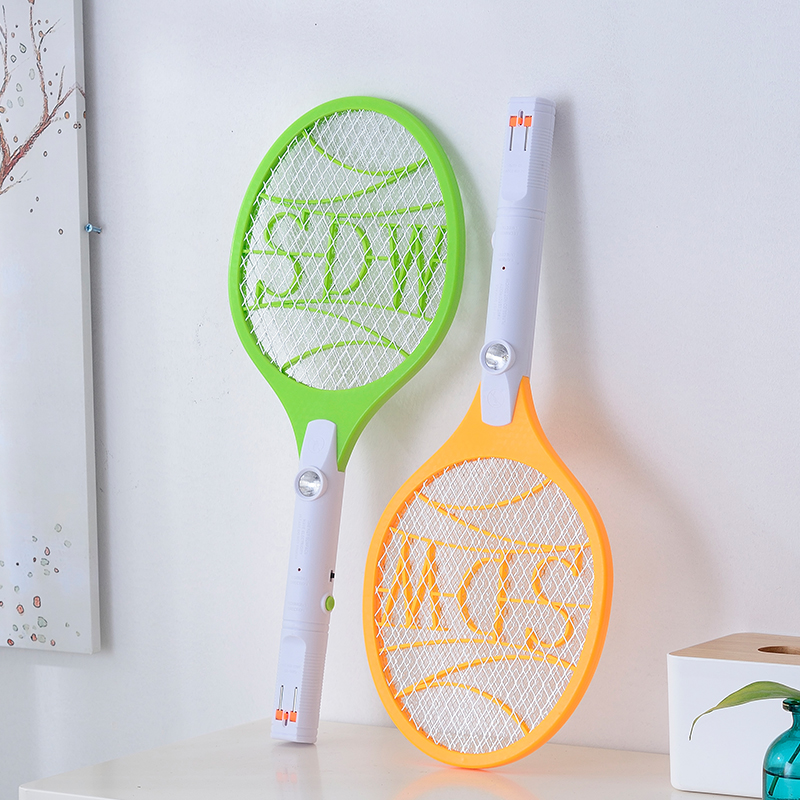
I. Why Can't They Be Used Together? The "Lethal Hazard" Lies in the Principle
To understand the danger, we first need to figure out the "characteristics" of electric mosquito swatters and insecticides:
- Working Principle of Electric Mosquito Swatters: Electric mosquito swatters generate high voltage (usually up to 2000-3000 volts) through internal circuits. When mosquitoes come into contact with the power grid, the high voltage instantly ionizes the air to form electric sparks, while releasing heat to kill the mosquitoes. During this process, open flames and high temperatures are continuously generated around the power grid.
- Hidden Risks of Insecticides: More than 90% of household insecticides on the market (including aerosols and sprays) are flammable and explosive substances. Their ingredients contain propellants such as propane and butane, as well as active ingredients like pyrethroids. These substances will quickly volatilize into flammable gases under the environment of high-voltage electric sparks or high temperatures. Once they reach a certain concentration, they will be ignited by the sparks of the electric mosquito swatter, causing violent combustion or even explosion.
What's more terrifying is that this danger is not a "probabilistic event". An experiment once simulated a home scenario: after spraying insecticide in a closed room, an electric mosquito swatter was used immediately. Open flames appeared at the power grid within 3 seconds, and the fire spread to the surrounding fabrics after 10 seconds, while toxic gases were released at the same time. If there were people in the house, they might be burned, or inhale toxic gases leading to dizziness, difficulty breathing, or even coma.
II. These "Wrong Combinations"—You May Be Making Them Every Day
In addition to "using the electric mosquito swatter while spraying insecticide", there are several other hidden wrong usages that also pose risks:
- Using the Electric Mosquito Swatter Immediately After Spraying Insecticide: Some people, in order to "completely eliminate mosquitoes", first spray the room full of insecticide and then wave the electric mosquito swatter without waiting for the smell to dissipate. At this time, the concentration of flammable gases in the air has reached a dangerous level.
- Spraying Insecticide Directly at the Electric Mosquito Swatter: When finding live mosquitoes stuck on the electric mosquito swatter, some people spray insecticide directly at the power grid in an attempt to "double kill" the mosquitoes. This behavior is equivalent to directly pushing flammable substances towards an open flame, which is very likely to cause an explosion and lead to hand burns.
- Using Them Together in a Closed Space: In closed environments such as bathrooms and small bedrooms, insecticide gases are difficult to diffuse, and their concentration will rise rapidly. Even the tiny sparks generated by the electric mosquito swatter may trigger danger.
III. Correct Mosquito Control Guide: Safety Is More Important Than "Efficiency"
If you want to repel mosquitoes safely and effectively, remember these 3 key steps:
- Use Them Separately with an Interval of At Least 30 Minutes: After using insecticide, immediately open the doors and windows for ventilation. Wait until the smell in the air completely dissipates (at least 30 minutes, and extend to 1 hour for closed spaces) before using the electric mosquito swatter. On the contrary, after using the electric mosquito swatter, you should also turn off the power first, then spray the insecticide and ventilate the room.
- Keep the Electric Mosquito Swatter Away from Flammable Substances When in Use: In addition to insecticides, when using the electric mosquito swatter, you should also keep it away from flammable items such as alcohol, toilet water, and mosquito-repellent liquid. At the same time, do not use it in the kitchen with oil fumes or near the gas stove that is in use.
- Choose Safer Mosquito Repellent Methods: If there are elderly people, children, or pets at home, prioritize physical mosquito repellent methods, such as installing screen windows, using mosquito traps (of the type without high-voltage sparks), and placing mosquito-repellent plants. If you must use insecticides, choose products with mild ingredients and low toxicity, and strictly follow the instructions.
IV. In Case of Danger, This Is the Most Critical Emergency Response
If sparks, smoke, or other dangerous situations occur accidentally, do not panic:
- Immediately turn off the power of the electric mosquito swatter and unplug it (if it is a rechargeable type);
- Quickly open the doors and windows for ventilation to let the flammable gases and toxic gases diffuse;
- If small flames appear, use a wet towel or a fire extinguisher (dry powder or carbon dioxide type) to put out the fire. Do not directly pour water on the live equipment;
- If someone inhales toxic gases or is burned, immediately move them to a safe area and call the 120 emergency number if necessary.
Mosquito control is originally to protect health, but incorrect operations can lead to dangers instead. Remember: Electric mosquito swatters and insecticides are never a "good pair". The awareness of safe use is the real "protective umbrella" for mosquito control. Share this with your family and friends around you to avoid this hidden safety hazard together!
Why Are Lithium-Ion Battery Mosquito Swatters of Better Quality
Is Mosquito Killer Lamp a Waste of Money
Related Article

If you’re struggling with annoying mosquitoes, flies, and other flying pests indoors and outdoors, upgrading from traditional manual tools to anElectric Mosquito Swatter is the most efficient solution. Many homeowners and renters search where to buy fly swatter online to find durable, safe, and high-performance electric models that deliver instant pest control.
Where to Buy Fly Swatter
Most importers of electric mosquito swatters obsess over the first order: samples requested, factories vetted, a pre-shipment inspection booked. Then the reorder arrives eight months later and something is off. The grid feels softer. The charge port is a slightly different shade of black. The carton thickness dropped from 350 gsm to 300 gsm. Nothing is catastrophic — but the product no longer matches what your retail customers approved, and quietly, your return rate starts climbing.
How to Keep Mosquito Swatter Quality Consistent Across Repeat Orders
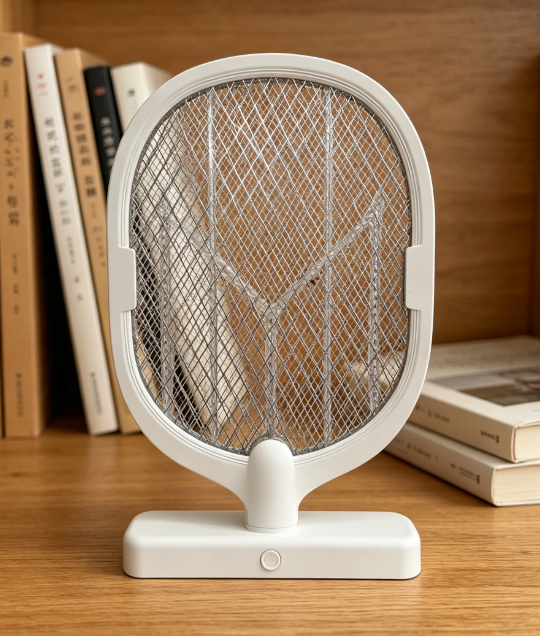
Warranty returns are the silent margin killer in the mosquito control category. A distributor who buys a swatter at $1.80 FOB and retails it at $9.90 can absorb a 1% return rate without noticing — but at 5%, the combined cost of replacement units, reverse logistics, and refund processing erases most of the line's profit.
Common mosquito swatter killer lamp failure modes wholesale spec guide

Digital bathroom scales rank as the second-highest-volume consumer weighing product category, only behind kitchen scales, with distinct market and product characteristics that set them apart from other scale types in importers’ product portfolios.
Digital bathroom body fat-bia-scale wholesale buyers guide