
No Mosquitoes in Winter
2026-01-17
Don’t Be Misled by "No Mosquitoes in Winter"! These Tips Keep You Safe Through the Cold Season
When it comes to mosquitoes, people always regard them as a summer-exclusive "nuisance" that fades away with the autumn wind. But the truth is, mosquitoes still lurk and cause trouble in winter. Especially in warm indoor spaces, the occasional mosquito not only disturbs sleep but may also carry germs and spread diseases. Today, we’ll break down the key logic of winter mosquito prevention and teach you how to eliminate mosquito disturbances from the source to spend the cold winter peacefully.
First, Understand: Why Do Mosquitoes Linger in Winter?
Mosquitoes don’t all die off when it gets cold; they survive the winter in various ways. Adult mosquitoes seek warm, hidden corners (such as wardrobe gaps, wall corners, and deep in sewers) to hibernate in a diapause state similar to "hibernation." They will wake up and become active when the indoor temperature stabilizes above 15°C. Meanwhile, mosquito eggs and larvae can resist low temperatures in stagnant water and humid environments, hatching and reproducing when conditions are favorable. That’s why mosquitoes occasionally appear indoors in winter, mostly concentrated in humid areas like bathrooms and kitchens.
Core Points: Focus on "3 Keys" for Winter Mosquito Prevention
Key 1: Cut Off the Source – Eliminate Stagnant Water to Eradicate Breeding Grounds
Whether in spring, summer, autumn, or winter, stagnant water is the core carrier for mosquito breeding, and winter is no exception. A small amount of stagnant water in hidden indoor areas is enough for mosquitoes to complete their life cycle from eggs to larvae. Therefore, the first step in mosquito prevention must be to "remove stagnant water." Focus on checking these areas: around bathroom floor drains, sink drains, mop buckets, balcony flower pot saucers, air conditioning condensate pans, and residual stagnant water in window gaps. For floor drains and drains, regularly flush with hot water and install deodorant and mosquito-proof drain cores to prevent mosquitoes from crawling out of the pipes. Empty water from flower pot saucers in a timely manner and pour out excess water immediately after watering to avoid long-term stagnation.
Key 2: Prevent Invasion – Build a Barrier to Block Mosquitoes from Entering Indoors
The temperature difference between indoor and outdoor is large in winter, and mosquitoes will actively seek warm indoor environments to inhabit. Therefore, it’s necessary to do a good job of "physical protection" to cut off invasion routes. First, check the tightness of doors and windows, repair gaps around window frames and under doors to prevent mosquitoes from sneaking in. Second, install fine screens on the windows of balconies, kitchens, and bathrooms to allow ventilation while blocking mosquitoes. When opening windows for ventilation at night, try to avoid dusk (the peak active time for mosquitoes) or close doors and windows in advance, using a combination of door curtains and screens for double protection. In addition, open and close the door quickly when entering or leaving the house to prevent mosquitoes from "sneaking in."
Key 3: Control the Environment – Adjust Humidity to Leave Mosquitoes "Nowhere to Hide"
Mosquitoes prefer humid environments. After indoor heating is turned on in winter, high humidity will not only wake up hibernating mosquitoes but also accelerate their activity frequency. Therefore, it’s important to reasonably control indoor humidity, with the optimal range being 40%-60%. Use dehumidifiers or air conditioning dehumidification modes to reduce humidity, and pay special attention to ventilating and drying bathrooms and kitchens. Open windows to exhaust air in a timely manner after bathing, and wipe off water stains on the floor and walls. Regularly wipe hidden corners such as wardrobes and wall corners with a dry cloth to avoid dampness and mold, reducing hiding places for hibernating mosquitoes.
Practical Tips: Winter Mosquito Repellent Pitfall Guide
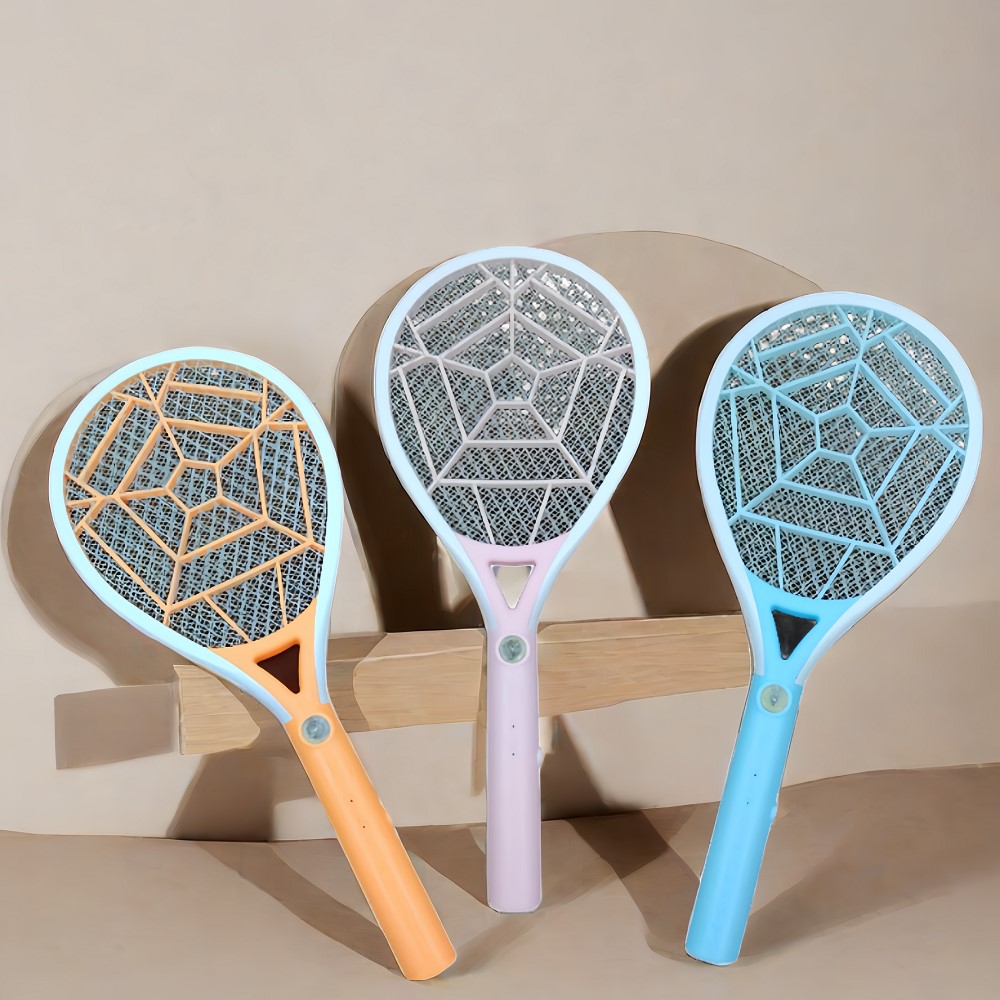
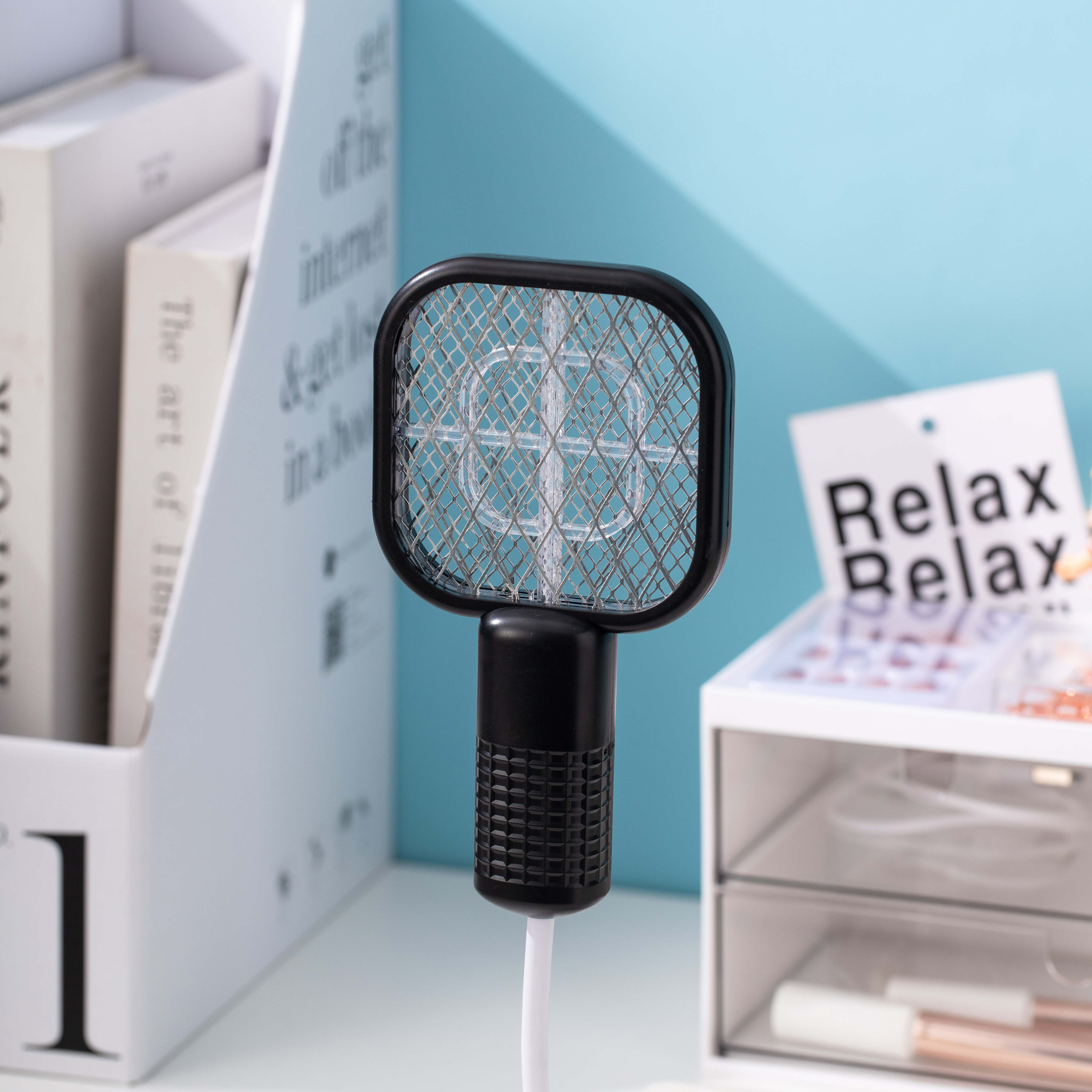
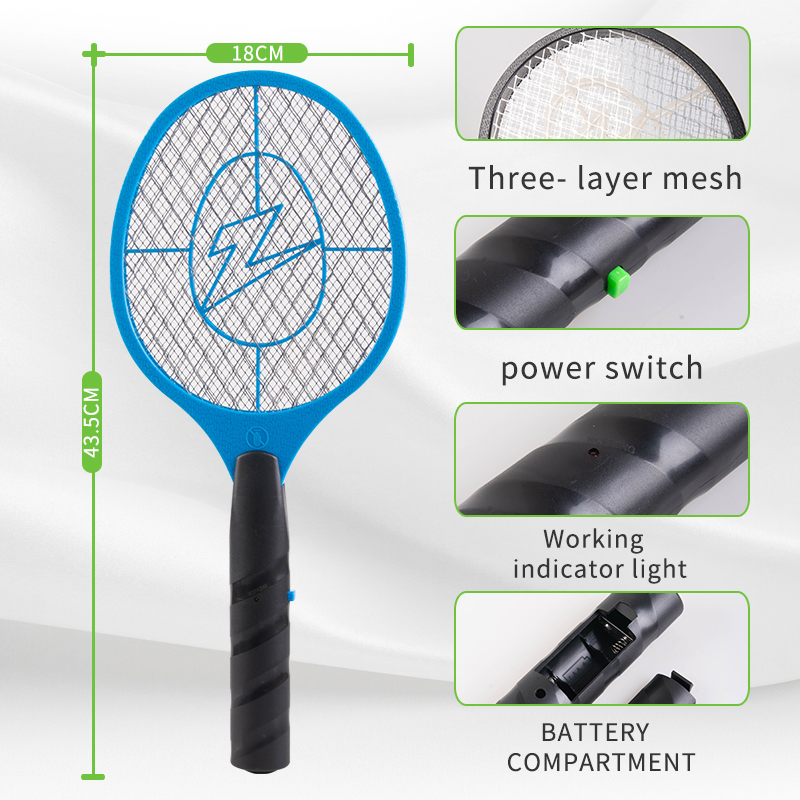
In addition to the core mosquito prevention points, it’s necessary to avoid misunderstandings and choose safe and effective methods for daily mosquito repellent. First, it’s not recommended to use chemical insecticides for a long time, especially in closed indoor spaces, as they can irritate the respiratory tract and are unfriendly to the elderly, children, and pets. If disinfection is needed, choose mild mosquito repellent sprays and open windows for ventilation immediately after spraying. Second, use physical mosquito control tools such as electric mosquito swatters and mosquito traps. Mosquito traps are recommended to be installed 1-2 meters above the ground, away from light interference, for better results at night. In addition, wear long-sleeved clothes and pants in daily life to reduce skin exposure, and use mosquito nets when sleeping, which can prevent mosquitoes safely without irritation.
The core of winter mosquito prevention is to "cut off the source, prevent invasion, and control the environment." As long as these three points are done well, mosquito disturbances can be effectively reduced. Don’t be misled by the inherent perception of "no mosquitoes in winter." Take precautions from the details to stay away from mosquito bites and sleep soundly in the cold winter.
How Long is the Production Cycle of an Electric Mosquito Swatter
A Guide to Purchasing Mosquito Traps for Hotels
Related Article

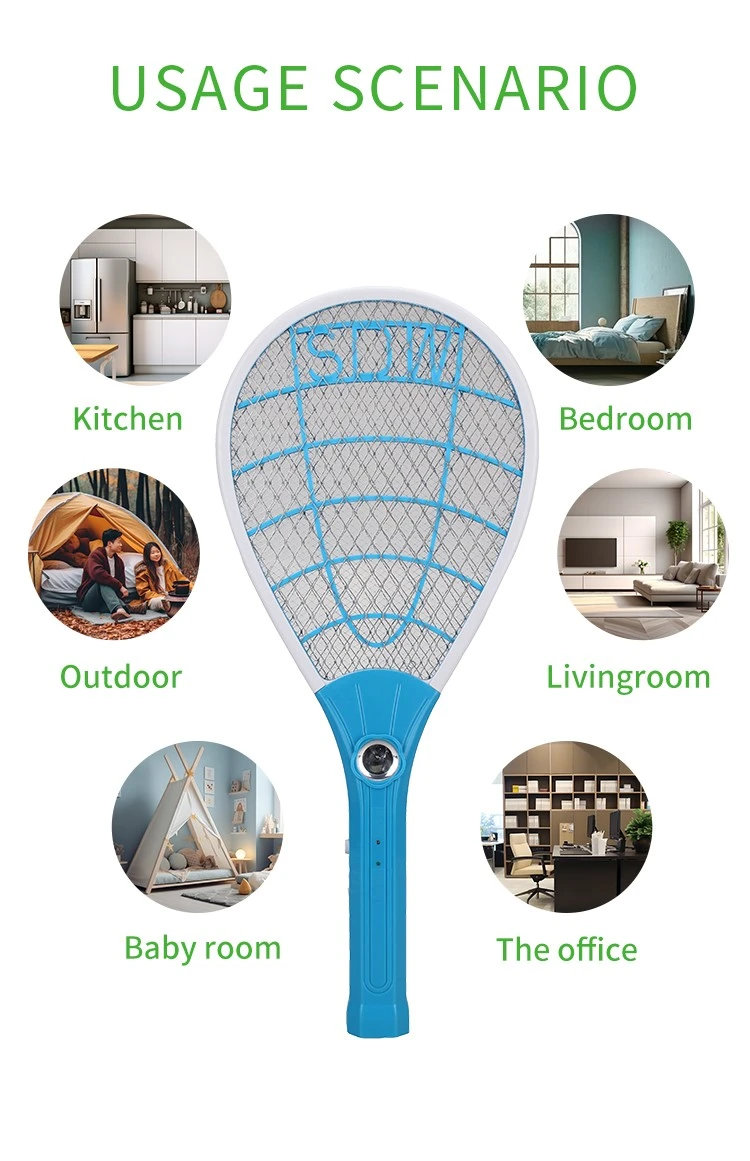
If you’re struggling with annoying mosquitoes, flies, and other flying pests indoors and outdoors, upgrading from traditional manual tools to anElectric Mosquito Swatter is the most efficient solution. Many homeowners and renters search where to buy fly swatter online to find durable, safe, and high-performance electric models that deliver instant pest control.
Where to Buy Fly Swatter
Most importers of electric mosquito swatters obsess over the first order: samples requested, factories vetted, a pre-shipment inspection booked. Then the reorder arrives eight months later and something is off. The grid feels softer. The charge port is a slightly different shade of black. The carton thickness dropped from 350 gsm to 300 gsm. Nothing is catastrophic — but the product no longer matches what your retail customers approved, and quietly, your return rate starts climbing.
How to Keep Mosquito Swatter Quality Consistent Across Repeat Orders
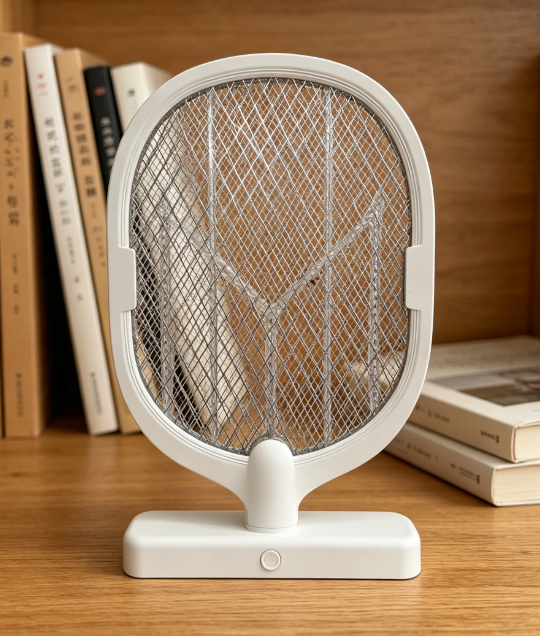
Warranty returns are the silent margin killer in the mosquito control category. A distributor who buys a swatter at $1.80 FOB and retails it at $9.90 can absorb a 1% return rate without noticing — but at 5%, the combined cost of replacement units, reverse logistics, and refund processing erases most of the line's profit.
Common mosquito swatter killer lamp failure modes wholesale spec guide

Digital bathroom scales rank as the second-highest-volume consumer weighing product category, only behind kitchen scales, with distinct market and product characteristics that set them apart from other scale types in importers’ product portfolios.
Digital bathroom body fat-bia-scale wholesale buyers guide