
Office Mosquito Control
2026-03-30
Office Mosquito Control: Discreet & Effective Solutions
Few things disrupt a productive workday like the buzz of a mosquito or the annoyance of itchy bites. Unlike residential spaces, offices require mosquito control solutions that are not only effective but also discreet—no unsightly traps, harsh chemicals, or loud devices that distract employees or clash with professional decor. The goal is to keep your workspace mosquito-free without compromising on aesthetics, safety, or workflow. In this blog, we’ll explore practical, low-profile strategies to tackle office mosquito problems, from prevention to targeted treatment.
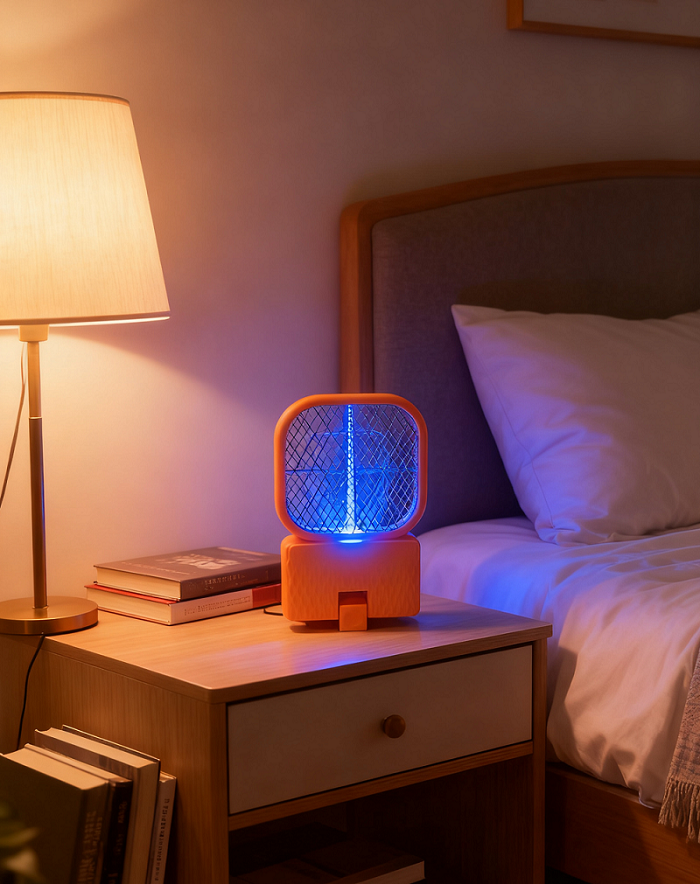
Why Mosquitoes Invade Offices (And Why It Matters)
Many people assume mosquitoes are only a problem outdoors, but offices are surprisingly vulnerable to infestations. Common entry points include open windows, gaps around doors, ventilation systems, or even employees bringing in mosquitoes on their clothing or bags. Stagnant water—often overlooked in office settings—is a major breeding ground: think potted plant saucers, water coolers with standing water, overflowing trash bins, or even small puddles near entryways after rain.
Beyond the annoyance of bites, office mosquitoes pose real risks. They can spread diseases like dengue, Zika, or West Nile virus, putting employee health at risk and potentially leading to absences. Additionally, constant mosquito activity can distract employees, reduce focus, and create a negative impression for clients or visitors. Discreet control isn’t just a preference—it’s a necessity for maintaining a professional, healthy workspace.
Discreet & Effective Mosquito Control Solutions for Offices
The key to office mosquito control is balancing effectiveness with subtlety. Below are proven solutions that blend seamlessly into office environments, without drawing attention or disrupting daily operations.
1. Low-Profile Mosquito Traps (No Eyesores Allowed)
Traditional mosquito traps are often bulky or unsightly, making them a poor fit for offices. Instead, opt for sleek, compact traps designed for indoor use. Look for models that match office decor—neutral colors like black, white, or gray—and are small enough to place on shelves, under desks, or near windows without standing out.
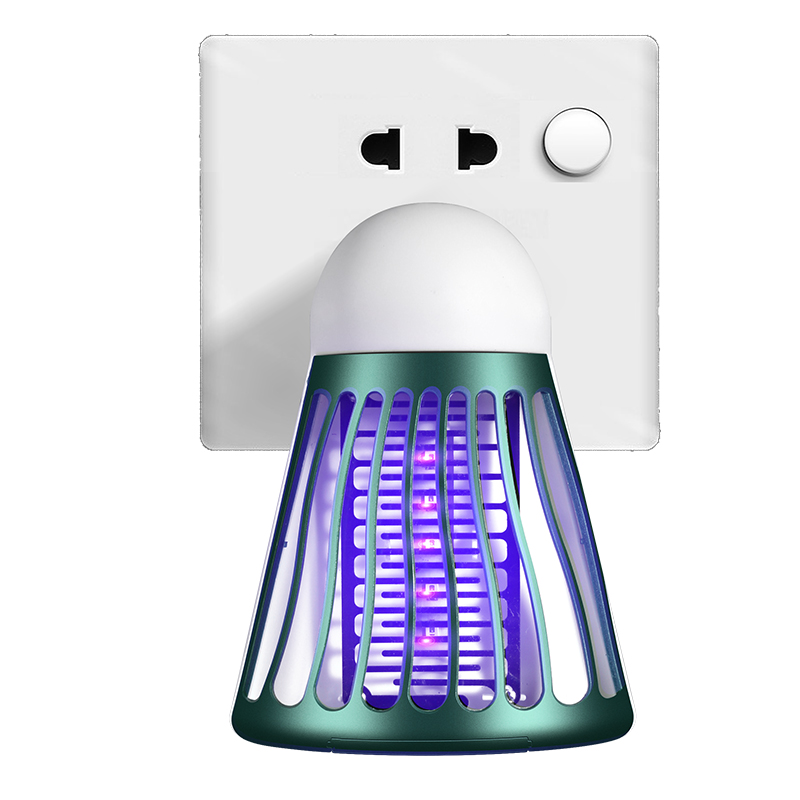
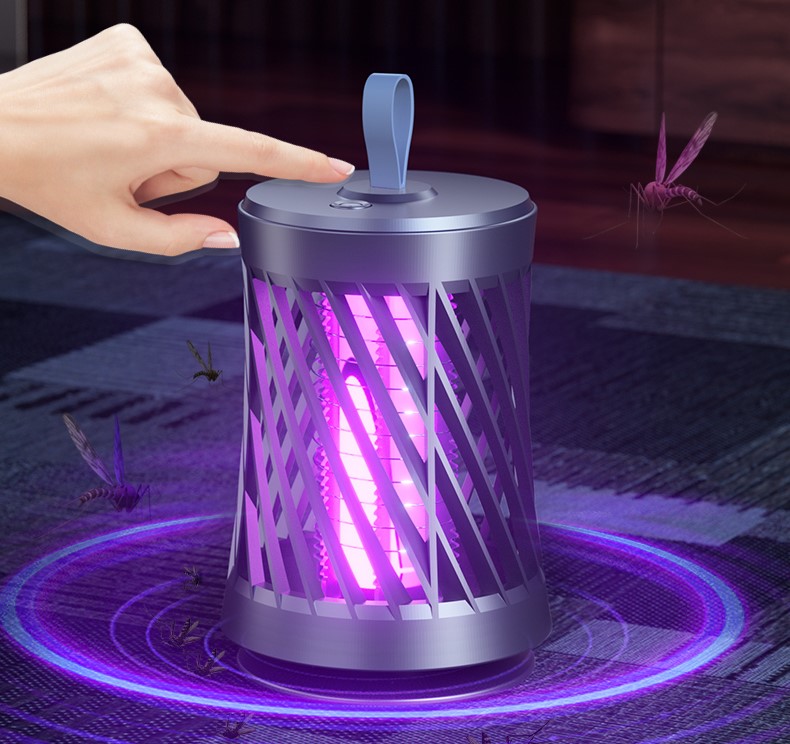
UV light traps are an excellent choice: they use subtle UV light to attract mosquitoes, then trap them without loud zapping sounds (many models have quiet fans instead). These traps are energy-efficient, easy to maintain, and can be placed in common areas like break rooms, lobbies, or conference rooms without distracting employees. Avoid traps with bright lights or garish designs—discretion is key.
2. Natural, Non-Invasive Repellents
Harsh chemical repellents are not ideal for offices, as they can cause irritation, strong odors, or allergic reactions. Instead, use natural repellents that are safe, subtle, and effective. Essential oil diffusers with citronella, lavender, peppermint, or eucalyptus can repel mosquitoes without overwhelming the office with scent. Place diffusers in low-traffic areas or near entry points to create a barrier.
Another option is plant-based repellent sprays (free of DEET) that employees can use on their skin if needed. These sprays are gentle, non-greasy, and won’t leave stains on clothing or office furniture. For a more passive approach, add mosquito-repelling plants to your office—like basil, mint, or lemongrass—placed near windows or in common areas. They add a touch of greenery while naturally deterring mosquitoes.
3. Preventive Measures: Stop Mosquitoes Before They Invade
The most discreet form of mosquito control is prevention—eliminating breeding grounds and blocking entry points so mosquitoes never get inside. Start by conducting a quick audit of your office:
• Empty and dry potted plant saucers regularly (stagnant water is a prime breeding spot). • Ensure water coolers are properly maintained, with no standing water in drip trays. • Seal gaps around windows, doors, and ventilation ducts with caulk or weatherstripping. • Keep windows and doors closed during peak mosquito hours (dawn and dusk), or install fine mesh screens if windows need to stay open. • Empty trash bins regularly, especially those that hold food or drinks, to avoid attracting mosquitoes.
These small, low-effort steps require no visible equipment and go a long way in keeping mosquitoes at bay.
4. Professional, Discreet Treatment (For Persistent Problems)
If your office is dealing with a persistent mosquito infestation, professional pest control is a discreet, effective option. Look for pest control companies that specialize in commercial spaces and offer low-profile treatments—avoid those that use loud equipment or leave behind unsightly residues.
Professional treatments often include targeted spraying of non-toxic, residual insecticides in hidden areas (like under desks, behind cabinets, or in ventilation systems) that mosquitoes frequent. Many companies also offer ongoing maintenance plans to prevent future infestations, with treatments scheduled after hours to avoid disrupting employees.
Lithium vs Lead-Acid Batteries
Why I Stick with This Electric Mosquito Swatter
Related Article

If you’re struggling with annoying mosquitoes, flies, and other flying pests indoors and outdoors, upgrading from traditional manual tools to anElectric Mosquito Swatter is the most efficient solution. Many homeowners and renters search where to buy fly swatter online to find durable, safe, and high-performance electric models that deliver instant pest control.
Where to Buy Fly Swatter
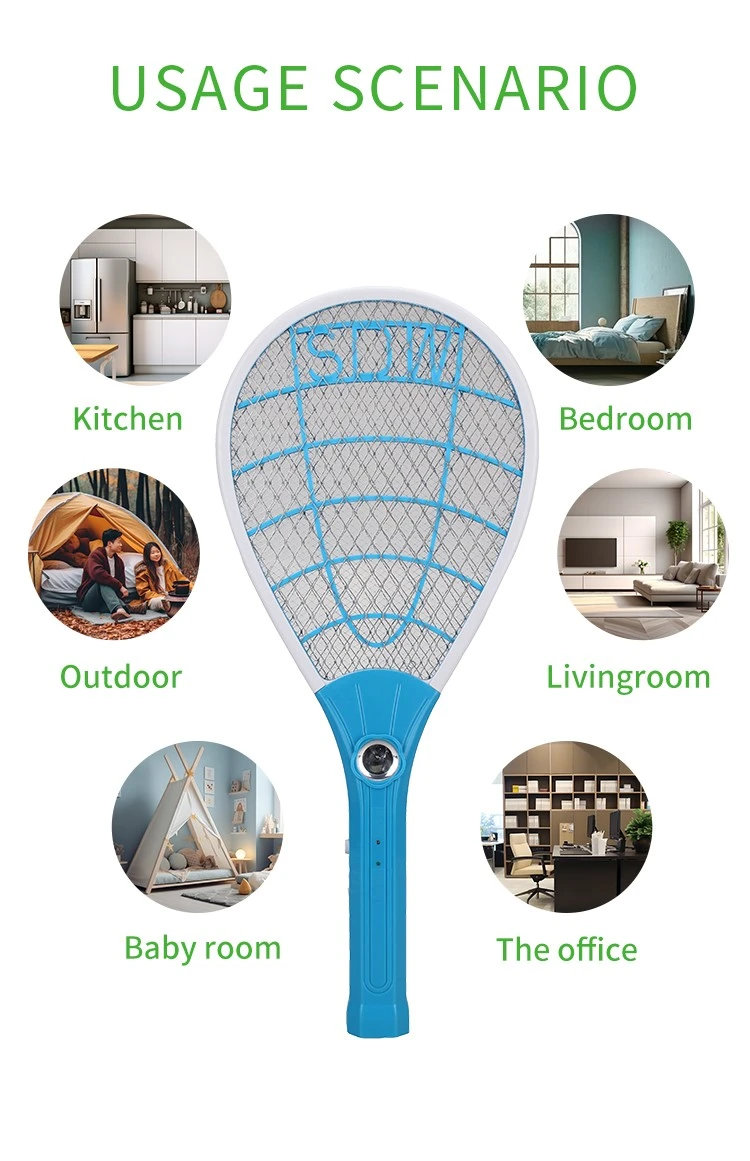
Most importers of electric mosquito swatters obsess over the first order: samples requested, factories vetted, a pre-shipment inspection booked. Then the reorder arrives eight months later and something is off. The grid feels softer. The charge port is a slightly different shade of black. The carton thickness dropped from 350 gsm to 300 gsm. Nothing is catastrophic — but the product no longer matches what your retail customers approved, and quietly, your return rate starts climbing.
How to Keep Mosquito Swatter Quality Consistent Across Repeat Orders
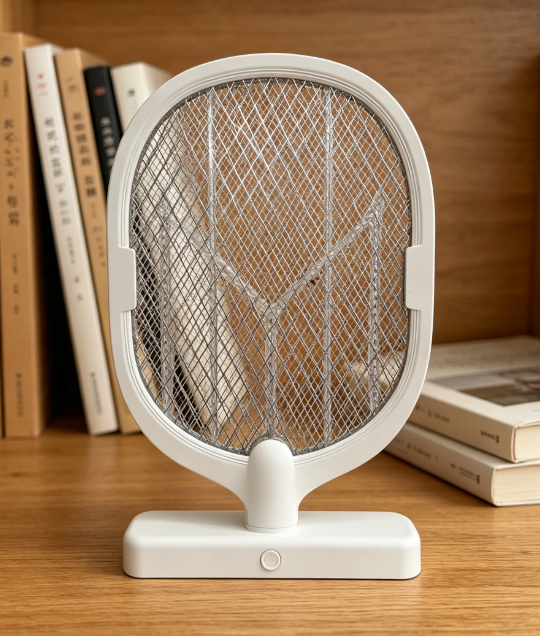
Warranty returns are the silent margin killer in the mosquito control category. A distributor who buys a swatter at $1.80 FOB and retails it at $9.90 can absorb a 1% return rate without noticing — but at 5%, the combined cost of replacement units, reverse logistics, and refund processing erases most of the line's profit.
Common mosquito swatter killer lamp failure modes wholesale spec guide

Digital bathroom scales rank as the second-highest-volume consumer weighing product category, only behind kitchen scales, with distinct market and product characteristics that set them apart from other scale types in importers’ product portfolios.
Digital bathroom body fat-bia-scale wholesale buyers guide