
Old Mosquito Swatter Transformation Guide
2025-11-18
Old Mosquito Swatter Transformation Guide: Don't Throw It Away! Give Unused Items a New Lease of Life
As summer ends, mosquito swatters at home are often left forgotten in corners. Some are damaged due to broken grids, while others have aged batteries—eventually, most are doomed to be thrown away. But did you know that old mosquito swatters hide many "treasures"? With a little modification, they can be transformed into practical gadgets, which is both eco-friendly and cost-saving. Today, we’ll share a detailed old mosquito swatter transformation guide to help you give unused items a new lease of life, step by step!
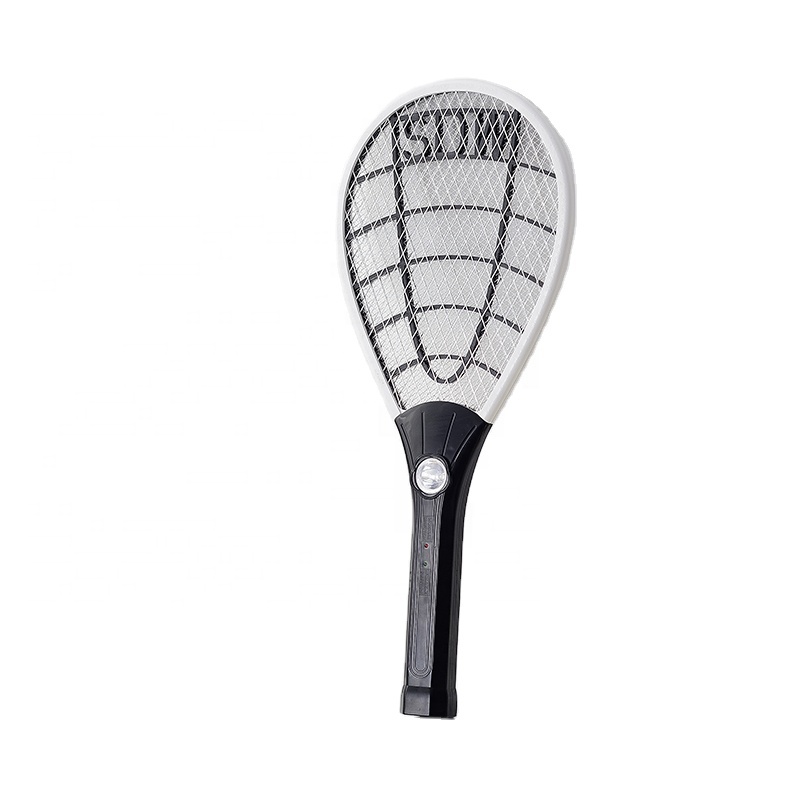
I. Pre-Transformation Must-Do: Disassembly and Core Component Selection
Before starting the transformation, you need to disassemble the old mosquito swatter and select reusable core components. This step is the foundation of a successful transformation—don’t skip it!
- Safety First: Power Off and Discharge
First, ensure the mosquito swatter is disconnected from power (for rechargeable models, unplug the charger and make sure the battery is fully drained). Then, use insulated tweezers to short-circuit the two ends of the grid to release residual charge, preventing electric shock during disassembly.
- Preparation of Disassembly Tools
Prepare a Phillips screwdriver, needle-nose pliers, insulating tape, and a multimeter (optional, for testing component functionality). If circuit modification is needed later, also prepare a soldering iron and solder wire.
- Selection of Core Components
After disassembly, focus on retaining these 3 key components:
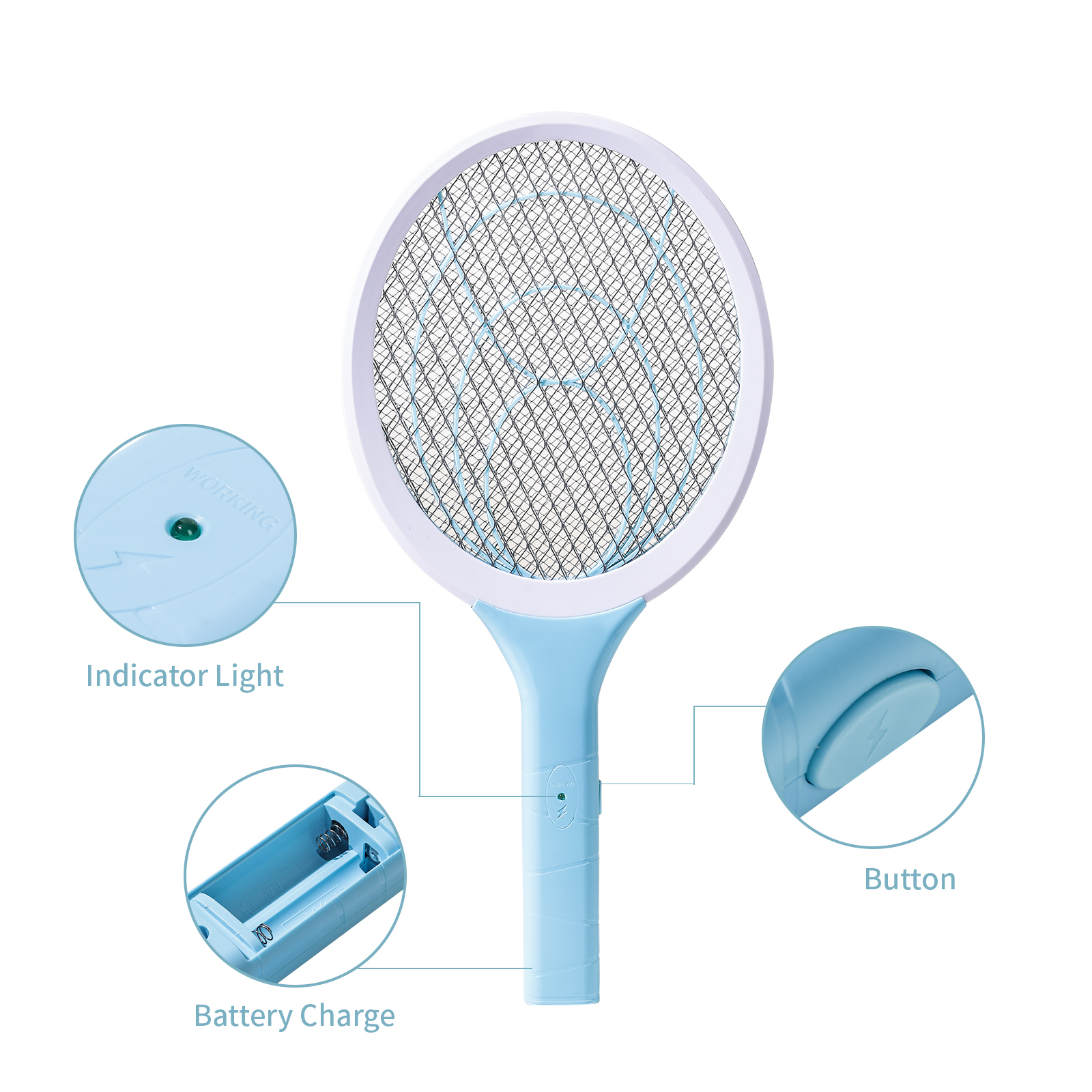
- High-Voltage Generator: The "heart" of the mosquito swatter, which converts low voltage to high voltage and serves as the core power source for subsequent transformations;
- Lithium Battery/Dry Battery Compartment: If the battery is aged, replace it with a new one for continued use— the battery compartment casing can also be reused;
- Housing and Switch: An intact plastic housing can be transformed into a storage box or small desk lamp base, while the switch can be used for circuit control in new devices.
As for the damaged grid, if the metal mesh is intact, cut it into pieces to use as wires or small part holders; only discard it if it’s completely unusable.
II. 3 Practical Transformation Directions, Easy for Beginners
Once the components are selected, you can choose a transformation direction based on your needs. The following 3 plans range from easy to advanced—beginners are advised to start with the first one.
Direction 1: Mini High-Voltage Insect Repellent (Suitable for Outdoors/Balconies)
In summer, balconies and flower pots are prone to aphids and small black flies. Using chemical insecticides is not eco-friendly and may harm plants. However, the high-voltage generator of an old mosquito swatter can be transformed into a physical insect repellent— mild electric shocks can repel pests without harming plants.
Transformation Steps:
- Retain the high-voltage generator and battery (if the battery is aged, replace it with a new one of the same model, such as an 18650 lithium battery). Remove the original grid and use insulated wires to lead out the high-voltage output terminals;
- Find a small plastic container (e.g., a yogurt lid or small medicine box). Drill two small holes in the lid, pass the high-voltage wires through the holes, and connect the ends to two 1-2 cm long thin copper wires respectively (keep the copper wires 5-8 mm apart to avoid short circuits);
- Fix the high-voltage generator and battery inside the plastic container, extend the switch to the outside of the container, and seal the gaps with insulating tape after closing the lid;
- When in use, place the repellent next to flower pots and turn on the switch. A high-voltage electric field will form between the copper wires, and pests approaching will be repelled by electric shocks. Turn it on once every 2-3 hours, and it can last for 3-5 days on a single charge.
Direction 2: Emergency Small Desk Lamp (Suitable for Power Outages/Camping)
The battery and housing of an old mosquito swatter can also be transformed into a portable emergency desk lamp, which is especially useful during power outages or as a night light for camping. It has sufficient brightness and long battery life.
Transformation Steps:
- Remove the grid and high-voltage generator of the mosquito swatter, retaining only the battery (or replace it with a new one), switch, and housing;
- Prepare a low-power LED bulb (with voltage matching the battery, e.g., a 3V LED for a 3.7V lithium battery) and a small circuit board (optional, for stabilizing current);
- Drill a small hole at the top of the mosquito swatter housing. Connect the positive pole of the LED bulb to the switch via a wire, and directly connect the negative pole to the negative pole of the battery. If you’re worried about excessive current, connect a 100Ω resistor in series in the circuit;
- Pass the LED bulb through the small hole in the housing, fix it with hot melt adhesive, organize the battery and wires inside the housing, and close the housing to use. To add a soft light effect, you can cover the bulb with a transparent plastic bottle cap.
This desk lamp has a brightness of approximately 10-15 lumens and can last for 8-10 hours on a single charge, fully meeting emergency needs.
Direction 3: Creative USB Power Bank (Advanced Transformation, Basic Circuit Knowledge Required)
If your old mosquito swatter is rechargeable and has a decent battery capacity (e.g., over 2000mAh), you can try transforming it into a mini USB power bank for emergency charging of small devices like mobile phones and earphones.
Transformation Steps:
- Remove the high-voltage generator and grid, take out the built-in lithium battery, and use a multimeter to test the battery capacity (if the capacity is less than 50% of the original, it’s recommended to replace it with a new battery);
- Purchase a USB boost module (online price is approximately 5-10 yuan, supporting 3.7V to 5V output). Connect the positive and negative poles of the lithium battery to the input terminals of the boost module respectively—be careful not to reverse the positive and negative poles;
- Drill a hole in the mosquito swatter housing that matches the size of a USB port. Pass the USB output terminal of the boost module through the hole and fix the module and battery with hot melt adhesive;
- Retain the original charging port (if it’s intact) or replace it with a new Micro-USB/Type-C charging port, and connect it to the battery for charging the power bank;
- Finally, wrap the circuit part with insulating tape and close the housing—your mini power bank is ready. A 2000mAh battery can charge a mobile phone about 0.5 times, which is sufficient for emergencies.
III. Transformation Notes: Safety and Detail Control
- Circuit Safety: When working with high-voltage components (e.g., the insect repellent), ensure proper insulation to prevent bare wires from touching the skin; when transforming a power bank or desk lamp, confirm that the battery voltage matches the components to avoid short circuits and burnout;
- Tool Usage: When soldering with a soldering iron, be careful to avoid scalds and check if the solder joints are firm after soldering; when drilling holes, select a drill bit of the appropriate size to prevent the housing from cracking;
- Waste Utilization: For plastic scraps and old wires generated during transformation that cannot be reused, dispose of them in the correct trash category to avoid environmental pollution;
- Difficulty Adaptation: Beginners should prioritize simple transformations like the insect repellent or desk lamp. For projects involving boost modules (e.g., the power bank), it’s recommended to learn basic circuit knowledge first before starting.
Conclusion: Unused Items Are Not "Waste", But Undiscovered Resources
Transforming an old mosquito swatter is not only a DIY project but also a practice of "eco-friendly living". A seemingly useless unused item can become a practical tool to solve real problems with a little effort. Beyond the directions mentioned in this article, you can also try transforming it into a small insect trap, battery level tester, etc.
If you have an old mosquito swatter at home, try following this guide to transform it—you might be pleasantly surprised! If you encounter problems during the transformation or have better ideas, feel free to share and communicate in the comment section~
What Is the Best Mosquito Control Lamp
UV lamps can really kill bedbugs
Related Article

If you’re struggling with annoying mosquitoes, flies, and other flying pests indoors and outdoors, upgrading from traditional manual tools to anElectric Mosquito Swatter is the most efficient solution. Many homeowners and renters search where to buy fly swatter online to find durable, safe, and high-performance electric models that deliver instant pest control.
Where to Buy Fly Swatter
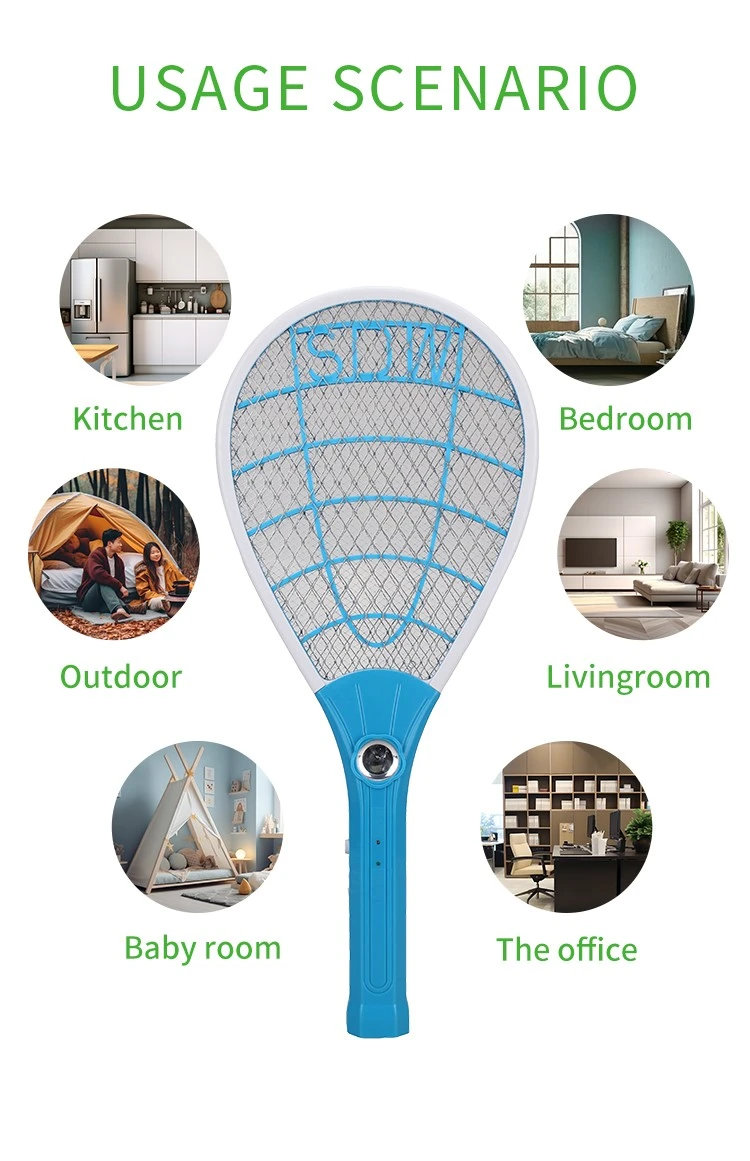
Most importers of electric mosquito swatters obsess over the first order: samples requested, factories vetted, a pre-shipment inspection booked. Then the reorder arrives eight months later and something is off. The grid feels softer. The charge port is a slightly different shade of black. The carton thickness dropped from 350 gsm to 300 gsm. Nothing is catastrophic — but the product no longer matches what your retail customers approved, and quietly, your return rate starts climbing.
How to Keep Mosquito Swatter Quality Consistent Across Repeat Orders
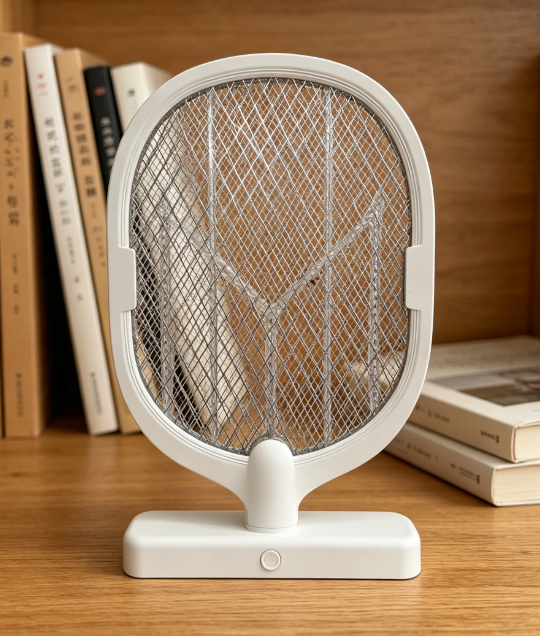
Warranty returns are the silent margin killer in the mosquito control category. A distributor who buys a swatter at $1.80 FOB and retails it at $9.90 can absorb a 1% return rate without noticing — but at 5%, the combined cost of replacement units, reverse logistics, and refund processing erases most of the line's profit.
Common mosquito swatter killer lamp failure modes wholesale spec guide

Digital bathroom scales rank as the second-highest-volume consumer weighing product category, only behind kitchen scales, with distinct market and product characteristics that set them apart from other scale types in importers’ product portfolios.
Digital bathroom body fat-bia-scale wholesale buyers guide