
Overheating and Fire Risks of Mosquito Lamps Left On Long-Term
2025-11-25
Overheating and Fire Risks of Mosquito Lamps Left On Long-Term: Facts and Prevention
When deciding whether to leave a mosquito lamp on continuously, "overheating and fire hazards" are the most worrying safety concerns. In fact, as long as you choose the right product and use it properly, these risks can be controlled to an extremely low level. Below is a detailed breakdown from scientific principles to practical advice:
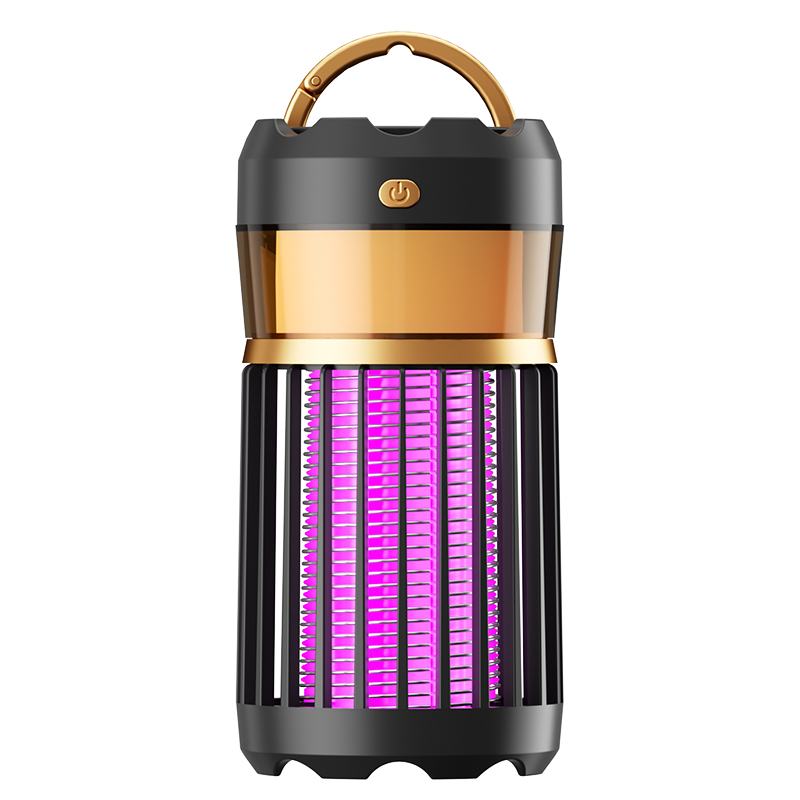
I. Long-Term Use Does Cause Heating, But Normal Heating ≠ Danger
It is normal for mosquito lamps to generate heat when continuously powered on, but the heat generation of regular, qualified products is strictly controlled:
- Power determines basic heat output: As mentioned earlier, household mosquito lamps have a power range of only 5-15 watts, equivalent to a small night light. Even when running continuously for 24 hours, their heat output is far lower than that of high-power appliances such as electric heaters and ovens, and they will not reach "scalding" high temperatures.
- Built-in heat dissipation design for protection: Products that meet safety standards (such as those certified to UL1559) include specialized heat dissipation features—ventilation holes on the outer shell, internal component layouts that prevent heat accumulation, and some high-end models even control the temperature of their heat-generating components (which simulate human body temperature) to only 34-37°C, classified as "body-temperature-level heat".
- Abnormal heating covered by tests: Regular products must pass "abnormal heating tests", simulating extreme scenarios such as fan stalling and minor circuit malfunctions to ensure no hazards arise from local overheating.
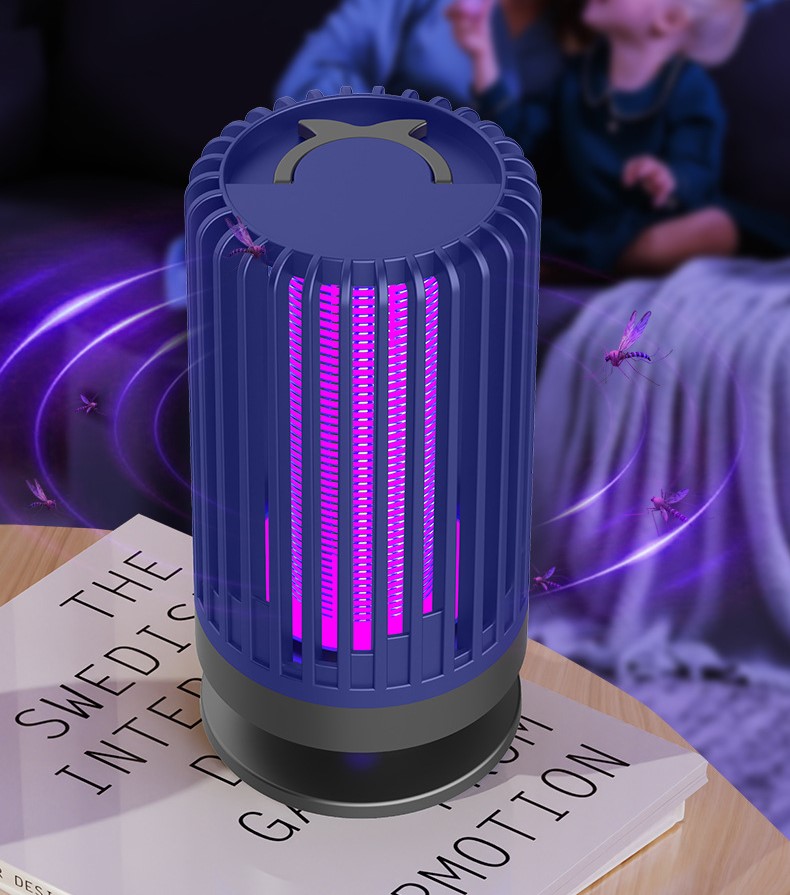
II. Fire Risks Mostly Come from "Improper Use", Not "Long-Term Operation"
Nearly all publicly reported fire cases related to mosquito lamps are linked to product quality issues or incorrect usage, rather than normal long-term operation:
- Low-quality products are the main source of hazards: Cheap products without 3C certification may use plastic shells with insufficient flame retardant ratings (failing to meet the UL94 V-0 standard) and cut-corner wiring designs. Long-term use can easily lead to insulation aging and short circuits, producing electric sparks.
- Incorrect use amplifies risks: Placing the mosquito lamp close to flammable materials such as curtains and paper, or spraying insecticide (containing flammable propellants) nearby, can cause fires even with short-term use— insecticide can instantly ignite when it comes into contact with electric sparks from the high-voltage grid.
- Failure to replace aging equipment: Mosquito lamps beyond their service life experience degraded component performance, which may lead to heat dissipation failure and unstable current, increasing the risk of fire.
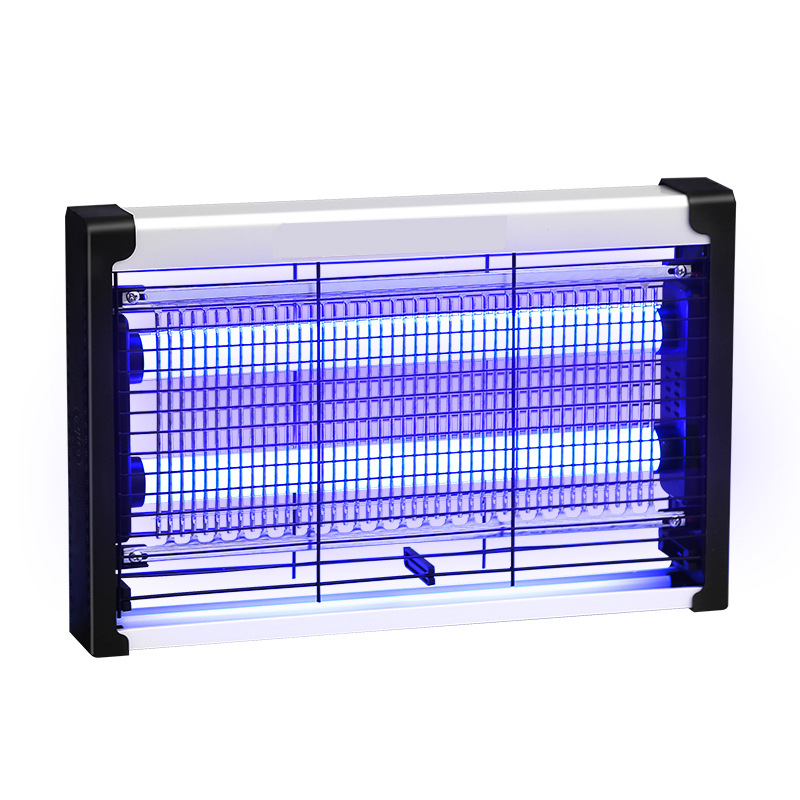
III. 3 Key Measures for Safer Long-Term Operation
- Choosing the right product is the prerequisite: Prioritize models with 3C (domestic) or UL1559 (international) certification. Check the instruction manual for features such as "flame-retardant shell" and "overheat protection", and avoid "three-no products" (no brand, no certification, no production date) with excessively low prices.
- Placement to avoid risks: Keep the lamp at least 0.5 meters away from flammable materials like curtains, clothes, and cardboard boxes. Keep it away from humid environments such as humidifiers and sinks, and avoid direct sunlight that may cause local temperature rise.
- Regular inspections to reduce hazards: Conduct checks during weekly cleaning—feel the outer shell for abnormal local overheating (normal should be "slightly warm"), inspect the power cord for damage, clean up mosquito carcass accumulation in high-voltage grid models (to avoid short circuits), and replace the adhesive paper in sticky trap models in a timely manner (to maintain smooth heat dissipation).
Conclusion: No Need to Throw the Baby Out with the Bathwater—The Key Lies in "Compliance + Standardization"
Regular mosquito lamps are designed with 24-hour operation safety in mind; their heating is a "controllable normal phenomenon", and fire risks mostly stem from human negligence. If you use a qualified product, place it safely, and maintain it regularly, there is no need to worry excessively about leaving it on for a long time (e.g., when no one is at home). However, for old or low-quality products, it is recommended to shorten their usage time and be sure to turn them off before going to bed.
Hot-Selling Products with Urgent Stock
Why Mosquitoes Survive Every Summer
Related Article

If you’re struggling with annoying mosquitoes, flies, and other flying pests indoors and outdoors, upgrading from traditional manual tools to anElectric Mosquito Swatter is the most efficient solution. Many homeowners and renters search where to buy fly swatter online to find durable, safe, and high-performance electric models that deliver instant pest control.
Where to Buy Fly Swatter
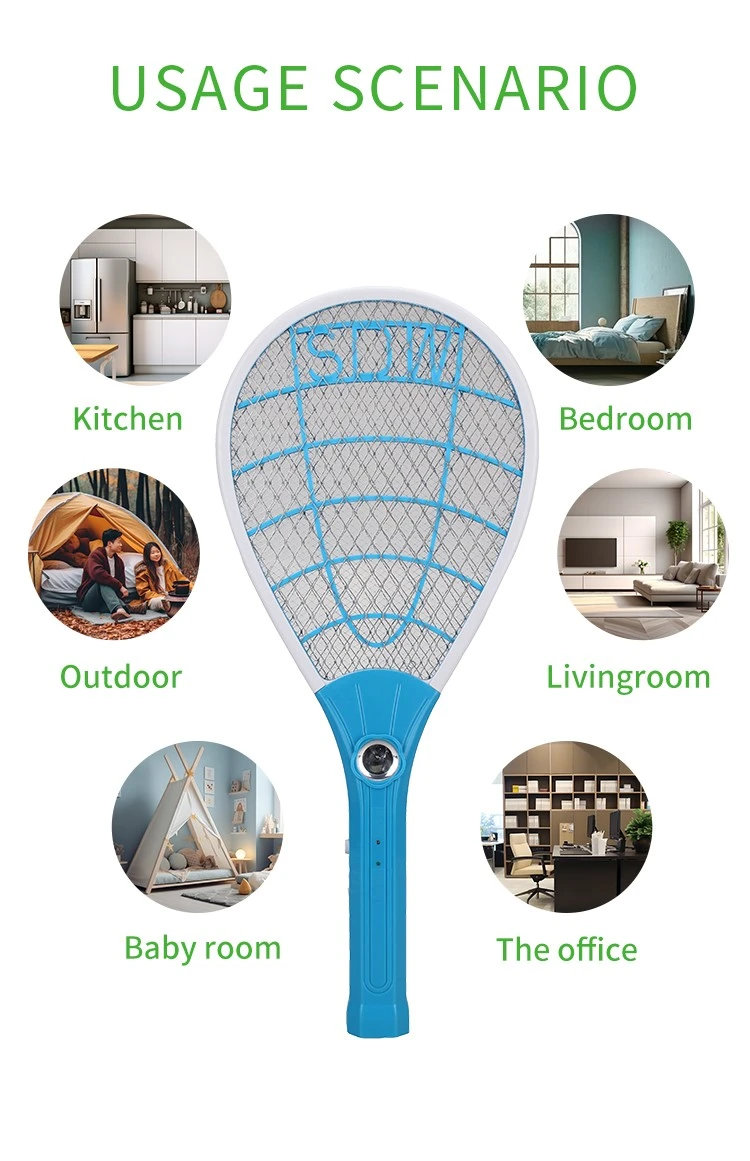
Most importers of electric mosquito swatters obsess over the first order: samples requested, factories vetted, a pre-shipment inspection booked. Then the reorder arrives eight months later and something is off. The grid feels softer. The charge port is a slightly different shade of black. The carton thickness dropped from 350 gsm to 300 gsm. Nothing is catastrophic — but the product no longer matches what your retail customers approved, and quietly, your return rate starts climbing.
How to Keep Mosquito Swatter Quality Consistent Across Repeat Orders
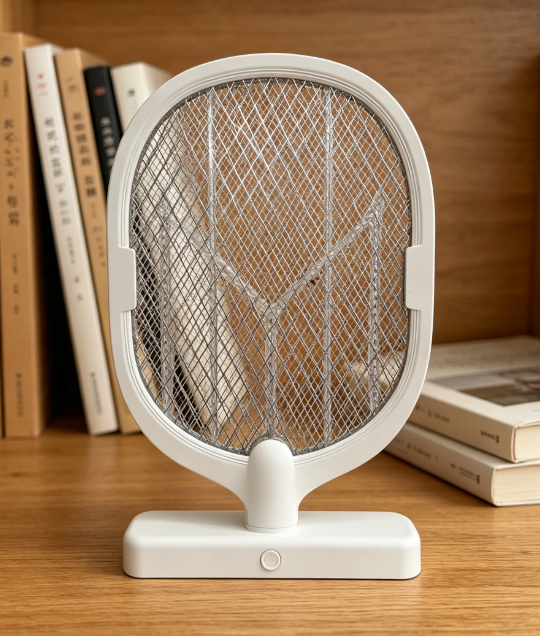
Warranty returns are the silent margin killer in the mosquito control category. A distributor who buys a swatter at $1.80 FOB and retails it at $9.90 can absorb a 1% return rate without noticing — but at 5%, the combined cost of replacement units, reverse logistics, and refund processing erases most of the line's profit.
Common mosquito swatter killer lamp failure modes wholesale spec guide

Digital bathroom scales rank as the second-highest-volume consumer weighing product category, only behind kitchen scales, with distinct market and product characteristics that set them apart from other scale types in importers’ product portfolios.
Digital bathroom body fat-bia-scale wholesale buyers guide