
Principle Differences Between Different Types of Mosquito Killer Lamps
2025-09-25
Understand in One Article! Principle Differences Between Different Types of Mosquito Killer Lamps
When the mosquito season hits, mosquito killer lamps become a "mosquito-proof tool" for many households. However, there are various types of mosquito killer lamps on the market: some kill mosquitoes by "electric shock", some capture them by "suction", and others trap them by "adhesion". The underlying principles behind these lamps vary significantly. Today, we will break down three common types of mosquito killer lamps to help you understand their core differences and choose the right product for yourself.
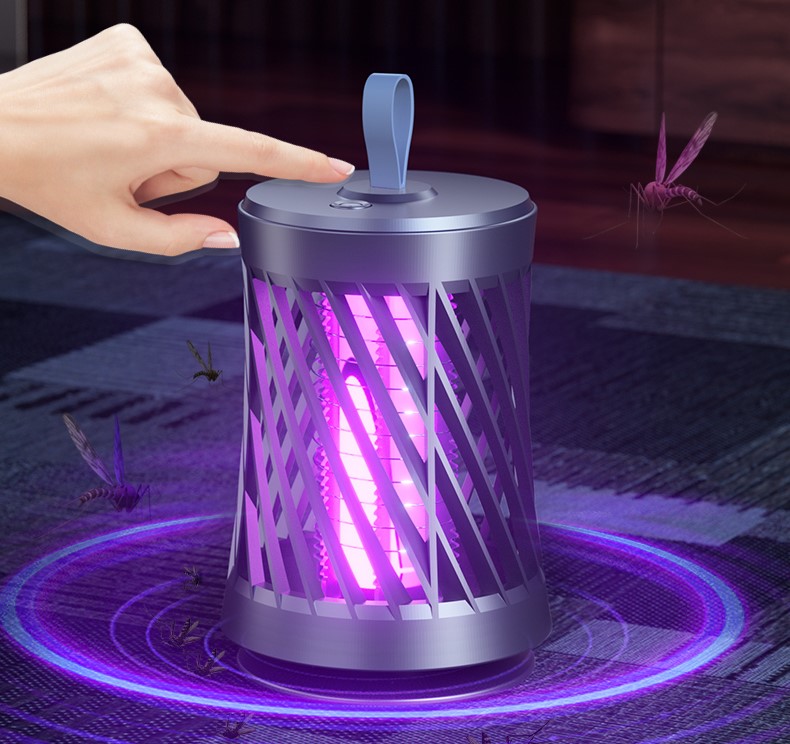
1. UV Mosquito Killer Lamps: The Traditional Type with "Light Attraction + Electric Shock"
UV mosquito killer lamps are the most classic type. The "power grid models" commonly seen in supermarkets and restaurants mostly fall into this category. Their core principle is "light attraction + high-voltage electric shock", which achieves mosquito elimination in two steps:
The first step is "mosquito attraction". These lamps are equipped with a tube that emits ultraviolet (UV) light with a wavelength of 365-380nm — this wavelength appears dim to the human eye but has a strong attraction to mosquitoes. Mosquitoes have compound eyes sensitive to UV light, which they mistake for "fellow mosquitoes' flight signals" or "nectar-reflected light", prompting them to fly actively towards the light source.
The second step is "mosquito elimination". Around the UV tube, there is a layer or multiple sets of metal power grids, with both ends of the grids connected to a high-voltage power supply (usually with a voltage of 800-1500V). When mosquitoes fly towards the UV light and touch the power grid, their bodies are instantly pierced by the high voltage, forming a current path. Eventually, they are killed by the electric shock, and some may even be accompanied by a slight "crackling" sound.
It should be noted that the "electric shock" process of such lamps may cause mosquito body fragments to splash. If there are people with allergies or pets at home, the power grid needs to be cleaned regularly to prevent the spread of fragments.
2. Suction-Type Mosquito Killer Lamps: The Quiet Type with "Light Attraction + Negative Pressure"
Suction-type mosquito killer lamps are the popular "quiet models" in recent years, especially suitable for scenarios sensitive to noise such as bedrooms and baby rooms. Their core principle is "light attraction + negative pressure suction", without an electric shock link, making them gentler:
First, their "mosquito attraction" logic is similar to that of UV mosquito killer lamps, which also use a 365-380nm UV tube to attract mosquitoes. The difference lies in that there is no high-voltage power grid around the tube; instead, an "annular air inlet" is designed, and a quiet fan is installed inside the air inlet.
When mosquitoes are attracted by the UV light and fly near the air inlet, the fan rotates at high speed to form a "negative pressure zone" — just like a small vacuum cleaner, generating continuous suction to directly suck the mosquitoes into the "mosquito collection box" inside the lamp. After entering the collection box, mosquitoes will die naturally due to lack of oxygen, dryness, or being trapped by the built-in anti-escape structure, without the problem of splashing body fragments.
The key factors of such mosquito killer lamps are "suction strength" and "fan noise": high-quality products have a sufficiently high fan speed to suck in small-sized mosquitoes, while controlling the noise below 30 decibels so that it does not affect sleep.
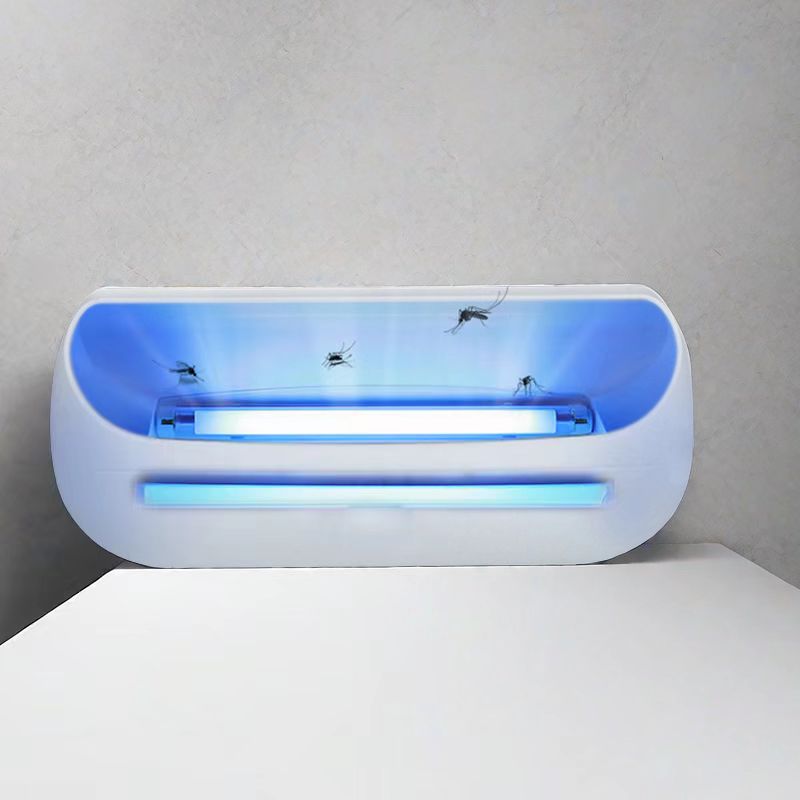
3. Sticky Mosquito Killer Lamps: The Noiseless Type with "Light Attraction + Adhesion"
Sticky mosquito killer lamps are representative of "zero noise and zero pollution", suitable for scenarios completely sensitive to sound and electric current (such as laboratories and infant rooms). Their principle is the simplest: "light attraction + adhesive fixation", without using electricity or fans at all:
Their core components are "UV tubes + sticky mosquito boards": the tubes emit UV light to attract mosquitoes, and under or around the tubes, a piece of cardboard (sticky mosquito board) coated with high-viscosity environmentally friendly adhesive is placed. When mosquitoes are attracted by the light and land on the sticky board, they will be firmly stuck by the adhesive and unable to break free, eventually dying of hunger or dehydration.
The advantage of this type of mosquito killer lamp is "complete noiselessness" — no fan noise or electric shock risk. For cleaning, you only need to replace the sticky mosquito board directly, which is very convenient. However, its disadvantage is "limited mosquito-attracting range" — without the assistance of suction, it can only rely on mosquitoes to land actively. Therefore, it is more suitable for small spaces (such as bedrooms of 10-15 square meters) and requires regular replacement of the sticky board to prevent the adhesive from losing its effectiveness.
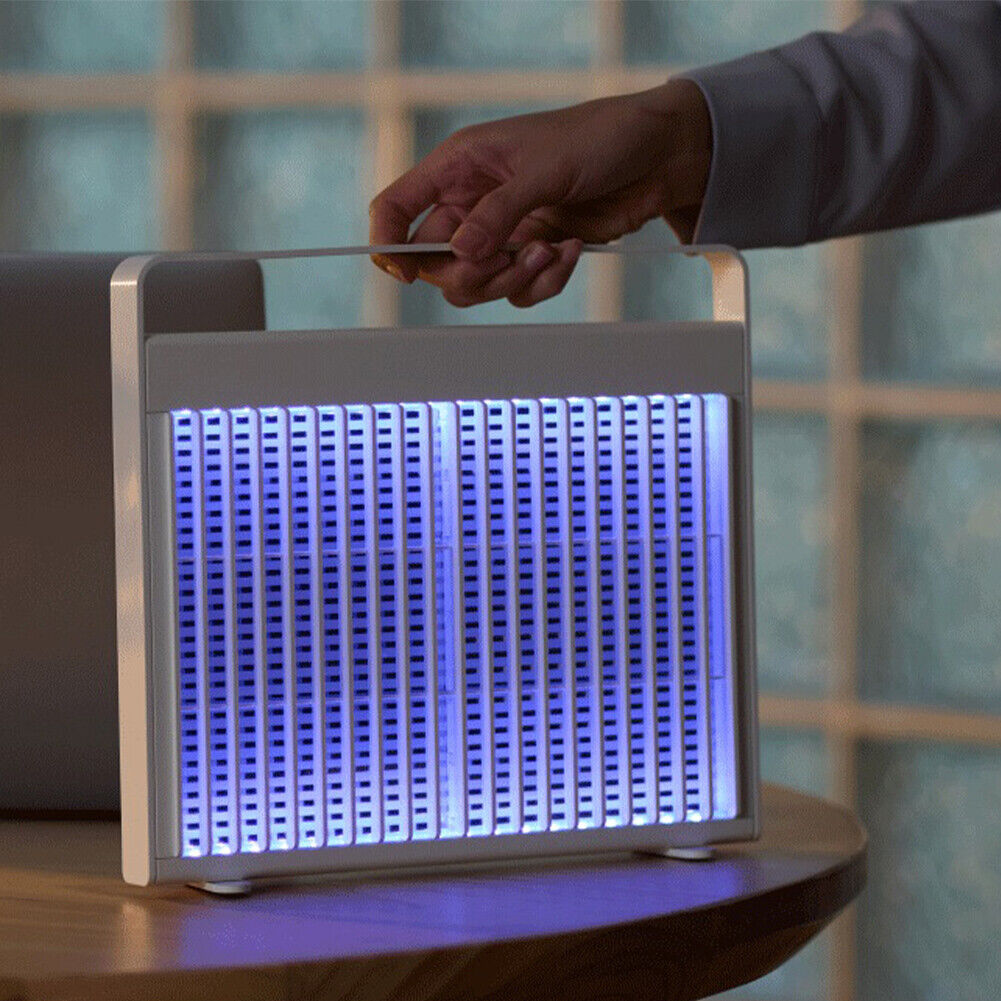
Comparison of Core Principle Differences Among the Three Types of Mosquito Killer Lamps
To help you distinguish the differences more intuitively, I have compiled a table of core differences:
|
Type
|
Core Principle
|
Key Components
|
Advantages
|
Disadvantages
|
Suitable Scenarios
|
|
UV Type
|
Light Attraction + High-Voltage Shock
|
UV Tube, High-Voltage Grid
|
Fast Mosquito Killing, Wide Range
|
With Shock Sound, Easy Splash of Body Fragments
|
Living Room, Balcony, Dining Room
|
|
Suction Type
|
Light Attraction + Negative Pressure Suction
|
UV Tube, Quiet Fan
|
Quiet, No Splash of Body Fragments
|
Relies on Suction, Needs to Clean Mosquito Collection Box
|
Bedroom, Baby Room
|
|
Sticky Type
|
Light Attraction + Adhesive Fixation
|
UV Tube, Sticky Mosquito Board
|
Zero Noise, Zero Risk
|
Limited Range, Need Regular Replacement of Sticky Board
|
Small Bedroom, Laboratory, Study
|
In fact, there is no "best mosquito killer lamp", only the "most suitable one" — by choosing based on the size of your home space, whether there are elderly people or children, and your acceptance of noise, while referring to the principle differences, you can truly achieve effective mosquito prevention. Next time you choose a mosquito killer lamp, you won't be confused by "function gimmicks" anymore!
Keep This Mosquito Prevention Guide Handy After the Typhoon
Talk about Solar Flashlight
Related Article

If you’re struggling with annoying mosquitoes, flies, and other flying pests indoors and outdoors, upgrading from traditional manual tools to anElectric Mosquito Swatter is the most efficient solution. Many homeowners and renters search where to buy fly swatter online to find durable, safe, and high-performance electric models that deliver instant pest control.
Where to Buy Fly Swatter

Most importers of electric mosquito swatters obsess over the first order: samples requested, factories vetted, a pre-shipment inspection booked. Then the reorder arrives eight months later and something is off. The grid feels softer. The charge port is a slightly different shade of black. The carton thickness dropped from 350 gsm to 300 gsm. Nothing is catastrophic — but the product no longer matches what your retail customers approved, and quietly, your return rate starts climbing.
How to Keep Mosquito Swatter Quality Consistent Across Repeat Orders

Warranty returns are the silent margin killer in the mosquito control category. A distributor who buys a swatter at $1.80 FOB and retails it at $9.90 can absorb a 1% return rate without noticing — but at 5%, the combined cost of replacement units, reverse logistics, and refund processing erases most of the line's profit.
Common mosquito swatter killer lamp failure modes wholesale spec guide

Digital bathroom scales rank as the second-highest-volume consumer weighing product category, only behind kitchen scales, with distinct market and product characteristics that set them apart from other scale types in importers’ product portfolios.
Digital bathroom body fat-bia-scale wholesale buyers guide