
Proper recycling channels for old electric mosquito swatters
2025-11-30
1. First, Understand: The "Classification ID" of Old Electric Fly Swatters
Many people mistakenly classify old electric fly swatters as "residual waste," but they actually have "dual attributes": the main body of the fly swatter (plastic frame, metal grid, circuit components) is recyclable, while its built-in battery needs to be disassembled and disposed of separately — alkaline mercury-free batteries fall into residual waste, and lithium batteries, nickel-cadmium batteries, etc., are hazardous waste. Random disposal not only wastes recyclable resources like plastic and copper but also allows harmful substances in batteries to seep into the soil and pollute the environment.
2. 3 Types of Formal Recycling Channels — Accessible Near Your Home
1. Offline Community Recycling: The Basic "15-Minute Recycling Circle"
- Smart Recycling Cabinets: Most urban communities and commercial complexes have installed electronic waste recycling cabinets. After disassembling the battery, put the main body of the fly swatter into the "recyclables" slot, and dispose of the battery in the corresponding classification bin based on its type. Some cabinets support scanning a QR code to check recycling progress, such as the "Aifenlei Aihuishou (Love Classification, Love Recycling)" smart cabinets in Yangpu District, Shanghai.
- Regular Centralized Recycling: Communities usually cooperate with property management to hold "Green Weekend" recycling activities every month. Keep an eye on community notices — you can drop off small home appliances including electric fly swatters at one time during these events.
- Regional Transfer Stations: If there are no recycling points in your community, look up the address of the local renewable resource transfer station. Such stations generally accept small home appliances like electric fly swatters.
- Waste Recycling Stations: Similar to cardboard boxes and plastic shells, fly swatters with recycling value can be directly sold to waste recycling stations.
2. Online Platform Recycling: The Lazy "One-Click Door-to-Door" Option
- Comprehensive Recycling Platforms: Some platforms have included electric fly swatters in their recycling categories. After filling in the item information on the official website or APP, you can choose door-to-door recycling, store drop-off, or delivery to self-service recycling machines, with the recycling fee settled on the spot.
- Government Convenience Channels: The "Urban Waste" section on the government service website of some cities integrates recycling resources. You can make an online appointment to connect with formal recycling staff.
3. Pitfall Avoidance Guide: Never Do These 2 Things!
❌ Throw directly into the trash can: Battery leakage will pollute other waste, and the main materials cannot be recycled.
❌ Sell to itinerant vendors: Informal channels mostly use crude disassembly, which easily causes heavy metal pollution, and the resource recovery rate is less than 30%.
4. Where Do They Go After Recycling? The "Wonderful Journey" of Resource Recycling
Old electric fly swatters collected through formal channels first go through disassembly at sorting centers: plastic casings are crushed to make new plastic parts, metal grids are processed to extract copper and aluminum, rare earths are extracted from circuit components, and batteries are sent to professional institutions for harmless treatment. The resource recycling rate can reach over 85% — this is the value of "urban mines"!
Conclusion: Behind the small electric fly swatter lies a big story of circular economy. Next time you need to dispose of an old electric fly swatter, try the above channels and help turn waste into treasure!
Can Electric Fly Swatters Get Rid of Aphids on Plants
Core Selection Logic for Dormitory Mosquito Killer Lamps
Related Article

If you’re struggling with annoying mosquitoes, flies, and other flying pests indoors and outdoors, upgrading from traditional manual tools to anElectric Mosquito Swatter is the most efficient solution. Many homeowners and renters search where to buy fly swatter online to find durable, safe, and high-performance electric models that deliver instant pest control.
Where to Buy Fly Swatter
Most importers of electric mosquito swatters obsess over the first order: samples requested, factories vetted, a pre-shipment inspection booked. Then the reorder arrives eight months later and something is off. The grid feels softer. The charge port is a slightly different shade of black. The carton thickness dropped from 350 gsm to 300 gsm. Nothing is catastrophic — but the product no longer matches what your retail customers approved, and quietly, your return rate starts climbing.
How to Keep Mosquito Swatter Quality Consistent Across Repeat Orders
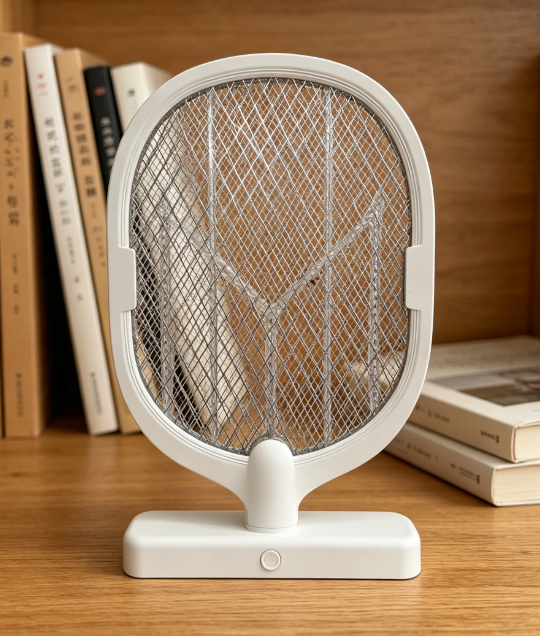
Warranty returns are the silent margin killer in the mosquito control category. A distributor who buys a swatter at $1.80 FOB and retails it at $9.90 can absorb a 1% return rate without noticing — but at 5%, the combined cost of replacement units, reverse logistics, and refund processing erases most of the line's profit.
Common mosquito swatter killer lamp failure modes wholesale spec guide

Digital bathroom scales rank as the second-highest-volume consumer weighing product category, only behind kitchen scales, with distinct market and product characteristics that set them apart from other scale types in importers’ product portfolios.
Digital bathroom body fat-bia-scale wholesale buyers guide