
Quality Control for Mosquito Swatter Imports
2026-08-19
Quality Control for Mosquito Swatter Imports: AQL, Inspections & Factory Checks
Electric mosquito swatters are often mistaken for simple, low-risk consumer goods. With just a handle, mesh grid and high-voltage circuit, many importers overlook strict quality control for this product category. However, unlike ordinary plastic household items, electric swatters carry live high voltage and lithium battery components. A single batch of defective goods can lead to customer complaints, safety hazards, market recalls and huge profit losses.
The good news is that nearly all quality failures of mosquito swatters are completely preventable with a standardized QC system. This blog breaks down the core knowledge of mosquito swatter import quality control, including mandatory inspection items, industry AQL sampling standards, and the three-stage factory inspection process, helping importers avoid seasonal sales losses and safety risks.
Why Mosquito Swatters Require Stricter QC Than Common Consumer Goods
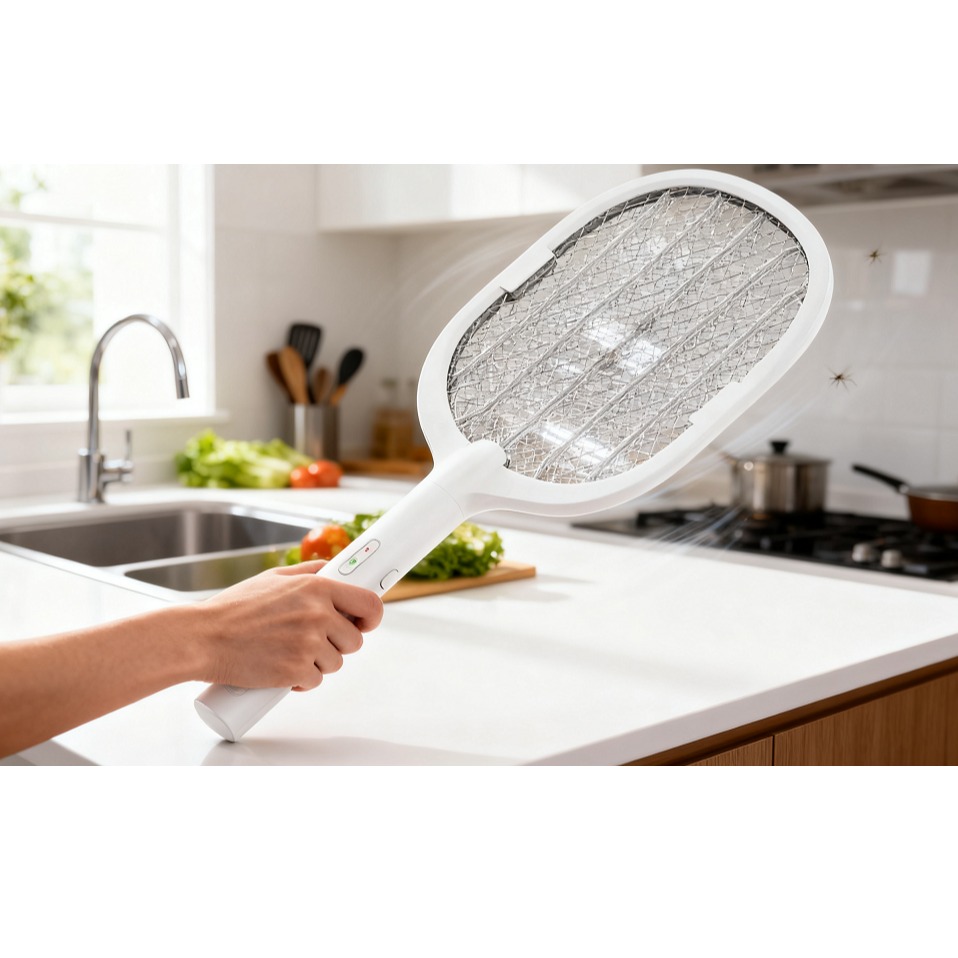
Three unique attributes make electric mosquito swatters high-risk import products, requiring more rigorous quality checks than most daily necessities:
-
Dangerous high-voltage design: The working voltage of the swatter grid reaches 1,500–3,000V. Substandard insulation, thin wires or loose internal connections will directly cause electric shock and arc-flash hazards. In European and American markets, safety non-compliance will trigger official recalls and completely damage brand reputation.
-
Fire-prone battery components: Most mainstream rechargeable swatters are equipped with lithium batteries, charging circuits and USB ports. These core components are strictly regulated by global safety standards including UN38.3, IEC 62133 and UL, with zero tolerance for fire and explosion risks.
-
Extreme seasonality of sales: Over 80% of mosquito swatter annual sales are concentrated in a 4-month summer peak season. If defective products are detected after shipment or at the port, importers will completely miss the sales window, resulting in overstock and capital loss. Therefore, full inspection must be completed before shipment.
5 Mandatory Inspection Items for Every Mosquito Swatter Order
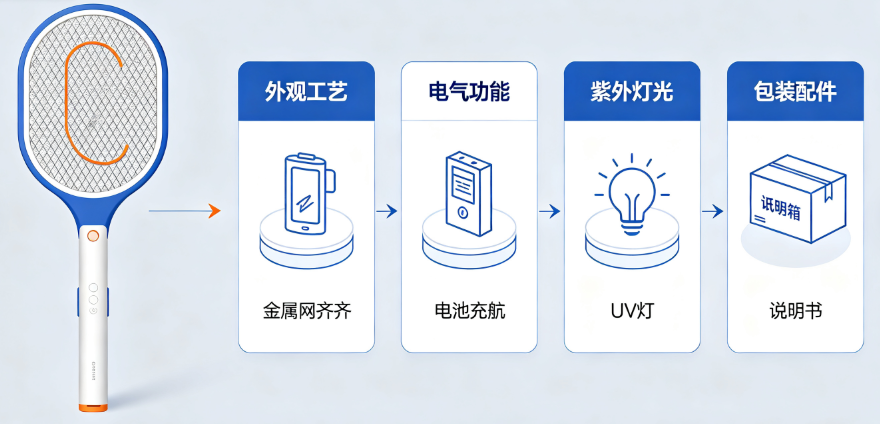
Whether you cooperate with a third-party inspection agency or adopt the factory’s internal QC team, all bulk orders must cover these five core inspection dimensions to eliminate appearance, functional and packaging defects:
|
Inspection Checkpoint
|
Verification Focus
|
Common Defects
|
|---|---|---|
|
1. Appearance & Workmanship
|
Mesh alignment, handle surface finish, logo/printing accuracy, no burrs or sharp edges
|
Crooked grids, faded prints, scratched/deformed housing, rough edges
|
|
2. Electrical Function
|
Stable grid voltage output, sensitive switch response, uniform spark intensity of all mesh layers
|
Invalid mesh layers, weak/unstable sparks, intermittent switch failure
|
|
3. Battery & Charging Performance
|
Standard charging cycle, stable battery life, normal USB charging, valid overcharge protection
|
Poor battery retention, faulty charging ports, battery swelling, overheating risks
|
|
4. UV Light Function (2-in-1 Models)
|
Normal LED activation, standard 365nm wavelength, stable and qualified brightness
|
Dead UV LEDs, incorrect wavelength, flickering lights, insufficient brightness
|
|
5. Packaging & Accessories
|
Intact cartons, market-compliant manual language, complete accessories, scannable barcodes
|
Mismatched manuals, missing adapters/chargers, damaged packaging, invalid barcodes
|
It is worth noting that short 30-second power-on tests cannot detect latent defects. For accurate quality verification, sampled products need to be fully charged and operated continuously for several hours, simulating real user usage scenarios to screen out hidden battery and functional problems.
AQL Sampling Standards: Defect Judgment Rules for Swatter Orders
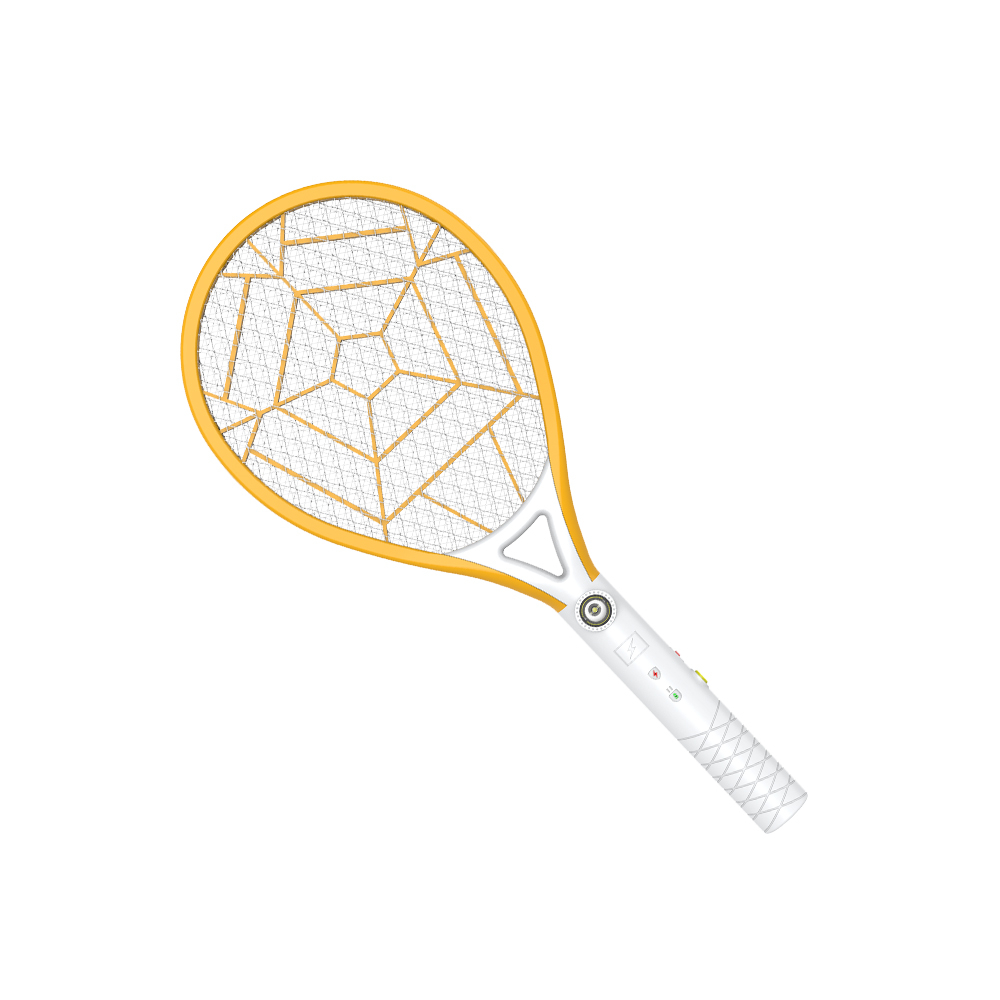
Following the mainstream ANSI/ASQ Z1.4 sampling standard in the import industry, we adopt scientific AQL (Acceptable Quality Limit) sampling inspection for mosquito swatters, instead of full manual inspection. Two core defect standards apply to this product:
-
Major Defects (AQL 1.5): Safety and functional problems, including electrical failure, broken grids, battery failure and other issues that affect normal use and cause safety hazards
-
Minor Defects (AQL 4.0): Non-safety cosmetic problems, including surface scratches, slight printing deviation and other appearance imperfections
The sampling quantity and pass/fail judgment standard for different order batch sizes are as follows:
|
Lot Size (Units)
|
Sample Size
|
Accept Limit (AQL 1.5)
|
Reject Limit (AQL 1.5)
|
|---|---|---|---|
|
501 – 1,200
|
80
|
2
|
3
|
|
1,201 – 3,200
|
125
|
3
|
4
|
|
3,201 – 10,000
|
200
|
5
|
6
|
Once the number of major defective samples exceeds the reject limit, the entire batch is unqualified and must be fully reworked and re-inspected. Never allow factories to ship goods after simple informal repairs without re-inspection.
3-Stage Full-Cycle Inspection Plan for Stable Quality
Professional importers adopt a three-stage whole-process inspection mechanism to control quality from raw materials to finished product shipment, fundamentally avoiding batch defects:
1. Pre-Production IQC (Incoming Quality Control)
Before mass production, inspect all core raw materials and key components including lithium batteries, PCBA circuit boards and mesh grids. The quality of raw materials determines the finished product quality. Cutting corners on core components will inevitably lead to defective products.
2. In-Line Mid-Production Inspection
Conduct random spot checks during mass production. Focus on verifying soldering process quality, production line operation standardization, and whether the factory strictly follows the approved BOM (Bill of Materials). Defects found in the production process can be fixed at low cost to avoid batch waste.
3. Pre-Shipment PSI Inspection
Implemented after 100% production completion and more than 80% product packaging. This is the final quality barrier before balance payment and shipment, which is non-negotiable for all orders.
For new suppliers and first cooperation orders, full three-stage inspection is required. For long-term trusted cooperative suppliers, in-line inspection plus pre-shipment inspection is sufficient for daily repeat orders.
Key Red Flags of Unqualified Factory QC Management
In the cooperation process, the following behaviors indicate that the factory’s quality control system is not standardized, with huge order risks. It is recommended to suspend the process in time:
-
Refusing third-party inspection or unable to confirm a clear inspection schedule
-
Urging advance balance payment before the release of official PSI inspection reports
-
Significant differences in components and quality between display samples and mass-produced products
-
Unavailable or uniformly filled, falsified internal QC inspection records
It is far more cost-effective to abandon the deposit than to receive a full container of unsellable, defective mosquito swatters.
Final Pre-Payment Verification Checklist
Before settling the final balance, complete all the following verifications to ensure zero risk of the order:
-
Obtain an official written PSI report, with major defects within the AQL 1.5 standard
-
Complete long-duration charge-and-run functional tests with qualified results
-
Get batch-specific valid certificates (CE, RoHS, FCC and other market-mandatory certifications)
-
Retain complete photos of packaged cartons, container loading and seal numbers
-
Confirm that product manuals and packaging language match the target market requirements
Final Thoughts
Quality control is not a mere formality, but the core guarantee of brand reputation and profit security. Reliable manufacturers take every inspection link seriously from raw material incoming inspection to pre-shipment testing.
At Aofengming Electric, all orders implement a complete three-stage QC system and fully support third-party official inspections. If you are looking for a stable, high-quality mosquito swatter supplier, you can check our certified product specifications and professional manufacturer cooperation guidelines to avoid import quality risks.
2-in-1 Electric Mosquito Swatter with UV Light
CE Certified Electric Swatter Factory
Related Article

If you’re struggling with annoying mosquitoes, flies, and other flying pests indoors and outdoors, upgrading from traditional manual tools to anElectric Mosquito Swatter is the most efficient solution. Many homeowners and renters search where to buy fly swatter online to find durable, safe, and high-performance electric models that deliver instant pest control.
Where to Buy Fly Swatter

Most importers of electric mosquito swatters obsess over the first order: samples requested, factories vetted, a pre-shipment inspection booked. Then the reorder arrives eight months later and something is off. The grid feels softer. The charge port is a slightly different shade of black. The carton thickness dropped from 350 gsm to 300 gsm. Nothing is catastrophic — but the product no longer matches what your retail customers approved, and quietly, your return rate starts climbing.
How to Keep Mosquito Swatter Quality Consistent Across Repeat Orders

Warranty returns are the silent margin killer in the mosquito control category. A distributor who buys a swatter at $1.80 FOB and retails it at $9.90 can absorb a 1% return rate without noticing — but at 5%, the combined cost of replacement units, reverse logistics, and refund processing erases most of the line's profit.
Common mosquito swatter killer lamp failure modes wholesale spec guide

Digital bathroom scales rank as the second-highest-volume consumer weighing product category, only behind kitchen scales, with distinct market and product characteristics that set them apart from other scale types in importers’ product portfolios.
Digital bathroom body fat-bia-scale wholesale buyers guide