
Quality Difference Between Online and Offline Purchased Mosquito Swatters
2026-07-09
Quality Difference Between Online and Offline Purchased Mosquito Swatters: Full Guide
1. Real Quality Gap Between Online and Offline Mosquito Swatters
Many consumers wonder: Is there a quality difference between mosquito swatters bought online and offline? Based on brand quality control standards and official market supervision sampling data, the answer is clear: branded electric mosquito swatters of the same model and specification feature completely consistent quality online and offline. There is no truth to the claim that offline products are better-made or that online mosquito swatters are shoddily produced.
The noticeable quality differences consumers experience do not stem from the sales channels themselves. They mainly result from three factors: exclusive downgraded online models, inconsistent quality control of no-brand products, and differences in inventory batches. In fact, branded electric mosquito swatters purchased through formal online channels have a lower unqualified rate than those from scattered offline physical stores, making them a cost-effective and reliable choice.
2. Identical Quality for Authentic Mosquito Swatters of the Same Model
2.1 Unified Production and Quality Control Standards
Formal manufacturers implement unified production lines, raw material supply chains, and factory quality control standards for electric mosquito swatters with identical model numbers. All core components, including high-voltage electric modules, lithium battery packs, protective nets, and engineering plastic shells, adopt the same material parameters, craftsmanship standards, and safety coefficients.
There is no industry practice of using higher-quality materials for offline authentic products while downgrading online versions. All compliant genuine mosquito swatters deliver uniform mosquito-killing power, battery life, service life, and safety protection performance.
2.2 Higher Offline Prices Are Unrelated to Product Quality
Physical stores generally sell mosquito swatters at higher prices than online retailers. The price gap mainly covers offline operating costs such as store rent, labor stocking fees, and warehousing expenses, rather than reflecting superior product quality. Consumers do not need to pay premium fees for offline store operations, as purchasing the same genuine model online offers much higher cost performance.
3. Three Core Causes of Mosquito Swatter Quality Gaps
Nearly all quality differences between online and offline mosquito swatters appear in non-identical and non-genuine products. These three scenarios are also the most common pitfalls for consumers buying electric mosquito swatters online.
3.1 Downgraded Exclusive Online Models (Primary Cause)
To adapt to the low-price competition in e-commerce platforms, most brands launch mosquito swatter models exclusively for online sales. These products look almost identical to standard offline versions, making it hard for ordinary consumers to distinguish them. However, their internal configurations are secretly downgraded, which is the top reason why many people consider online mosquito swatters inferior in quality.
Common Downgrades of Exclusive Online Models
Typical downgrades include reduced or falsely labeled battery capacity, lowered high-voltage output power, thinner and less flexible protective net steel wires, recycled plastic replacing brand-new plastic, canceled anti-slip reinforced structures, and simplified waterproof and dustproof processes. These exclusive online models have unique product codes different from standard offline versions, resulting in obvious quality gaps.
3.2 Significant Quality Control Differences for Low-Cost No-Brand Mosquito Swatters
Unbranded, small-workshop low-cost mosquito swatters show the most prominent online-offline quality gaps. Unlike formal brands with unified quality control, no-brand products lack standardized production specifications, leading to huge quality differences across sales channels.
Advantages of Offline No-Brand Mosquito Swatters
No-brand mosquito swatters stocked in physical stores are manually screened by local retailers. Severe defective products are basically eliminated, and most meet basic safety compliance standards with firm protective nets and flawless workmanship, ensuring relatively stable quality control.
Disadvantages of Online No-Brand Mosquito Swatters
Ultra-low-cost no-brand mosquito swatters priced at $1.5-$3 online have extremely low entry thresholds. Most suffer from false parameter labeling, inferior recycled plastic shells, loose and deformable protective nets, high-voltage electric leakage risks, and unsafe batteries. These products have rampant quality control loopholes and potential safety hazards.
3.3 User Experience Gaps Caused by Inventory Batches
Different inventory turnover rates of sales channels also lead to minor experience differences. Offline physical stores have fast product turnover and frequent stock updates, with almost all shelf products newly manufactured, free from battery aging, shell yellowing, or component wear issues.
In contrast, some small unbranded online shops and clearance stores sell overstocked and outdated mosquito swatters. Long-term storage easily causes lithium battery power loss and aging, shell oxidation and yellowing, and loose parts, creating a false impression of poor product quality for online buyers.
4. Official Sampling Data: Online Branded Mosquito Swatters Offer More Stable Quality
Special sampling inspection data for household electrical appliances released by market supervision authorities in 2025 completely debunks the myth that offline mosquito swatters have better quality.
The inspection results show that 26 unqualified mosquito swatter models were found in offline physical stores, while only 11 unqualified models were detected on online platforms. Most offline unqualified products are overstocked no-brand goods in community shops and grocery stores, with common problems including substandard protective net spacing, high-voltage leakage, and unqualified battery explosion-proof performance.
In comparison, mosquito swatters sold on official brand flagship stores and self-operated online stores feature far higher compliance rates and more stable batch quality, making them more reliable purchasing channels.
5. After-Sales and User Experience Differences: Online vs Offline
Apart from product quality itself, the core gaps between online and offline mosquito swatter purchases lie in after-sales timeliness and on-site inspection experience, allowing consumers to choose channels based on personal needs.
5.1 Pros and Cons of Offline Mosquito Swatter Purchases
Core Advantages
Offline purchases support on-site inspection. Buyers can check the overall texture, test the tightness of protective nets, and inspect for burrs, damage, or other workmanship defects on the spot. Any quality issues can be resolved with immediate return or exchange, delivering instant and hassle-free after-sales service without waiting for logistics delivery.
Core Disadvantages
Offline products are overpriced with limited style options. Physical stores mainly sell basic mainstream models with few new or featured designs, resulting in low cost performance.
5.2 Pros and Cons of Online Mosquito Swatter Purchases
Core Advantages
Online prices are transparent and affordable with year-round promotions, offering much higher cost performance than offline channels. The product range is comprehensive, covering basic rechargeable models, foldable designs, and illuminated multi-functional mosquito swatters. Official brand stores provide standardized after-sales services, including 7-day no-reason returns and long-term warranty replacement guarantees.
Core Disadvantages
On-site inspection is not available. There is a minimal risk of receiving damaged or defective products during transportation. Returning or exchanging faulty goods requires logistics delivery, making the after-sales process relatively cumbersome and time-consuming.
6. Mosquito Swatter Buying Guide: Avoid Quality Issues and Common Pitfalls
There is no need to struggle between online and offline channels to buy high-quality electric mosquito swatters. Mastering practical purchasing skills is the key to avoiding inferior products.
6.1 Choose Authentic Identical Models and Avoid Downgraded Online Versions
Prioritize checking product model numbers and select standard mosquito swatters with identical codes for online and offline sales. Avoid low-price exclusive online models with no corresponding offline versions, and opt for official brand flagship stores and self-operated platforms.
6.2 Verify Qualifications and Reject No-Name Products
Qualified formal mosquito swatters must have 3C certification, clear implementation standards, manufacturer information, production addresses, and after-sales contact details. Never purchase uncertified no-brand mosquito swatters, whether online or offline.
6.3 Simple Manual Quality Inspection Methods
High-quality mosquito swatters feature uniform, burr-free shells with no pungent plastic odor, tightly woven and deformation-resistant protective nets, and neat body splicing gaps. Inferior products have cheap plastic textures, harsh odors, loose nets, and rough workmanship, which can be easily identified manually.
6.4 Avoid Impulsive Low-Price Purchases
Ultra-low-cost no-brand mosquito swatters usually come with potential safety hazards such as electric leakage and battery failure. It is recommended to choose standard models from reputable brands to fundamentally avoid safety risks.
7. Conclusion
In summary, there is no essential quality difference between genuine branded mosquito swatters bought online and offline. The quality gaps perceived by consumers stem from downgraded online exclusive models, inferior no-brand products, and overstocked old inventory, rather than the sales channels.
Online official brand stores offer better quality stability and cost performance, while offline purchases only excel in instant on-site inspection and immediate after-sales service. There is no need to blindly trust offline physical store quality. Choosing formal brands and standard models makes online purchasing the optimal choice.
Does the Sound of Mosquito Killer Lamps Affect Sleep
How to Keep Mosquitoes Away
Related Article

If you’re struggling with annoying mosquitoes, flies, and other flying pests indoors and outdoors, upgrading from traditional manual tools to anElectric Mosquito Swatter is the most efficient solution. Many homeowners and renters search where to buy fly swatter online to find durable, safe, and high-performance electric models that deliver instant pest control.
Where to Buy Fly Swatter
Most importers of electric mosquito swatters obsess over the first order: samples requested, factories vetted, a pre-shipment inspection booked. Then the reorder arrives eight months later and something is off. The grid feels softer. The charge port is a slightly different shade of black. The carton thickness dropped from 350 gsm to 300 gsm. Nothing is catastrophic — but the product no longer matches what your retail customers approved, and quietly, your return rate starts climbing.
How to Keep Mosquito Swatter Quality Consistent Across Repeat Orders
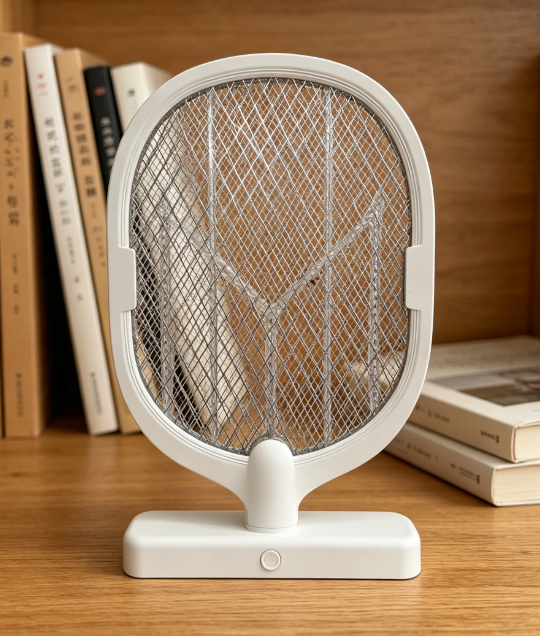
Warranty returns are the silent margin killer in the mosquito control category. A distributor who buys a swatter at $1.80 FOB and retails it at $9.90 can absorb a 1% return rate without noticing — but at 5%, the combined cost of replacement units, reverse logistics, and refund processing erases most of the line's profit.
Common mosquito swatter killer lamp failure modes wholesale spec guide

Digital bathroom scales rank as the second-highest-volume consumer weighing product category, only behind kitchen scales, with distinct market and product characteristics that set them apart from other scale types in importers’ product portfolios.
Digital bathroom body fat-bia-scale wholesale buyers guide