
Rechargeable or Disposable Battery Mosquito Swatter
2026-04-23
Rechargeable or Disposable Battery Mosquito Swatter? Decide in Seconds
Mosquito swatters are essential tools for mosquito control in summer, but many people struggle to choose between rechargeable and disposable battery models. In fact, neither is absolutely better; the choice depends on your usage scenario, frequency, and needs. Below, we help you quickly choose the right one from three aspects: core differences, advantages and disadvantages, and suitable groups.
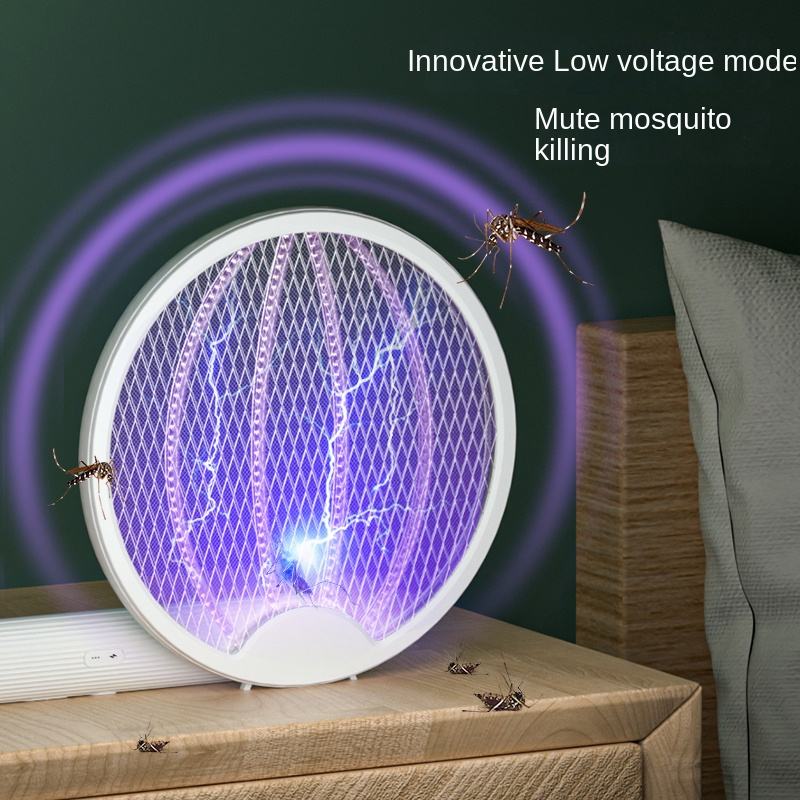
I. Core Difference: Power Supply Determines Usage Experience
The most essential difference between the two lies in their power supply modes, which directly affect usability, long-term costs, and applicable scenarios. The specific comparison is as follows:
|
Comparison Dimension
|
Disposable Battery Mosquito Swatter
|
Rechargeable Battery Mosquito Swatter
|
|
Power Supply Method
|
Relies on AA/AAA disposable batteries (alkaline or carbon-zinc), which need to be replaced manually.
|
Built-in lithium battery (mostly 14500 or 18650 models), which can be recharged and used repeatedly.
|
|
Usability
|
No need to wait for charging; just replace the battery when it runs out to use immediately.
|
Needs to be charged in advance; when it runs out of power, it takes 1-3 hours to charge (Type-C port charges faster).
|
|
Long-term Cost
|
Requires continuous purchase of disposable batteries, which results in higher costs with frequent replacement and is not environmentally friendly.
|
After a one-time investment, it only needs to be charged for cyclic use, with low long-term costs and more low-carbon.
|
|
Body Design
|
With a battery compartment, the handle may have a bulge, and the grip feel is slightly poor.
|
No battery compartment, integrated design, lighter and more comfortable to hold, and some support folding and telescoping.
|
|
Function Expansion
|
Mostly basic models with simple functions, rarely equipped with additional functions such as mosquito traps and lighting.
|
More abundant functions, commonly equipped with UV-A mosquito traps, LED lighting, and some with power display and overcharge protection.
|
|
Service Life
|
Low body failure rate; service life depends on the body material, and the battery needs to be replaced regularly.
|
Service life depends on the lithium battery life (usually hundreds of charge-discharge cycles); high-quality models with BMS protection are more durable.
|
II. Detailed Advantages and Disadvantages: Avoid Pitfalls and Choose the Right One
1. Disposable Battery Mosquito Swatter
Advantages
-
Strong Emergency Performance: When sudden mosquito infestation occurs, as long as there are spare disposable batteries, you can replace them and use immediately without waiting for charging, solving the embarrassment of "no power when needed urgently."
-
Affordable Price: Basic disposable battery mosquito swatters are mostly priced between 20-30 yuan, lower than the entry price of rechargeable models, suitable for temporary use or low-cost backup.
-
Simple Maintenance: No need to worry about battery maintenance; just replace the battery when it runs out, no need for regular charging and maintenance, and the device will not be damaged when idle.
-
Low Failure Rate: Simple structure, no charging circuit, reducing damage caused by charging failures; some high-quality models have durable bodies and can be used for many years.
Disadvantages
-
High Long-term Cost: Disposable batteries are consumables; a pair of alkaline batteries can be used for about 7 days, and the long-term replacement cost is high when used frequently in summer.
-
Poor Environmental Friendliness: Disposable batteries (especially carbon-zinc batteries) will pollute the environment when discarded, which is not in line with the demand for low-carbon life, and some batteries may have leakage risks.
-
Single Function: Most only have basic mosquito killing functions, lacking practical additional functions such as mosquito traps and lighting, resulting in low mosquito killing efficiency at night.
-
Average Grip Feel: The battery compartment will make the handle bulge, which is easy to fatigue after long-term use, and the overall weight of the body may be slightly heavier due to the battery.
2. Rechargeable Battery Mosquito Swatter
Advantages
-
Cost-effective in the Long Run: A full charge can be used for 2-4 hours (or stand by for about 10 days), which can be recharged and used repeatedly without additional purchase of batteries, making it more cost-effective for long-term use.
-
Environmentally Friendly and Convenient: The built-in lithium battery can be recycled, reducing pollution caused by the disposal of disposable batteries, and the Type-C charging port is highly versatile, which can be shared with mobile phones and tablet charging cables, no need to equip an additional charger.
-
Rich Functions: Most are equipped with UV-A mosquito traps (with significant mosquito trapping effect when no one is around at night), LED lighting, and some with power display, which can check the remaining power in real time, making it more worry-free to use.
-
Comfortable to Hold: Integrated design without battery compartment, the body is lighter, and some support folding and telescoping, which is convenient for storage and cleaning mosquitoes at high places.
Disadvantages
-
Needs Advance Charging: When used suddenly, if you forget to charge it, it cannot be used immediately, and you need to wait 1-3 hours for charging, with poor emergency performance.
-
Slightly Higher Entry Price: Basic rechargeable battery mosquito swatters are mostly priced between 30-50 yuan, slightly higher than disposable battery models, and high-quality models (with ABS material and high voltage) can cost more than 50 yuan.
-
Battery Maintenance Required: It needs to be charged once every 3 months when idle, otherwise the service life of the lithium battery will be shortened; when the battery is damaged, the built-in battery needs to be replaced, which has a certain operational threshold.
-
Slightly Higher Failure Rate: Due to the charging circuit, if you buy unqualified products, there may be problems such as charging failure and battery swelling (it is recommended to choose products with 3C certification and BMS protection).
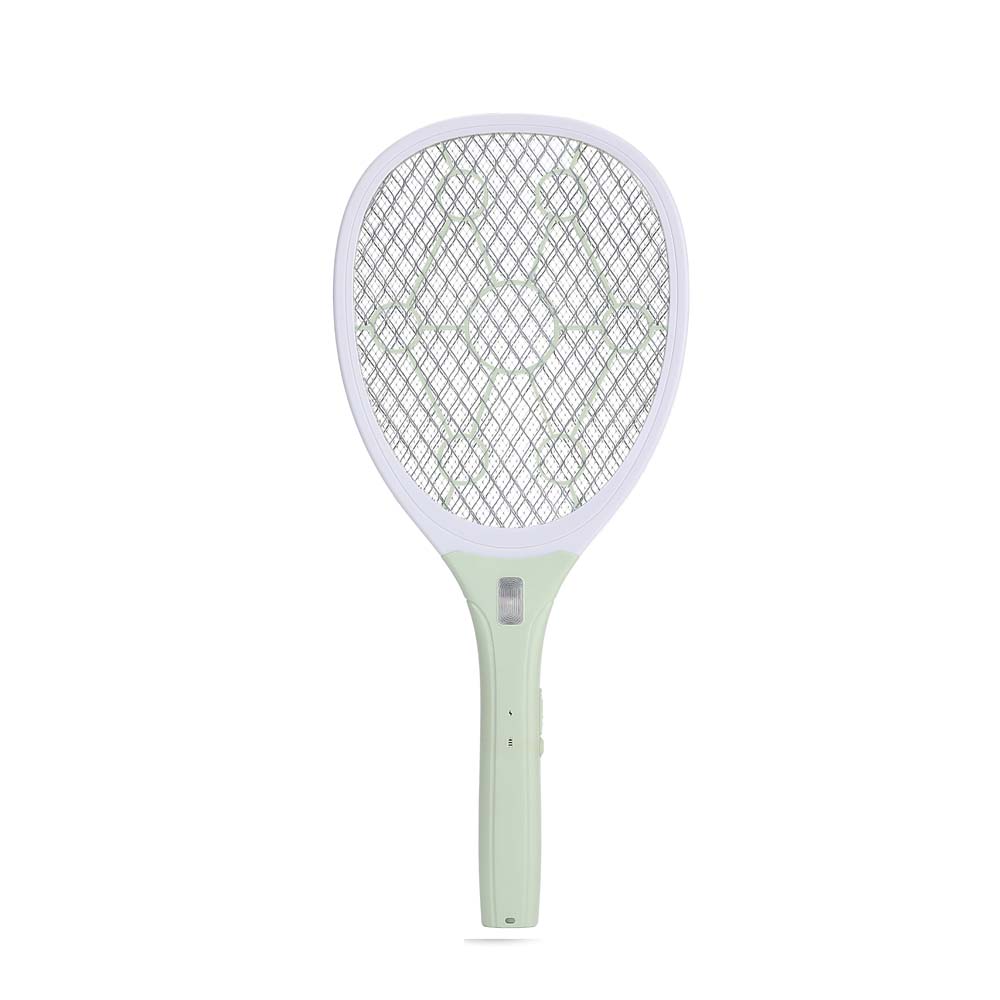
III. Precise Matching: Choose Based on Scenarios, Avoid Pitfalls
Combine your own usage scenarios to quickly find the right model:
Prioritize Disposable Battery Model If You:
-
Have Temporary Usage Needs: Only use it occasionally (such as short-term rental living, outdoor camping), do not want to invest too much cost, and just need a backup.
-
Have High Emergency Needs: Often forget to charge electrical appliances, worry about the mosquito swatter running out of power when sudden mosquitoes appear, and need the convenience of "replace and use immediately."
-
Have Minimalist Usage Needs: Only need basic mosquito killing functions, do not pursue additional functions, have a limited budget, and pursue a cost-effective basic model.
-
Use It Outdoors Frequently: In scenarios such as camping and picnics, there is no power supply for charging, and spare disposable batteries can meet short-term usage needs.
Prioritize Rechargeable Battery Model If You:
-
Use It for Long-term Home Use: Use it daily at home, with high frequency in summer, pursue long-term cost-effectiveness and environmental protection, and do not want to replace batteries frequently.
-
Value Usage Experience: Hope to have additional functions such as mosquito traps and lighting for more efficient mosquito killing at night, and pay attention to grip feel and storage convenience.
-
Pursue Convenience: Are willing to charge in advance, do not want to purchase and replace disposable batteries frequently, and prefer the convenient mode of "charge once and use."
-
Value Product Quality: Hope to choose high-quality mosquito swatters with ABS material, high voltage (2000-4200V), and safety protection for longer service life.
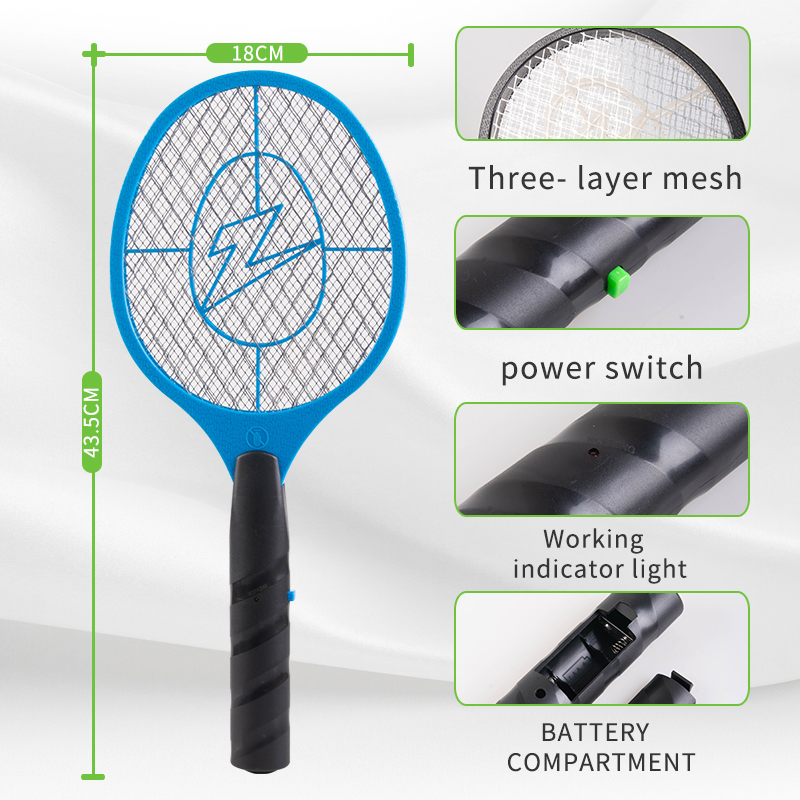
IV. Additional Shopping Reminders
Regardless of which model you choose, you need to note: Prioritize products that comply with GB4706.76-2008 and QB/T 4496-2013 standards, ensure the grid voltage is between 2000-4200V, with a five-layer anti-electric shock grid and 1-second residual power removal design to ensure safe use; the body should preferably be made of ABS flame-retardant material, which is more durable than PP material; avoid buying unqualified products. According to random inspection data, the pass rate of electric mosquito swatters is only 46.3%, so you need to recognize regular brands and 3C certification.
Summary: Choose the disposable battery model for short-term emergency and limited budget; choose the rechargeable battery model for long-term home use and emphasis on experience. If you want to balance emergency and long-term use, you can also choose the dual-purpose model that "can be disassembled for batteries and recharged" to flexibly adapt to different scenarios.
How to Get Rid of Mosquitoes Inside the House
Is a Body Fat Scale a Waste of Money
Related Article

If you’re struggling with annoying mosquitoes, flies, and other flying pests indoors and outdoors, upgrading from traditional manual tools to anElectric Mosquito Swatter is the most efficient solution. Many homeowners and renters search where to buy fly swatter online to find durable, safe, and high-performance electric models that deliver instant pest control.
Where to Buy Fly Swatter
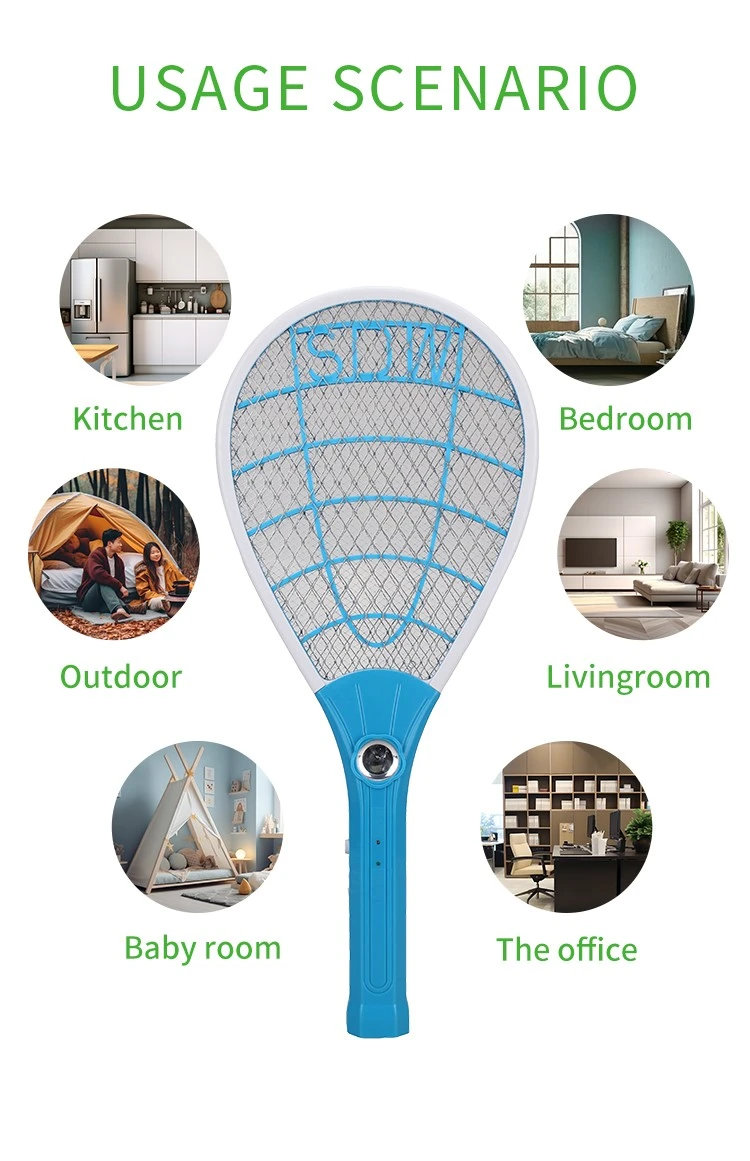
Most importers of electric mosquito swatters obsess over the first order: samples requested, factories vetted, a pre-shipment inspection booked. Then the reorder arrives eight months later and something is off. The grid feels softer. The charge port is a slightly different shade of black. The carton thickness dropped from 350 gsm to 300 gsm. Nothing is catastrophic — but the product no longer matches what your retail customers approved, and quietly, your return rate starts climbing.
How to Keep Mosquito Swatter Quality Consistent Across Repeat Orders
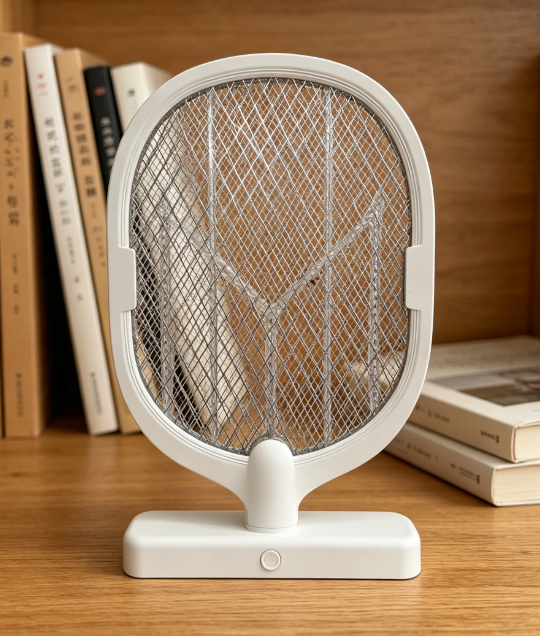
Warranty returns are the silent margin killer in the mosquito control category. A distributor who buys a swatter at $1.80 FOB and retails it at $9.90 can absorb a 1% return rate without noticing — but at 5%, the combined cost of replacement units, reverse logistics, and refund processing erases most of the line's profit.
Common mosquito swatter killer lamp failure modes wholesale spec guide

Digital bathroom scales rank as the second-highest-volume consumer weighing product category, only behind kitchen scales, with distinct market and product characteristics that set them apart from other scale types in importers’ product portfolios.
Digital bathroom body fat-bia-scale wholesale buyers guide