
Rechargeable vs Battery-Powered Mosquito Swatters
2026-08-12
Rechargeable vs Battery-Powered Mosquito Swatters: Which Should You Import?
Mosquito swatters are one of the highest-demand seasonal home goods in global consumer markets. With rising awareness of hygienic pest control and affordable household electric appliances, electric mosquito swatters have become a staple summer product for retailers, wholesalers, and cross-border importers worldwide. However, when sourcing inventory, most importers face a critical dilemma: choosing between rechargeable mosquito swatters and disposable battery-powered mosquito swatters.
Both models have unique advantages in cost, usability, shipping compliance, and market adaptability. The wrong choice can lead to low profit margins, unsold inventory, or negative customer reviews. To help you make a data-driven import decision, this blog breaks down a full comparison between the two types and shares targeted sourcing suggestions for different business scenarios.
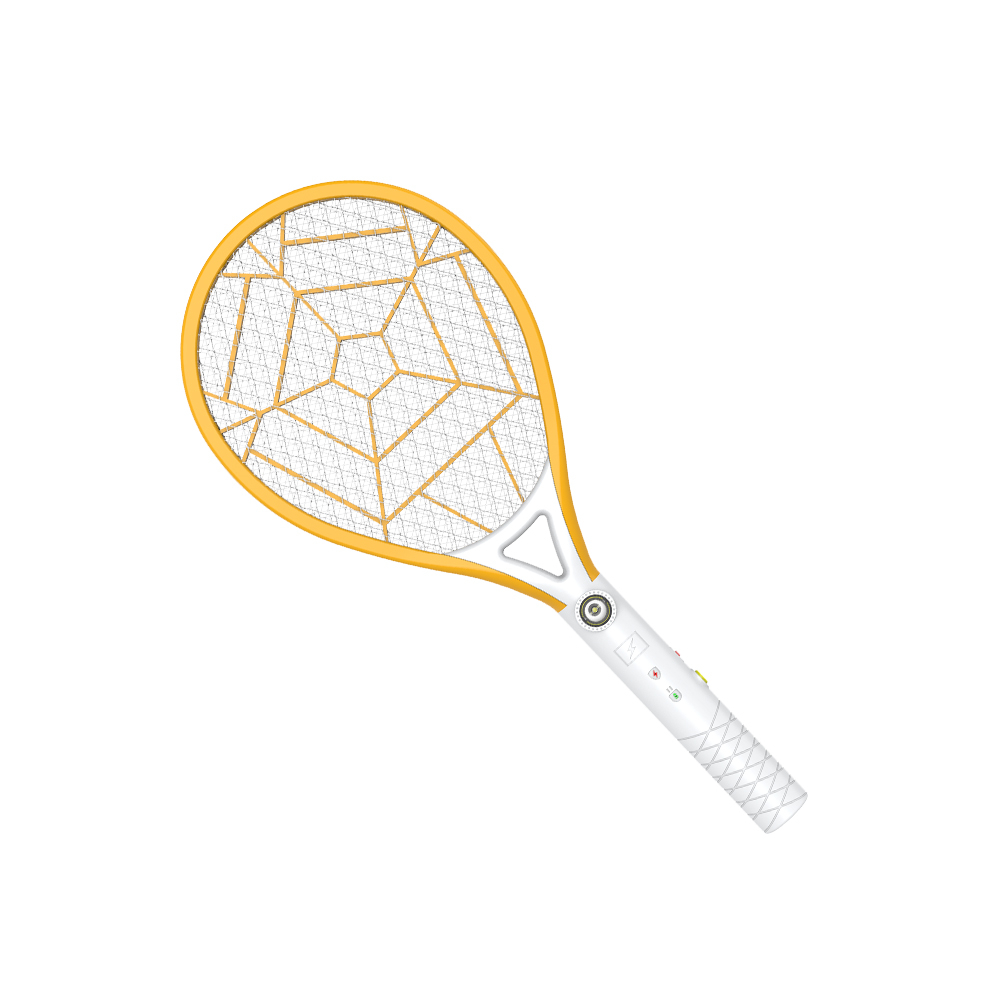
1. Core Product Overview: Rechargeable vs Battery-Powered Swatters
Before diving into detailed comparisons, it is essential to clarify the basic structural and functional differences between the two mosquito swatter types, as these differences determine their market positioning and user value.
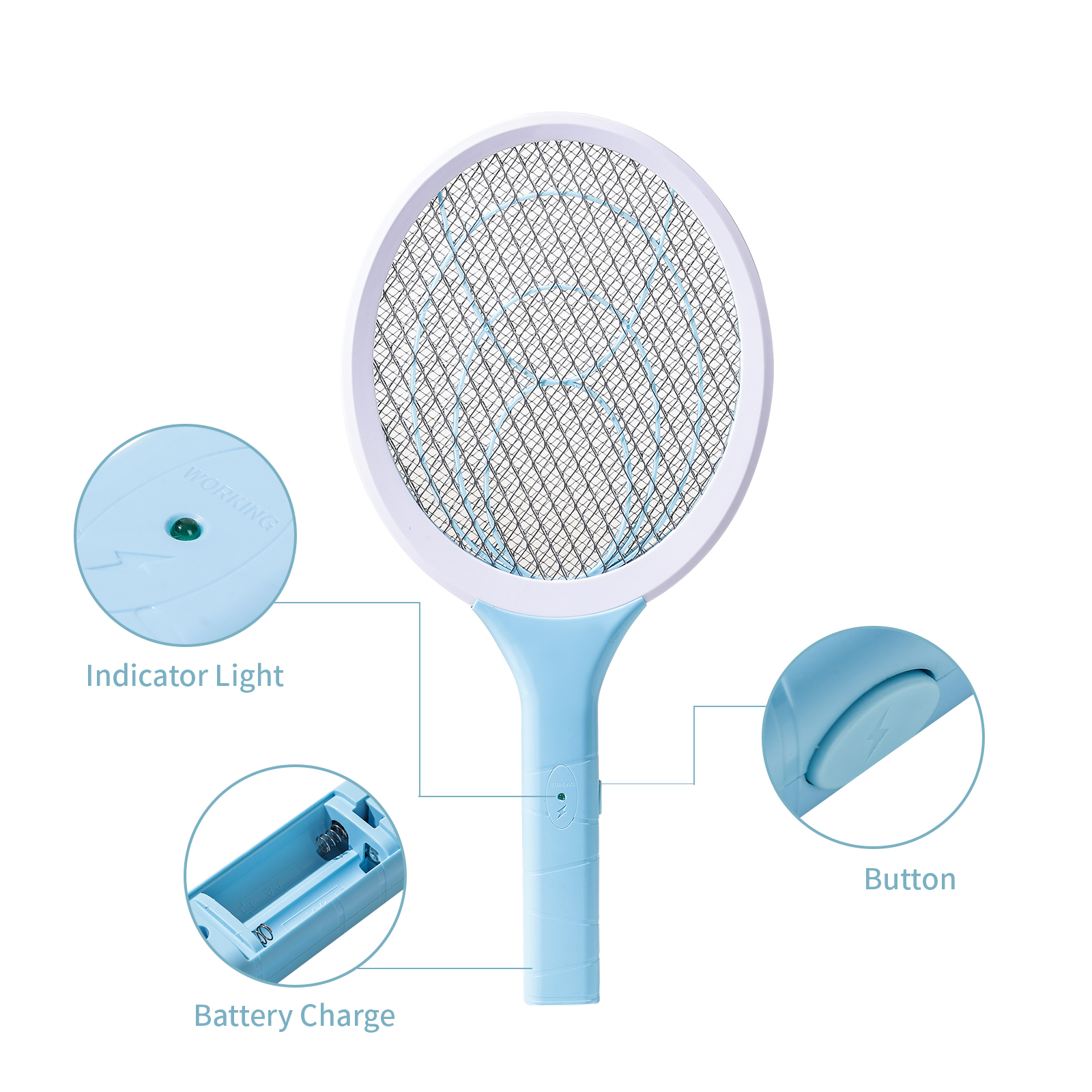
Battery-powered mosquito swatters rely on replaceable disposable alkaline batteries (usually AA or AAA batteries) for power. They feature a simple internal structure with no built-in battery or charging circuit. The product is lightweight in design, with low manufacturing thresholds and extremely low production costs. Users need to purchase and replace batteries regularly once the power runs out.
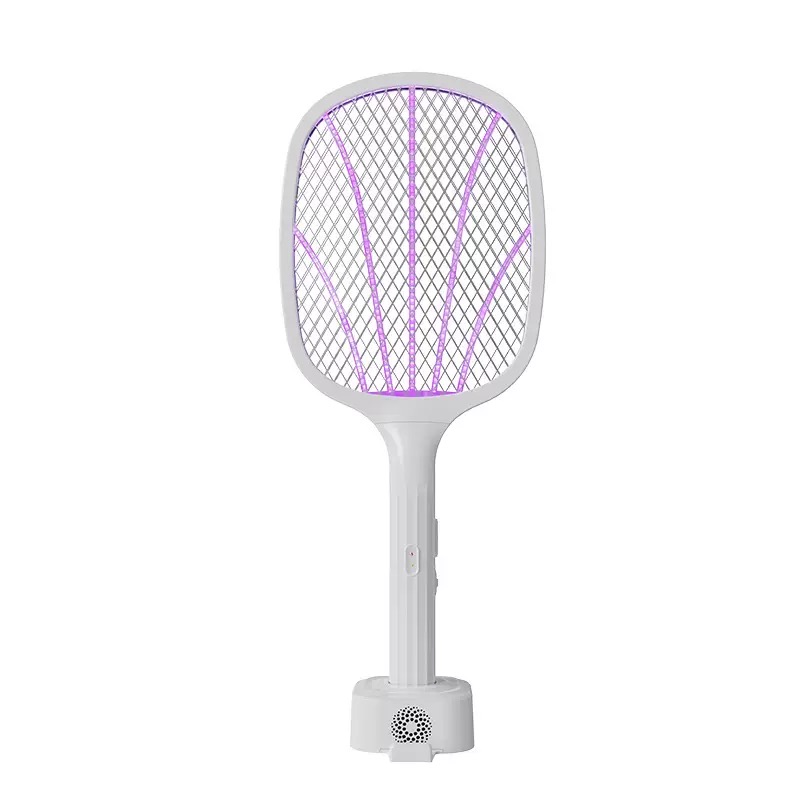
Rechargeable mosquito swatters are equipped with built-in lithium-ion batteries and support universal USB charging. Most modern models come with multi-protection charging systems, long battery life, and even additional functions such as automatic mosquito trapping UV lights. They eliminate the need for disposable batteries, providing all-in-one convenience for long-term use.
2. Cost & Profit Margin Comparison for Importers
Profitability is the top priority for import businesses. The cost gap between the two swatter models directly determines your wholesale pricing strategy and net profit space.
2.1 Battery-Powered Swatters: Low Upfront Cost, Recurring User Expenses
Disposable battery mosquito swatters have ultra-low factory prices, making them ideal for low-bulk trial orders and budget markets. Without built-in lithium batteries and charging modules, their production and material costs are minimized. For importers, the initial procurement investment is small, and the entry barrier for the market is low.
However, this model has obvious drawbacks for end consumers. Users need to replace batteries every 2–3 weeks during peak mosquito seasons, generating continuous additional costs. From a market feedback perspective, this recurring expense easily leads to customer complaints, indirectly affecting secondary sales and brand reputation for importers.
2.2 Rechargeable Swatters: Slightly Higher Sourcing Cost, Higher Long-Term Profits
Rechargeable mosquito swatters have a 20%–30% higher ex-factory price than battery-powered models due to built-in lithium batteries and intelligent charging components. Although the upfront import cost is higher, they offer far greater profit potential. Thanks to their zero subsequent use cost and durable performance, these swatters support premium pricing in retail markets, bringing higher single-product profit margins for importers.
In addition, rechargeable models have a longer service life. A qualified USB rechargeable mosquito swatter can work normally for 2–3 years, while battery-powered ones are often eliminated within one or two seasons due to frequent voltage drops and poor usability. Better product durability translates to higher customer satisfaction and lower after-sales rates for import sellers.
3. Usability & Consumer Experience Differences
Consumer experience directly affects market word-of-mouth, repurchase rates, and return rates—key indicators that determine the long-term sales of your imported goods.
3.1 Stability of Performance
Rechargeable mosquito swatters deliver stable voltage output from full power to low power, ensuring consistent mosquito-killing efficiency throughout use. In contrast, battery-powered swatters experience gradual voltage attenuation as disposable batteries deplete. Their electric shock power weakens significantly in the later stage of battery use, resulting in poor insect-killing effects and bad user experience.
3.2 Convenience of Daily Use
Rechargeable models support universal USB charging, compatible with power banks, phone chargers, and laptop ports, enabling fast and convenient power supplementation. Most upgraded models can last 20–30 days on a single full charge, fully meeting daily household needs.
Battery-powered swatters require users to store spare batteries at all times. It is common for users to encounter dead swatters suddenly during night use or outdoor activities, which is a major pain point of this traditional product.
4. Shipping & Compliance: Critical Import Factors
For cross-border importers, logistics accessibility and regulatory compliance are non-negotiable core factors, which directly determine whether goods can be cleared smoothly and whether there are additional risks.
4.1 Battery-Powered Swatters: Simple Logistics, Zero Battery Restrictions
Battery-free body design makes disposable battery mosquito swatters completely free of lithium battery shipping restrictions. They can be transported via sea, air, and express delivery without special certification documents, with simple customs clearance procedures and low logistics risks. This is their biggest advantage for small-batch importers and cross-border beginners.
Note: Disposable batteries are usually transported separately by end consumers or local retailers, so importers do not need to bear relevant transportation risks.
4.2 Rechargeable Swatters: Standard Compliance Required
Since rechargeable swatters contain built-in lithium-ion batteries, they belong to battery-containing electronic products. Importers need to provide corresponding safety certification documents for customs clearance in most European, American, and Southeast Asian markets. Although the compliance process is slightly more complicated, formal certified products have zero customs clearance risks and are more suitable for long-term large-scale import and brand sales.
5. Target Market Adaptability: Which Sells Better Where?
The best import choice depends entirely on your target sales market. Different regions have distinct consumer preferences and consumption levels for mosquito swatters.
5.1 Choose Battery-Powered Swatters for These Markets
Budget-sensitive emerging markets such as rural areas, low-income regions, and some African and South Asian countries are highly suitable for battery-powered swatters. Local consumers focus on ultra-low purchase prices and have low requirements for product durability and additional functions. The low threshold and low retail price of battery-powered swatters can quickly capture mass market share and achieve rapid capital turnover.
5.2 Choose Rechargeable Swatters for These Markets
Middle and high-income markets in Europe, North America, Australia, and developed Southeast Asian countries prefer rechargeable mosquito swatters. Local consumers pay more attention to environmental protection, long-term cost savings, and product use experience. Rechargeable models, with no disposable battery waste, higher safety, and stronger durability, are more in line with local consumption concepts and environmental regulations, bringing higher repurchase rates and brand credibility for importers.
6. Final Import Sourcing Recommendations
After comparing cost, experience, logistics, and market adaptation, we summarize clear sourcing guidelines for importers:
Choose battery-powered mosquito swatters if: You are a beginner importer with limited funds, focus on low-price and fast-selling markets, take small-batch trial orders, or target low-consumption regions with strict low-cost requirements. This model features low risk, fast turnover, and zero logistics compliance pressure.
Choose rechargeable mosquito swatters if: You pursue long-term stable profits, target middle-to-high-end consumer markets, focus on store reputation and customer loyalty, or plan for large-scale and long-term seasonal inventory layout. Although the upfront cost is higher, its high profit margin, low after-sales rate, and strong market competitiveness can bring sustainable returns.
Mixed sourcing strategy (most recommended): For most comprehensive retailers, match 30% low-priced battery-powered models for traffic attraction and 70% high-profit rechargeable models for profit creation, balancing market coverage and profit space.
7. Conclusion
There is no absolute "better" between rechargeable and battery-powered mosquito swatters—only more suitable for your import business positioning. Battery-powered swatters are low-risk, low-threshold seasonal traffic products, while rechargeable swatters are high-profit, high-reputation long-term bestsellers.
In the increasingly competitive global mosquito swatter market, abandoning blind low-price competition and selecting products based on target market demands is the key to improving your import profit rate. By matching the right product model with your sales channel, you can maximize seasonal sales revenue and build stable market competitiveness in the home pest control product track.
How to Build a Profitable Mosquito Swatter Brand
How to Import Electric Mosquito Swatters from China
Related Article
If you’re struggling with annoying mosquitoes, flies, and other flying pests indoors and outdoors, upgrading from traditional manual tools to anElectric Mosquito Swatter is the most efficient solution. Many homeowners and renters search where to buy fly swatter online to find durable, safe, and high-performance electric models that deliver instant pest control.
Where to Buy Fly Swatter
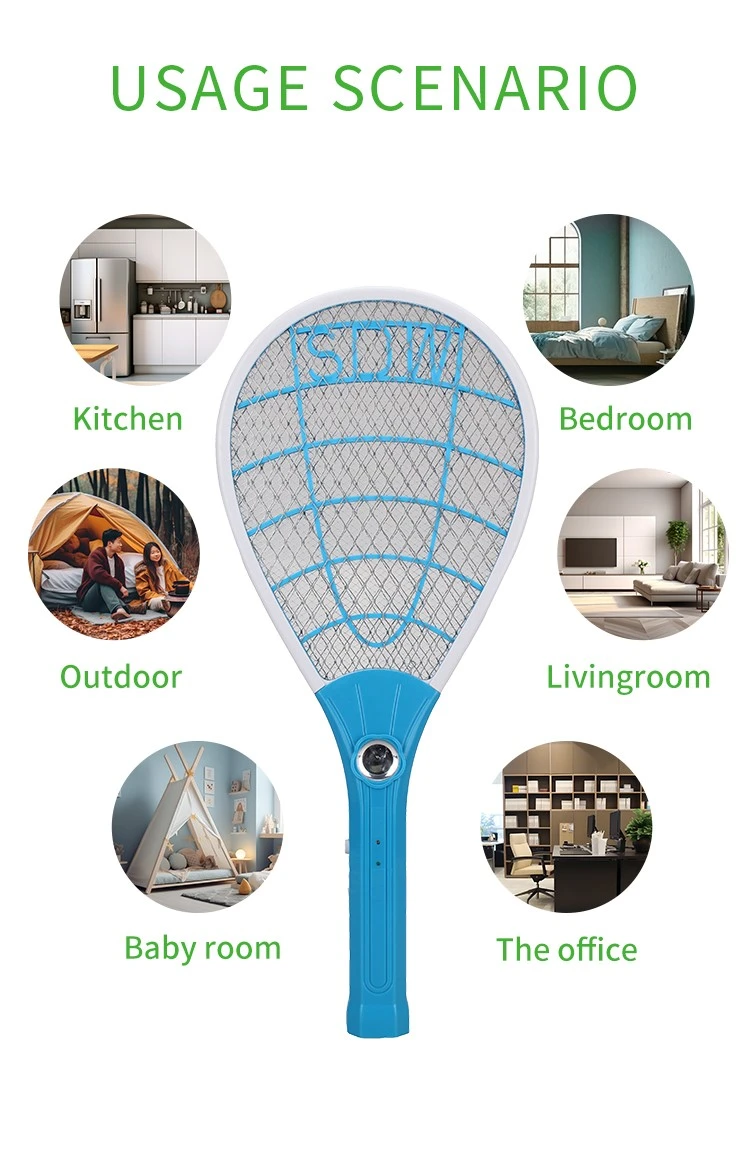
Most importers of electric mosquito swatters obsess over the first order: samples requested, factories vetted, a pre-shipment inspection booked. Then the reorder arrives eight months later and something is off. The grid feels softer. The charge port is a slightly different shade of black. The carton thickness dropped from 350 gsm to 300 gsm. Nothing is catastrophic — but the product no longer matches what your retail customers approved, and quietly, your return rate starts climbing.
How to Keep Mosquito Swatter Quality Consistent Across Repeat Orders
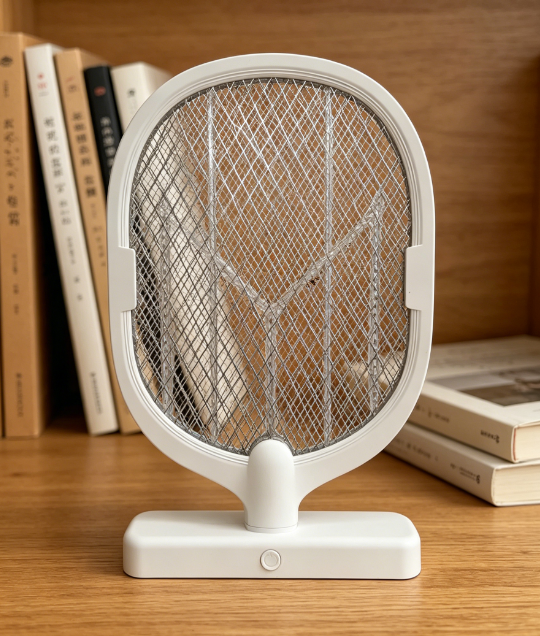
Warranty returns are the silent margin killer in the mosquito control category. A distributor who buys a swatter at $1.80 FOB and retails it at $9.90 can absorb a 1% return rate without noticing — but at 5%, the combined cost of replacement units, reverse logistics, and refund processing erases most of the line's profit.
Common mosquito swatter killer lamp failure modes wholesale spec guide
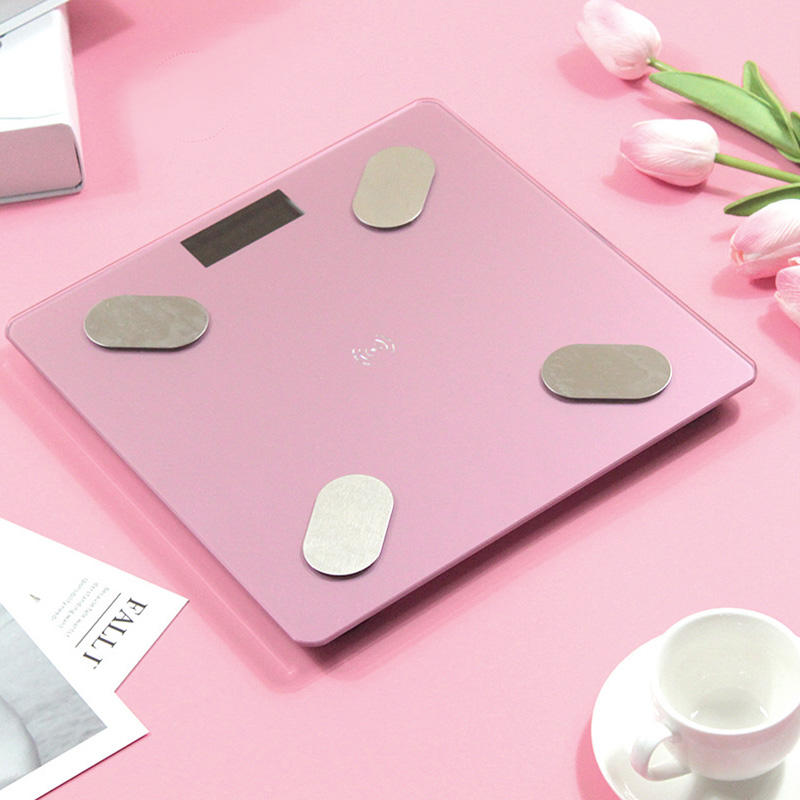
Digital bathroom scales rank as the second-highest-volume consumer weighing product category, only behind kitchen scales, with distinct market and product characteristics that set them apart from other scale types in importers’ product portfolios.
Digital bathroom body fat-bia-scale wholesale buyers guide