
Rechargeable vs Disposable Battery Mosquito Swatters
2026-04-02
Rechargeable vs Disposable Battery Mosquito Swatters: Which is Better?
Summer nights are supposed to be relaxing—until the buzzing of mosquitoes invades your space. A mosquito swatter is a must-have tool for quick, chemical-free pest control, but with two main types on the market—rechargeable and disposable battery models—choosing the right one can feel overwhelming. Do you prioritize convenience, cost, or sustainability? In this blog, we’ll break down the key differences, pros and cons, and ideal use cases for both, so you can make an informed decision that fits your lifestyle.
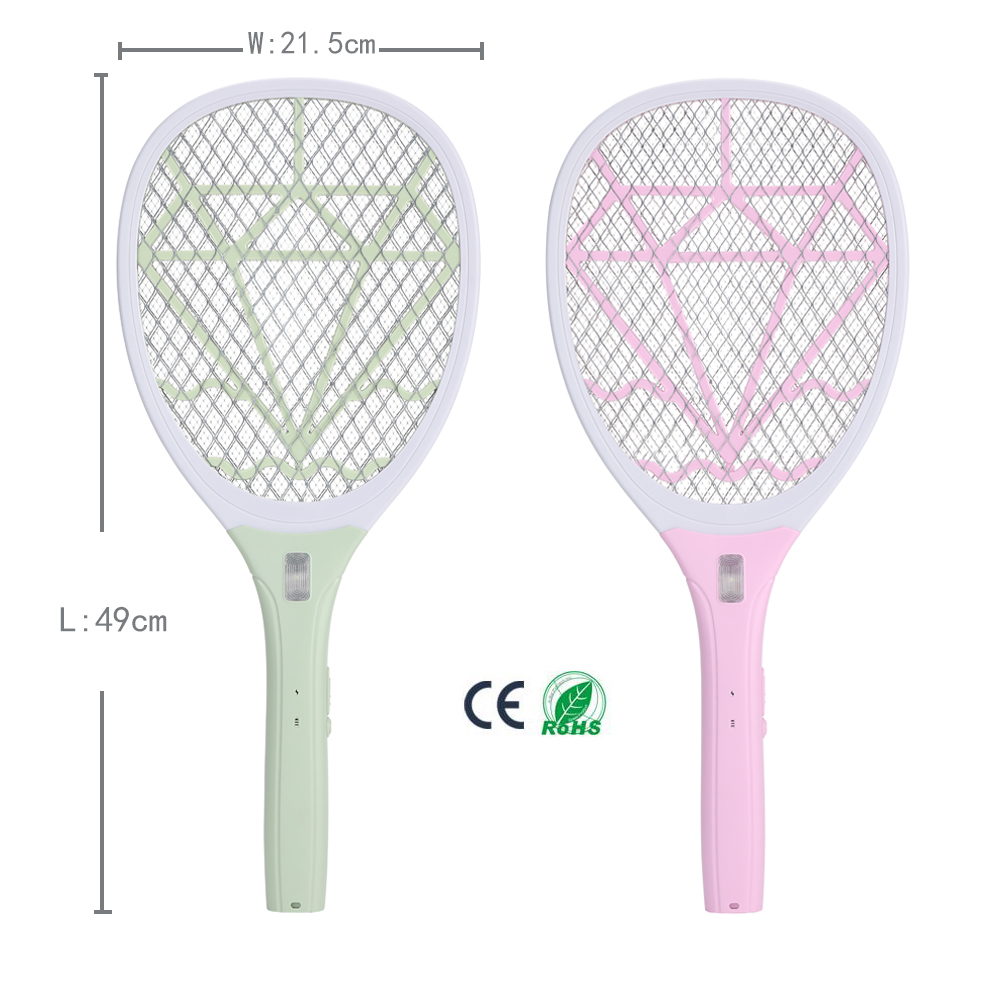
Key Differences Between Rechargeable and Disposable Mosquito Swatters
Before diving into which is better, let’s first clarify what sets these two types apart. The core distinction lies in their power sources, but this difference ripples into every aspect of their use, from cost to environmental impact.
1. Battery Type & Lifespan
Rechargeable mosquito swatters are equipped with built-in rechargeable batteries, typically lithium-ion, nickel-metal hydride (NiMH), or lead-acid batteries. These batteries can be recharged hundreds of times using a USB cable, wall charger, or charging base, giving the swatter a long overall lifespan—often 2 to 3 years with proper care. Some models even come with battery indicators to let you know when it’s time to recharge.
Disposable mosquito swatters, on the other hand, use non-rechargeable alkaline batteries (usually AA or AAA). Once the batteries run out, the entire swatter is often discarded—though some models allow battery replacement, most are designed for one-time use. Their lifespan depends entirely on battery capacity, which typically lasts a few weeks to a month of regular use before needing new batteries or replacement.
2. Cost Over Time
At first glance, disposable swatters seem cheaper—they usually cost $5 to $15 upfront, while rechargeable models range from $20 to $100, depending on features like LED lights, larger net surfaces, or foldable designs. But the tables turn when you factor in long-term costs. Disposable swatters require ongoing battery replacements (each set of alkaline batteries costs $2 to $5), and if you use the swatter regularly all summer, these costs add up quickly. Rechargeable swatters, once purchased, have no additional battery costs—you just need to plug them in to recharge, making them more cost-effective over 6 months to a year of use.
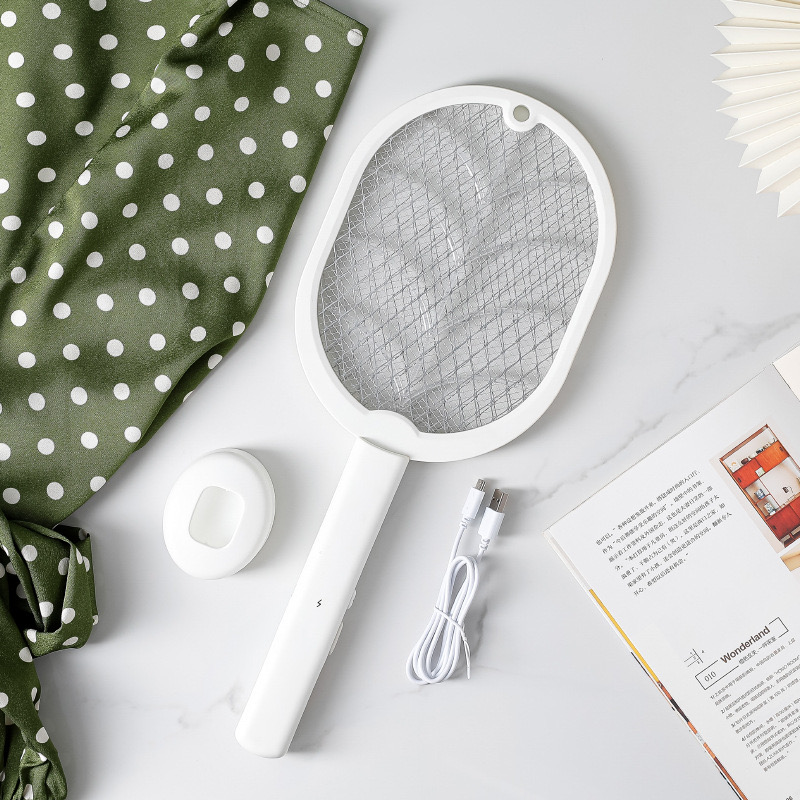
Pros and Cons of Each Type
To help you weigh your options, let’s break down the advantages and drawbacks of both rechargeable and disposable mosquito swatters.
Rechargeable Mosquito Swatters: Pros & Cons
Pros:
-
Cost-Effective Long-Term: As mentioned, no ongoing battery costs—save money after the initial purchase.
-
Environmentally Friendly: Reusable batteries reduce the number of alkaline batteries ending up in landfills, which is better for the planet. Many models also use durable materials that last for years, cutting down on waste.
-
Convenient for Regular Use: No need to keep buying and replacing batteries. Just recharge when needed—some models offer fast charging (4-8 hours) and long续航 (up to a month on a single charge).
-
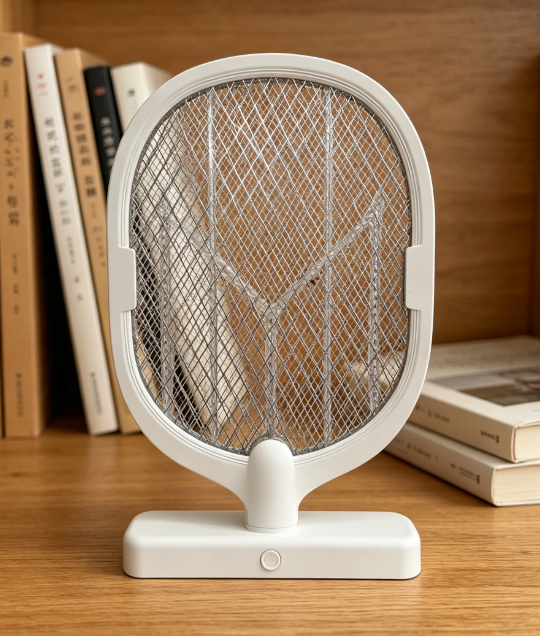
Better Features: Rechargeable swatters often come with extra perks, like LED lights for night-time use, larger net surfaces for higher hit rates, foldable designs for easy storage, and even UV light to attract mosquitoes actively.
Cons:
-
Higher Upfront Cost: The initial purchase price is higher than disposable models, which might deter budget-conscious buyers.
-
Dependent on Power Source: You need access to an outlet to recharge. If the battery dies and you don’t have a charger handy, the swatter is useless until recharged.
-
Battery Degradation: Over time, rechargeable batteries lose capacity, meaning you’ll need to recharge more frequently after 1-2 years of use.
Disposable Mosquito Swatters: Pros & Cons
Pros:
-
Low Upfront Cost: Cheap to buy, making them ideal for short-term use or as a backup.
-
No Charging Needed: Ready to use right out of the box—perfect for situations where you don’t have access to power, like camping, picnics, or temporary living spaces.
-
Low Maintenance: No need to worry about charging, battery degradation, or maintenance—just use until the batteries die and replace.
Cons:
-
Expensive Long-Term: Ongoing battery replacements add up, making them more costly than rechargeable models over time.
-
Environmental Impact: Disposable batteries are harmful to the environment if not recycled properly, and discarding the entire swatter (if battery replacement isn’t possible) creates unnecessary waste.
-
Basic Features: Disposable swatters usually lack extra features like LED lights or UV attractants—they’re simple, no-frills tools.
-
Inconsistent Performance: Alkaline batteries lose power gradually, so the swatter may become less effective as the battery drains, whereas rechargeable models maintain consistent power until fully depleted.
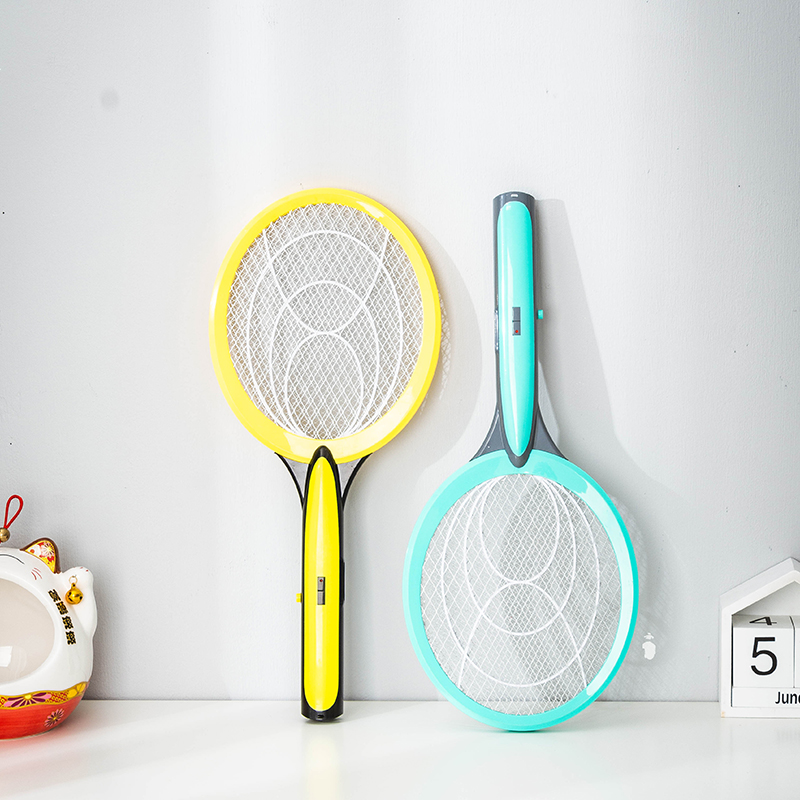
Which One Should You Choose?
The answer depends on your lifestyle, usage habits, and priorities. Here’s a quick guide to help you decide:
Choose Rechargeable If…
-
You use a mosquito swatter regularly (e.g., every night during summer) at home.
-
You want to save money in the long run and reduce environmental waste.
-
You value convenience (no need to buy batteries) and extra features like LED lights or foldable designs.
-
You have access to a power source for recharging.
Choose Disposable If…
-
You need a swatter for short-term use (e.g., a weekend camping trip, a temporary stay in a mosquito-prone area).
-
You don’t have access to a power source for recharging.
-
You’re on a tight budget upfront and don’t mind replacing batteries or the swatter itself.
-
You only need a basic, no-frills tool for occasional use.
Final Verdict
For most homeowners and regular users, rechargeable mosquito swatters are the better choice. They’re more cost-effective, environmentally friendly, and convenient in the long run, with better features that enhance usability. Disposable swatters have their place—they’re perfect for short-term or emergency use—but they can’t match the value and sustainability of rechargeable models.
Ultimately, the best mosquito swatter is the one that fits your needs. If you prioritize convenience and long-term savings, go rechargeable. If you need something cheap and ready to use immediately, disposable works. Either way, you’ll be able to enjoy mosquito-free summer nights—without the buzz!
Buying Guide for Mother-Baby-Friendly Mosquito Killer Lamps
Avoid Pitfalls in Custom Electric Mosquito Swatters
Related Article

If you’re struggling with annoying mosquitoes, flies, and other flying pests indoors and outdoors, upgrading from traditional manual tools to anElectric Mosquito Swatter is the most efficient solution. Many homeowners and renters search where to buy fly swatter online to find durable, safe, and high-performance electric models that deliver instant pest control.
Where to Buy Fly Swatter
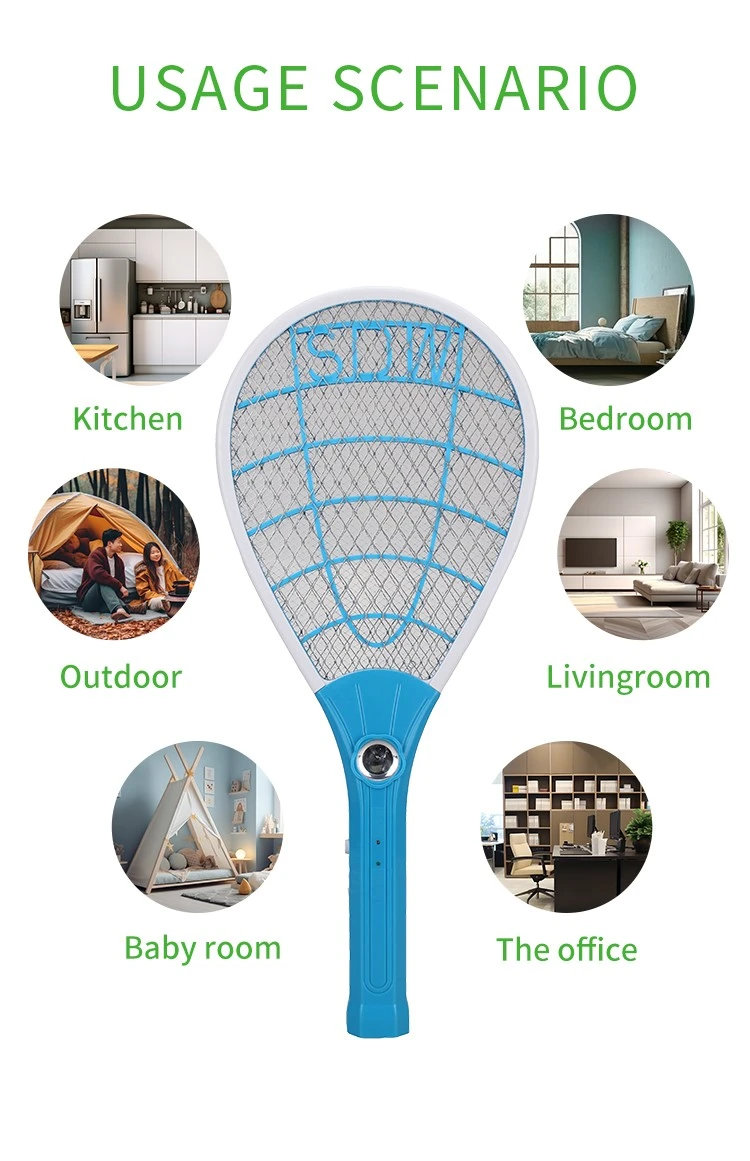
Most importers of electric mosquito swatters obsess over the first order: samples requested, factories vetted, a pre-shipment inspection booked. Then the reorder arrives eight months later and something is off. The grid feels softer. The charge port is a slightly different shade of black. The carton thickness dropped from 350 gsm to 300 gsm. Nothing is catastrophic — but the product no longer matches what your retail customers approved, and quietly, your return rate starts climbing.
How to Keep Mosquito Swatter Quality Consistent Across Repeat Orders
Warranty returns are the silent margin killer in the mosquito control category. A distributor who buys a swatter at $1.80 FOB and retails it at $9.90 can absorb a 1% return rate without noticing — but at 5%, the combined cost of replacement units, reverse logistics, and refund processing erases most of the line's profit.
Common mosquito swatter killer lamp failure modes wholesale spec guide

Digital bathroom scales rank as the second-highest-volume consumer weighing product category, only behind kitchen scales, with distinct market and product characteristics that set them apart from other scale types in importers’ product portfolios.
Digital bathroom body fat-bia-scale wholesale buyers guide