
Regional Sales Analysis of Electric Mosquito Swatters
2026-06-28
Regional Sales Analysis of Electric Mosquito Swatters: Which Regions Buy the Most?
Every spring and summer, electric mosquito swatters become essential small household appliances for every family. Compared with chemical mosquito repellent products such as mosquito coils and repellent liquids, electric mosquito swatters are odor-free, leave no chemical residues, deliver intuitive and efficient mosquito elimination, and offer extremely high cost performance. They are one of the most widely recognized mosquito repellent tools among households.
However, few people know that the sales volume of electric mosquito swatters varies drastically across regions. The climate, humidity, mosquito activity levels, and consumption habits of residents in different areas directly determine provincial purchase volumes and market penetration rates. Based on 2024–2025 sales data for small household appliances, this article conducts an in-depth inventory of the regions with the highest electric mosquito swatter sales nationwide and reveals the underlying market rules and consumption logic.
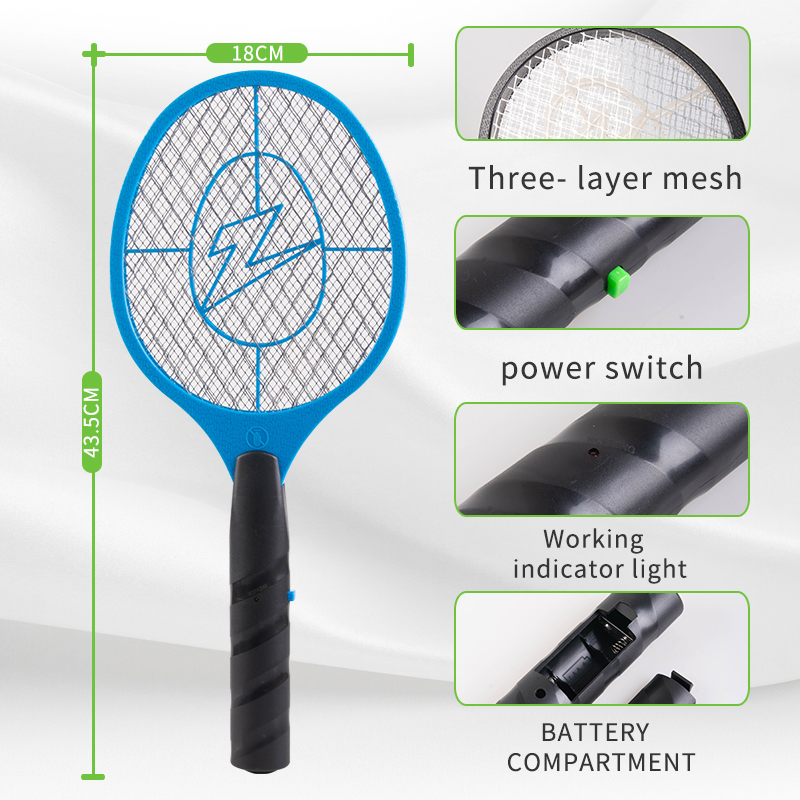
1. Top-Selling Regions: South and East China Dominate Market Sales
From a national market perspective, the consumption of electric mosquito swatters is highly concentrated. South and East China together account for approximately 58% of national sales, forming the undisputed core consumption regions and far outperforming North, Central, Southwest, and Northwest China. The strong sales in these two regions are mainly attributed to their hot and humid climates and residents’ high demand for household hygiene.
1.1 South China: National Penetration Leader, Guangdong Ranking First
South China has the most rigid demand and the highest market penetration rate for electric mosquito swatters nationwide, covering Guangdong, Guangxi, Fujian, and Hainan Provinces. Statistics show that the household penetration rate in South China exceeds 68%, with over 76 units per 100 households, well above the national average of 52%.
Guangdong Province consistently ranks first in national sales, with an annual sales volume exceeding 12 million units, making it China’s largest consumer of electric mosquito swatters. Featuring a subtropical monsoon climate, Guangdong has year-round high temperatures and heavy rainfall with high humidity. Mosquitoes remain active for 8 to 10 months annually, breeding continuously from early spring to late autumn, creating a year-round demand for mosquito control tools. Meanwhile, Guangdong has a high urbanization rate, and local residents prioritize household health and avoid chemical repellents, further driving purchases of electric mosquito swatters.
Guangxi, Hainan, and Fujian follow closely behind. These three provinces also feature high humidity and abundant stagnant water, creating ideal mosquito breeding conditions. Electric mosquito swatters are extremely popular in rural and township households, serving as key incremental markets in South China.
1.2 East China: Second-Tier Sales Hub with Jiangsu, Zhejiang and Shanghai as Core Consumers
East China is the second-largest core market for electric mosquito swatters, steadily contributing around 30% of national market share. Jiangsu, Zhejiang, and Shanghai stand out prominently, jointly occupying nearly 30% of national sales.
Data shows that Jiangsu achieves annual sales of 9.8 million units and Zhejiang 8.6 million units, ranking second and third nationwide respectively. East China experiences sweltering and humid summers with a long plum rain season, where abundant rainfall fuels vigorous mosquito reproduction, resulting in the second-highest mosquito density across the country. In addition, residents in Jiangsu, Zhejiang, and Shanghai have strong purchasing power and frequently upgrade small household appliances. Beyond basic models, high-end multi-functional electric mosquito swatters with charging ports, built-in lights and foldable designs top national sales charts.
Provinces including Anhui, Shandong, and Jiangxi in East China maintain stable sales dominated by basic entry-level products. Their overall penetration rates are slightly lower than those of Jiangsu, Zhejiang, and Shanghai, yet they sustain steady year-round demand with minor seasonal fluctuations.
2. Moderate Demand Regions: Steady Growth in Central and Southwest China
Compared with the booming demand in South and East China, Central and Southwest China register moderate sales and represent promising growth markets. Driven by the expansion of e-commerce and logistics networks in rural areas, sales have continued to rise in recent years.
2.1 Central China: Provincial Capitals Drive Core Sales
Central China covers Henan, Hubei, and Hunan Provinces, with an overall household penetration rate of 22.1% and a consumption density of 105 units per 10,000 people. Featuring distinct four seasons, the region sees high temperatures and sweltering summers with concentrated mosquito outbreaks, leading to highly seasonal demand.
Sales in the region are highly concentrated in core urban areas. Wuhan, Changsha, and Zhengzhou contribute 68% of the region’s total sales. Penetration rates were previously low in sinking markets, but the popularization of community group buying and county-level e-commerce has boosted purchases among rural households. The regional penetration rate is expected to exceed 26% by the end of 2025.
2.2 Southwest China: Chengdu-Chongqing as Core Market, Weak Demand in Mountainous Areas
Southwest China has a relatively low overall penetration rate of 18.9%, with a consumption density of 89 units per 10,000 people, slightly lower than that of Central China. Market performance varies sharply across the region. The Chengdu and Chongqing metropolitan areas boast strong market demand and high household penetration, serving as the backbone of the southwest market.
In mountainous areas of Yunnan, Guizhou, and Sichuan, limited logistics coverage, unique living environments, and traditional consumption habits restrict the popularity of electric mosquito swatters. Most local households still rely on traditional mosquito coils, leaving huge room for market growth in these areas.
3. Low-Demand Regions: North and Northwest China Rank Lowest in Sales
North and Northwest China record the lowest electric mosquito swatter sales nationwide, with a combined market share of less than 10%. Weak demand is primarily caused by dry climates and sparse mosquito populations.
North China, including Beijing, Tianjin, Hebei, and Shanxi, has short summers and dry air, offering limited conditions for mosquito breeding. Mosquito numbers are far lower than in southern China, resulting in only short-term seasonal demand and extremely low household penetration.
Northwest China covers Shaanxi, Gansu, Ningxia, and Xinjiang, featuring arid and rainless climates with short annual mosquito active periods. Except for some river valleys and humid zones, most areas barely require mosquito elimination tools. Electric mosquito swatters are only niche necessities here, with sales consistently ranking at the bottom nationwide.
4. Core Factors Behind Regional Sales Disparities
The nationwide regional differences in electric mosquito swatter consumption are not accidental but stem from three key determining factors:
First, climate and humidity. Hot and humid regions with abundant rainfall, namely South and East China, have long mosquito active cycles and high mosquito density, generating strong rigid demand. In contrast, dry northern regions have significantly lower market demand.
Second, consumption concepts. Southern residents pay more attention to household health and avoid the side effects of chemical mosquito repellents, preferring safe, residue-free electric mosquito swatters. Northern consumers are more accustomed to traditional mosquito control methods and show lower acceptance of electric swatters.
Third, economic development and logistics channels. South and East China feature advanced economic development and full e-commerce logistics coverage, driving frequent appliance upgrades. Weak logistics and sales channels in Southwest and Northwest China greatly restrict local market sales.
5. Future Market Trends: Sinking Markets Become Key Growth Drivers
The core markets in South and East China are approaching saturation with sufficient household inventory, so future sales growth will mainly rely on product replacement and upgrading. In contrast, third- and fourth-tier cities and township markets in Central and Southwest China will become the core growth engine for electric mosquito swatter sales. With the continuous expansion of e-commerce and logistics networks, multi-functional, portable and safe rechargeable electric mosquito swatters will gradually replace traditional old models, unleashing huge market potential in low-penetration regions.
In summary, Guangdong, Jiangsu, and Zhejiang are the top three provincial consumers of electric mosquito swatters nationwide. Humid southern regions will remain the core market for electric mosquito swatters, while the northern market will see no significant breakthroughs in the short term, and this regional consumption pattern will remain stable for a long time.
Are Smarter Electric Mosquito Swatters Really Better
A Complete Guide to Electric Swatter Manufacturing Lead Time
Related Article

If you’re struggling with annoying mosquitoes, flies, and other flying pests indoors and outdoors, upgrading from traditional manual tools to anElectric Mosquito Swatter is the most efficient solution. Many homeowners and renters search where to buy fly swatter online to find durable, safe, and high-performance electric models that deliver instant pest control.
Where to Buy Fly Swatter
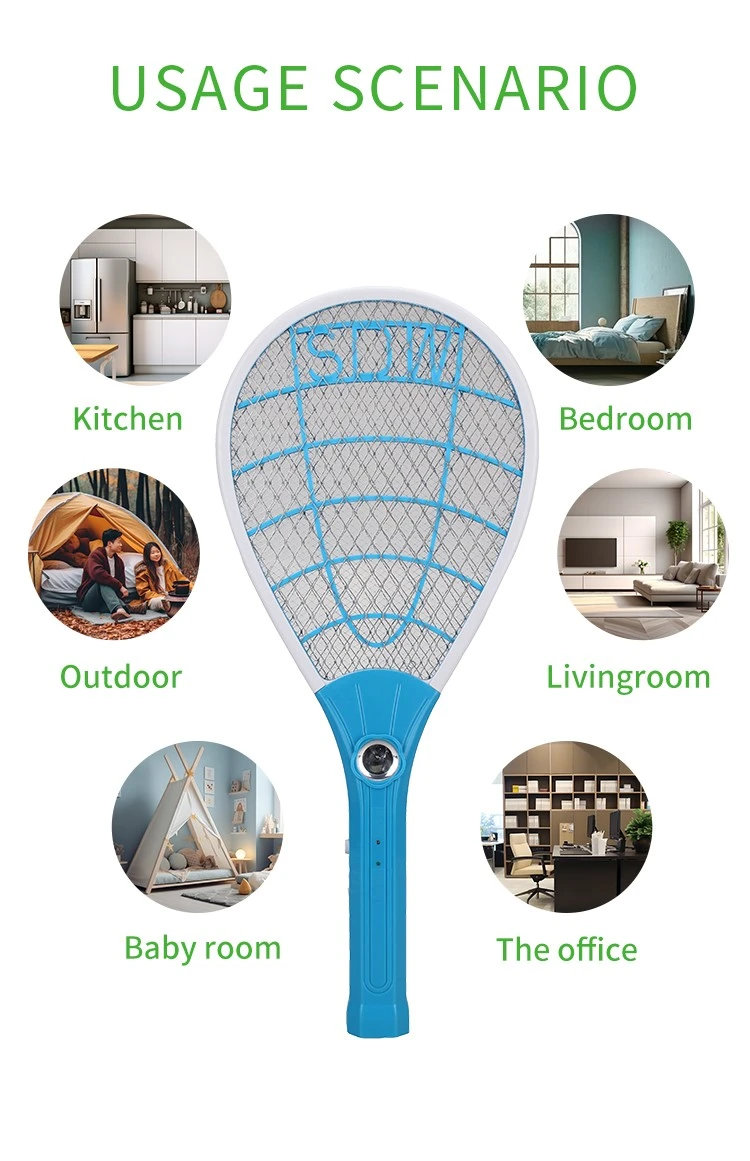
Most importers of electric mosquito swatters obsess over the first order: samples requested, factories vetted, a pre-shipment inspection booked. Then the reorder arrives eight months later and something is off. The grid feels softer. The charge port is a slightly different shade of black. The carton thickness dropped from 350 gsm to 300 gsm. Nothing is catastrophic — but the product no longer matches what your retail customers approved, and quietly, your return rate starts climbing.
How to Keep Mosquito Swatter Quality Consistent Across Repeat Orders
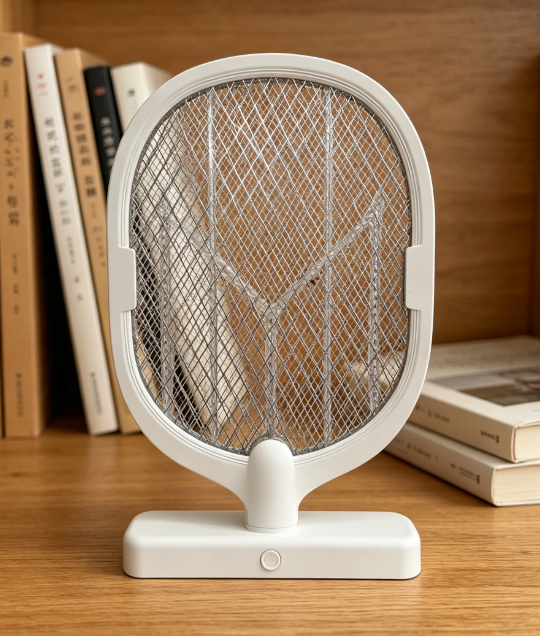
Warranty returns are the silent margin killer in the mosquito control category. A distributor who buys a swatter at $1.80 FOB and retails it at $9.90 can absorb a 1% return rate without noticing — but at 5%, the combined cost of replacement units, reverse logistics, and refund processing erases most of the line's profit.
Common mosquito swatter killer lamp failure modes wholesale spec guide

Digital bathroom scales rank as the second-highest-volume consumer weighing product category, only behind kitchen scales, with distinct market and product characteristics that set them apart from other scale types in importers’ product portfolios.
Digital bathroom body fat-bia-scale wholesale buyers guide