
Revealing the Best-Selling Code of Electric Mosquito Swatters
2026-02-01
Revealing the Best-Selling Code of Electric Mosquito Swatters: Analysis of Core Selling Periods
During the mosquito-active season, electric mosquito swatters have become a necessary small household appliance for families and various scenarios, relying on their core advantages of physical mosquito control and no chemical residues, and they have long been among the top-selling small household appliances in summer. The popularity of electric mosquito swatters is not accidental; their sales fluctuations are closely related to seasonal changes, climatic conditions, consumption scenarios and regional differences. This article will systematically analyze the best-selling rules of electric mosquito swatters, providing a reference for consumers to stock up and purchase, and for practitioners to conduct market research and judgment.
I. Core Selling Period of Electric Mosquito Swatters: Summer Golden Sales Period
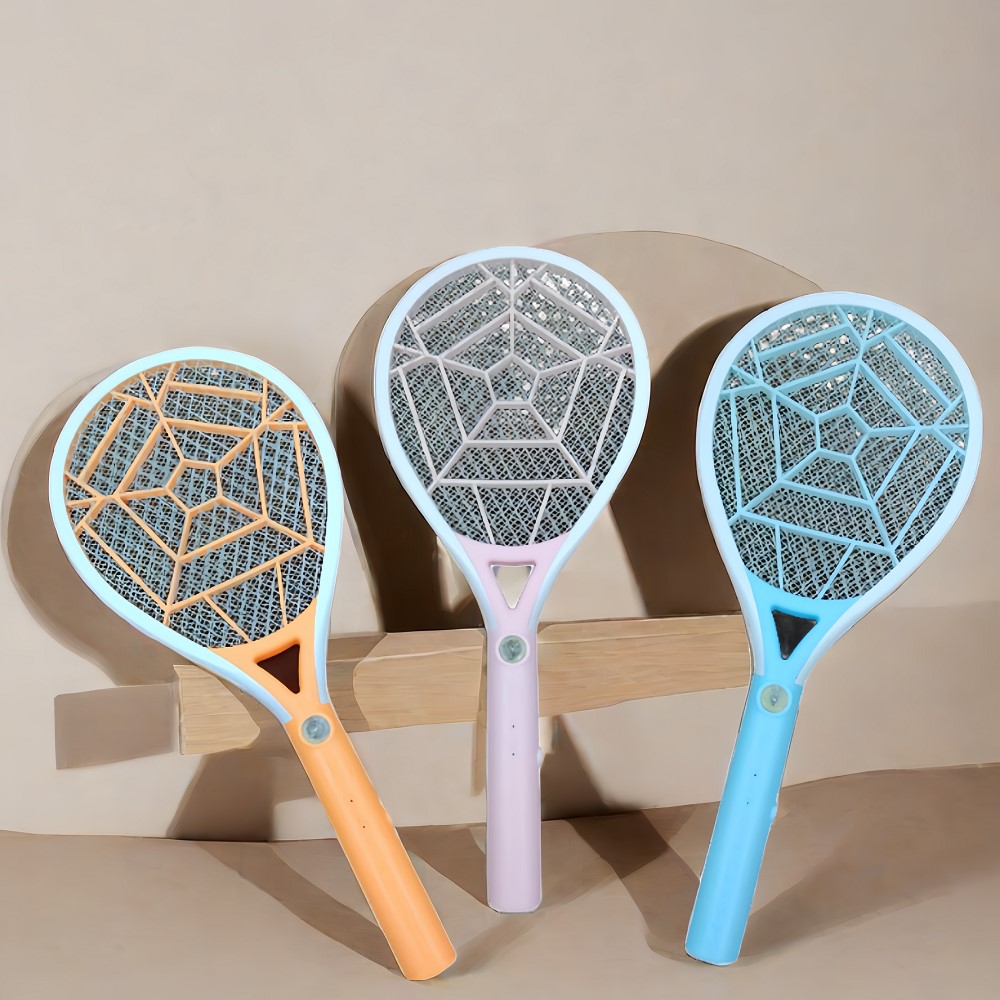
(1) Core Selling Cycle: May-September, Accounting for More Than 70% of Annual Sales
The core selling period of electric mosquito swatters is from May to September every year. As its "golden sales period", this period accounts for more than 70% of the annual sales, making it a typical peak period for seasonal necessary products. The core logic of the popularity during this period lies in the high alignment between the mosquito activity cycle and consumer demand: starting from the end of April every year, the national temperature gradually rises, especially in southern regions, which take the lead in entering a hot and humid climate. When the temperature stabilizes above 20℃ and the relative humidity reaches about 70%, mosquitoes enter a large-scale breeding stage, officially ushering in an activity peak in mid-to-late May, and gradually fading after the temperature drops at the end of September. Consumer demand rises synchronously with mosquito activity.
(2) Two Major Sales Peaks During the Golden Period
There are two sales peaks during the golden sales period from May to September, namely mid-to-late May-June and late July-August. The first peak is dominated by advance stockpiling and emergency consumption. During the alternation of spring and summer, the frequency of mosquito bites increases significantly. Groups sensitive to chemical mosquito repellent products, such as infants and the elderly, prefer electric mosquito swatters as protective tools; coupled with the 618 e-commerce promotion node, merchants centrally launch discounts, full reductions and other preferential activities, further stimulating consumer demand and driving a substantial growth in sales. According to data from JD.com and Tmall, during the 618 period in 2023, the sales volume of electric mosquito swatters increased by 38.5% and 41.2% year-on-year respectively, with the highest daily sales exceeding 450,000 units.
The second peak is the peak period of rigid demand. July-August is the hottest and most humid period of the year, and also the most vigorous stage for mosquito reproduction. Urban apartments, rural courtyards, outdoor scenarios and other places are all facing severe mosquito troubles. The frequency of electric mosquito swatter use reaches the annual peak, which in turn drives secondary purchases and instant consumption. It is worth noting that with the rise of the instant retail model, late night has become an important small sales peak. When consumers have emergency needs due to mosquito interference at night, they can place orders instantly through platforms such as Ele.me and Meituan Flash Shopping to achieve rapid delivery and immediate use.
II. Easily Overlooked Secondary Selling Periods
In addition to the core summer golden period, there are two easily overlooked secondary selling periods for electric mosquito swatters, namely the preheating period from March to April and the clearance period from September to October. Although mosquito activity is low from March to April, groups with consumption experience mostly choose to stock up in advance, on the one hand to avoid price increases and shortage of supply during the summer peak season, and on the other hand to make early protection preparations to deal with sudden mosquito infestations; after the end of summer from September to October, merchants launch clearance activities to clear inventory, and product prices drop to the lowest level of the year. Consumers mostly take this opportunity to stock up for future use, among which rural residents and outdoor enthusiasts have particularly prominent purchasing demand for cost-effective models.
III. Regional Differences in Selling Periods
There are significant regional differences in the selling periods of electric mosquito swatters, generally showing the characteristics that the selling period in the south is earlier and longer than that in the north. In southern provinces such as Guangdong, Guangxi, Fujian and Hunan, due to the hot and humid climate, the mosquito activity cycle is as long as 6-8 months. The selling period of electric mosquito swatters starts in April and lasts until October, with a per capita ownership of 1.2 units per household, far exceeding the national average level; in northern regions, summer comes late and ends early, and the mosquito activity period is concentrated in June-August, so the selling period of electric mosquito swatters is mainly concentrated in these three months, and consumer demand is dominated by basic models. In addition, consumers in eastern coastal provinces have a strong demand for upgrading electric mosquito swatters, while in central and western regions and rural markets, with the sinking of e-commerce channels, consumer demand shows a rapid growth trend, and the selling period is also gradually extending.
IV. Summary of Best-Selling Rules and Suggestions for Consumption and Market
The best-selling rules of electric mosquito swatters essentially follow the core logic of "demand adapting to scenarios". The distribution range of mosquitoes determines the coverage area of demand, and the activity cycle of mosquitoes determines the fluctuation period of sales. From the perspective of industry consumption trends, product demand during the selling period not only focuses on basic mosquito control functions, but also mid-to-high-end electric mosquito swatters with additional functions such as USB charging, LED lighting and anti-misoperation have a significantly higher sales growth rate than basic models. Among them, young family groups aged 25-35 are more inclined to pay a premium for safe and convenient high-quality products.
In summary, from the perspective of consumption cost performance, consumers can choose to purchase electric mosquito swatters during the preheating period from March to April or the clearance period from September to October; if there is an immediate mosquito repellent demand, they can buy them at any time during the summer golden period from May to September, among which the 618 e-commerce promotion period has the largest preferential strength and the best cost performance; consumers in southern regions are advised to stock up in advance to avoid shortage of supply and price increase during the summer peak season. Mastering the best-selling rules of electric mosquito swatters can help consumers achieve rational purchase and cost saving, and at the same time provide a reference direction for small household appliance practitioners in market layout.
Guide for Nail Polish Repair of Scratched Electric Fly Swatters
Revealing the Labor Cost of Electric Fly Swatters
Related Article

If you’re struggling with annoying mosquitoes, flies, and other flying pests indoors and outdoors, upgrading from traditional manual tools to anElectric Mosquito Swatter is the most efficient solution. Many homeowners and renters search where to buy fly swatter online to find durable, safe, and high-performance electric models that deliver instant pest control.
Where to Buy Fly Swatter
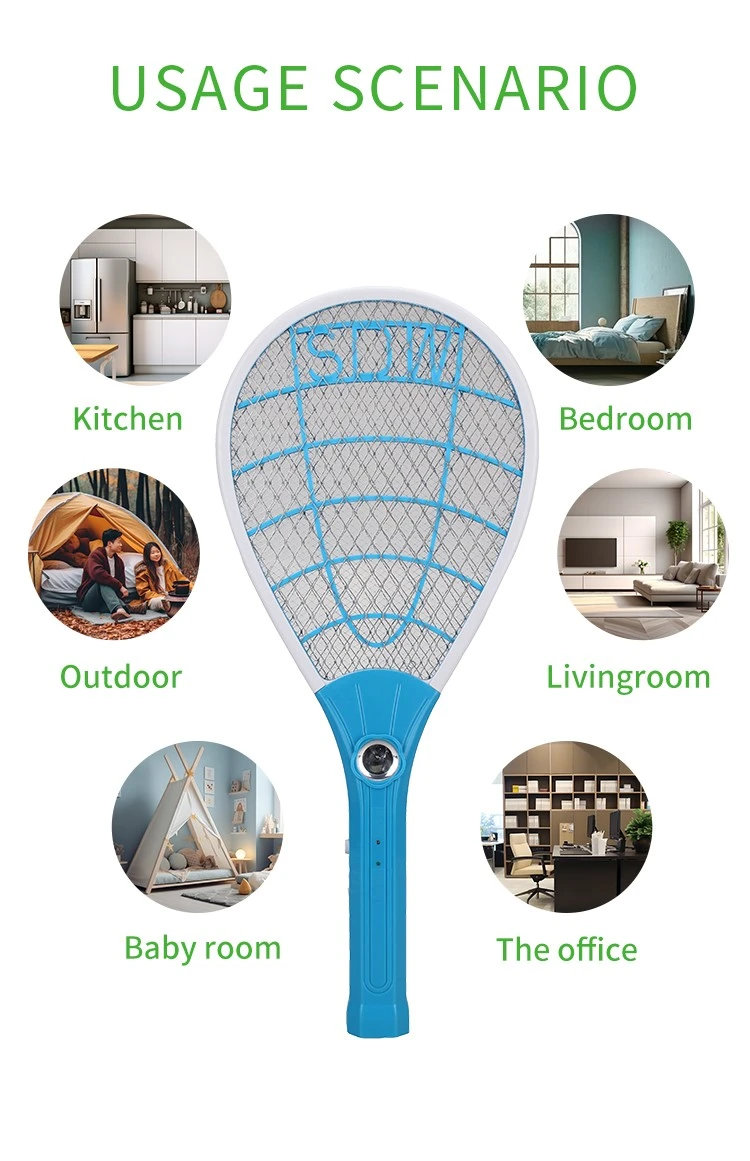
Most importers of electric mosquito swatters obsess over the first order: samples requested, factories vetted, a pre-shipment inspection booked. Then the reorder arrives eight months later and something is off. The grid feels softer. The charge port is a slightly different shade of black. The carton thickness dropped from 350 gsm to 300 gsm. Nothing is catastrophic — but the product no longer matches what your retail customers approved, and quietly, your return rate starts climbing.
How to Keep Mosquito Swatter Quality Consistent Across Repeat Orders
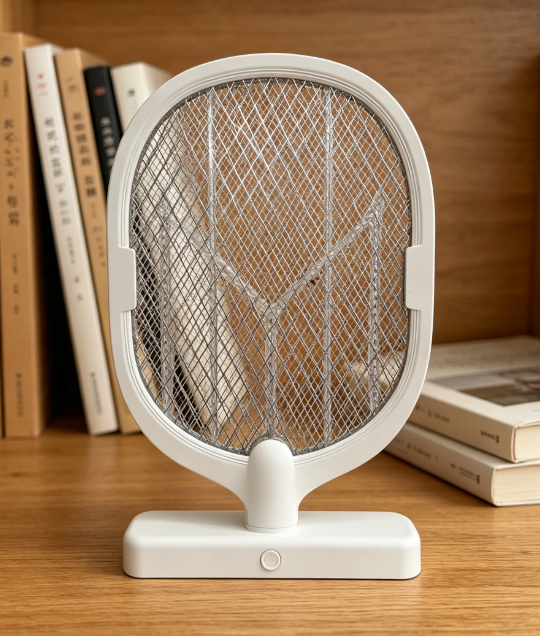
Warranty returns are the silent margin killer in the mosquito control category. A distributor who buys a swatter at $1.80 FOB and retails it at $9.90 can absorb a 1% return rate without noticing — but at 5%, the combined cost of replacement units, reverse logistics, and refund processing erases most of the line's profit.
Common mosquito swatter killer lamp failure modes wholesale spec guide

Digital bathroom scales rank as the second-highest-volume consumer weighing product category, only behind kitchen scales, with distinct market and product characteristics that set them apart from other scale types in importers’ product portfolios.
Digital bathroom body fat-bia-scale wholesale buyers guide