
Revealing the Best-Selling Mosquito Swatter Colors
2026-01-27
Revealing the Best-Selling Mosquito Swatter Colors: More Than Just Aesthetics, Practicality and Compatibility Are Key
As an essential mosquito-repellent tool in every household, mosquito swatters’ color selection has gradually become an important factor influencing consumers’ purchasing decisions, alongside core performance such as mosquito-killing effectiveness and battery life. Browsing major e-commerce platforms, it is easy to find significant sales differences among mosquito swatters of different colors—some top the best-selling lists year-round, while others remain niche choices. Which color of mosquito swatter is the most popular? What consumption logic lies behind it? Let’s explore today.
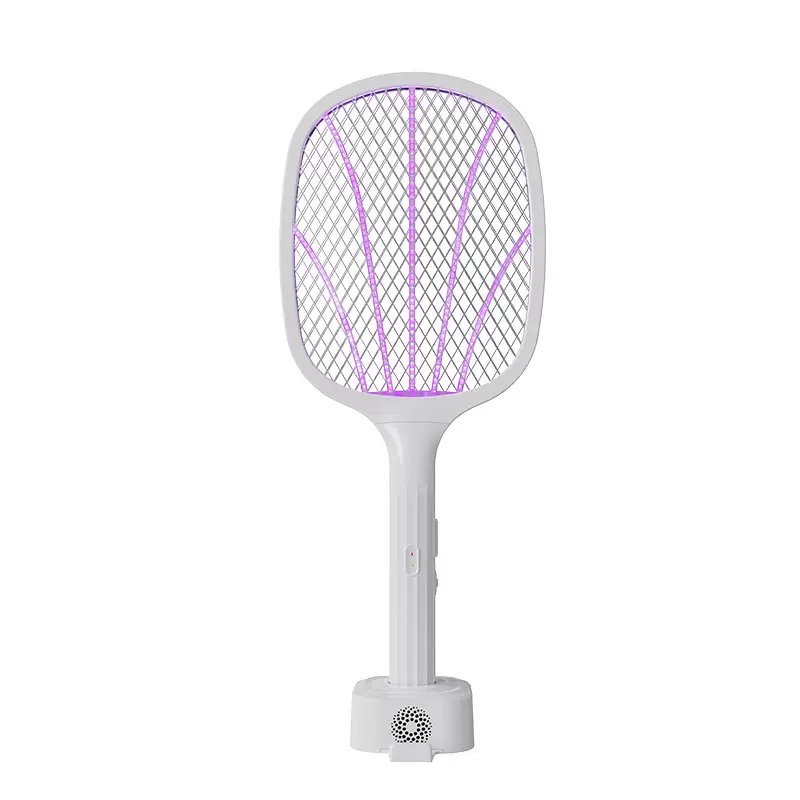
White: The Versatile Champion, Topping the Best-Selling List
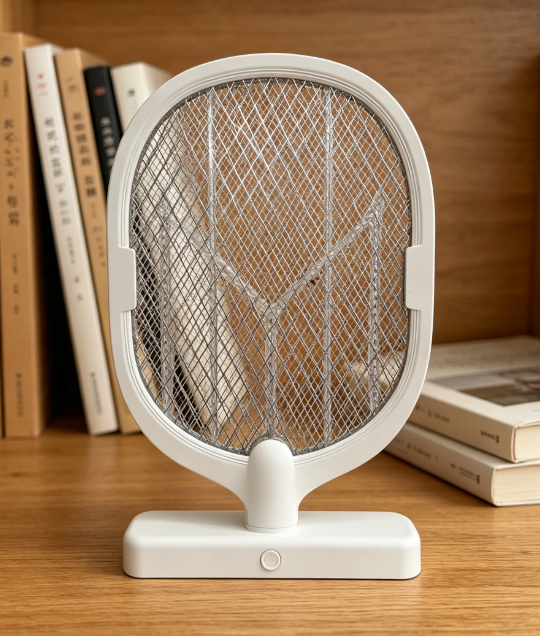
Among various mosquito swatter colors, white is undoubtedly the absolute best-selling mainstay. According to sales data and user reviews on platforms like Taobao and JD.com, white mosquito swatters have consistently led in transaction share, and many 2-in-1 white models (handheld mosquito killing + mosquito trap light) have received rave reviews. One user commented: "Clean and beautiful, simple and elegant. Whether placed in the living room or bedroom, it can easily blend into the home environment without being obtrusive."
The popularity of white is no accident. On one hand, modern home styles are mostly minimalist and fresh. As a representative of achromatic colors, white boasts strong compatibility—it can not only match light-colored home decorations in Nordic or ins styles but also integrate into diverse environments like Chinese and industrial styles, meeting consumers’ aesthetic demand for "home integration". On the other hand, white gives a visual impression of cleanliness and freshness, conveying psychological hints of hygiene and safety, which aligns with the core demand of mosquito-repellent products for health protection. Additionally, stains on the mesh and body of white mosquito swatters are easier to detect, facilitating timely cleaning and balancing practicality with aesthetics.
Classic Black & White: Calm and Versatile, Covering All Groups
Besides white, black mosquito swatters also occupy a considerable market share, forming the "classic two colors" of the mosquito swatter market together with white. Unlike the freshness of white, black mosquito swatters exude a sense of calmness and dirt resistance, making them more popular among consumers who pursue low-key practicality. Especially for male users and renters, black bodies are not easy to look worn out—even slight scratches from long-term use will not affect the overall appearance.
Market research data shows that white and black have become the mainstream color choices for electric mosquito swatters due to their "versatility and easy integration into home environments", accounting for nearly 70% of the total market share combined. Brand manufacturers also tend to launch core functional models in black and white first, supplemented by a small number of colored models, which fully demonstrates the market appeal of classic color schemes.
Colored Models: Niche Breakthrough, Focusing on Personalized Scenarios
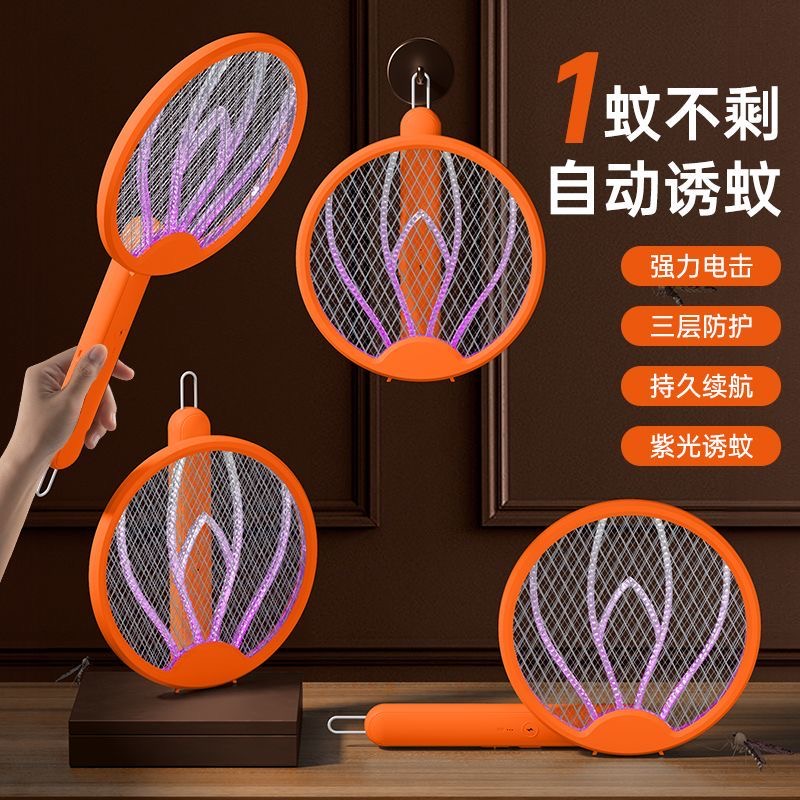
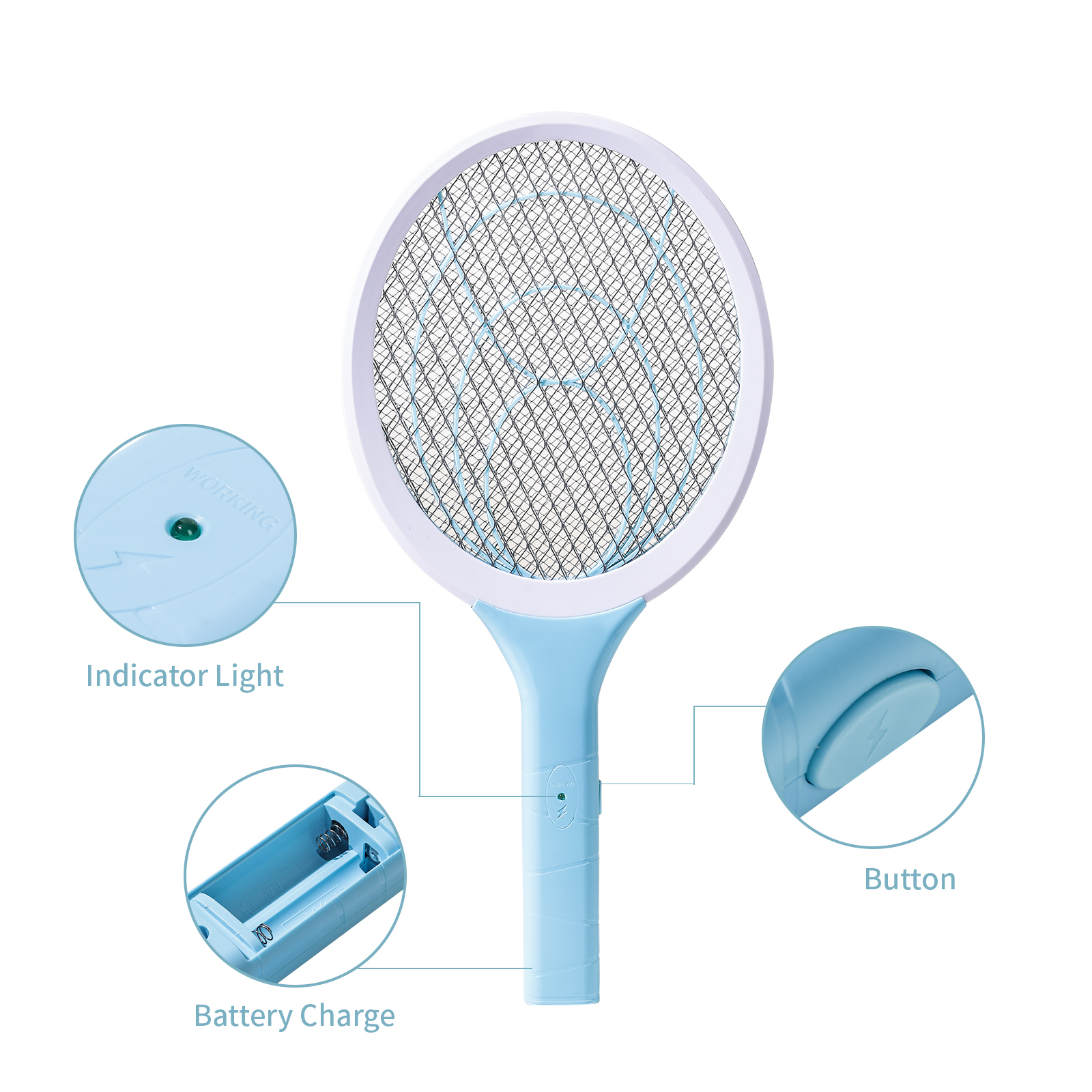
Compared with the universal compatibility of black and white, colored mosquito swatters target niche groups and scenarios, winning with their appearance. Common colored models include green, blue, lotus pink, etc. Among them, lotus pink, with its soft and cute visual effect, is quite popular among young women and students, becoming a trending choice for dormitories and bedrooms. Some brands have also launched customized colored models to meet consumers’ pursuit of personalized home goods and create a differentiated competitive advantage.
However, it should be noted that the popularity of colored mosquito swatters has obvious scenario limitations. On one hand, bright colors have poor compatibility and are difficult to integrate into the overall home decoration style of most families. On the other hand, some bright-colored mosquito swatters may cause visual interference, and stains are not easy to detect, resulting in relatively high cleaning difficulty. More importantly, insects have different sensitivities to colors—bright colors like bright yellow, with high ultraviolet reflectivity, easily attract mosquitoes, which is contrary to the core demand of repelling mosquitoes. This is also an important reason why colored models are difficult to become mainstream.
Color Selection Tips: Beyond Aesthetics, These Matter More
Although color affects purchasing decisions, when choosing a mosquito swatter, one should not only focus on appearance while ignoring core performance. First, prioritize versatile and dirt-resistant colors like white and black, especially for families that value home coordination. Second, avoid high-gloss reflective colors like bright yellow to prevent attracting additional mosquitoes. Finally, if pursuing personalization, choose light-colored models according to the usage scenario, while considering cleaning convenience and product quality.
In summary, the underlying logic of mosquito swatter color popularity is essentially "practicality and compatibility first, aesthetics and personalization as supplements". White has become the sales champion with its versatility and freshness, classic black and white models cover the mainstream group, and colored models seek breakthroughs in niche markets. Next time you buy a mosquito swatter, you may wish to balance appearance and practicality by considering your home decoration style, usage scenario and core needs.
A Guide to Packaging Design for Electric Mosquito Swatters
Sales Decline of Electric Mosquito Swatters in Winter
Related Article

If you’re struggling with annoying mosquitoes, flies, and other flying pests indoors and outdoors, upgrading from traditional manual tools to anElectric Mosquito Swatter is the most efficient solution. Many homeowners and renters search where to buy fly swatter online to find durable, safe, and high-performance electric models that deliver instant pest control.
Where to Buy Fly Swatter
Most importers of electric mosquito swatters obsess over the first order: samples requested, factories vetted, a pre-shipment inspection booked. Then the reorder arrives eight months later and something is off. The grid feels softer. The charge port is a slightly different shade of black. The carton thickness dropped from 350 gsm to 300 gsm. Nothing is catastrophic — but the product no longer matches what your retail customers approved, and quietly, your return rate starts climbing.
How to Keep Mosquito Swatter Quality Consistent Across Repeat Orders
Warranty returns are the silent margin killer in the mosquito control category. A distributor who buys a swatter at $1.80 FOB and retails it at $9.90 can absorb a 1% return rate without noticing — but at 5%, the combined cost of replacement units, reverse logistics, and refund processing erases most of the line's profit.
Common mosquito swatter killer lamp failure modes wholesale spec guide

Digital bathroom scales rank as the second-highest-volume consumer weighing product category, only behind kitchen scales, with distinct market and product characteristics that set them apart from other scale types in importers’ product portfolios.
Digital bathroom body fat-bia-scale wholesale buyers guide