
Revealing the Lifespan of Electric Mosquito Swatters
2025-09-29
Revealing the Lifespan of Electric Mosquito Swatters: Follow These Tips to Keep It with You Through Multiple Mosquito Seasons
Every time the mosquito - infested season comes around, the electric mosquito swatter becomes a "savior" for many families. With a simple wave, it can quickly eliminate mosquitoes. It is more environmentally friendly and safer than traditional mosquito coils and insecticides, thus gaining more popularity. However, many people may wonder: why does their electric mosquito swatter become less durable after just one year of use? Is it a quality issue or improper usage? How long exactly is the lifespan of an electric mosquito swatter? Today, we will delve into this topic in detail to help you figure out the "service cycle" of electric mosquito swatters and how to extend their usage time.
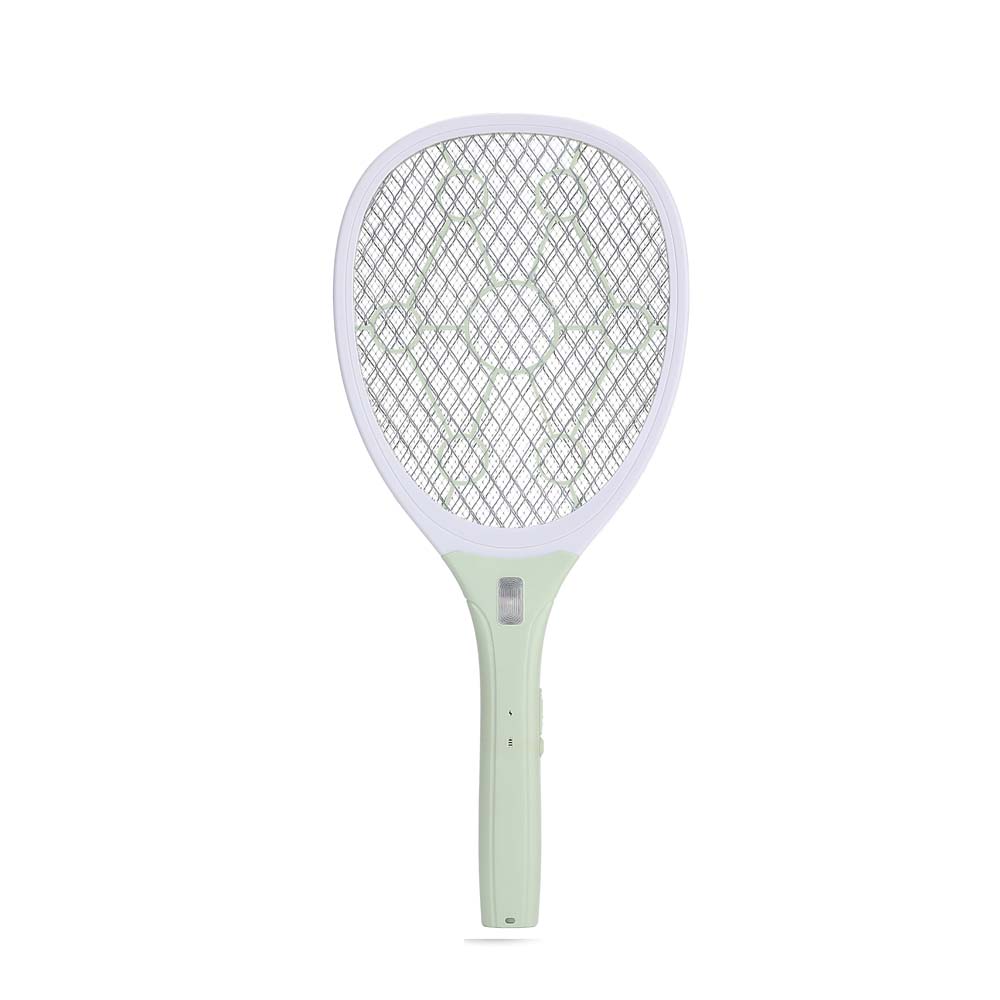
The Lifespan of Electric Mosquito Swatters: It Depends on These 3 Core Components, and Normally Lasts 2 - 5 Years
The lifespan of an electric mosquito swatter is not a fixed value; it is determined by the wear and tear of its core components. Generally speaking, a qualified electric mosquito swatter can be used normally for 2 to 5 years. But if the components are damaged in advance, its lifespan may be significantly shortened. We can understand this from the perspective of the three most crucial components:
1. Battery: The Key Determinant of the Electric Mosquito Swatter's "Endurance", with a Lifespan of 1 - 3 Years
The batteries of electric mosquito swatters are divided into rechargeable types (lithium - ion batteries, nickel - cadmium batteries) and dry cell types, among which rechargeable ones are the mainstream. Rechargeable batteries have a clear "cycle life" - lithium - ion batteries can usually undergo 300 to 500 charge - discharge cycles, while nickel - cadmium batteries can handle approximately 200 to 300 cycles. If you use the swatter 1 to 2 times a day and each full charge allows it to be used for 1 to 2 weeks, a lithium - ion battery can last for about 1.5 to 3 years. After that, problems such as "being unable to be charged" and "a sudden drop in endurance" will occur, which is also the most common reason for electric mosquito swatters to "retire" early.
The lifespan of dry cell - type electric mosquito swatters depends on the frequency of battery replacement. As long as the power grid and circuit are in good condition, you can continue to use it by replacing the batteries. However, dry cells are prone to leakage when left unused for a long time, which may instead corrode the internal parts and shorten the overall lifespan of the swatter.
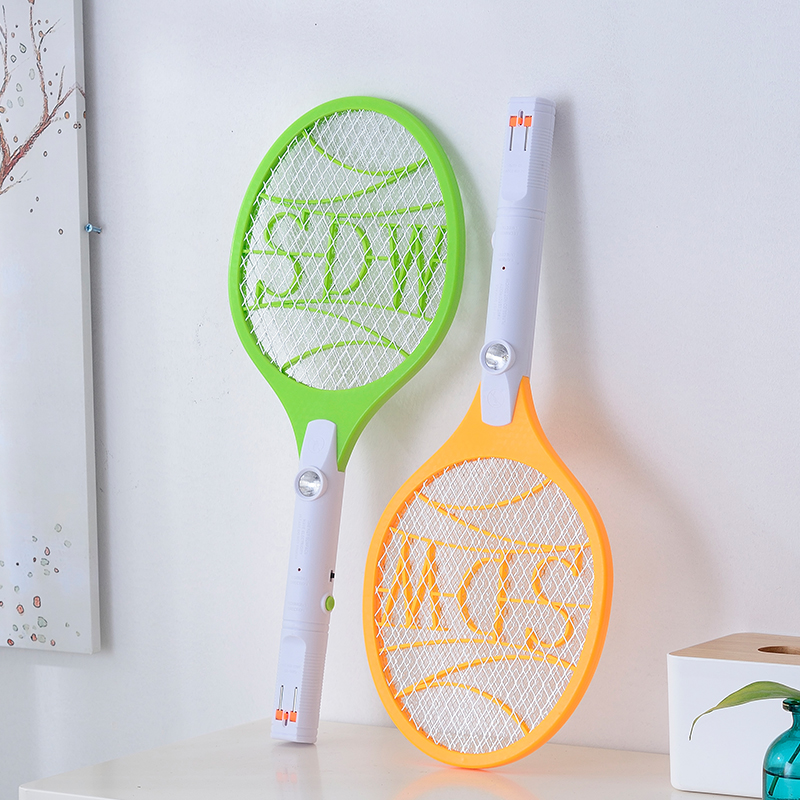
2. High - Voltage Power Grid: Can Be Used for 3 - 5 Years If Not Knocked or Collided
The power grid is the "attack core" of the electric mosquito swatter. Composed of thin metal wires, its main function is to generate high - voltage electricity to electrocute mosquitoes. If you do not frequently drop, collide with the swatter, or intentionally bend the metal wires of the power grid during use, the wear and tear of the power grid will be very small, and it can usually last for 3 to 5 years. However, if you accidentally deform the power grid or break the metal wires, the electric mosquito swatter may not be able to generate high - voltage electricity normally and will have to be scrapped in advance.
3. Circuit Components: Quality Determines the "Basic Lifespan", Ranging from 1 to 4 Years
Inside the electric mosquito swatter, there are circuit components such as a circuit board, capacitors, and resistors, which are responsible for converting the battery voltage into high - voltage electricity. The lifespan of these components mainly depends on the product quality. Cheap electric mosquito swatters may use inferior materials for their components. After long - term use, problems such as capacitor breakdown and resistor burnout are likely to occur, and they may be damaged in 1 to 2 years. On the other hand, high - quality electric mosquito swatters (such as those from regular brands with 3C certification) have more durable components and can be used for 3 to 4 years.
3 Wrong Usage Habits That Will Shorten the Lifespan of Electric Mosquito Swatters
Many people consider electric mosquito swatters as "durable goods" and do not pay much attention to their usage. However, in fact, some bad habits can accelerate their wear and tear:
- Frequent Overcharging: Many people are accustomed to leaving the electric mosquito swatter plugged into the charger all the time, even after it is fully charged. Although rechargeable batteries have an "overcharge protection" function, long - term overcharging will age the protection circuit, and the battery capacity will become smaller and smaller. The endurance that originally could last for 2 weeks may only be able to last for 3 days after half a year.
- Washing with Water or Exposing to Water: An electric mosquito swatter is an electrical appliance with internal circuits. Once it gets wet, it may short - circuit. Some people directly rinse the power grid with water to clean the mosquito corpses on it, or use the swatter in humid environments such as bathrooms and kitchens for a long time. Both of these behaviors will cause the circuit components to be damaged by moisture and even pose safety hazards.
- Hitting Hard Objects with the Power Grid: Occasionally, when a fly is perched on the wall, some people will forcefully hit the wall with the power grid of the swatter, or poke hard objects such as sofas and curtains with the power grid. This can easily break the metal wires of the power grid and even displace the internal circuit board, resulting in the electric mosquito swatter being unable to work normally.
4 Tips to Extend the Lifespan of Electric Mosquito Swatters
If you want your electric mosquito swatter to be used for a longer time, you can easily extend its "service life" by paying attention to the following points:
- Charge Correctly: Each time you charge the swatter, after the indicator light turns green (or indicates that it is fully charged), you only need to charge it for another 30 minutes. Do not charge it for more than 12 hours. When you do not use it for a long time (such as in winter), charge it fully first before storing it, and recharge it every 3 months to avoid battery depletion.
- Clean Gently: When there are mosquito corpses on the power grid, first disconnect the power supply, then gently brush them off with a dry brush or blow them away with the cold air setting of a hair dryer. If the power grid is really dirty, wipe it with a damp cotton swab dipped in a small amount of clean water. After wiping, dry it thoroughly before using it again. Never rinse it directly with water.
- Avoid Knocking, Colliding, and Moisture: When using the swatter, try to wave and hit gently to avoid colliding with hard objects. When not in use, store it in a dry drawer or cabinet, away from humid areas such as sinks and fish tanks. Do not place it in direct sunlight either (to prevent the plastic shell from aging).
- Replace the Battery in a Timely Manner (for Rechargeable Models): If the endurance of the electric mosquito swatter decreases significantly and it can only be used for 1 to 2 days after each full charge, it indicates that the battery has aged. You can check whether the electric mosquito swatter supports battery replacement (some models have detachable batteries). Buying a new rechargeable battery of the same model to replace the old one is more cost - effective than buying a new electric mosquito swatter directly.
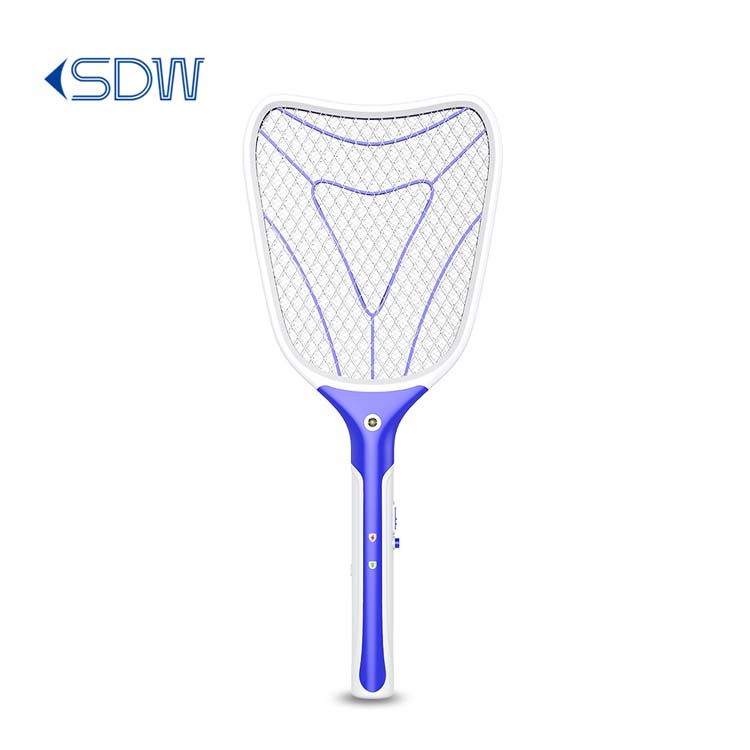
Conclusion: The Lifespan of an Electric Mosquito Swatter Depends Half on Quality and Half on Usage
In conclusion, the normal lifespan of an electric mosquito swatter is 2 to 5 years, and the battery, power grid, and circuit components are the core factors determining its lifespan. If you purchase a product from a regular brand and use and maintain it correctly, it can definitely be used for 3 to 4 years. However, if you use it carelessly, even an expensive electric mosquito swatter may be damaged in just one year.
Finally, a reminder: if the electric mosquito swatter shows signs such as "no response when charging", "no discharge from the power grid", or "a burning smell", do not continue to use it. It is safer to replace it in a timely manner. After all, a durable electric mosquito swatter can help you deal with every mosquito season easily, and that is where its "value lies"!
What is Environmental Tin
Mosquito Traps Are Sensitive Skin & Allergy Sufferers' Best Defense
Related Article

If you’re struggling with annoying mosquitoes, flies, and other flying pests indoors and outdoors, upgrading from traditional manual tools to anElectric Mosquito Swatter is the most efficient solution. Many homeowners and renters search where to buy fly swatter online to find durable, safe, and high-performance electric models that deliver instant pest control.
Where to Buy Fly Swatter
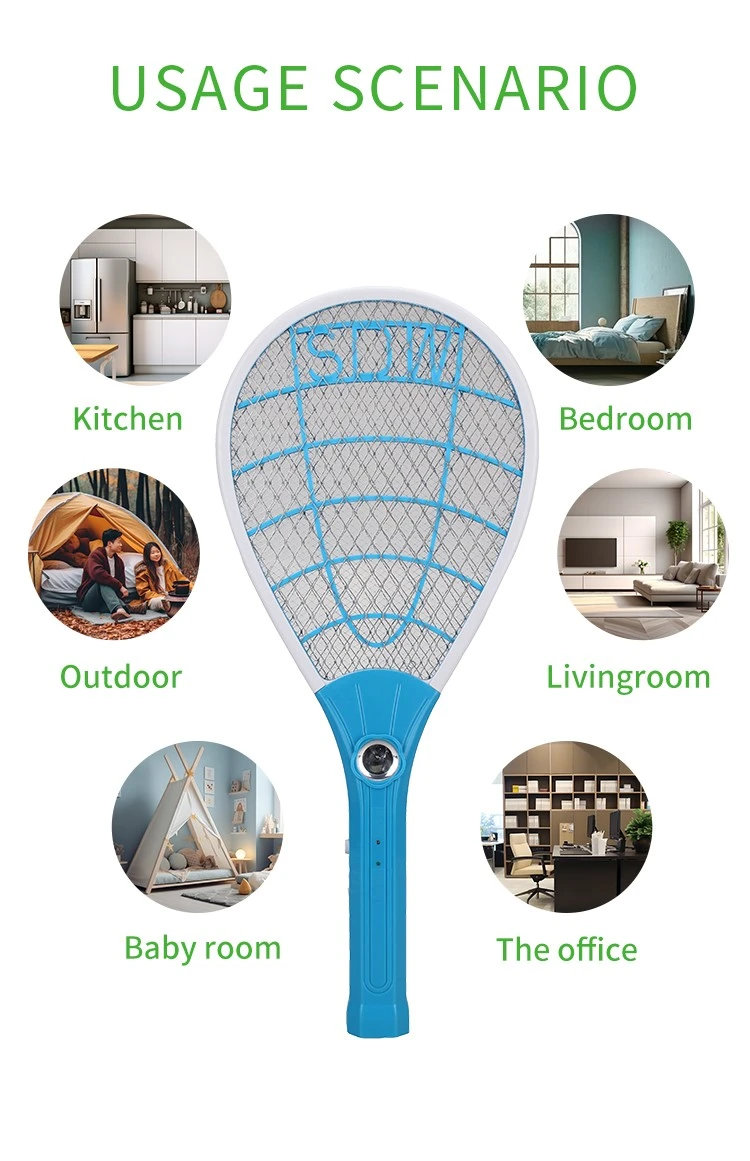
Most importers of electric mosquito swatters obsess over the first order: samples requested, factories vetted, a pre-shipment inspection booked. Then the reorder arrives eight months later and something is off. The grid feels softer. The charge port is a slightly different shade of black. The carton thickness dropped from 350 gsm to 300 gsm. Nothing is catastrophic — but the product no longer matches what your retail customers approved, and quietly, your return rate starts climbing.
How to Keep Mosquito Swatter Quality Consistent Across Repeat Orders
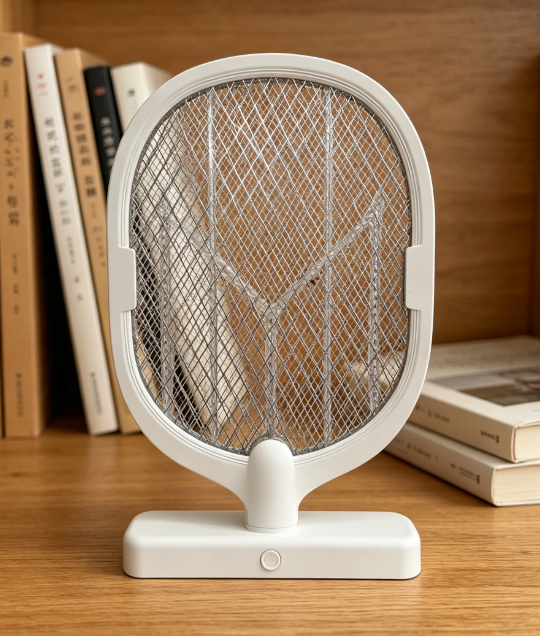
Warranty returns are the silent margin killer in the mosquito control category. A distributor who buys a swatter at $1.80 FOB and retails it at $9.90 can absorb a 1% return rate without noticing — but at 5%, the combined cost of replacement units, reverse logistics, and refund processing erases most of the line's profit.
Common mosquito swatter killer lamp failure modes wholesale spec guide

Digital bathroom scales rank as the second-highest-volume consumer weighing product category, only behind kitchen scales, with distinct market and product characteristics that set them apart from other scale types in importers’ product portfolios.
Digital bathroom body fat-bia-scale wholesale buyers guide