
Revealing the Material of Electric Mosquito Swatter Mesh
2025-10-29
Revealing the Material of Electric Mosquito Swatter Mesh: Why the Classic Combination of "Two Iron Meshes + One Aluminum Mesh"?
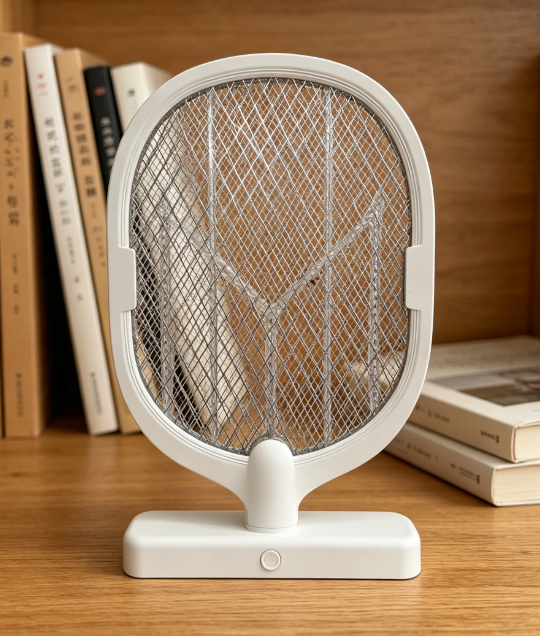
Have you ever wondered what material the mesh of an electric mosquito swatter— the part that stuns mosquitoes— is made of? In fact, the mesh of most mainstream electric mosquito swatters on the market adopts a three-layer structure of "two iron meshes + one aluminum mesh". This material combination is not randomly designed; it embodies careful considerations for safety and practicality.
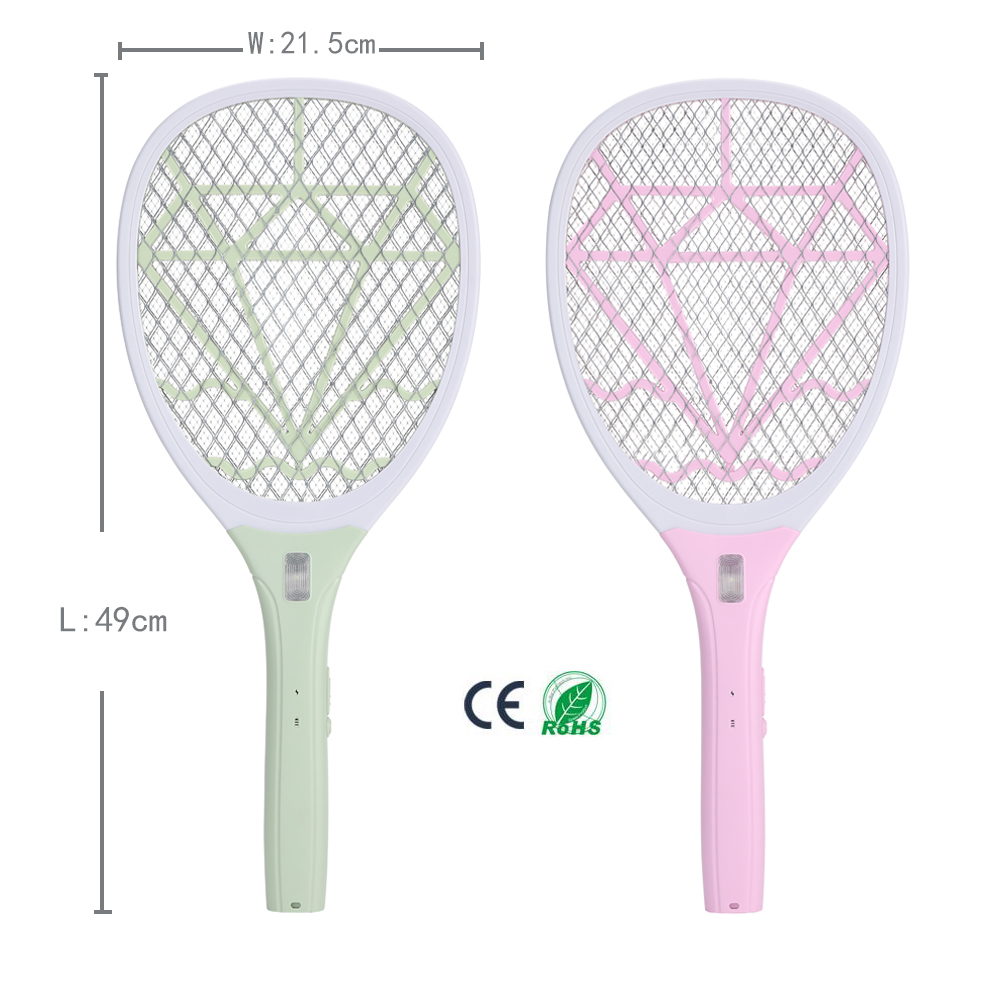
1. Outer Iron Meshes: Serving as a "Safety Shield"
The outer layers of the electric mosquito swatter (i.e., the two layers closest to our hands) usually use iron wire meshes as the core material. The iron wires here are not ordinary ones but low-carbon iron wires treated with "electroplating for rust prevention". Their diameter is generally between 0.3-0.5 mm, and the mesh size is controlled at 5-8 mm— which allows mosquitoes to fly in smoothly while preventing fingers from accidentally touching the internal high-voltage power grid.
Why choose iron meshes for the outer layers? The key lies in their hardness and stability. Iron has higher material strength than aluminum, so the outer iron meshes can act like a "protective shell" to prevent the electric mosquito swatter from deforming due to collision or extrusion during daily use, and at the same time, avoid direct contact between the internal aluminum mesh and external objects. Moreover, after electroplating treatment, the rust resistance of the iron meshes is greatly improved. Even if they occasionally come into contact with moisture (such as when used near the bathroom), they are not easy to rust, which extends the service life of the electric mosquito swatter.
However, it should be noted that some low-cost electric mosquito swatters may use ungalvanized "black iron wires" for the outer layers. This material is prone to rusting, and the mesh may break after long-term use. It is recommended that you observe carefully when purchasing— high-quality iron meshes have a uniform silvery-white coating on the surface and feel smooth without burrs.
2. Middle Aluminum Mesh: The "Core Carrier" of High-Voltage Electricity
Sandwiched between the two iron meshes is the "heart" of the electric mosquito swatter— the aluminum mesh. The core advantages that make it a carrier of high-voltage electricity are "good electrical conductivity" and "light weight". The electrical conductivity of aluminum is second only to copper, but it is about 1/3 lighter than copper. Using an aluminum mesh as the middle layer can not only ensure the efficient transmission of high-voltage electricity (usually the voltage of an electric mosquito swatter is 1500-3000V) but also prevent the overall weight from being too heavy (most electric mosquito swatters weigh 200-300g), making it easier to swing.
In addition, the aluminum mesh has a hidden advantage: it is not easy to produce residual electric sparks. When a mosquito touches the aluminum mesh, the high-voltage electricity will instantly pierce the mosquito's body, producing a short-lived electric spark. However, aluminum has good heat dissipation performance, which can quickly dissipate the heat generated by the electric spark and prevent the mesh from deforming due to local high temperature. It should be noted, though, that the hardness of the aluminum mesh is lower than that of the iron meshes. Therefore, it must rely on the protection of the outer iron meshes. This is also the key reason for the structure of "two iron meshes sandwiching one aluminum mesh"— it not only exerts the conductive advantage of the aluminum mesh but also makes up for the strength deficiency of the aluminum mesh with the iron meshes.
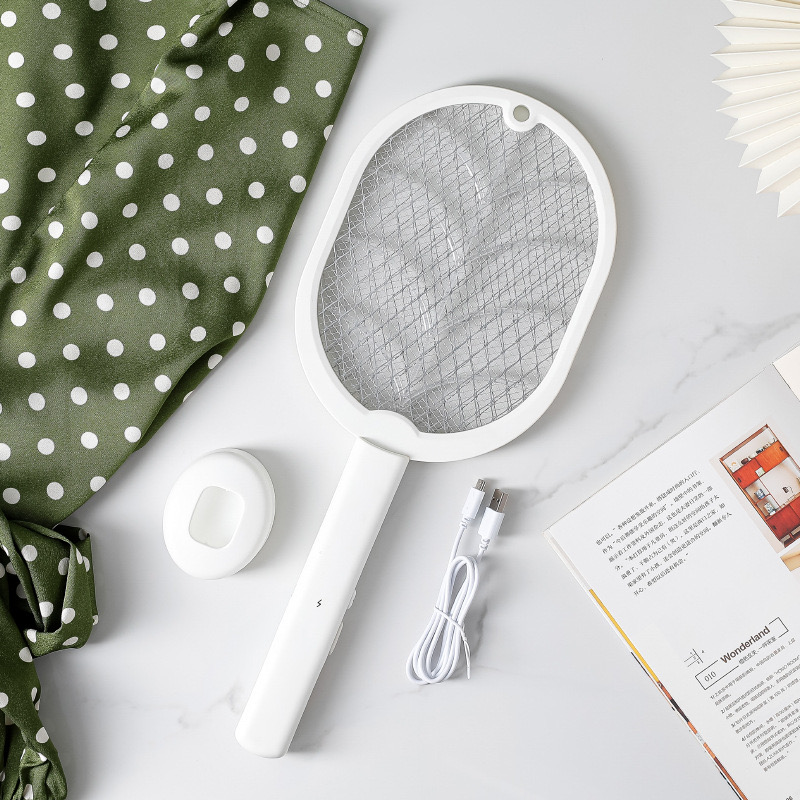
3. The "Hidden Advantages" of This Material Combination: A Balance Between Safety and Efficiency
Some people may ask: Why not use all iron meshes or all aluminum meshes directly? In fact, the design of "two iron meshes + one aluminum mesh" is a "optimal solution" verified by the market for a long time.
In terms of safety, the outer iron meshes have better insulation (relative to high-voltage electricity) than the aluminum mesh, which can effectively isolate the high-voltage electricity in the middle layer. Even if fingers accidentally touch the outer iron meshes, there will be no electric shock. The high conductivity of the middle aluminum mesh ensures that once mosquitoes enter the mesh holes, they will be instantly stunned, avoiding "mosquitoes that slip through the net".
In terms of durability, the sturdiness of the iron meshes plus the corrosion resistance of the aluminum mesh (a layer of oxide film will form on the surface of aluminum to prevent rusting) enables the electric mosquito swatter to withstand daily bumps and cope with humid environments (such as the rainy season in southern China), with a service life usually reaching 2-3 years.
4. Purchase and Maintenance: Making the Mesh Material "More Durable"
After understanding the material, we can also use some small tips to select an electric mosquito swatter with better mesh quality and extend its service life at the same time:
- Check the mesh joints: The edges of the iron meshes and aluminum mesh of high-quality electric mosquito swatters will be "edge-wrapped", with no sharp metal burrs to avoid scratching hands during use;
- Test the mesh elasticity: Gently press the outer iron mesh with your finger. If it rebounds quickly after releasing your hand, it indicates that the iron mesh has good toughness and is not easy to deform;
- Avoid contact with water and metal: Do not wipe the mesh with a damp cloth when cleaning, and never immerse the electric mosquito swatter in water, so as to prevent the aluminum mesh from short-circuiting due to moisture; at the same time, do not let the mesh contact with metal objects such as keys and coins, to prevent high-voltage electricity from piercing the metal and generating sparks, which may damage the aluminum mesh;
- Store away from high temperature: When not in use for a long time, place the electric mosquito swatter in a cool and dry place, avoid direct sunlight or proximity to heating appliances, to prevent the mesh metal from aging due to high temperature.
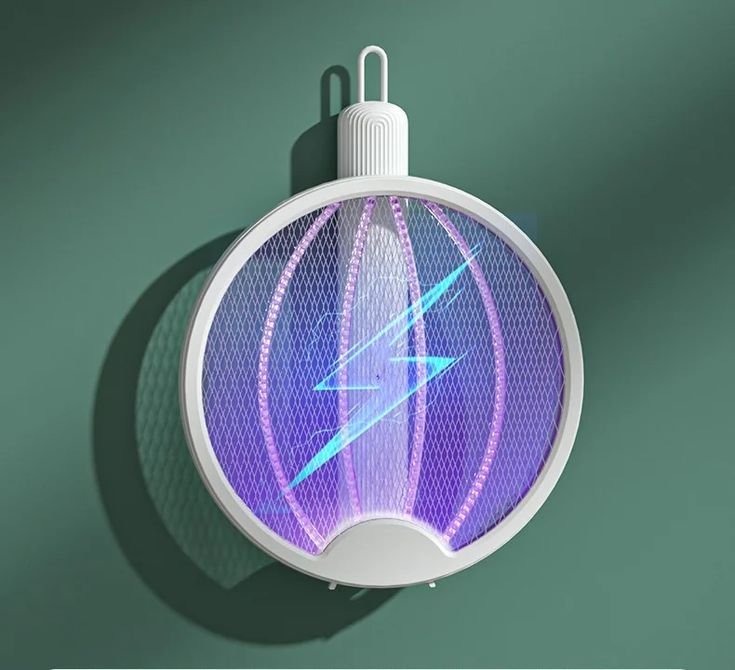
It turns out that the small mesh of the electric mosquito swatter hides the material wisdom of "iron + aluminum"— the outer iron meshes protect safety, and the middle aluminum mesh transmits high-voltage electricity. The combination of the two not only ensures the mosquito-repelling efficiency but also takes into account durability. Next time you swing the electric mosquito swatter, you may wish to pay more attention to these three layers of mesh. It is this seemingly simple material combination that allows us to enjoy a mosquito-free time with peace of mind.
Does a Mosquito Killer Lamp Consume Much Electricity
Revealing the Voltage of Electric Mosquito Swatters
Related Article

If you’re struggling with annoying mosquitoes, flies, and other flying pests indoors and outdoors, upgrading from traditional manual tools to anElectric Mosquito Swatter is the most efficient solution. Many homeowners and renters search where to buy fly swatter online to find durable, safe, and high-performance electric models that deliver instant pest control.
Where to Buy Fly Swatter
Most importers of electric mosquito swatters obsess over the first order: samples requested, factories vetted, a pre-shipment inspection booked. Then the reorder arrives eight months later and something is off. The grid feels softer. The charge port is a slightly different shade of black. The carton thickness dropped from 350 gsm to 300 gsm. Nothing is catastrophic — but the product no longer matches what your retail customers approved, and quietly, your return rate starts climbing.
How to Keep Mosquito Swatter Quality Consistent Across Repeat Orders
Warranty returns are the silent margin killer in the mosquito control category. A distributor who buys a swatter at $1.80 FOB and retails it at $9.90 can absorb a 1% return rate without noticing — but at 5%, the combined cost of replacement units, reverse logistics, and refund processing erases most of the line's profit.
Common mosquito swatter killer lamp failure modes wholesale spec guide

Digital bathroom scales rank as the second-highest-volume consumer weighing product category, only behind kitchen scales, with distinct market and product characteristics that set them apart from other scale types in importers’ product portfolios.
Digital bathroom body fat-bia-scale wholesale buyers guide