
Revealing the Packaging Methods of Electric Mosquito Swatters
2025-11-03
Revealing the Packaging Methods of Electric Mosquito Swatters: Dual Considerations from Protection to User Experience
What kind of packaging "care" does a small electric mosquito swatter go through from the production workshop to your hands? The seemingly simple packaging actually embodies multiple considerations for product protection, transportation efficiency, and user experience. Today, let's talk about the common packaging methods of electric mosquito swatters and see how these designs provide protection for our "mosquito-repelling helper".
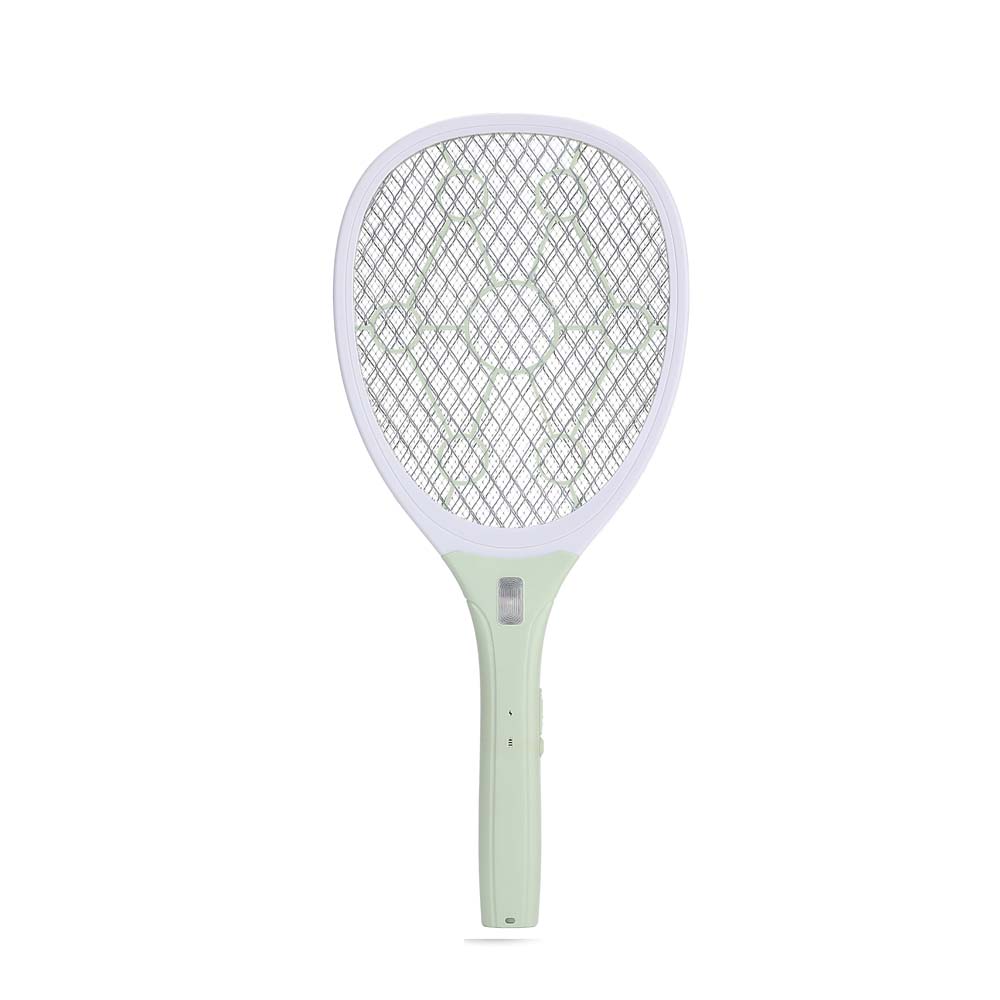
1. Basic Packaging: Layered Protection to Safeguard Product Safety
The structure of an electric mosquito swatter is not complicated, but the swatter surface, handle, and power cord (for some models) are all vulnerable to damage or scratches. Therefore, the core idea of basic packaging is "layered protection", with the following two common combinations:
1.1 Inner Packaging: Close-Fitting Protection to Prevent Minor Damages
Inner packaging is like the "first layer of skin" for the electric mosquito swatter, mainly used to prevent the product from shaking and scratching inside the packaging box. Currently, there are two mainstream inner packaging methods:
- PE Bag / OPP Bag Wrapping: This is the most basic form of inner packaging. The entire electric mosquito swatter (or the swatter surface and handle separately) is placed into a transparent PE bag or OPP bag. This not only isolates dust and moisture but also prevents the plastic shell on the product surface from being scratched by the inner wall of the packaging box. Some brands even attach easy-tear stickers to the bag openings for user convenience, showing great attention to details.
- EPE Foam / Bubble Wrap Cushioning: For models with wider swatter surfaces or handles with protruding buttons, many brands upgrade the inner packaging by wrapping a circle of EPE foam around the edge of the swatter surface or putting a bubble wrap sleeve on the handle. The softness of EPE foam and the cushioning property of bubble wrap can effectively absorb slight impacts during transportation, avoiding deformation of the swatter surface and damage to the buttons, which is especially suitable for long-distance transportation.

1.2 Outer Packaging: Fixation + Impact Resistance to Cope with Transportation Challenges
After the inner packaging provides close-fitting protection, the outer packaging takes on the important task of "withstanding damage" while also ensuring product fixation. Currently, there are two main types of outer packaging for electric mosquito swatters:
- Color Box + Paper Tray Fixation: This is the most common packaging method in offline supermarkets. The outer packaging is a colored carton printed with product information and usage instructions, and the box is equipped with a customized paper tray (mostly made of corrugated paper or cardboard). Grooves for the swatter surface and handle are pre-reserved on the paper tray. When the electric mosquito swatter is embedded in the grooves, it can be firmly fixed to avoid shaking and collision during transportation. At the same time, the paper tray can separate the electric mosquito swatter from accessories (such as the charging cable) to prevent the accessories from scratching the main body.
- Blister Packaging + Cardboard: This packaging method is common for affordable electric mosquito swatters or products sold online. Blister packaging is made by heating and shaping a transparent plastic sheet to create grooves that match the shape of the electric mosquito swatter. After the electric mosquito swatter is fixed in the grooves, it is bonded with cardboard (mostly coated paper) printed with product information. The advantage of blister packaging is its high visibility, allowing consumers to clearly see the appearance of the electric mosquito swatter. Meanwhile, the plastic material has good protective performance, which can isolate moisture and slight extrusion, and the cost is relatively low.
2. Accessory Packaging: Thoughtfulness in Details
In addition to the main body of the electric mosquito swatter, many products are also equipped with accessories such as charging cables, instruction manuals, and warranty cards. The packaging of these small items is also well-thought-out:
- Independent Small Bag Packaging: Charging cables are usually separately placed into small PE bags or OPP bags, and then fixed together with the main body of the electric mosquito swatter in the paper tray or blister packaging. This prevents the charging cable from winding around the main body or scratching the swatter surface. Instruction manuals and warranty cards are mostly folded and directly placed into the carton, and some brands put them into small envelopes to enhance the texture.
- Integrated Fixation: Some high-end electric mosquito swatters adopt more exquisite packaging designs. For example, a card slot for the charging cable is pre-reserved on the paper tray. After the charging cable is embedded in the card slot, it is fixed side by side with the electric mosquito swatter, which is not only neat but also prevents the loss of accessories. The instruction manual may even be directly printed on the inner wall of the packaging box to reduce paper waste and be more environmentally friendly.
3. Selection of Packaging Materials: Balancing Protection and Environmental Friendliness
With the improvement of consumers' environmental awareness, the selection of packaging materials for electric mosquito swatters is increasingly focusing on the balance between "protection and environmental friendliness":
- Recyclable Materials as the Mainstay: The outer cartons and inner paper trays are mostly made of recyclable paper materials such as corrugated paper and cardboard, which can not only ensure a certain degree of pressure resistance but also reduce plastic pollution. The PE bags used for inner packaging are also gradually replaced with degradable plastics. Some brands even eliminate inner packaging and directly use customized paper trays to fix the electric mosquito swatters, further simplifying the packaging and reducing waste.
- Plastic as an Auxiliary When Necessary: For scenarios that require moisture resistance and pressure resistance (such as products sold in humid areas), a small amount of plastic materials (such as blister packaging) are still used, but the amount of plastic is strictly controlled to avoid excessive packaging.
4. Packaging Process: Standardized Operations to Ensure the Integrity of Each Product
From the completion of production to the packaging and delivery of an electric mosquito swatter, it usually goes through the following standardized process:
- Product Quality Inspection: First, conduct a quality inspection on the electric mosquito swatter to ensure its normal function and flawless appearance.
- Inner Packaging Wrapping: Wrap the qualified electric mosquito swatter with a PE bag or EPE foam (if needed).
- Fixation of Main Body and Accessories: Fix the main body of the electric mosquito swatter and accessories in the paper tray or blister packaging respectively.
- Putting into Outer Packaging Box: Put the fixed electric mosquito swatter and accessories into the outer packaging box together and check for omissions.
- Sealing and Labeling: Seal the packaging box with tape (some brands use easy-tear tape for user convenience) and attach product labels and logistics labels.
- Boxing and Warehousing: Put the individually packaged electric mosquito swatters into large cartons (mostly made of five-layer corrugated paper with strong pressure resistance) and store them in batches for delivery.
5. Checking Packaging When Purchasing: Judging Product Quality from Packaging
In fact, the packaging of an electric mosquito swatter can also indirectly reflect its quality. High-quality packaging is usually reasonably designed, firmly fixed, and made of thick materials, allowing you to feel the brand's care when opening the package. On the other hand, the packaging of inferior products is often shoddy, such as thin cartons, no inner tray for fixation, obvious shaking of the electric mosquito swatter inside the box, and even damage during transportation. Therefore, when purchasing, you may wish to pay more attention to the packaging details, which is also a useful tip to judge whether the product is reliable.
In general, the packaging of electric mosquito swatters may seem simple, but it actually embodies a comprehensive combination of product protection, user experience, and environmental concepts. From the basic layered protection to the detailed packaging of accessories, and then to the environmentally friendly selection of materials, every link is working hard to "ensure that the electric mosquito swatter reaches consumers intact". Next time you open the packaging of an electric mosquito swatter, you may wish to pay more attention to these designs, and you might have a different understanding of this "essential summer tool"!
Why Do Some Electric Mosquito Swatter Handles Scratch Easily
The 2-in-1 Mosquito Swatter Doubles Your Mosquito-Killing Efficiency
Related Article

If you’re struggling with annoying mosquitoes, flies, and other flying pests indoors and outdoors, upgrading from traditional manual tools to anElectric Mosquito Swatter is the most efficient solution. Many homeowners and renters search where to buy fly swatter online to find durable, safe, and high-performance electric models that deliver instant pest control.
Where to Buy Fly Swatter
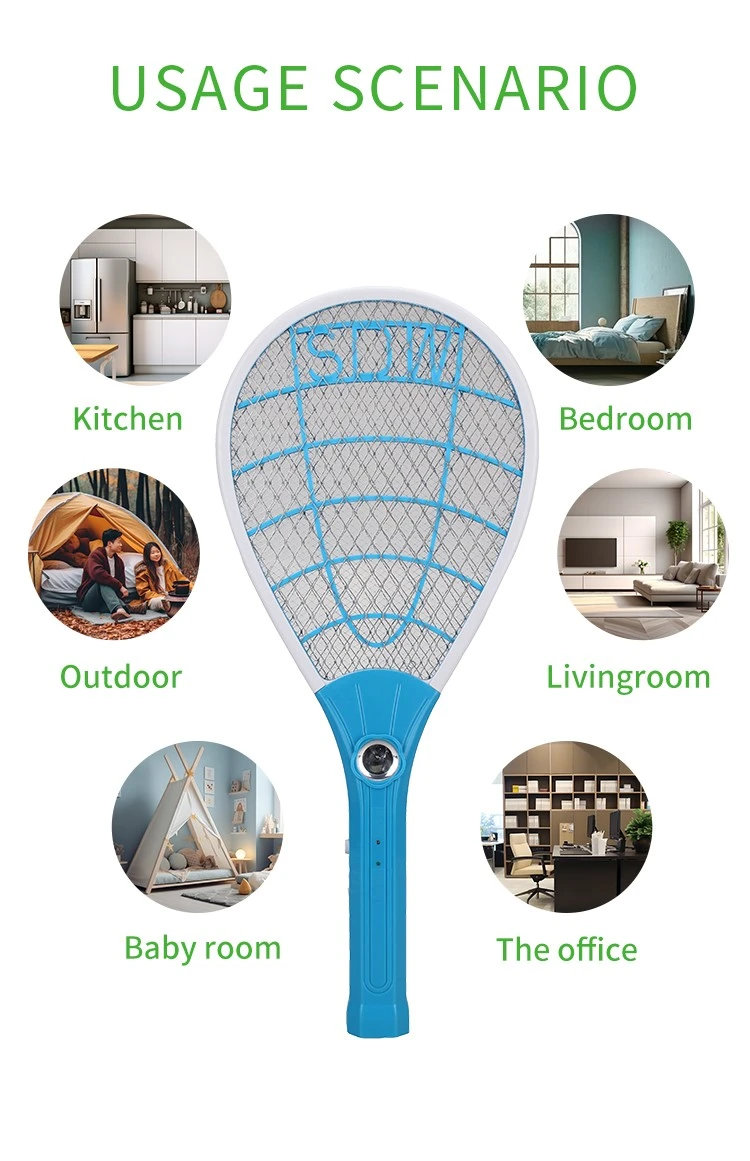
Most importers of electric mosquito swatters obsess over the first order: samples requested, factories vetted, a pre-shipment inspection booked. Then the reorder arrives eight months later and something is off. The grid feels softer. The charge port is a slightly different shade of black. The carton thickness dropped from 350 gsm to 300 gsm. Nothing is catastrophic — but the product no longer matches what your retail customers approved, and quietly, your return rate starts climbing.
How to Keep Mosquito Swatter Quality Consistent Across Repeat Orders
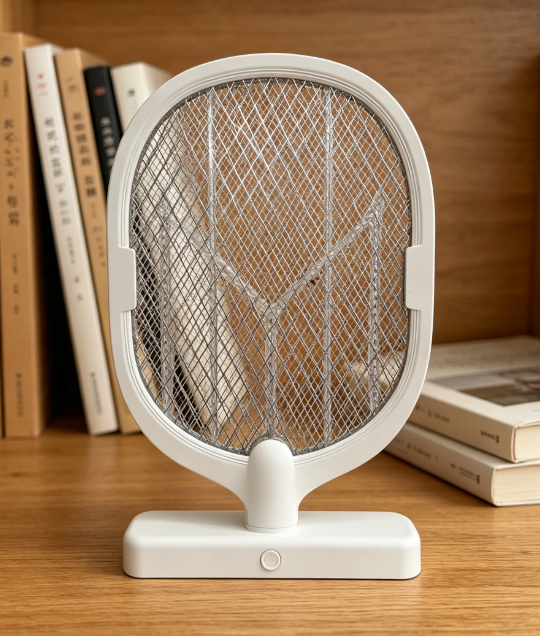
Warranty returns are the silent margin killer in the mosquito control category. A distributor who buys a swatter at $1.80 FOB and retails it at $9.90 can absorb a 1% return rate without noticing — but at 5%, the combined cost of replacement units, reverse logistics, and refund processing erases most of the line's profit.
Common mosquito swatter killer lamp failure modes wholesale spec guide

Digital bathroom scales rank as the second-highest-volume consumer weighing product category, only behind kitchen scales, with distinct market and product characteristics that set them apart from other scale types in importers’ product portfolios.
Digital bathroom body fat-bia-scale wholesale buyers guide