
Root Cause Mosquito Control
2026-06-12
Root Cause Mosquito Control: Reduce Mosquito Populations Through Environmental Management
Every summer, mosquitoes become one of the most annoying nuisances both indoors and outdoors. They cause itchy bites, disrupt sleep, and may even transmit a variety of infectious diseases. Most people rely on chemical mosquito repellents such as mosquito coils, liquid repellents, and insecticide sprays. However, these methods only provide temporary relief, and mosquito populations quickly bounce back shortly after treatment.
In fact, mosquito breeding and survival are highly dependent on environmental conditions. Environmental management is the fundamental and most effective solution for mosquito control. A mosquito’s life cycle consists of four stages: egg, larva, pupa, and adult. The first three stages strictly require stagnant water to develop. A clean, dry environment free of standing water and hidden shelters can block the mosquito breeding chain at the source and sustainably reduce local mosquito numbers. This article shares practical and scientific environmental control methods covering household, community, and outdoor settings to help you build a mosquito-free living environment.
1. Core Principles: Understand Mosquito Breeding and Survival Traits
To control mosquitoes efficiently through environmental management, it is essential to understand their living habits. Most common household mosquitoes prefer laying eggs in stagnant, polluted, small enclosed water bodies. Any standing water left undisturbed for 3 to 7 days will hatch a large number of mosquito larvae, which eventually mature into adult mosquitoes.
Additionally, adult mosquitoes favor dark, humid, poorly ventilated areas with dense vegetation, which serve as their hiding spots during the day and active zones at night. To put it simply, standing water is the mosquito’s nursery, and messy, damp areas are their safe havens. The core of environmental mosquito control is to completely eliminate water breeding grounds and destroy mosquito habitats, thereby curbing mosquito reproduction and survival fundamentally.
2. Household Environmental Management: Eliminate Indoor Breeding Hotspots
Homes are high-risk areas for mosquito breeding. Neglected standing water and damp corners easily become ideal breeding grounds. With regular cleaning and daily maintenance, indoor mosquito populations can be significantly reduced without complicated operations.
2.1 Remove All Types of Small Standing Water
Following official disease prevention guidelines, adhere to the principle of “flip containers and drain all standing water”. Thoroughly inspect all water-holding items indoors and on balconies. Discard or invert idle plastic bottles, foam boxes, old flower pots, buckets, and basins to prevent rainwater and dew accumulation.
Potted plants are the most easily overlooked breeding spots. Empty accumulated water from flower pot trays after watering and place absorbent cloths to keep trays dry. For hydroponic plants, replace the water 1 to 2 times a week and thoroughly clean plant roots and container inner walls to remove residual mosquito eggs. If possible, replace hydroponics with soil or sand cultivation to eliminate water-based breeding conditions.
Pay attention to subtle cleaning details. Wipe dry air conditioner drip trays, water dispenser trays, and refrigerator water pans daily. Flush bathroom and balcony floor drains with boiling water weekly to kill residual eggs and larvae and prevent water accumulation.
2.2 Improve Indoor Ventilation and Cleanliness
Mosquitoes avoid dry, well-ventilated, and bright environments. Open windows frequently to maintain air circulation and low indoor humidity, destroying the damp conditions mosquitoes need to survive. Dispose of domestic garbage timely, sort waste properly, and avoid overnight garbage accumulation. Rotting and damp garbage creates dark, humid corners that attract swarms of mosquitoes.
3. Community Public Environmental Management: Block Outdoor Mosquito Breeding Sources
Persistent indoor mosquito problems usually stem from severe breeding in community public areas. Stairwells, green belts, landscape water bodies, and drainage systems are major outdoor breeding grounds, requiring joint maintenance by property management and residents for comprehensive improvement.
3.1 Clean Public Standing Water and Idle Debris
Stairwells, rooftops, and basements often accumulate waste items such as old tires, broken pots, and abandoned cartons, which easily collect rainwater and become key mosquito breeding sites. Property teams should regularly clear public waste, and residents are advised not to pile debris in stairwells or fire exits to eliminate potential water accumulation risks.
Regularly unclog rooftop drainage grooves, ground drainage ditches, and basement pipelines to avoid waterlogging caused by blockages. After rainfall, inspect low-lying zones and green belt depressions, drain accumulated water promptly, and level pits to prevent long-term stagnant water breeding.
3.2 Maintain Green Belts and Optimize Vegetation Environments
Dense, overgrown vegetation creates dark and humid shelters for adult mosquitoes. Property teams should regularly trim weeds, overgrown branches, and low shrubs to ensure sufficient ventilation and sunlight penetration in green areas, reducing dark and damp hiding spots. Timely remove fallen leaves, dead branches, and piled debris to prevent waterlogging and decay, creating an unfavorable environment for mosquito habitation.
3.3 Regulate Static Landscape Water Bodies
Community landscape ponds, artificial lakes, and fountains are permanent mosquito breeding risks since they cannot be completely drained. Adopt ecological management methods: maintain circulating water and regular water replacement to avoid static and polluted water. Environmentally friendly larvicides can be applied or mosquito-eating fish stocked to kill larvae without disrupting ecological balance. Regularly remove floating debris and algae to keep water clean and flowing.
4. Long-Term Maintenance: Develop Regular Mosquito Prevention Habits
Environmental mosquito control is not a one-time task. Temporary cleaning only delivers short-term effects. Long-term mosquito reduction relies on sustained daily maintenance and consistent cleaning habits.
Follow the rule of “weekly inspection and post-rain cleaning”. Check balconies, yards, and indoor corners weekly to drain standing water, flip idle containers, and unclog drains. Conduct comprehensive cleaning after heavy rains to eliminate newly formed breeding grounds.
Add auxiliary protective measures: install intact window screens and door screens, and repair damages in time to block outdoor mosquitoes. Keep outdoor living areas open and tidy without random debris accumulation. Maintain a dry, clean, and well-ventilated environment to leave mosquitoes no room for breeding and inhabitation.
5. Conclusion: Environmental Management Is the Most Reliable Long-Term Mosquito Solution
Compared with passive chemical prevention methods such as repellents and insecticide sprays, environmental management requires persistent minor efforts but delivers the safest, most cost-effective, and most fundamental results. Chemical products only kill adult mosquitoes but fail to stop new generations from hatching. In contrast, environmental management cuts off the entire breeding chain and reduces mosquito populations at the source.
Whether for household micro-environments or community public spaces, consistent water removal, dead-angle cleaning, and environmental optimization can greatly suppress mosquito numbers. Stay away from summer mosquito troubles and enjoy a comfortable and refreshing summer life.
Complete Analysis of Core Performance of Electric Mosquito Swatters
The Impact of AI Technology on Electric Mosquito Swatter Manufacturers
Related Article

If you’re struggling with annoying mosquitoes, flies, and other flying pests indoors and outdoors, upgrading from traditional manual tools to anElectric Mosquito Swatter is the most efficient solution. Many homeowners and renters search where to buy fly swatter online to find durable, safe, and high-performance electric models that deliver instant pest control.
Where to Buy Fly Swatter
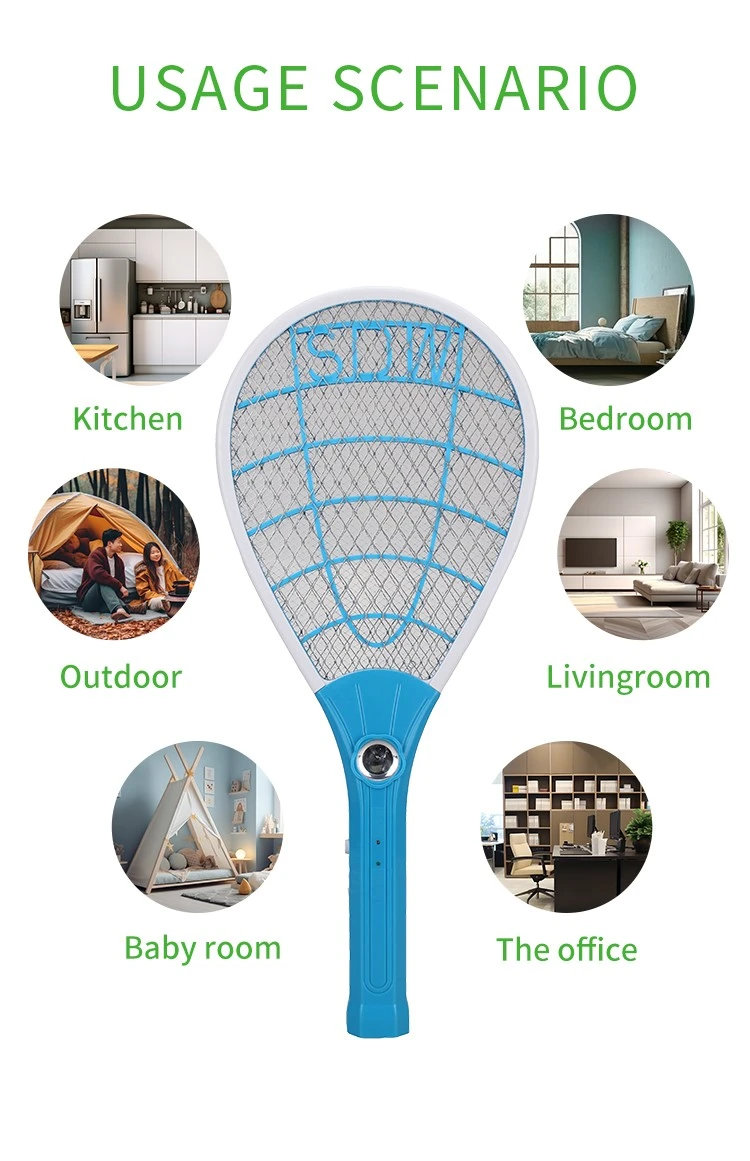
Most importers of electric mosquito swatters obsess over the first order: samples requested, factories vetted, a pre-shipment inspection booked. Then the reorder arrives eight months later and something is off. The grid feels softer. The charge port is a slightly different shade of black. The carton thickness dropped from 350 gsm to 300 gsm. Nothing is catastrophic — but the product no longer matches what your retail customers approved, and quietly, your return rate starts climbing.
How to Keep Mosquito Swatter Quality Consistent Across Repeat Orders
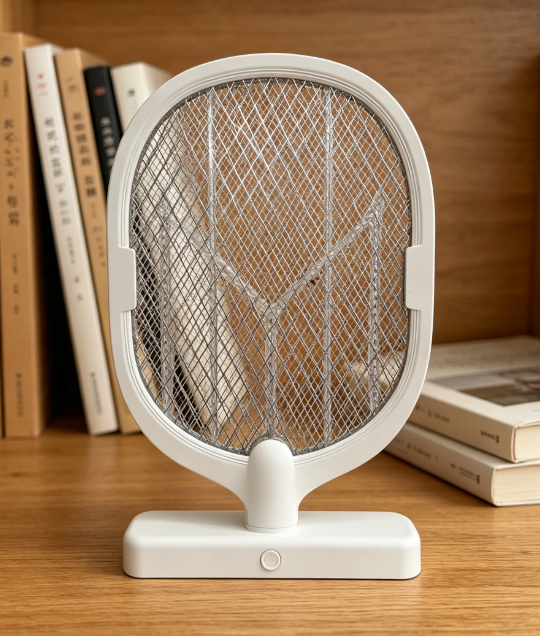
Warranty returns are the silent margin killer in the mosquito control category. A distributor who buys a swatter at $1.80 FOB and retails it at $9.90 can absorb a 1% return rate without noticing — but at 5%, the combined cost of replacement units, reverse logistics, and refund processing erases most of the line's profit.
Common mosquito swatter killer lamp failure modes wholesale spec guide

Digital bathroom scales rank as the second-highest-volume consumer weighing product category, only behind kitchen scales, with distinct market and product characteristics that set them apart from other scale types in importers’ product portfolios.
Digital bathroom body fat-bia-scale wholesale buyers guide