
Safety Guide for Using Mosquito Killers in Bedrooms
2026-06-23
Safety Guide for Using Mosquito Killers in Bedrooms
Complete Safety Guide for Bedroom Mosquito Killers
When summer brings high temperature and rainy weather, indoor mosquitoes breed rapidly. Especially in enclosed and poorly ventilated bedrooms, mosquito bites and buzzing noises will completely ruin night sleep quality. Compared with traditional mosquito repellent products, coil mosquito repellents produce combustion dust, electric mosquito repellent liquid contains chemical additives, and insecticide sprays have pungent odor. Long-term use in closed bedrooms will harm the health of the elderly, children and people with sensitive constitutions.
Featuring odor-free physical mosquito removal, low power consumption and long-lasting effect, mosquito killers have become mainstream bedroom mosquito repellent products. However, there are various types of mosquito killers on the market, and most people use them casually without noticing exclusive bedroom usage risks: ultraviolet radiation, high-voltage electric shock, fire hazards, sleep disturbance, accidental touching or ingestion by kids and pets happen frequently.
Combined with household power usage standards, eye and skin protection rules, and exclusive standards for families with infants and pets, this full-length guide covers product selection, placement, electricity use, maintenance and common misunderstandings. Beginners can follow the rules to repel mosquitoes safely.
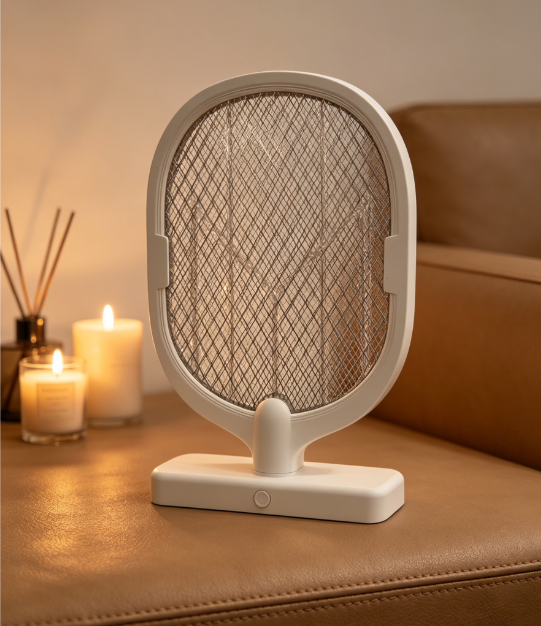
1. Model Selection Safety: Never Use Commercial Mosquito Killers in Bedrooms
Many families move living-room commercial mosquito killers into bedrooms, which is a major safety mistake. As a closed sleeping space, bedrooms require mosquito killers with core features: no high voltage, low ultraviolet ray, low noise and zero ozone. The differences and applicable crowds of mainstream models are listed below.
✅ Recommended for Bedrooms: Low-pressure Suction & Glue-trap Mosquito Killers
Powered by low voltage with no exposed high-voltage electric grid, this type traps mosquitoes via mild 365nm ultraviolet light and built-in fan airflow, with glue boards to lock pests. It generates no electric sparks, no buzzing killing noise and no ozone gas. The soft filtered light will not disturb sleep. Suitable for all crowds, it can run overnight in master bedrooms, kids’ rooms, maternity rooms and bedrooms for people suffering from rhinitis or asthma, with low failure rate and high safety performance.
❌ Forbidden for Bedrooms: High-voltage Electric Shock Mosquito Killers
This model kills mosquitoes via high-voltage current, producing electric sparks and sharp buzzing sounds during operation. Running overnight in closed bedrooms will easily wake light sleepers. Besides, it releases trace ozone, which irritates nasal and throat mucosa and aggravates respiratory diseases after long-term inhalation. Its exposed metal grid may cause electric shock to kids and pets. Dry mosquito remains can be ignited by electric sparks, bringing fire risks to curtains and bedding. It is only applicable for open spaces such as living rooms, balconies and corridors.
Extra Reminder: Avoid High-power Commercial Models (Above 25W)
These models have excessive ultraviolet radiation intensity, which damages human skin and eyes with close contact, and are strictly prohibited in small bedrooms.
2. Bedroom Electricity Safety: Non-negotiable Household Rules
Bedrooms are filled with fabrics, cotton products and soft furnishings, classified as high fire-risk areas. Users must follow the below electricity rules to avoid safety accidents.
-
Keep Away From Flammable Fabrics: Do not place the unit beside beds, inside mosquito nets, curtain hems, quilt stacks or plush toys. Dry mosquito carcasses are highly flammable, and electric sparks from high-voltage grids can ignite the remains. Keep at least 1-meter distance between the mosquito killer and bedding, fabrics and wooden furniture.
-
Avoid Use in Humid Environment to Prevent Electric Leakage: Do not put it beside desktop humidifiers, water-leaking bay windows, air conditioner condensate areas or damp window corners. Water vapor will oxidize the internal circuit board and cause short circuit, burning the device or causing socket leakage. Place the unit on a raised base for humid bedrooms.
-
No Unmanned 24-hour Operation: Unplug the power plug when going to work, traveling or leaving home for a long time. Long-time power-on operation heats the internal core and ages plastic shells, leading to circuit short circuit and overheating risks without on-site supervision.
-
Standard Power Cord Placement: Do not press power cords under bed frames or furniture to prevent shell damage and exposed copper wires. Avoid using extension sockets with poor load capacity; use independent wall sockets for stable power supply.
-
Choose Certified Qualified Products: Household bedroom mosquito killers must have national 3C certification. Cheap unbranded products have no overload circuit protection, which may cause tube burst and spontaneous combustion under unstable voltage.
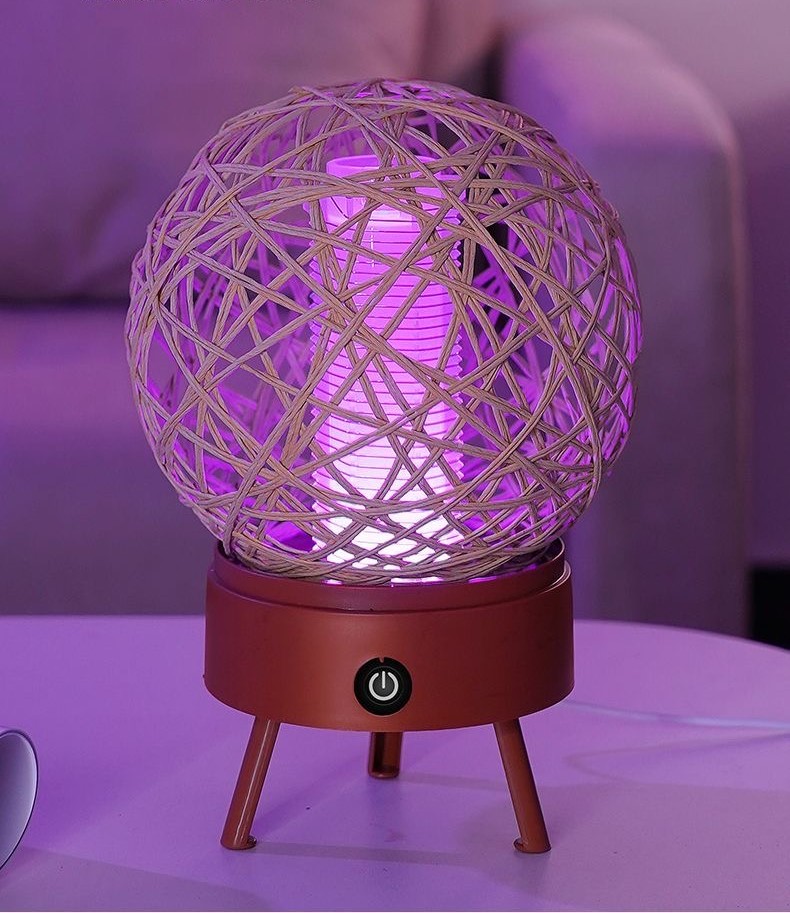
3. Physical & Sleep Health Safety: Protect Skin and Sleep Quality
Different from open living rooms, completely dark closed bedrooms are sensitive to light, airflow and tiny noises. The following usage rules conform to human physiological characteristics for undisturbed sleep.
-
Never Aim Ultraviolet Light At Human Faces: Long-term close exposure to conventional mosquito-luring ultraviolet light damages corneas and accelerates facial skin aging. Place the unit at wall corners, 80-120cm above the ground, away from bed heads. Keep a minimum 1-meter straight distance between the device and human faces to balance mosquito-killing efficiency and personal safety.
-
Use Timing Function to Reduce All-night Lighting: Mosquitoes are most active in the early sleeping period, and most indoor mosquitoes will be eliminated within 2 to 4 hours after falling asleep. Turn on the timing shutdown function instead of keeping the light on all night, to avoid melatonin suppression caused by ultraviolet light, reducing frequent dreams and light sleep.
-
Clean Carcasses Regularly for Sensitive People: Decomposed mosquito bodies produce tiny protein dust floating in the air, triggering sneezing, nasal congestion and skin irritation for people with rhinitis, allergic pharyngitis or skin allergies. Clean the insect collection box every week to reduce allergen diffusion.
-
Separate From Other Light Sources: Do not place it next to bedside nightlights, reading lamps or ambient lights. Visible light weakens the luring effect of ultraviolet light and cuts down mosquito removal efficiency. Overlapping lights also disturb falling asleep, so place lights separately.
-
Turn Off Indoor Lights for Better Safety & Effect: Mosquito killers work best in full darkness, and ultraviolet radiation causes minimal harm to human bodies without ambient light interference. Turn off indoor auxiliary lights before sleeping.
4. Advanced Safety Rules for Families With Infants & Pets
Pregnant women, infants, cats and dogs belong to vulnerable groups with low immunity and strong curiosity, who are prone to touching or biting the device. Higher safety standards are required for this group.
-
Completely ban high-voltage electric shock models; choose fully enclosed glue-trap suction models with no exposed metal grids or sharp edges to avoid electric shock and scratch risks.
-
Place the unit at least 80cm above the ground, away from climbing platforms, cat perches and bedside reachable areas. Fix it on wall corners to prevent knocking over, falling and electric leakage.
-
Replace glue boards regularly: Change glue boards every 10 to 15 days, or replace immediately when full of mosquitoes. Rotting mosquito bodies breed mold, odor and tiny flying insects, polluting indoor air.
-
Do not use chemical mosquito repellents simultaneously: Do not use insecticide spray, mosquito-repellent aromatherapy or essential oil in the same bedroom. Chemical gas corrodes ultraviolet tubes and irritates respiratory tracts of infants and pets.
-
Best Pick for Nurseries: Choose models with light baffles to block direct ultraviolet light, protecting infants’ circadian rhythm.
5. Cleaning & Maintenance Safety: Common Mistakes to Avoid
Improper daily cleaning is a leading cause of device damage and electric shock accidents. Follow the standardized cleaning steps below:
-
Power off and stand by before cleaning: Unplug the power plug before cleaning carcasses or replacing glue boards. For high-voltage models, wait 10 minutes after power-off, because internal capacitors retain residual high voltage that causes electric shock upon direct contact.
-
Never soak or flush the whole device: Internal circuit components cannot touch water. Only the detachable insect collection box can be washed with clean water; wipe the main body only with dry cloth, and power on only after full drying.
-
Clean carcasses frequently: Accumulated carcasses block air ducts, reduce suction power, produce foul odor and breed bacteria. Dry stacked remains also raise fire risks, so clean in small batches regularly.
-
Dust the ultraviolet tube biweekly: Dust blocks ultraviolet light and lowers mosquito-luring effect. Always power off before wiping the tube to avoid glass breakage and hand injury.
-
Replace aging devices timely: Discard and replace mosquito killers used for over 2 years, or models with flickering tubes, persistent overheating and cracked shells. Do not repair and reuse them in bedrooms.
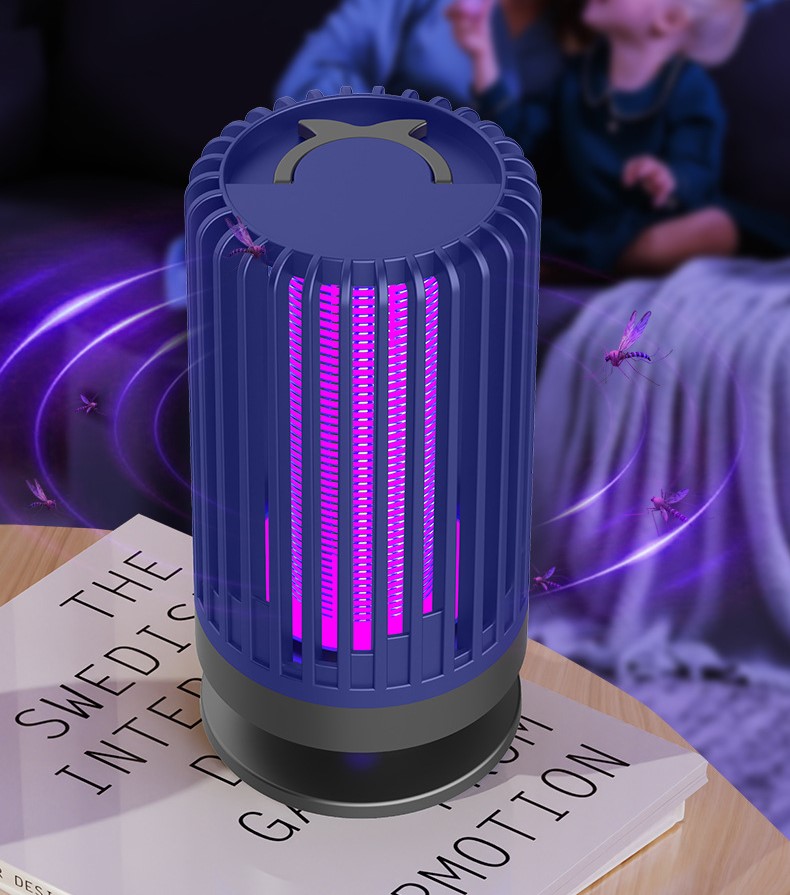
6. Common Misuses & Safety Mistakes
Correct these daily wrong habits to avoid ineffective mosquito removal and hidden dangers:
-
Mistake 1: Placing the unit near windows or doors — Outdoor strong light offsets ultraviolet effect and attracts more outdoor mosquitoes indoors.
-
Mistake 2: Running the unit close to faces all night — Long-term close ultraviolet exposure harms eyes and disturbs sleep rhythm.
-
Mistake 3: Using low-placed models in kids’ rooms — Easy to be touched and knocked over by climbing children, causing electric shock risks.
-
Mistake 4: Cleaning the insect box while powered on — Residual current leads to high electric shock risk.
7. Quick Safety Checklist for Daily Use
Simple rules for quick self-check without reading the full article:
1. Choose suction/glue-trap models only; reject high-voltage electric shock models for bedrooms.
2. Keep 1m distance from bedding and curtains; avoid facing light to human faces.
3. Do not use in humid corners; unplug power when leaving home and before cleaning.
4. Place high for families with infants and pets; replace glue boards and clean carcasses regularly.
5. Do not use chemical mosquito repellents together; replace aging mosquito killers on time.
Mosquito removal effect is never the top priority for closed bedrooms. Safety, low noise and sleep protection matter most. Pick the right model and use it properly to enjoy mosquito-free sound sleep all summer long🌙
Where to Find Reliable Electric Mosquito Swatter Manufacturers
Should You Check the Manufacturing Date of an Electric Fly Swatter
Related Article

If you’re struggling with annoying mosquitoes, flies, and other flying pests indoors and outdoors, upgrading from traditional manual tools to anElectric Mosquito Swatter is the most efficient solution. Many homeowners and renters search where to buy fly swatter online to find durable, safe, and high-performance electric models that deliver instant pest control.
Where to Buy Fly Swatter
Most importers of electric mosquito swatters obsess over the first order: samples requested, factories vetted, a pre-shipment inspection booked. Then the reorder arrives eight months later and something is off. The grid feels softer. The charge port is a slightly different shade of black. The carton thickness dropped from 350 gsm to 300 gsm. Nothing is catastrophic — but the product no longer matches what your retail customers approved, and quietly, your return rate starts climbing.
How to Keep Mosquito Swatter Quality Consistent Across Repeat Orders
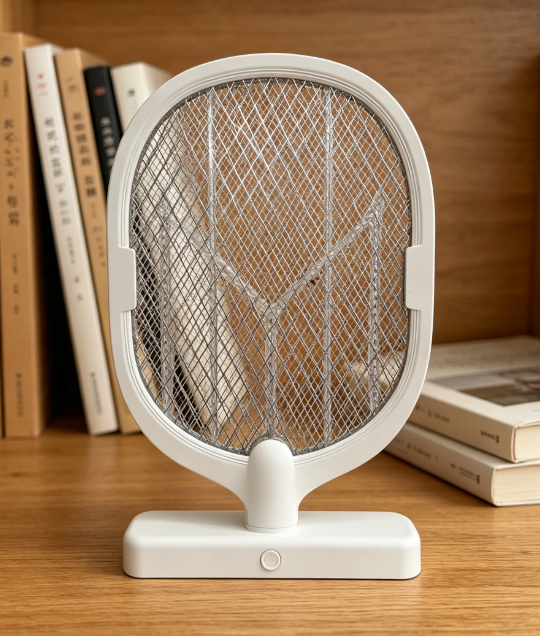
Warranty returns are the silent margin killer in the mosquito control category. A distributor who buys a swatter at $1.80 FOB and retails it at $9.90 can absorb a 1% return rate without noticing — but at 5%, the combined cost of replacement units, reverse logistics, and refund processing erases most of the line's profit.
Common mosquito swatter killer lamp failure modes wholesale spec guide

Digital bathroom scales rank as the second-highest-volume consumer weighing product category, only behind kitchen scales, with distinct market and product characteristics that set them apart from other scale types in importers’ product portfolios.
Digital bathroom body fat-bia-scale wholesale buyers guide