
Sales Decline of Electric Mosquito Swatters in Winter
2026-01-26
Sales Decline of Electric Mosquito Swatters in Winter? A Guide for Merchants to Break Through
As winter sets in and temperatures drop sharply, the activity of mosquitoes decreases significantly, inevitably plunging the electric mosquito swatter market into a sales slump. Data shows that the electric mosquito swatter industry is characterized by a distinct "peak in summer and trough in winter" pattern. From October to April of the following year, sales account for only 25% to 30% of the annual total, and the inventory turnover rate plummets from 5.2 times per year in the peak season to 1.8 times per year. Many small and medium-sized enterprises are faced with cash flow pressure and inventory backlog problems. However, the off-season is not a "sales vacuum period"; precise layout can instead lay a solid foundation for the peak season of the coming year. The following four strategies help merchants break the seasonal dilemma.
I. Cross-border Expansion: Target Tropical Markets to Activate Annual Demand
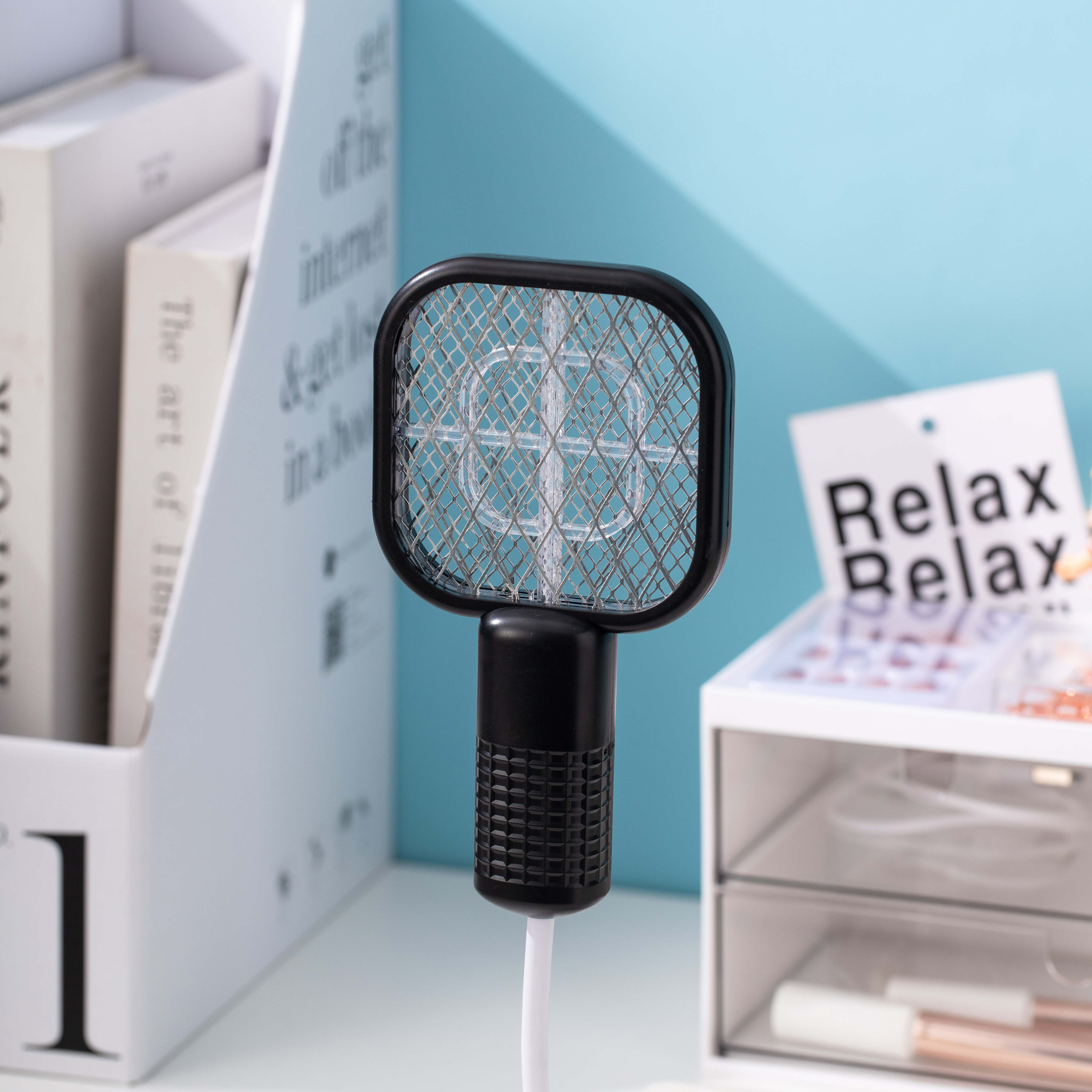
While mosquitoes hibernate in winter in China, the rainy season in tropical and subtropical regions becomes a peak period for mosquito reproduction, creating stable demand for electric mosquito swatters. Take the Indonesian market as an example: during the rainy season from November to March of the following year, the increase in puddles leads to a surge in mosquito activity. Coupled with the demand for dengue fever prevention and control, electric mosquito swatters have become a must-have for households. A seller promoted a UV electric mosquito swatter priced at $2.25 through TikTok seeding and advertising, ranking first in the category with a single-store total GMV of $785,000.
Merchants can focus on laying out tropical markets such as Southeast Asia and Africa, and optimize products according to local needs: consumers in Southeast Asia prefer multi-functional models with charging functions and LED lights, while the African market values cost-effectiveness and durability more. At the same time, leverage cross-border e-commerce platforms to participate in thematic activities such as "Rainy Season Mosquito Prevention Promotion", and impress consumers with localized content—for example, creating story-telling products combined with Indonesian traditional culture, or displaying the usage scenarios of electric mosquito swatters through interesting short videos to tap into the overseas incremental market.
II. Product Iteration: From "Seasonal Item" to "Four-Season Usable"
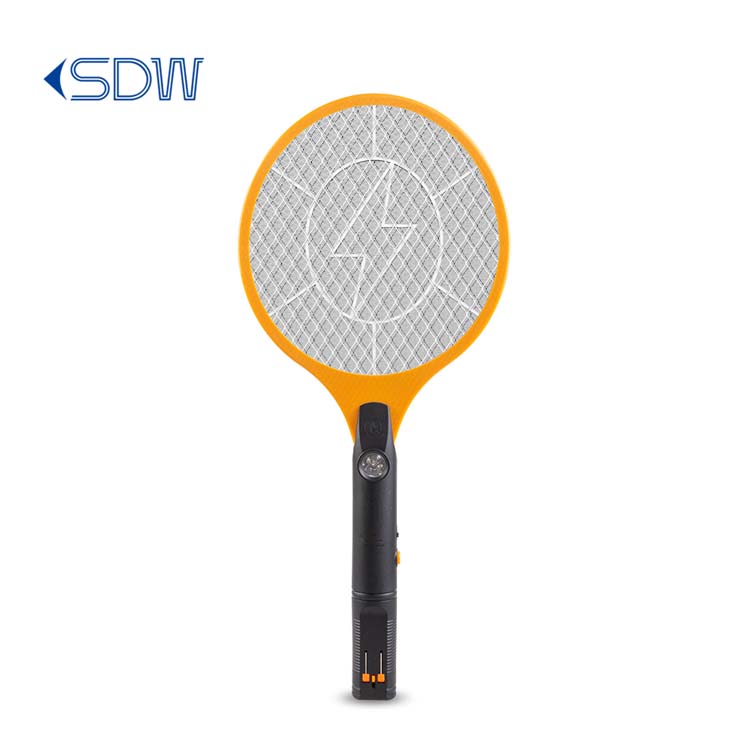
The off-season is a golden period for product upgrades. Merchants can make breakthroughs in two aspects: function expansion and compliance upgrading. On the one hand, develop multi-functional products through technological iteration to break seasonal restrictions: for example, add LED lighting, emergency charging and other functions, so that electric mosquito swatters can be used as flashlights and backup power sources in winter; launch composite products with both mosquito killing and humidification functions to address the dry indoor air problem in northern winters.
On the other hand, keep up with the trend of policy and standard upgrades to create high-end compliant products. The new national standard implemented in 2022 has raised higher requirements for 12 types of indicators of electric mosquito swatters, including electrical protection and battery safety, promoting an industry elimination rate of 32%, but also increasing the average price of compliant products by 42% and the repurchase rate to 71%. Merchants can increase R&D investment, integrate human body sensing, leakage protection and other functions, and lay out the smart electric mosquito swatter track—currently, the market penetration rate of this category is less than 7%, and it is expected to reach 74% by 2030, with huge potential. In addition, learn from Rainbow Group's IP co-branding strategy, cooperate with cultural IPs to launch high-value styles, and attract consumers to stock up in advance.
III. Inventory Management: Flexible Regulation to Reduce Capital Occupation
Inventory backlog in the off-season is a core pain point for merchants, which needs to be scientifically controlled through "accurate prediction + multi-channel diversion". First, abandon empirical stock-up, integrate multi-dimensional information such as sales data of the past 3-5 years, weather forecasts, and platform search popularity, and control the stock-up error within a reasonable range. For small and medium-sized enterprises, Excel can be used to sort out sales fluctuation rules and adjust inventory in combination with industry reports to avoid blind stock-up.
Second, build a flexible supply chain, adopt a "small-batch, multi-batch" production model, reduce the stock of regular models in the off-season, and focus on promoting customization and pre-sale businesses. For the existing backlogged inventory, it can be digested through combined channels: carry out online live broadcasts of "off-season stock-up special sessions" to attract consumers with cost-effectiveness; connect with corporate customers offline to launch employee welfare packages; at the same time, link with home furnishing stores to use electric mosquito swatters as traffic-generating products to drive the sales of other products. In the storage link, take moisture-proof and dust-proof measures to ensure that the products perform well in the peak season and reduce losses.
IV. Channel Optimization: Embrace the Live Streaming Ecosystem and Reconstruct the Sales Link
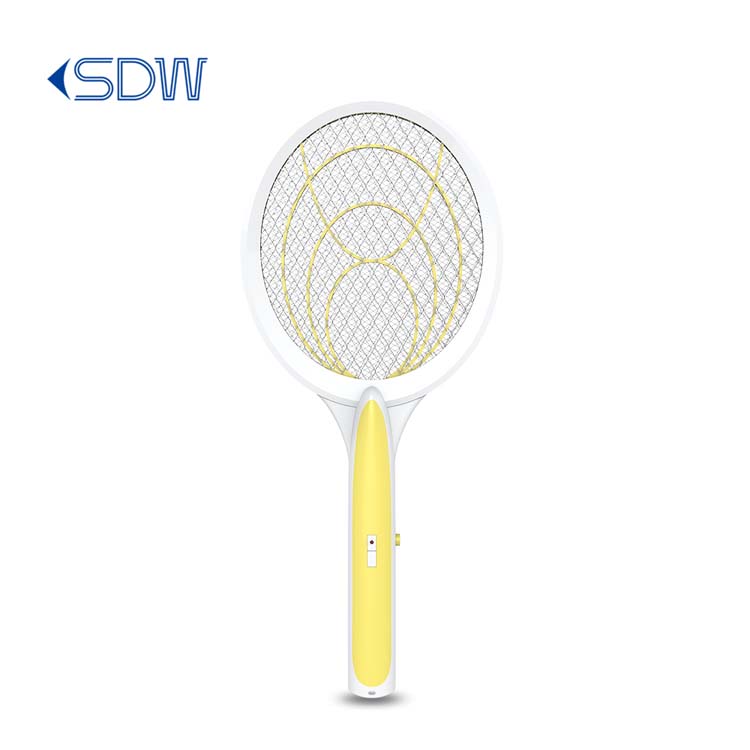
Traditional distribution channels lack vitality in the off-season, while live-streaming e-commerce has become a powerful tool to break seasonal restrictions. Data shows that the proportion of electric mosquito swatter sales through live streaming channels has surged from 3.7% in 2019 to 27.6% in 2022, and the single-game sales of top anchors are comparable to the 3-month shipments of traditional provincial agents. Merchants can set up a special live streaming team, develop live-streaming customized products, and shorten the R&D cycle through the C2M model to quickly respond to market demand.
At the same time, promote channel integration and encourage the transformation of traditional distributors: 67% of provincial agents have established their own live streaming teams, combining offline experience with online conversion, achieving a 28% increase in regional market coverage. In the off-season, focus on polishing live streaming content, such as demonstrating the multi-functional scenarios of electric mosquito swatters, explaining the safety advantages of the new national standard, or creating a consumption atmosphere combined with overseas hot-selling cases. In addition, optimize logistics through the regional warehouse + pre-positioned warehouse model, shorten delivery time, reduce logistics costs, and improve consumer experience.
The sales decline of electric mosquito swatters in winter is not an irreversible dilemma, but an opportunity to optimize products, expand channels, and accumulate capabilities. Merchants should not only focus on the present, digest stock through inventory regulation and channel innovation, but also look to the long term, lay out overseas markets and technological upgrades, and convert seasonal disadvantages into competitive advantages. When the mosquito active period comes next year, they can seize market opportunities with adequate preparations.
Revealing the Best-Selling Mosquito Swatter Colors
If Your Electric Mosquito Swatter Gets Scratched
Related Article

If you’re struggling with annoying mosquitoes, flies, and other flying pests indoors and outdoors, upgrading from traditional manual tools to anElectric Mosquito Swatter is the most efficient solution. Many homeowners and renters search where to buy fly swatter online to find durable, safe, and high-performance electric models that deliver instant pest control.
Where to Buy Fly Swatter
Most importers of electric mosquito swatters obsess over the first order: samples requested, factories vetted, a pre-shipment inspection booked. Then the reorder arrives eight months later and something is off. The grid feels softer. The charge port is a slightly different shade of black. The carton thickness dropped from 350 gsm to 300 gsm. Nothing is catastrophic — but the product no longer matches what your retail customers approved, and quietly, your return rate starts climbing.
How to Keep Mosquito Swatter Quality Consistent Across Repeat Orders
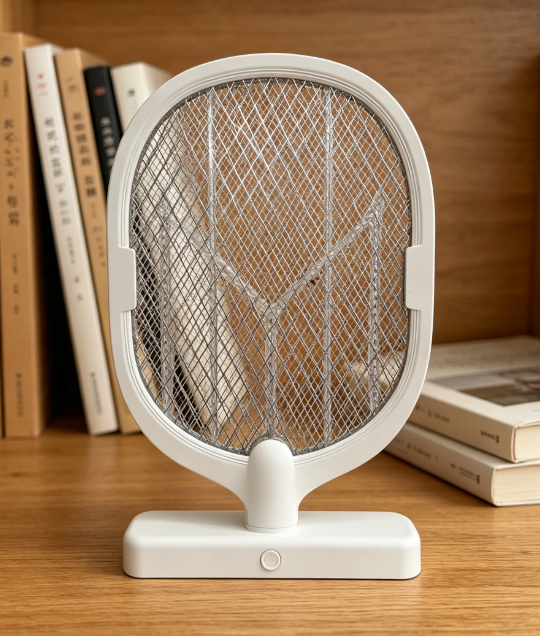
Warranty returns are the silent margin killer in the mosquito control category. A distributor who buys a swatter at $1.80 FOB and retails it at $9.90 can absorb a 1% return rate without noticing — but at 5%, the combined cost of replacement units, reverse logistics, and refund processing erases most of the line's profit.
Common mosquito swatter killer lamp failure modes wholesale spec guide

Digital bathroom scales rank as the second-highest-volume consumer weighing product category, only behind kitchen scales, with distinct market and product characteristics that set them apart from other scale types in importers’ product portfolios.
Digital bathroom body fat-bia-scale wholesale buyers guide