
Say Goodbye to Mosquito Troubles
2025-10-12
Say Goodbye to Mosquito Troubles! 6 Super Practical Mosquito Repellent Tips to Safeguard Your Summer Peace
The gentle evening breeze and starry night skies of summer are supposed to be delightful, but the buzzing of mosquitoes can instantly ruin that bliss. Not only do their bites cause red, itchy bumps, but mosquitoes can also spread diseases, which is truly annoying. Fortunately, you don’t have to rely on mosquito repellents with complex chemical ingredients—there are plenty of simple yet effective mosquito-repelling tricks in daily life. Today, I’ll share them one by one to help you enjoy a refreshing summer!
1. Natural "Mosquito-Repelling Plants" – Place a Few Pots at Home for Peace of Mind
Mosquitoes are particularly sensitive to the scents of certain plants. Placing these plants at home or on the balcony not only decorates your space but also quietly "chases away" mosquitoes. Mint is an excellent choice: its stems and leaves contain menthol, and the cool scent it emits has a strong repellent effect on mosquitoes. Plus, you can pluck a few leaves to make mint water, which also helps relieve summer heat. Additionally, mosquito-repellent grass (also known as geranium) is a "professional player"—the citronellal released by its leaves provides long-lasting mosquito protection. As long as it gets enough sunlight, it can keep working. There are also jasmine and evening primrose: their scents become stronger at night when they bloom, and mosquitoes will stay far away from these fragrances. However, note that evening primrose has a strong aroma, so it’s recommended to place it on the balcony or outdoors to avoid affecting sleep if kept in the bedroom for a long time.
2. Physical Protection to "Build a Barrier" – Keep Mosquitoes Out
Compared to chemical repellents, physical protection is safer, especially for families with the elderly, children, or pregnant women. First, check your home’s window screens and screen doors and repair any damaged areas promptly—this is the first line of defense against mosquitoes entering your home. Close doors and windows before turning on lights at night to prevent mosquitoes from "sneaking in". If you like to keep windows open for ventilation, place a basin of water on the windowsill and add a few drops of wind oil or floral water. The menthol and camphor in wind oil will spread with air circulation, forming an "invisible protective screen" that mosquitoes dare not approach. Moreover, using a mosquito net while sleeping at night is a classic and effective method. Choose a dense-mesh mosquito net—it not only keeps mosquitoes out but also blocks dust and small insects, ensuring you sleep soundly all night.
3. Homemade Mosquito Repellent Spray/Pouches – Natural, Non-Irritating, and Effective
If you want to carry mosquito repellents with you when going out, homemade natural mosquito repellent spray or sachets are great options. Making mosquito repellent spray is simple: prepare a spray bottle, pour in an appropriate amount of pure water or toner, add 5-8 drops of lemongrass essential oil or lavender essential oil (both have good mosquito-repellent effects and a fresh scent), and 1-2 drops of vitamin E oil (to moisturize the skin and avoid irritation). Shake well, and it’s ready to use. Before going out, spray it on the collars, cuffs, or ankles of your clothes—it can repel mosquitoes effectively for 2-3 hours.
Making mosquito-repellent pouches is also easy. Prepare a small piece of gauze or non-woven fabric, and fill it with a mixture of mugwort leaves, cloves, dried tangerine peel, and mint (10-15 grams of each ingredient, mixed evenly). Seal it to make a small pouch, then hang it on your bag, in the car, or place it by your bedroom pillow. The natural herbal fragrance not only repels mosquitoes continuously but also freshens the air—healthier than commercial air fresheners.
4. Improve the Environment to "Cut Off Mosquito Sources" – Reduce Mosquito Breeding at the Root
Mosquitoes like to lay eggs in damp, waterlogged environments. Therefore, if you want to reduce the number of mosquitoes, start by improving your living environment. Regularly clean up waterlogged areas in your home, such as stagnant water in flower pot trays, residual water from fish tank changes, and standing water on bathroom floors. These places are most likely to become mosquitoes’ "nurseries". Cleaning them 1-2 times a week can significantly reduce the mosquito population. In addition, keep your home dry and well-ventilated, and dispose of garbage promptly to avoid attracting mosquitoes with food scraps. If you have a fish tank or aquatic plants at home, put a few minnows or guppies in the water—they will eat mosquito larvae (wrigglers), controlling mosquito reproduction at the source in an eco-friendly and effective way.
5. Make Good Use of Daily Items – Emergency Mosquito Repellent for Unexpected Situations
Sometimes you may suddenly encounter mosquitoes without any repellent products nearby, but you can use daily household items for emergency mosquito repellent. For example, cut garlic into slices and place them on the windowsill, desk, or bedside. The pungent smell of garlic will keep mosquitoes away. Although the scent may be strong for humans, it works great for emergency situations. There’s also vitamin B1 tablets: dissolve 1-2 tablets in water, dip a cotton swab in the solution, and apply it to exposed skin. The unique smell of vitamin B1 interferes with mosquitoes’ sense of smell, repelling them without irritating the skin—perfect for people with sensitive skin.
6. "Mosquito-Repellent Clothing" – Reduce Mosquito "Targeting"
Mosquitoes are more sensitive to dark-colored and bright-colored clothing. When going out in summer, try to choose light-colored clothes, such as white, beige, or light blue—this will draw less attention from mosquitoes. At the same time, wear long-sleeved tops and long pants, especially in the evening, early morning, or when going to places with lots of mosquitoes like parks or grasslands. Clothing can directly block mosquito bites. If you feel hot, opt for lightweight and breathable cotton or linen fabrics—they are cool and mosquito-repellent. Additionally, mosquitoes are sensitive to ingredients like lactic acid and ammonia in sweat, so take a shower promptly after exercising or sweating to keep your body dry, which also reduces the chance of being bitten by mosquitoes.
These 6 mosquito-repellent tips are natural and practical—whether you’re at home or out, they can help you stay away from mosquito troubles effectively. In fact, repelling mosquitoes doesn’t have to be complicated; as long as you find the right methods, you can easily enjoy a mosquito-free summer. If you have other useful mosquito-repellent tips, feel free to share them in the comments section—let’s bid farewell to mosquito troubles together!
Does Your Electric Mosquito Swatter Lose Effectiveness in Just 1 Month
What are the similarities between an electric mosquito swatter and a badminton racket
Related Article

If you’re struggling with annoying mosquitoes, flies, and other flying pests indoors and outdoors, upgrading from traditional manual tools to anElectric Mosquito Swatter is the most efficient solution. Many homeowners and renters search where to buy fly swatter online to find durable, safe, and high-performance electric models that deliver instant pest control.
Where to Buy Fly Swatter
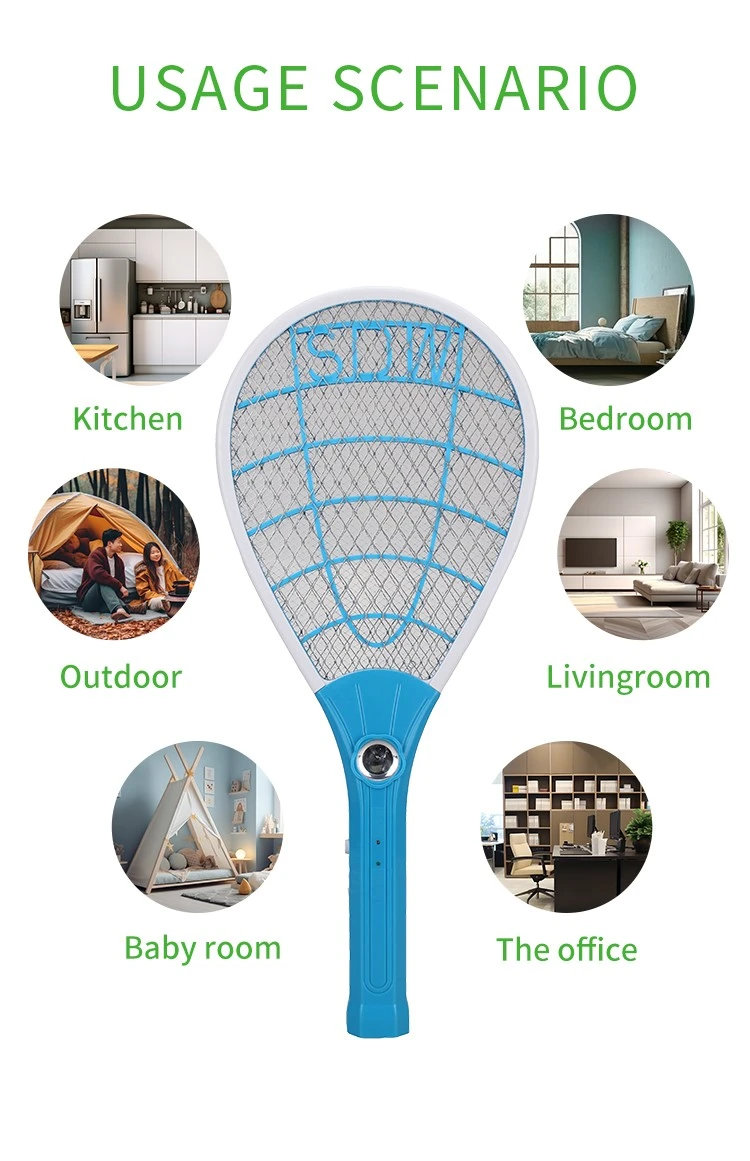
Most importers of electric mosquito swatters obsess over the first order: samples requested, factories vetted, a pre-shipment inspection booked. Then the reorder arrives eight months later and something is off. The grid feels softer. The charge port is a slightly different shade of black. The carton thickness dropped from 350 gsm to 300 gsm. Nothing is catastrophic — but the product no longer matches what your retail customers approved, and quietly, your return rate starts climbing.
How to Keep Mosquito Swatter Quality Consistent Across Repeat Orders
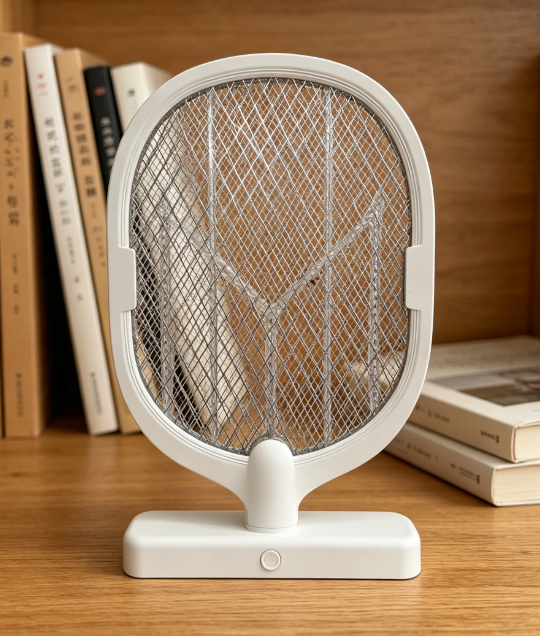
Warranty returns are the silent margin killer in the mosquito control category. A distributor who buys a swatter at $1.80 FOB and retails it at $9.90 can absorb a 1% return rate without noticing — but at 5%, the combined cost of replacement units, reverse logistics, and refund processing erases most of the line's profit.
Common mosquito swatter killer lamp failure modes wholesale spec guide

Digital bathroom scales rank as the second-highest-volume consumer weighing product category, only behind kitchen scales, with distinct market and product characteristics that set them apart from other scale types in importers’ product portfolios.
Digital bathroom body fat-bia-scale wholesale buyers guide