
Say Goodbye to Pesky Bugs
2025-07-07
Say Goodbye to Pesky Bugs: Your Bug Zapper Buying Guide
Pesky bugs like flies, mosquitoes, and gnats can turn a peaceful evening outdoors or a cozy time indoors into a frustrating experience. They not only disrupt our daily lives but also pose health risks by transmitting diseases. Bug zappers offer an effective solution to keep these unwanted pests at bay. In this comprehensive buying guide, we'll explore different types of bug - zapping devices, including mosquito killer lamps and electric mosquito swatters, and provide you with essential tips to make the right purchase.
Understanding Bug - Zapping Devices
Mosquito Killer Lamps: A Passive Solution
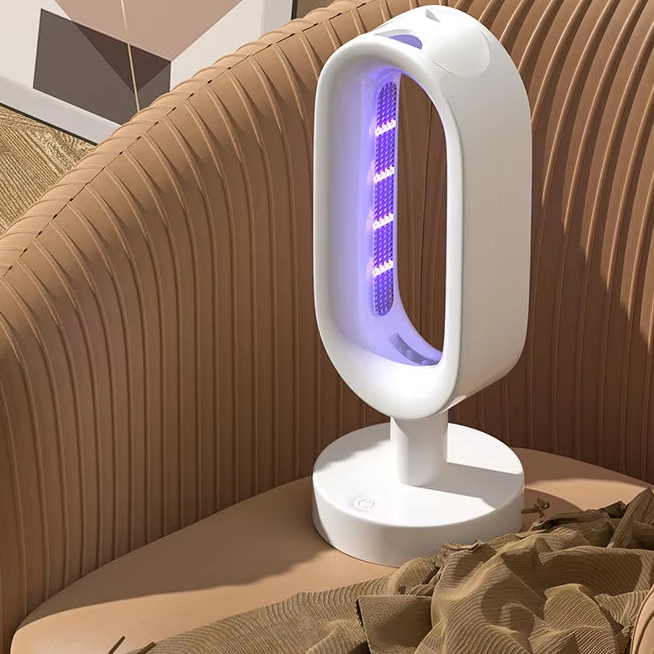
Mosquito killer lamps, also known as insect - attracting lamps, are designed to attract bugs using ultraviolet (UV) light. This is based on the phototaxis behavior of insects, where they are naturally drawn to light sources. Once the bugs approach the lamp, they meet one of two fates:
- Electrocution: In many models, there is a high - voltage grid surrounding the light source. When the bugs come into contact with the grid, they are electrocuted instantly.
- Suction: Some advanced mosquito killer lamps feature a built - in fan. The fan creates a suction force that pulls the attracted bugs into a collection tray, where they eventually die from dehydration or exhaustion.
These lamps are ideal for areas where a continuous and hands - off bug - control solution is needed, such as large outdoor patios, gardens, or living rooms.
Electric Mosquito Swatters: A Manual Approach
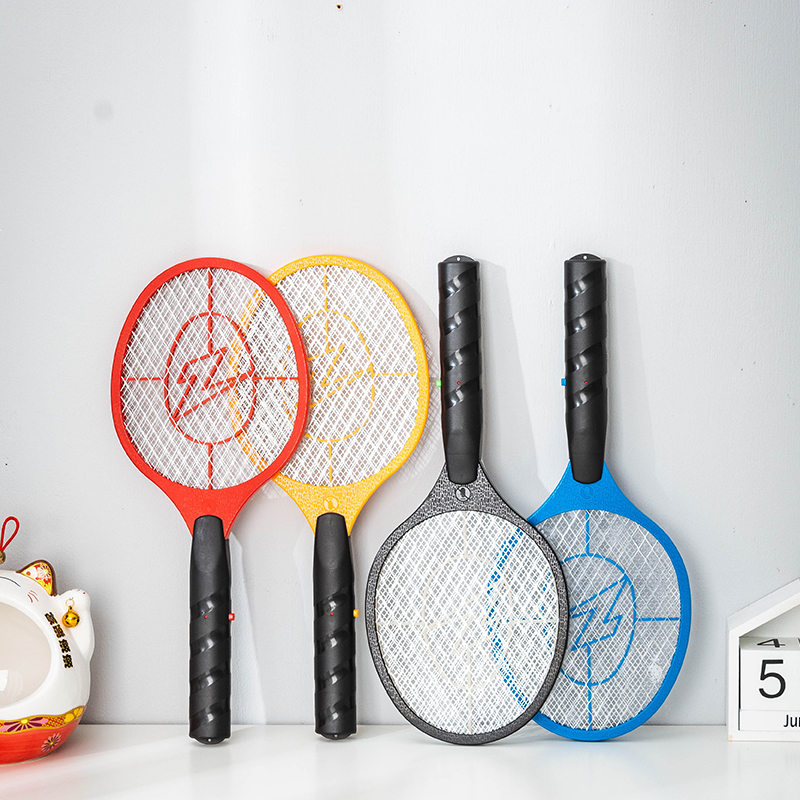
Electric mosquito swatters provide a more hands - on way to deal with bugs. They consist of a mesh - like grid that is charged with electricity. When you swing the swatter at a bug and make contact, the bug is immediately electrocuted. The advantages of electric mosquito swatters include:
- Immediate Results: You can eliminate bugs as soon as you spot them, providing instant relief from their nuisance.
- Portability: They are lightweight and easy to carry around, making them suitable for use both indoors and outdoors, in tight spaces or while on the go.
Key Factors to Consider When Buying a Bug Zapper
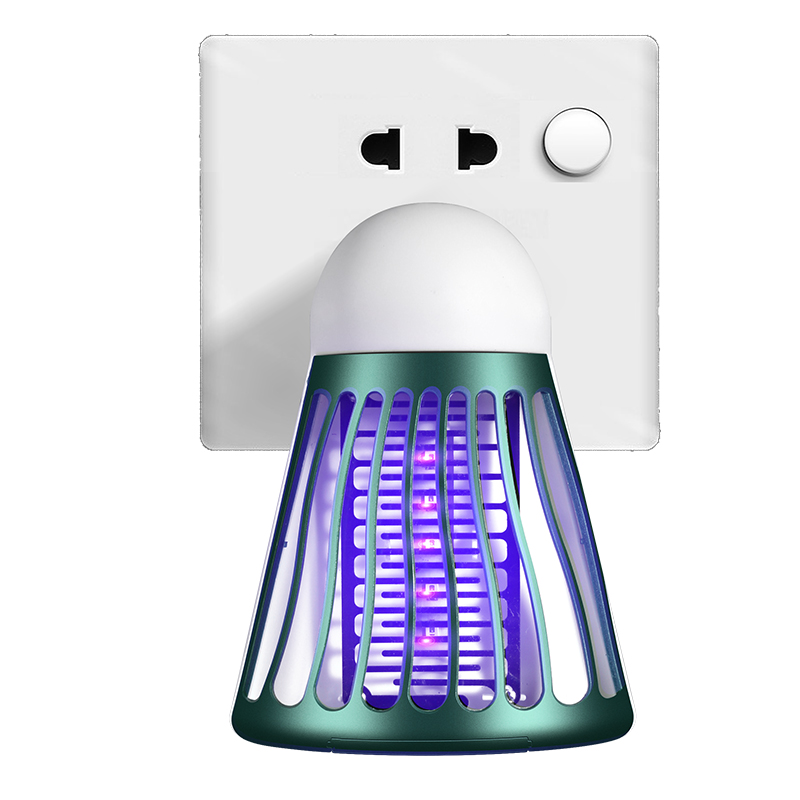
- For Mosquito Killer Lamps: Consider the size of the area you want to protect. If you plan to use it in a large garden, look for models that can cover a wide radius, usually measured in square feet. Some powerful lamps can cover up to 1500 - 2000 square feet.
- For Electric Mosquito Swatters: While they don't cover a fixed area like lamps, consider the handle length. A longer handle can help you reach bugs in high or hard - to - access places.
Power Source
-
- Electric Plug - in: These are the most common type. They offer a continuous power supply, ensuring the lamp works around the clock. However, they need to be placed near an electrical outlet.
-
- Battery - Operated or Solar - Powered: Battery - operated lamps provide flexibility in placement, as they don't require a nearby outlet. Solar - powered models are eco - friendly, charging during the day and operating at night, but their performance may be affected by cloudy days.
- Electric Mosquito Swatters: Most are rechargeable, using a battery that can be charged via a USB cable or an adapter. Check the battery life and charging time before purchasing.
Safety Features
- Mosquito Killer Lamps: Look for lamps with protective covers over the high - voltage grid to prevent accidental contact, especially if you have children or pets at home.
- Electric Mosquito Swatters: Ensure the swatter has a safety switch to prevent accidental activation. Also, check for a well - insulated handle to avoid electric shocks during use.
Noise Level
- Mosquito Killer Lamps: Some models with fans may produce a humming noise. If you plan to use the lamp indoors or in a quiet environment, choose a model with a low - noise fan or one that operates silently.
- Electric Mosquito Swatters: They generally don't produce much noise, but the sound of electrocuting bugs can be a bit startling, especially in a quiet room.
Maintenance and Longevity
- Mosquito Killer Lamps: Regularly clean the collection tray to prevent a foul smell and maintain the lamp's effectiveness. Replace the UV light bulb as recommended by the manufacturer, usually once a year or more frequently depending on usage.
- Electric Mosquito Swatters: Clean the mesh grid to remove dead bugs and debris, which can affect its performance. Also, take good care of the battery by following the charging instructions to ensure a long battery life.
What is the best type of mosquito killer
How To Get Rid Of Crickets In The House
Related Article

If you’re struggling with annoying mosquitoes, flies, and other flying pests indoors and outdoors, upgrading from traditional manual tools to anElectric Mosquito Swatter is the most efficient solution. Many homeowners and renters search where to buy fly swatter online to find durable, safe, and high-performance electric models that deliver instant pest control.
Where to Buy Fly Swatter

Most importers of electric mosquito swatters obsess over the first order: samples requested, factories vetted, a pre-shipment inspection booked. Then the reorder arrives eight months later and something is off. The grid feels softer. The charge port is a slightly different shade of black. The carton thickness dropped from 350 gsm to 300 gsm. Nothing is catastrophic — but the product no longer matches what your retail customers approved, and quietly, your return rate starts climbing.
How to Keep Mosquito Swatter Quality Consistent Across Repeat Orders

Warranty returns are the silent margin killer in the mosquito control category. A distributor who buys a swatter at $1.80 FOB and retails it at $9.90 can absorb a 1% return rate without noticing — but at 5%, the combined cost of replacement units, reverse logistics, and refund processing erases most of the line's profit.
Common mosquito swatter killer lamp failure modes wholesale spec guide

Digital bathroom scales rank as the second-highest-volume consumer weighing product category, only behind kitchen scales, with distinct market and product characteristics that set them apart from other scale types in importers’ product portfolios.
Digital bathroom body fat-bia-scale wholesale buyers guide