
Shipping Lithium Battery Mosquito Swatters and Killer Lamps
2026-10-11
Shipping Lithium Battery Mosquito Swatters and Killer Lamps: UN38.3, IATA and IMDG Rules Every Importer Must Know
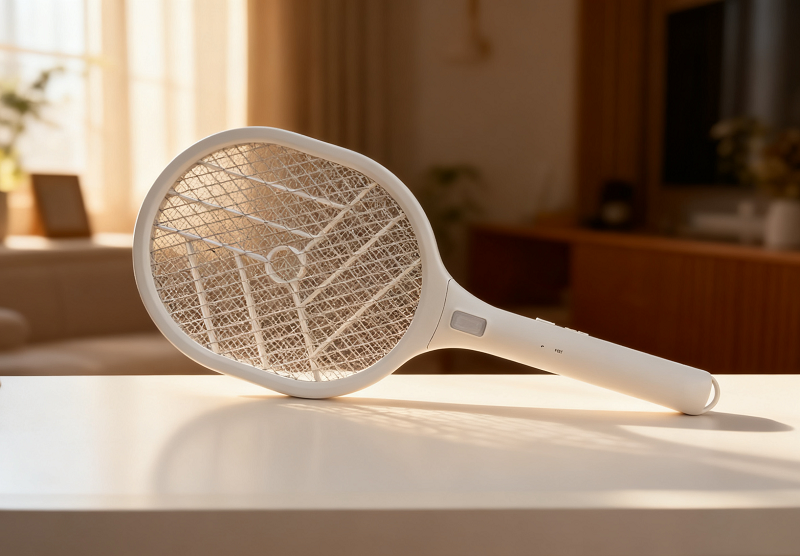
If your electric mosquito swatter or rechargeable mosquito killer lamp contains a lithium-ion or lithium-polymer cell, it does not ship as ordinary general cargo. It moves under the dangerous goods (DG) framework — UN3480 or UN3481, Class 9 — and requires specialized paperwork, compliant packaging and carrier-specific restrictions. During the pre-Chinese New Year shipping rush, when forwarders face tight capacity and customs teams are understaffed, non-compliant lithium battery shipments are the most likely to be detained, fined or returned. This guide covers every critical compliance check wholesale importers must complete before shipping battery-powered mosquito control products out of China.
Why Battery-Powered Mosquito Swatters Are Class 9 Dangerous Goods
Most rechargeable swatters and USB mosquito killer lamps on the market use 1,000–8,000 mAh lithium-ion cells with a nominal voltage of 3.7V and a watt-hour rating of 3.7–29.6 Wh per unit. International DG regulations apply to any lithium cell above 2.7 Wh or any battery pack above 100 Wh. Critically, even smaller cells become regulated once installed in finished equipment — no exemptions apply for consumer mosquito devices.
Two UN numbers govern these products:
UN3480: Lithium-ion batteries shipped alone. Rare for finished swatter shipments and only applicable to standalone spare battery packs.
UN3481: Lithium-ion batteries contained in or packed with equipment. This is the correct classification for standard rechargeable mosquito swatters and lamps with built-in lithium cells.
Both entries belong to Class 9 Miscellaneous Dangerous Goods. As a result, factories cannot tender these goods via standard general cargo trucking or booking. Every shipment requires a formal DG declaration, valid UN38.3 test documentation, standardized hazard markings, and a carrier approved for Class 9 lithium battery cargo.
UN38.3: The Mandatory Test Report Every Importer Must Verify
UN38.3 is the UN standardized testing manual for lithium cells and batteries. It covers eight essential safety tests: altitude simulation, thermal cycling, vibration, mechanical shock, external short circuit, impact and crush, overcharge protection, and forced discharge. Per UN 38.3.5(f) (2016 update) and the latest IATA/IMDG amendments, all finished equipment with installed lithium batteries must carry a formal Lithium Battery Test Summary for export shipping.
Before confirming orders, enforce a three-document requirement from your supplier:
1. A UN38.3 Test Summary matching the exact cell model and specifications used in your production run. Generic reports for similar cell families are invalid. Goods will be detained during DG audits if cell models do not match the report.
2. A full 16-section MSDS/SDS for the battery pack, clearly stating the correct UN number, packing group status, and accurate Wh rating.
3. A packaging certificate or drop-test report for UN-certified outer packaging, required for UN3480 standalone batteries or UN3481 shipments exceeding Section II exemption limits.
A common compliance failure occurs when factories switch battery suppliers mid-production to cut costs, rendering existing UN38.3 documents invalid. To avoid port holds and delays, add a purchase agreement clause: no battery cell substitutions are permitted without written buyer approval and updated UN38.3 documentation prior to shipment.
Air Freight vs Sea Freight: IATA vs IMDG Rule Differences
Air and ocean freight apply completely different regulatory regimes to lithium battery mosquito devices, directly affecting your cost, compliance steps and peak-season reliability.
|
Criterion
|
Air Freight (IATA DGR PI967/PI966)
|
Sea Freight (IMDG Code SP188 / P903)
|
|
State of Charge (SoC)
|
≤30% for UN3480; ≤30% strongly recommended for batteries in equipment
|
No official SoC limit
|
|
Small Battery Relief
|
Section II exempts cells ≤20 Wh / batteries ≤100 Wh from full DG declaration; large volumes require CAO (Cargo Aircraft Only)
|
SP188 exempts qualified small batteries in equipment from full DG paperwork (≤20 Wh cell / ≤100 Wh battery)
|
|
Cost Impact
|
$150–$400 DG surcharge per shipment + fuel/security fees; airlines enforce lithium tonnage caps
|
$75–$250 DG surcharge per container + doc fees; wider carrier acceptance
|
|
Pre-CNY Peak Capacity
|
Very tight; passenger belly DG space is bumped first
|
More predictable; book 3–4 weeks in advance for Q4 peaks
|
For bulk orders of 5,000–20,000 mosquito swatters (each ≤100 Wh battery), sea freight under IMDG SP188 is the most practical choice. It requires no battery discharging, features lower surcharges, and avoids last-minute airline booking rejections. Reserve air freight only for samples, urgent restocks and launch inventory, and ensure factory teams limit battery SoC to 30% before packing.
Pre-Booking Documentation Checklist for Importers
Share this checklist with suppliers at the PO stage, not at booking:
1. Shipper-signed Dangerous Goods Declaration (DGD) with correct UN number, proper shipping name “Lithium ion batteries contained in equipment” and Class 9 hazard entry.
2. UN38.3 Lithium Battery Test Summary matching the actual cell model installed.
3. 16-section MSDS/SDS for the battery pack.
4. UN-approved packaging certificate (for full DG-rated shipments).
5. Correctly sized and affixed Class 9 hazard labels and UN3481 lithium battery marks on every outer carton.
6. Container Packing Certificate for LCL/FCL sea shipments under full DG provisions.
Incorrect or misaligned labels are the top reason LCL consolidators reject lithium battery cargo. Many major consolidators silently exclude Class 9 lithium goods, with rejections only discovered after cargo arrives at the CFS warehouse. Always confirm your forwarder’s lithium acceptance policy before LCL booking.
Five Critical PO Clauses for Battery Product Compliance
Lock in compliance and factory accountability with these five contract terms:
Locked Cell Specs: Fixed battery brand and exact model number; UN38.3 report must match production cells and be assignable to the buyer.
Verified Wh Rating: Consistent watt-hour values on products, cartons, and all shipping documents.
Air Shipment SoC Control: All air freight cargo must be discharged to ≤30% SoC with formal factory confirmation.
Pre-Approved Label Artwork: Lithium marks, UN numbers, and handling text must be buyer-approved before mass packaging.
Spare Battery Protocol: Any co-shipped spare batteries (UN3480) require full P903 packaging and ≤30% SoC.
Pre-Chinese New Year Peak Shipping Strategy
With 2027 Chinese New Year falling on February 6, factories begin winding down in late January. DG trucking and booking slots tighten significantly from December through January. During Q4 peak season, Class 9 lithium sea freight bookings on trans-Pacific and Asia–Europe lanes require 4–5 week lead times, double the window for general cargo.
Complete your UN38.3 file validation before production starts, not after goods are packed. Full documentation alignment not only prevents holds and fines but also filters out suppliers who cut corners on battery sourcing.
Qualified manufacturers like Aofengming Electric standardize full DG compliance for all rechargeable mosquito swatter and killer lamp orders, providing cell-locked UN38.3 summaries and pre-approved lithium labeling. This lets importers focus on peak-season sales instead of resolving port and documentation issues.
How Long Do Mosquito Bites Last
Smart Mosquito Killer Lamps With App Connectivity
Related Article
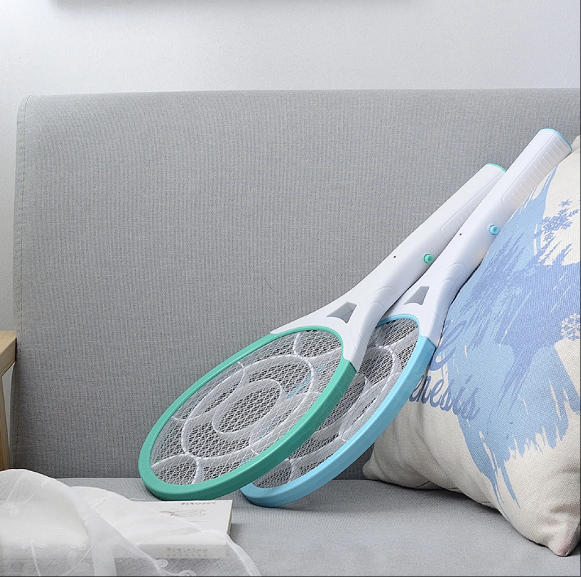
If you’re struggling with annoying mosquitoes, flies, and other flying pests indoors and outdoors, upgrading from traditional manual tools to anElectric Mosquito Swatter is the most efficient solution. Many homeowners and renters search where to buy fly swatter online to find durable, safe, and high-performance electric models that deliver instant pest control.
Where to Buy Fly Swatter
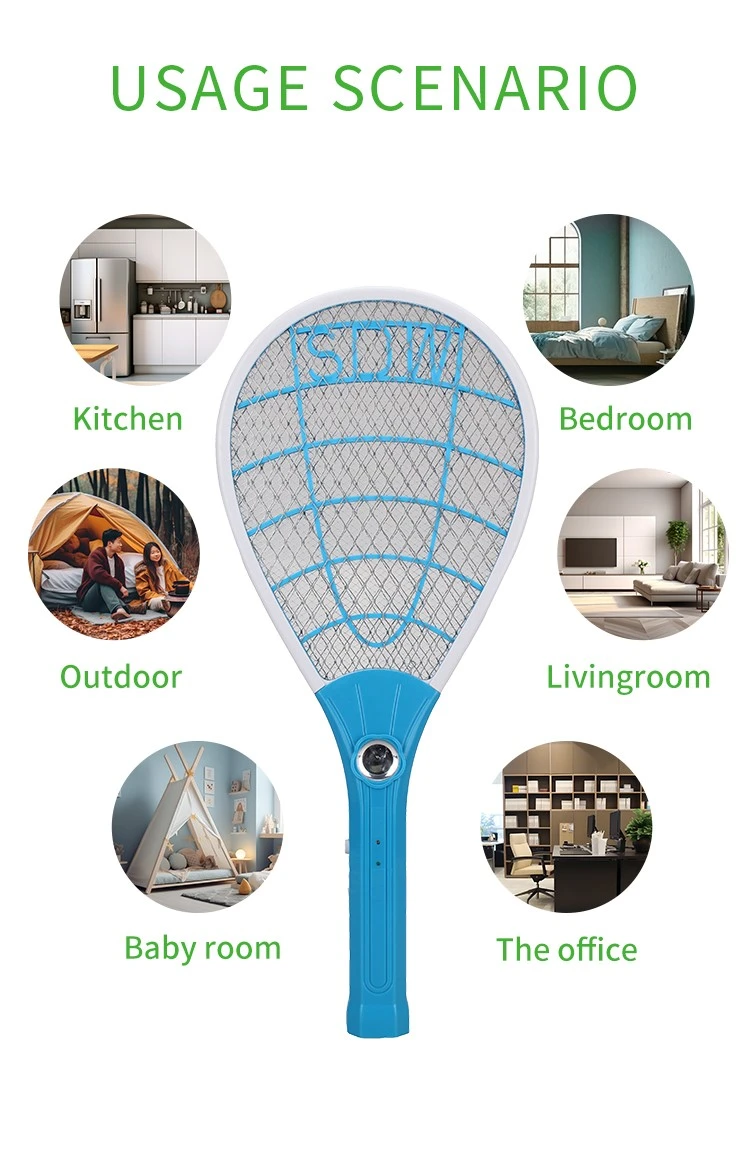
Most importers of electric mosquito swatters obsess over the first order: samples requested, factories vetted, a pre-shipment inspection booked. Then the reorder arrives eight months later and something is off. The grid feels softer. The charge port is a slightly different shade of black. The carton thickness dropped from 350 gsm to 300 gsm. Nothing is catastrophic — but the product no longer matches what your retail customers approved, and quietly, your return rate starts climbing.
How to Keep Mosquito Swatter Quality Consistent Across Repeat Orders
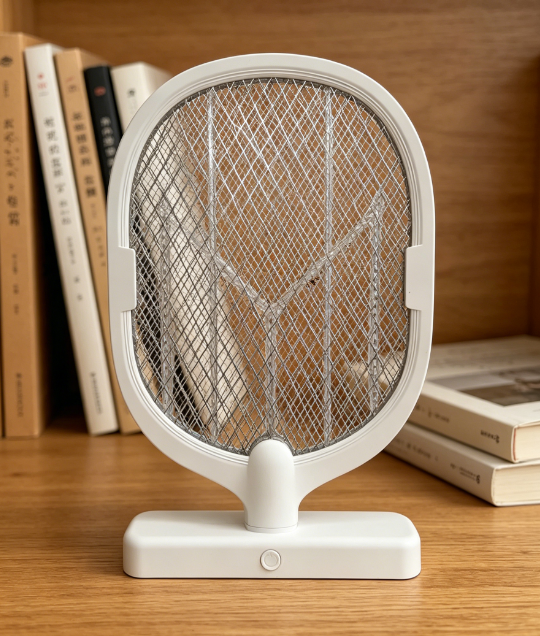
Warranty returns are the silent margin killer in the mosquito control category. A distributor who buys a swatter at $1.80 FOB and retails it at $9.90 can absorb a 1% return rate without noticing — but at 5%, the combined cost of replacement units, reverse logistics, and refund processing erases most of the line's profit.
Common mosquito swatter killer lamp failure modes wholesale spec guide

Digital bathroom scales rank as the second-highest-volume consumer weighing product category, only behind kitchen scales, with distinct market and product characteristics that set them apart from other scale types in importers’ product portfolios.
Digital bathroom body fat-bia-scale wholesale buyers guide