
Should You Check the Manufacturing Date of an Electric Fly Swatter
2026-06-22
Should You Check the Manufacturing Date of an Electric Fly Swatter?
As early summer brings peak mosquito season, every household prepares an electric fly swatter. A low-cost, efficient household pest-killing tool, it has become a summer essential. Most shoppers only focus on grid size, battery life, appearance and price, yet few bother to check the manufacturing date on the device.
Many people wonder: Is the manufacturing date really important for such an affordable small home appliance? Can a swatter stored for one or two years still work well? This article gives a full guide on whether you need to check the manufacturing date, how to find it, and which stocked units you should avoid buying.
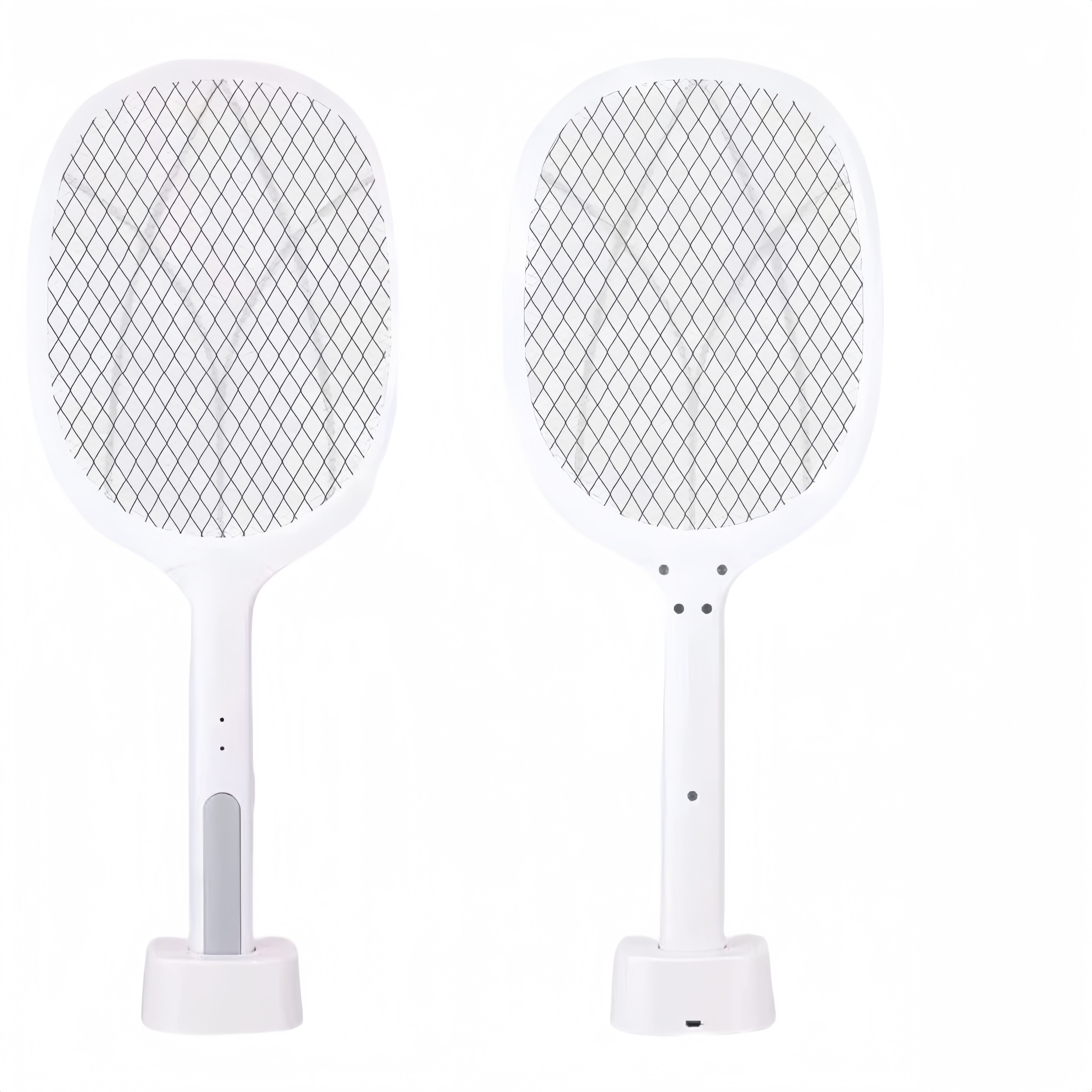
1. Verdict: Checking the Production Date Is a Must, Not a Waste of Time
Here is a clear shopping rule: Always check the manufacture date of brand-new electric fly swatters, whether bought online or offline. Prioritize products manufactured within 6 months; avoid those stocked for over 12 months.
Unlike durable daily necessities such as plastic basins and clothes hangers, electric fly swatters are charged electric appliances with consumable core parts. Their performance degrades over time even without use. Brand-new unopened units will suffer internal component aging after long-term warehouse storage, which explains why many new swatters leak electricity, drain power fast or fail to turn on after minimal use.
2. Why Long-term Stocked Electric Swatters Are Poor Buys
1. Irreversible Natural Discharge of Built-in Lithium Batteries
Over 95% of rechargeable household electric fly swatters adopt built-in or detachable polymer lithium batteries. Lithium batteries discharge spontaneously even when idle and disconnected from power sources.
Warehouses are usually airtight, hot and humid, which accelerates battery plate aging and internal resistance rise. For swatters stored for more than 1 year, battery capacity drops by 20% to 40%. Those stocked for over 2 years commonly have faulty battery issues: full charge in minutes, dead power after one use, failure to charge, or even dangerous battery bulging for low-quality models.
2. Aging High-voltage Capacitors Reduce Killing Power
Electric fly swatters kill pests via high-voltage capacitors. Left idle without regular charge-discharge cycles, capacitors will suffer internal medium attenuation. A newly manufactured swatter generates 2500V to 3000V stable high voltage to kill large mosquitoes and moths instantly. Stocked swatters over 2 years have unstable voltage that only stuns tiny bugs, working no better than defective products.
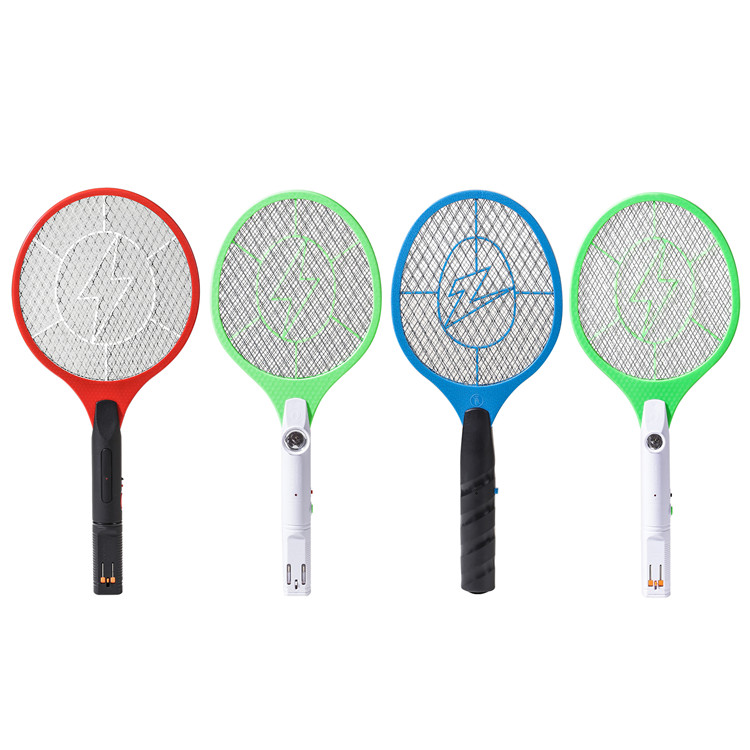
3. Oxidized Plastic and Insulating Wires Bring Safety Risks
Warehouses lack humidity control. Humid weather in southern regions causes invisible oxidation and micro-cracks on insulating wires and plastic grid frames of stored swatters. These hidden damages lead to grid electric leakage and mild electric shocks during use, posing huge threats to kids and the elderly at home.
3. 3 Quick Places to Locate the Production Date
Formal branded electric fly swatters have standardized date marks, no package removal required:
-
Nameplate on the bottom: The most common marking spot, printed with clear year-month-day production codes;
-
Side of outer packaging box: Printed with production batch and manufacturing date for online orders;
-
Inner charging port: Mini portable swatters usually have embossed manufacturing dates inside the charging port.
Shopping Reminder: Stay away from uncertified no-brand swatters without manufacturing dates, manufacturer info or 3C certification. Cheap as they are, they come with no after-sales warranty and fail national safety standards.
4. Date-based Shopping Standards for Beginners
Based on home appliance industry storage standards and household use habits, here is a classified purchasing guide:
-
Top Pick: Made within 0-6 months: Optimal battery and capacitor condition, stable voltage and full warranty period; worth buying without hesitation;
-
Acceptable Pick: Made within 6-12 months: Negligible storage loss, usable for 2 to 3 years normally; a good choice for discounted items;
-
Caution Pick: Made within 12-24 months: Long-stocked goods with likely defective batteries; only buy at clearance ultra-low prices;
-
Avoid Totally: Made over 24 months: Severely aged internal parts with no repair value; never buy regardless of price.
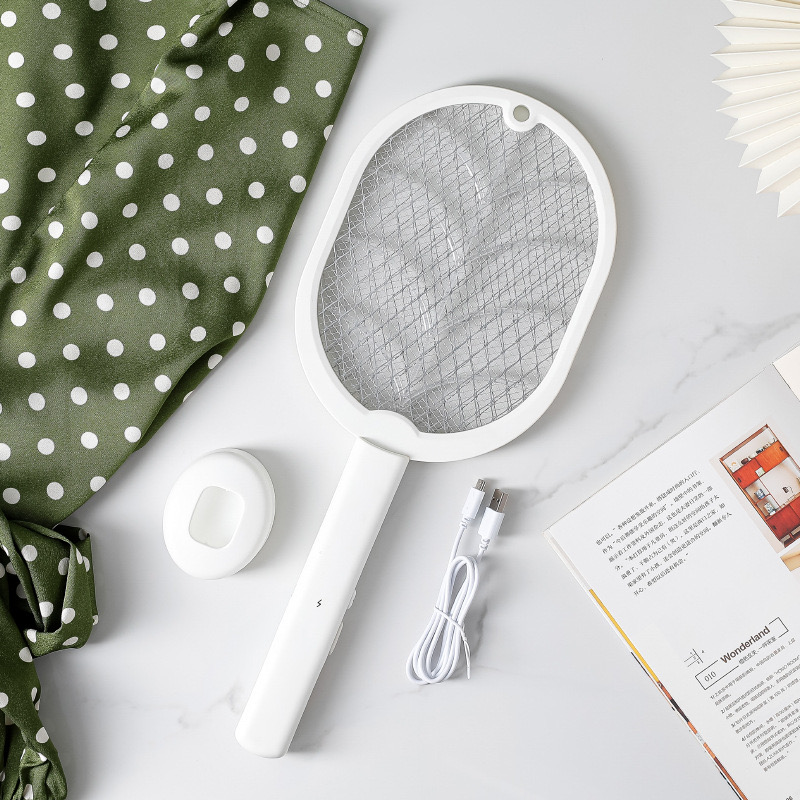
5. Q&A: Can Last Year’s Stored Electric Swatters Still Be Used?
Many families store swatters after summer use and reuse them the next year. Are expired-manufacture swatters unsafe? Two cases for reference:
Seasonally used swatters: Swatters charged and discharged regularly every summer, then stored dry in winter keep stable performance, even with a 2-year manufacturing gap;
Unopened idle swatters: Unused unopened swatters stored at home for 2 years equal warehouse stock. Check for battery bulging and test battery life after 30-minute charging; replace faulty ones instead of forced use.
6. Final Shopping Conclusion
Electric fly swatters are not long-term storable daily goods, but electric appliances with energy-storing components. The manufacturing date determines its core quality. Do not only focus on price and appearance. Check the manufacturing date, choose newly-made units within half a year, and avoid over-2-year stocked products.
A small price gap is trivial. Buying aged stocked swatters with electric leakage, poor battery life and weak killing power is a waste of money and a hidden danger for home safety. Small details make worry-free home appliance purchases.
Safety Guide for Using Mosquito Killers in Bedrooms
What Determines the Price of Electric Mosquito Swatters
Related Article

If you’re struggling with annoying mosquitoes, flies, and other flying pests indoors and outdoors, upgrading from traditional manual tools to anElectric Mosquito Swatter is the most efficient solution. Many homeowners and renters search where to buy fly swatter online to find durable, safe, and high-performance electric models that deliver instant pest control.
Where to Buy Fly Swatter
Most importers of electric mosquito swatters obsess over the first order: samples requested, factories vetted, a pre-shipment inspection booked. Then the reorder arrives eight months later and something is off. The grid feels softer. The charge port is a slightly different shade of black. The carton thickness dropped from 350 gsm to 300 gsm. Nothing is catastrophic — but the product no longer matches what your retail customers approved, and quietly, your return rate starts climbing.
How to Keep Mosquito Swatter Quality Consistent Across Repeat Orders
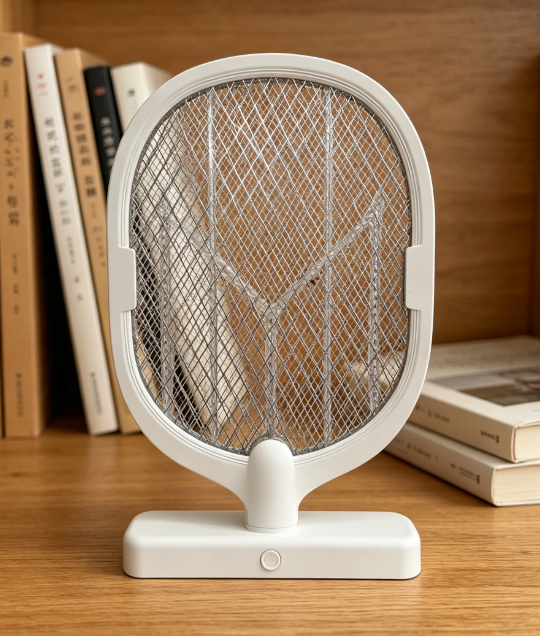
Warranty returns are the silent margin killer in the mosquito control category. A distributor who buys a swatter at $1.80 FOB and retails it at $9.90 can absorb a 1% return rate without noticing — but at 5%, the combined cost of replacement units, reverse logistics, and refund processing erases most of the line's profit.
Common mosquito swatter killer lamp failure modes wholesale spec guide

Digital bathroom scales rank as the second-highest-volume consumer weighing product category, only behind kitchen scales, with distinct market and product characteristics that set them apart from other scale types in importers’ product portfolios.
Digital bathroom body fat-bia-scale wholesale buyers guide