
Should You Choose a Trading Company or a Manufacturer
2025-08-21
Buying Electric Mosquito Swatters: Should You Choose a Trading Company or a Manufacturer?
During mosquito-infested seasons, electric mosquito swatters become essential mosquito-killing tools for many households. For businesses, enterprises, or individuals in need of purchasing electric mosquito swatters, the first decision to make is: should they buy from a trading company or cooperate directly with a manufacturer? These two procurement channels each have their pros and cons, and a comprehensive consideration of multiple factors is required.
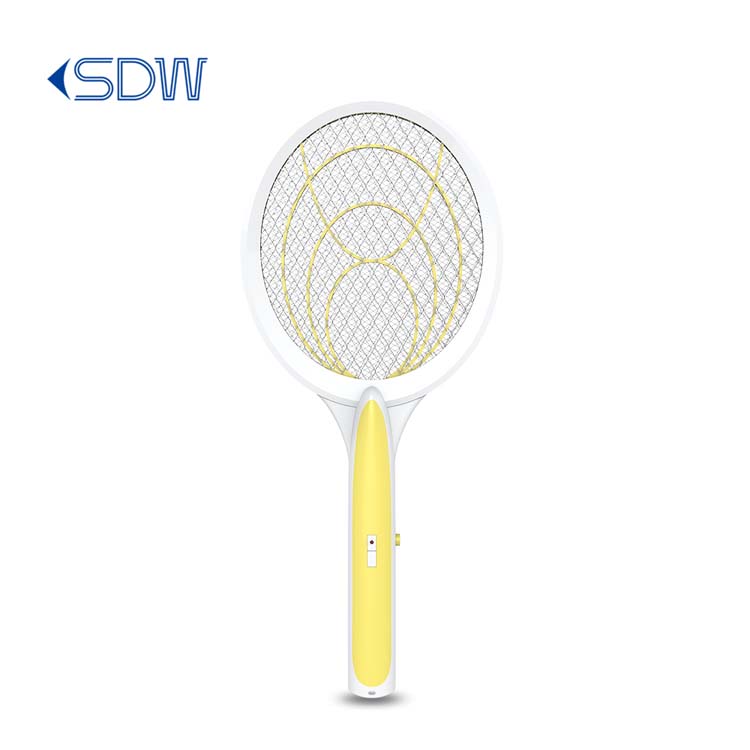
I. Advantages of Trading Companies
(1) Diverse Product Choices
Trading companies usually establish cooperative relationships with multiple different electric mosquito swatter manufacturers. This means buyers can access electric mosquito swatters of different brands, styles, and functions from various manufacturers in a single trading company. For instance, some trading companies offer not only traditional electric shock-type mosquito swatters but also 2-in-1 ones integrated with light attraction technology, and even portable foldable models designed for outdoor use. In contrast, the product range of a single manufacturer may be relatively limited, making it difficult to meet the diverse needs of buyers.
(2) Professional Service Support
Many trading companies have professional teams that can provide comprehensive services throughout the procurement process. In the early stage of procurement, they can accurately recommend suitable electric mosquito swatters based on the buyer’s specific needs, such as usage scenarios (homes, commercial places, outdoor camps, etc.), budget constraints, and desired functional features (e.g., battery life, electric shock intensity, and whether there is a safety protection design). During the procurement process, trading companies are responsible for communicating and coordinating production details, delivery times, and other issues with manufacturers, saving buyers a great deal of time and effort. Moreover, trading companies generally have abundant logistics resources and can assist buyers in choosing the most economical and efficient transportation method to ensure the safe and timely delivery of goods.
(3) Flexible Order Quantity Requirements
Trading companies tend to have higher flexibility in terms of order quantities. For small businesses or merchants making their first attempt to purchase electric mosquito swatters, they may not meet the minimum order quantity (MOQ) required by manufacturers. However, trading companies can consolidate multiple small orders to meet the manufacturer’s MOQ while allowing buyers to purchase in relatively small quantities. This significantly reduces the capital pressure and inventory risk for buyers.
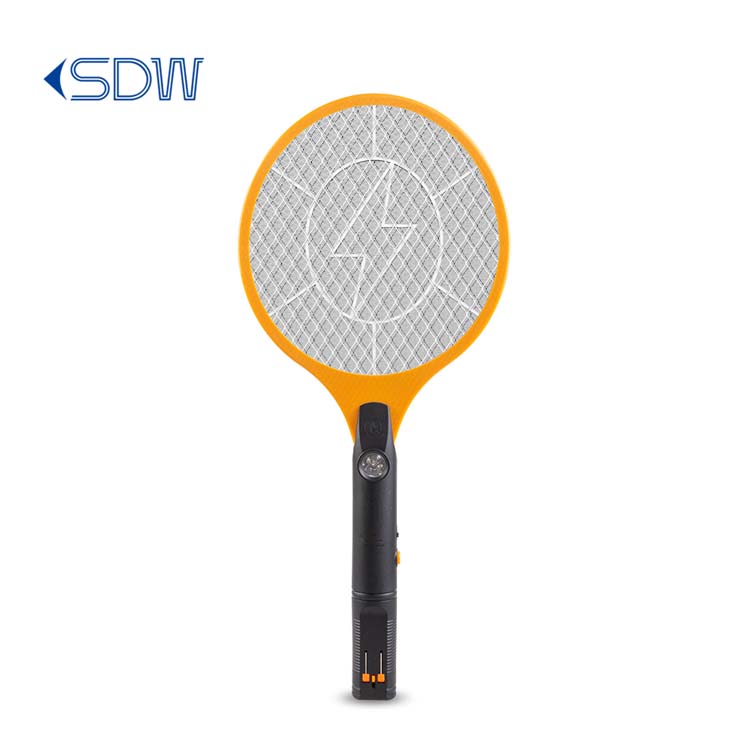
II. Disadvantages of Trading Companies
(1) Price Markups
As intermediaries, trading companies will inevitably add their operating costs and profits to the product prices. From the manufacturer to the trading company and then to the buyer, each link in this chain may result in a certain price markup. For example, if an electric mosquito swatter has an ex-factory price of 20 yuan from the manufacturer, after passing through a trading company, the buyer may need to purchase it for 25 yuan or even higher. This noticeably increases the procurement cost. For large-volume purchases, the accumulation of this additional cost can be quite substantial.
(2) Relatively Weak Product Quality Control
Trading companies are not the direct producers of electric mosquito swatters. Their quality control mainly relies on contractual agreements with manufacturers and random inspections. Compared with the manufacturer’s full-process monitoring of production, trading companies have certain limitations in quality control. Once quality problems arise, trading companies need to communicate and coordinate with manufacturers to resolve them, which may prolong the problem-solving cycle and affect the buyer’s usage and sales plans. Furthermore, some unethical manufacturers may cut corners to reduce costs during production. If the trading company fails to detect this in a timely manner, it will sell defective products to the buyer.
III. Advantages of Manufacturers
(1) Price Advantage
One of the biggest advantages of purchasing electric mosquito swatters directly from manufacturers is the price. By skipping the intermediate link of the trading company, buyers can obtain products at prices close to the cost price. For large-scale purchases, manufacturers are often able to offer more attractive wholesale prices. Suppose you plan to purchase 1,000 electric mosquito swatters: buying from a trading company might cost around 30 yuan each, but purchasing directly from the manufacturer, after negotiation, could cost only about 22 yuan each. This can save buyers a significant amount of procurement funds.
(2) Strong Customization Capabilities
Manufacturers have independent R&D and production capabilities, enabling them to provide customized services for buyers with special needs. For example, buyers can request manufacturers to add their brand logos to the appearance design of electric mosquito swatters or change the color matching. In terms of functions, manufacturers can enhance the electric shock intensity, optimize battery life, or add unique features (such as a mosquito-repellent aroma function) based on the specific requirements of the usage scenario. Manufacturers can adjust their R&D and production processes according to the buyer’s needs, better meeting personalized demands.
(3) More Direct Quality Control
Manufacturers have absolute control over the production process of electric mosquito swatters. They conduct strict quality control at every stage, from the procurement of raw materials and the implementation of production processes to the inspection of finished products. Manufacturers can supervise and manage each production process in accordance with their own quality standards and industry regulations, ensuring the stability and reliability of product quality. Once quality issues occur, manufacturers can quickly trace the source of the problem and take timely measures to make improvements, which is of great significance for protecting the buyer’s rights and the product’s reputation.
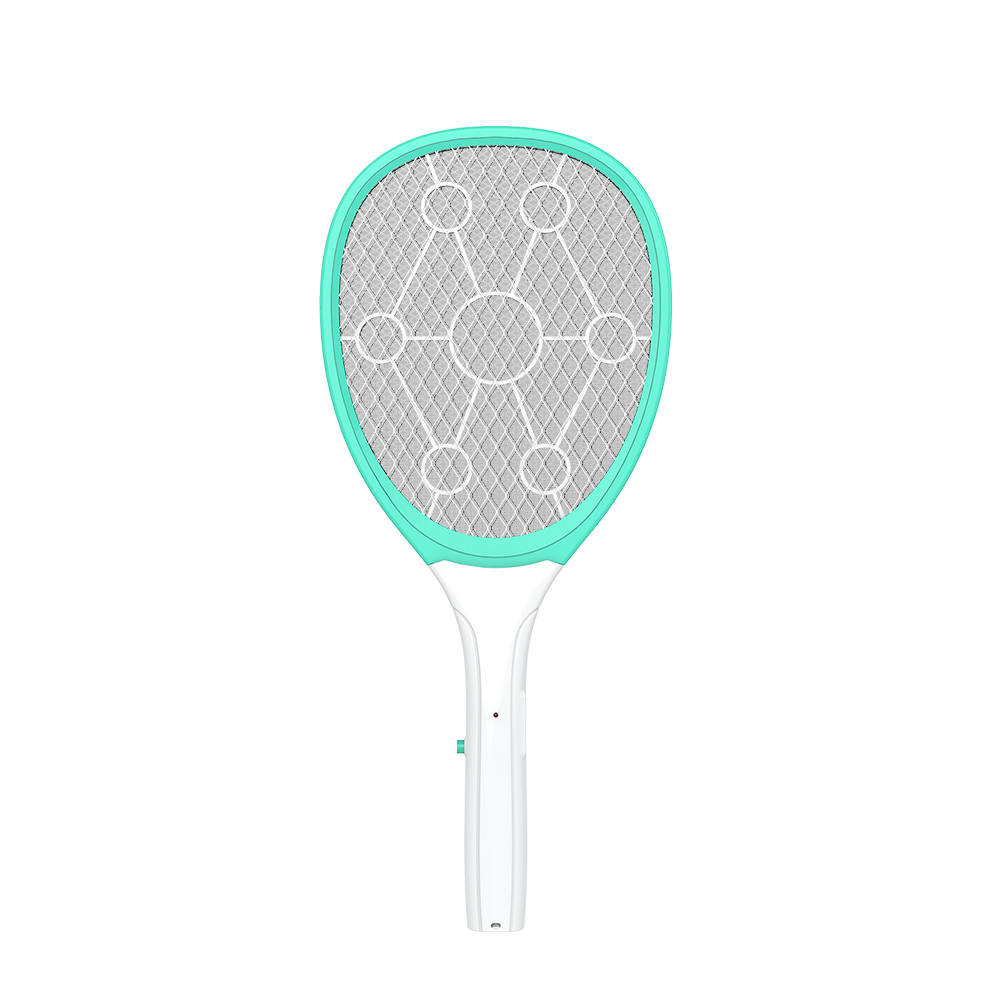
IV. Disadvantages of Manufacturers
(1) High Minimum Order Quantity (MOQ) Requirements
To ensure production efficiency and cost control, manufacturers usually set relatively high MOQ requirements. Generally speaking, the MOQ for electric mosquito swatter manufacturers may be 500 units or even more than 1,000 units. For small retailers, individual operators, or enterprises with small procurement needs, such a high MOQ is beyond their capacity. This forces them to abandon the idea of purchasing directly from manufacturers and instead choose trading companies or other channels.
(2) Relatively Single Services
Compared with the comprehensive services provided by trading companies, manufacturers mainly focus on product production and supply. In the early stage of procurement, manufacturers may not be able to provide detailed product recommendations and solutions based on the buyer’s complex needs like trading companies do. During the procurement process, manufacturers may have low involvement in non-production matters, such as the selection and coordination of logistics and distribution, requiring buyers to handle these issues on their own. Additionally, the customer service teams of manufacturers may be more focused on addressing production-related problems, and their response speed and handling capabilities for non-production-specific needs raised by buyers may not be as good as those of trading companies.
V. How to Make a Choice
(1) Volume of Procurement
If the procurement volume is large (e.g., more than 500 units), cooperating directly with a manufacturer may be more advantageous. Although a large one-time investment may be required, the price discounts brought by bulk purchases can effectively reduce the unit procurement cost in the long run, offsetting the capital pressure. For example, if a large supermarket plans to purchase 2,000 electric mosquito swatters for summer promotions, cooperating directly with a manufacturer not only allows it to obtain a more favorable price but also enables customized production according to the supermarket’s brand image, enhancing the product’s competitiveness. Conversely, if the procurement volume is small (e.g., less than 200 units), the flexibility of trading companies is more suitable, avoiding the problem of being unable to purchase the appropriate quantity of products due to MOQ restrictions.
(2) Cost Budget
Buyers need to make decisions based on their own cost budgets. If the budget is limited and they are sensitive to prices, they should compare the quotations from trading companies and manufacturers (including transportation costs and other expenses) while considering product quality, and choose the procurement channel with the lower price. For example, if a small convenience store has a relatively tight budget when purchasing electric mosquito swatters, after communicating and inquiring with multiple trading companies and manufacturers, it finds that the total cost of purchasing a small batch of electric mosquito swatters from a trading company is within the budget and the product quality can meet basic needs. In this case, choosing a trading company is a more appropriate option.
(3) Characteristics of Product Needs
If buyers have special functional requirements, appearance design requirements, or brand customization needs for electric mosquito swatters, manufacturers are undoubtedly the better choice. The R&D and production capabilities of manufacturers can meet these personalized needs, creating unique products for buyers. For instance, if an outdoor goods company plans to launch an electric mosquito swatter with its own brand characteristics, requiring waterproof, portable, and long-battery-life functions, cooperating with a manufacturer for customized production can achieve this goal. However, if the procurement needs are only for common styles of electric mosquito swatters on the market and the buyer pursues diverse product choices, trading companies can better meet this demand, allowing buyers to select the styles that best suit their needs from the wide range of products provided by trading companies.
When purchasing electric mosquito swatters, choosing between a trading company and a manufacturer requires a comprehensive consideration of factors such as procurement volume, cost budget, and characteristics of product needs. Only by fully analyzing one’s own needs and the pros and cons of the two procurement channels can one make the most suitable decision and ensure the purchase of electric mosquito swatters with high cost-effectiveness that meet the requirements.
Damaged Electric Mosquito Swatter Grid
How to Balance Mosquito Control and Ecology
Related Article

If you’re struggling with annoying mosquitoes, flies, and other flying pests indoors and outdoors, upgrading from traditional manual tools to anElectric Mosquito Swatter is the most efficient solution. Many homeowners and renters search where to buy fly swatter online to find durable, safe, and high-performance electric models that deliver instant pest control.
Where to Buy Fly Swatter
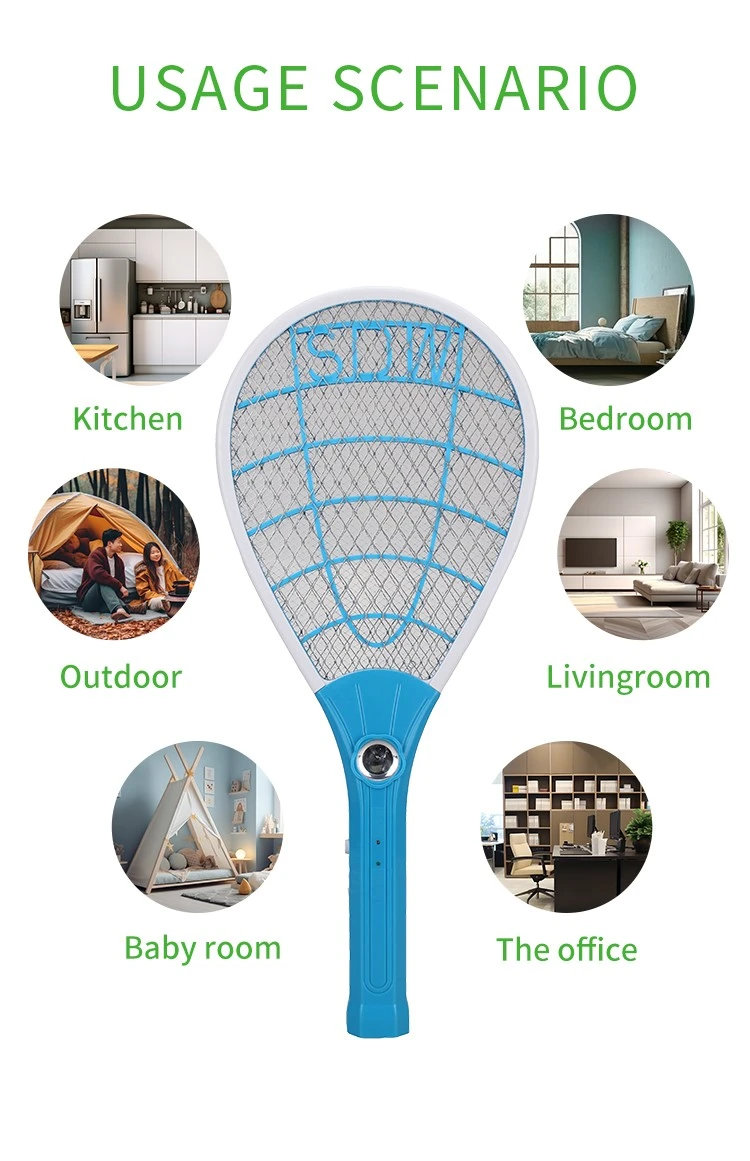
Most importers of electric mosquito swatters obsess over the first order: samples requested, factories vetted, a pre-shipment inspection booked. Then the reorder arrives eight months later and something is off. The grid feels softer. The charge port is a slightly different shade of black. The carton thickness dropped from 350 gsm to 300 gsm. Nothing is catastrophic — but the product no longer matches what your retail customers approved, and quietly, your return rate starts climbing.
How to Keep Mosquito Swatter Quality Consistent Across Repeat Orders
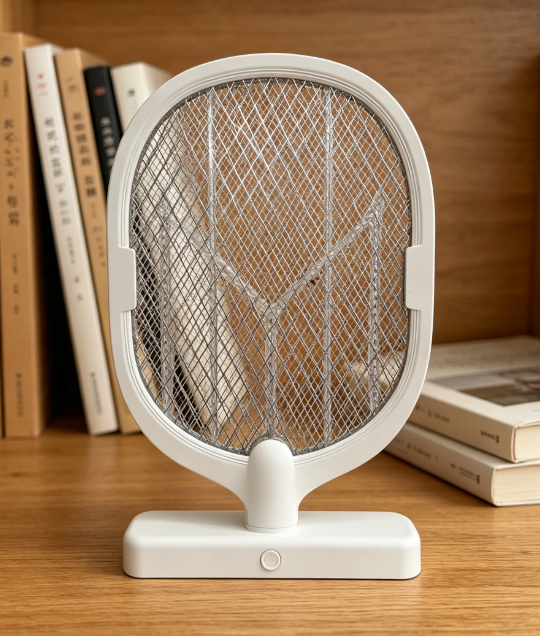
Warranty returns are the silent margin killer in the mosquito control category. A distributor who buys a swatter at $1.80 FOB and retails it at $9.90 can absorb a 1% return rate without noticing — but at 5%, the combined cost of replacement units, reverse logistics, and refund processing erases most of the line's profit.
Common mosquito swatter killer lamp failure modes wholesale spec guide

Digital bathroom scales rank as the second-highest-volume consumer weighing product category, only behind kitchen scales, with distinct market and product characteristics that set them apart from other scale types in importers’ product portfolios.
Digital bathroom body fat-bia-scale wholesale buyers guide