
Sticky vs Electric Mosquito Killer
2026-06-14
Sticky vs Electric Mosquito Killer: Which Is Better for Home Use?
Nowadays, two types of mosquito killers dominate the home appliance market: sticky mosquito killers and electric mosquito killers. Most consumers struggle with the same question: which one delivers better mosquito-killing performance, higher safety, and greater suitability for household environments?
This guide compares the two products comprehensively from five core dimensions: working principle, user experience, safety level, long-term cost, and application scenarios. It will help you avoid pitfalls and pick the perfect mosquito killer for your home layout and family needs.
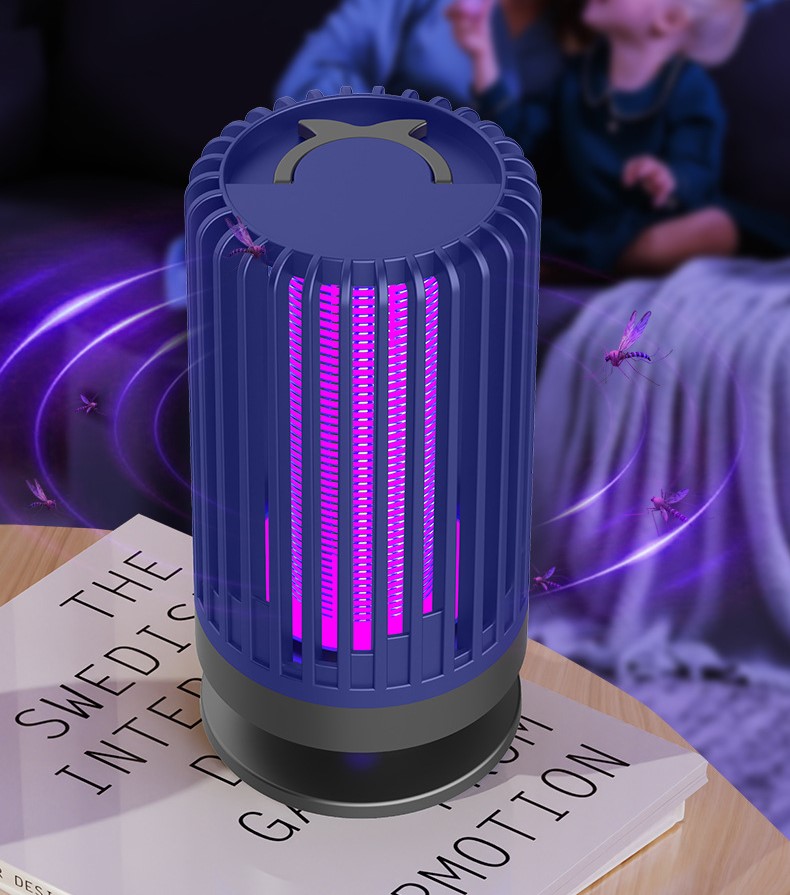
1. Core Working Principles: Essential Differences in Mosquito Elimination
Both mosquito killers adopt the same mosquito-attracting logic. They utilize the phototaxis of mosquitoes, emitting 365nm ultraviolet light to simulate human body scent and heat to lure mosquitoes. However, their elimination methods are fundamentally different, which directly leads to distinct user experiences.
1.1 Electric Mosquito Killer: Instant High-Voltage Elimination
Electric mosquito killers are equipped with a high-voltage power grid with a voltage ranging from 1000V to 2800V. When mosquitoes lured by UV light touch the grid, the high-voltage current instantly penetrates and kills them, delivering fast and visible elimination results. Some upgraded models are fitted with turbo fans to suck in mosquitoes, further boosting the capture rate.
1.2 Sticky Mosquito Killer: Silent Adhesive Trapping
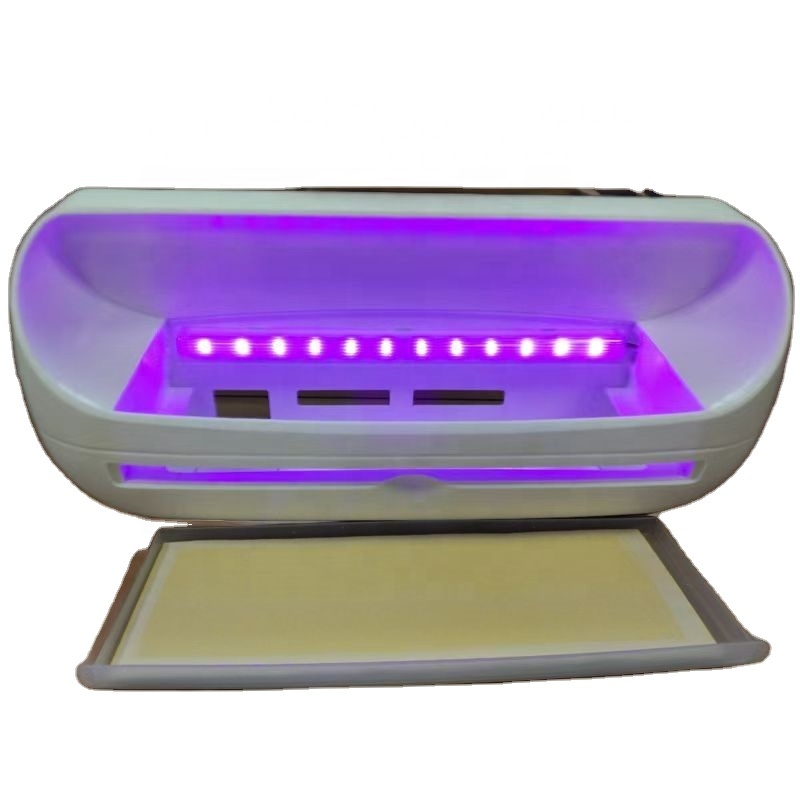
Sticky mosquito killers have no high-voltage grid, and their core component is a dedicated sticky glue board. Mosquitoes drawn by the light fly into the device and get firmly stuck on the high-viscosity board, unable to escape, and eventually die of dehydration naturally. Most household models come with silent fans that create negative pressure to trap mosquitoes, reducing escape rates with zero violent elimination process.
2. Home User Experience Comparison: Scenario Adaptability Matters Most
For household appliances, safety, silence, and cleanliness are far more important than extreme mosquito-killing efficiency. The two products show huge differences in performance in high-frequency home scenarios such as bedrooms, living rooms, nurseries, and kitchens.
2.1 Noise & Odor: Key Concerns for Light Sleepers & Sensitive Groups
Electric mosquito killers have obvious drawbacks for home use. When mosquitoes touch the high-voltage grid, a sharp crackling sound will be produced, which is particularly noticeable in quiet nights and easily wakes up light sleepers and infants. In addition, the high-voltage burning process creates a faint burnt odor. The smell becomes more intense when eliminating larger insects like moths and flies, causing discomfort when used in enclosed bedrooms for a long time.
Sticky mosquito killers feature zero noise and zero odor. There are no electric cracking sounds or burning reactions. Only a faint fan running sound can be heard, which is almost negligible. Without chemical residues or burnt smells, they can be used safely in enclosed bedrooms and nurseries all day long, making them ideal for people with poor sleep quality and sensitive sense of smell.
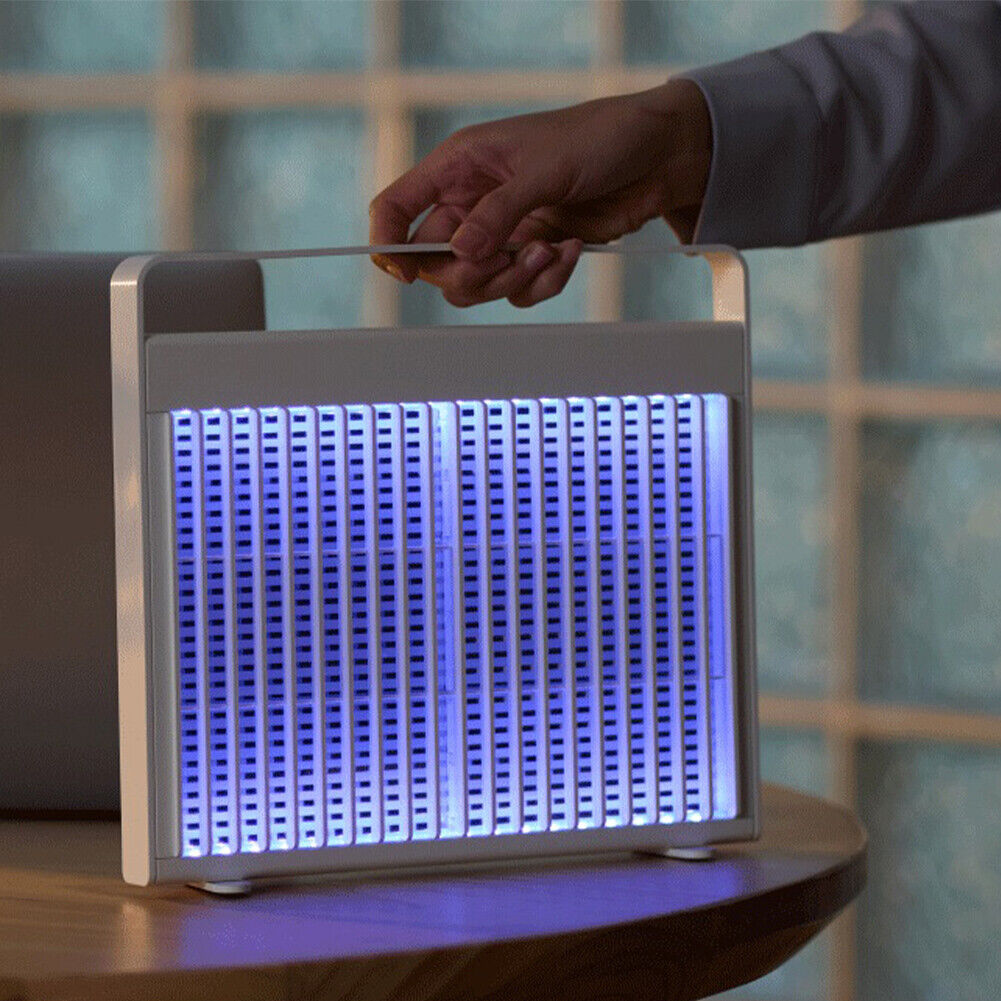
2.2 Cleanliness: No Splashing Insect Residues
Most families overlook the hygiene issue. The high-voltage current of electric killers instantly bursts mosquito bodies, scattering insect remains, debris, and eggs everywhere. These residues adhere to the device, floor, and even float in the air, causing potential hygiene risks. If not cleaned regularly, accumulated insect residues on the grid will mold, breed bacteria, and cause secondary indoor pollution.
Sticky mosquito killers completely avoid this problem. All trapped mosquitoes are firmly fixed on the glue board, with no splashing residues or scattered debris. Insect bodies are centrally collected without polluting indoor air or home environments. They are especially suitable for kitchens and dining areas with high hygiene standards, eliminating the risk of secondary bacterial transmission.
2.3 Safety Performance: Best Choice for Families with Babies & Pets
Although most household electric mosquito killers are fitted with protective fences, the internal high-voltage grid still carries electric shock risks. Curious toddlers and active pets may stretch their fingers or paws through the gaps, getting stung by the high voltage. Inferior products also have poor flame resistance, bringing potential safety hazards during long-term operation.
Sticky mosquito killers adopt a pure physical and safe design with no high voltage, current, or open flame, and no dangerous parts on the body. No harm will be caused even if touched by children or pets. They are recognized as baby and pet-safe mosquito elimination devices, available for 24-hour use in families with infants, pregnant women, and pets.
3. Mosquito-Killing Efficiency & Applicable Scenarios: No One-Size-Fits-All Option
It is one-sided to judge product quality without combining usage scenarios. The two mosquito killers apply to completely different environments, allowing targeted selection according to house size and mosquito density.
3.1 Electric Mosquito Killer: Ideal for Large Spaces & High Mosquito Density
Electric mosquito killers excel in high efficiency and wide coverage, with some models covering up to 180 square meters. They deliver outstanding performance in peak mosquito seasons with dense insect populations. They are suitable for large living rooms, open balconies, courtyards, damp ground-floor houses, and commercial spaces such as stores and garages.
However, they have obvious limitations: they rely heavily on dark environments. Their mosquito-attracting effect drops sharply with indoor lights or natural sunlight, so they are only suitable for short-term use with lights off at night, not for long-term placement in enclosed bedrooms.
3.2 Sticky Mosquito Killer: Perfect for Long-Term Silent Use in Small Home Spaces
Sticky mosquito killers do not deliver instant extreme killing power but offer stable and interference-free long-term performance. They work well in weak light without requiring total darkness, making them perfect for core home spaces including bedrooms, nurseries, studies, and kitchens.
For small and medium-sized houses or low-floor homes with moderate mosquito numbers, sticky mosquito killers fully meet daily mosquito prevention needs. Their superior user experience and safety make them the top choice for long-term daily household use.
4. Long-Term Cost & Maintenance Comparison
4.1 Electric Mosquito Killer: No Consumables, Troublesome Cleaning
Electric mosquito killers require no replacement parts or ongoing consumption costs, offering better long-term cost performance. Yet they are difficult to clean. Insect residues and dust easily accumulate in grid gaps, requiring regular disassembly and wiping. The cleaning process is cumbersome and dirty, and delayed cleaning will reduce efficiency and cause odor buildup.
4.2 Sticky Mosquito Killer: Low Consumable Cost, Effortless Maintenance
Sticky mosquito killers need regular glue board replacement as a minor ongoing cost. Each board lasts 15 to 30 days, and the annual consumable expense is extremely low with no financial burden for families. Maintenance is hassle-free: simply remove and discard the old board and replace it with a new one. No disassembly or direct contact with insect residues is required, making it clean and lazy-user-friendly.
5. Final Verdict: How to Choose for Home Use?
Based on all comparison dimensions, here is a targeted purchasing guide for ordinary families:
Choose a Sticky Mosquito Killer: The top pick for most household scenarios! Ideal for families with infants, pregnant women, or pets, light sleepers, and small-sized houses. It is the safest, quietest, and cleanest option for long-term use in bedrooms and kitchens with zero usage regrets, outperforming electric models in daily home experience.
Choose an Electric Mosquito Killer: Only for specific scenarios! Suitable for large houses, damp ground-floor homes, and courtyards/balconies with severe mosquito infestations. It is a good short-term auxiliary night-time solution if you do not mind minor noise and burnt odor and pursue fast large-scale mosquito elimination.
In short, the core demand for home mosquito killers is safety and comfort without disrupting daily life, rather than aggressive extreme elimination. For daily household use, sticky mosquito killers stand out with their safety, silence, and hygiene, making them the optimal choice with balanced practicality and cost performance.
Can Toothpaste Fix Scratches on Electric Mosquito Swatters
Complete Analysis of Core Performance of Electric Mosquito Swatters
Related Article

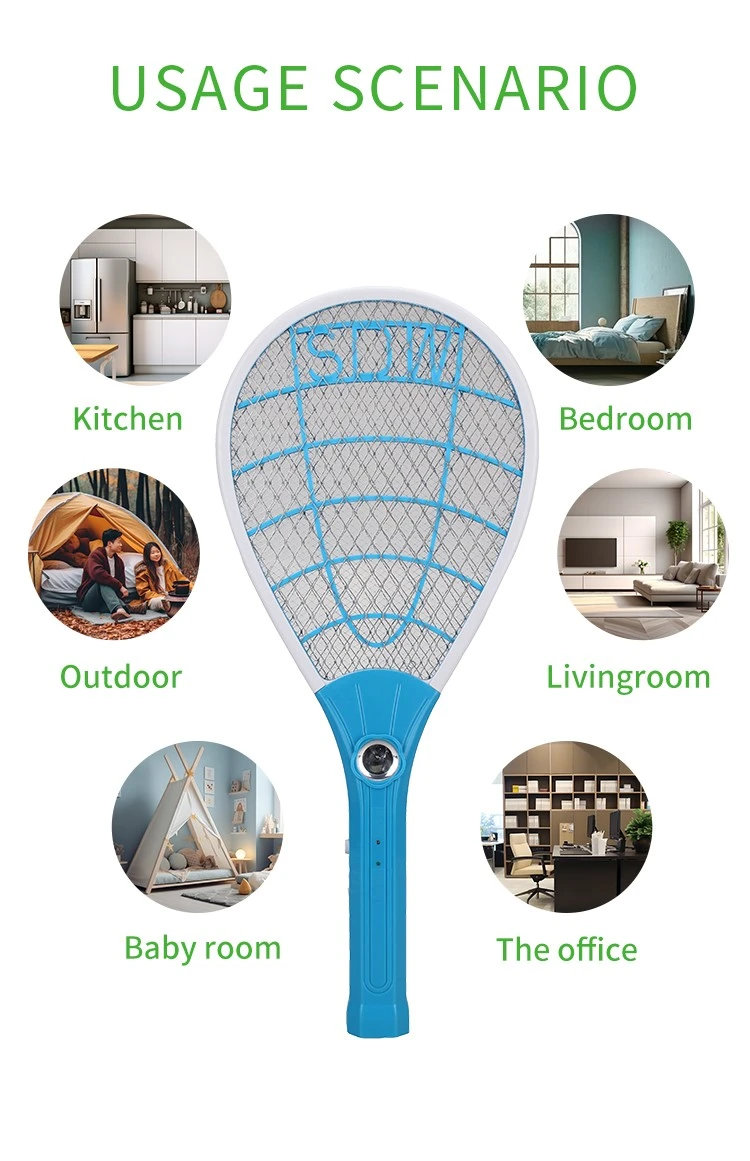
If you’re struggling with annoying mosquitoes, flies, and other flying pests indoors and outdoors, upgrading from traditional manual tools to anElectric Mosquito Swatter is the most efficient solution. Many homeowners and renters search where to buy fly swatter online to find durable, safe, and high-performance electric models that deliver instant pest control.
Where to Buy Fly Swatter
Most importers of electric mosquito swatters obsess over the first order: samples requested, factories vetted, a pre-shipment inspection booked. Then the reorder arrives eight months later and something is off. The grid feels softer. The charge port is a slightly different shade of black. The carton thickness dropped from 350 gsm to 300 gsm. Nothing is catastrophic — but the product no longer matches what your retail customers approved, and quietly, your return rate starts climbing.
How to Keep Mosquito Swatter Quality Consistent Across Repeat Orders
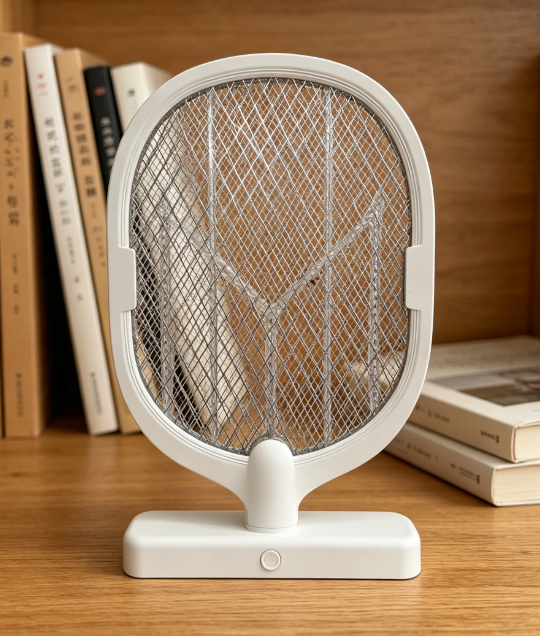
Warranty returns are the silent margin killer in the mosquito control category. A distributor who buys a swatter at $1.80 FOB and retails it at $9.90 can absorb a 1% return rate without noticing — but at 5%, the combined cost of replacement units, reverse logistics, and refund processing erases most of the line's profit.
Common mosquito swatter killer lamp failure modes wholesale spec guide

Digital bathroom scales rank as the second-highest-volume consumer weighing product category, only behind kitchen scales, with distinct market and product characteristics that set them apart from other scale types in importers’ product portfolios.
Digital bathroom body fat-bia-scale wholesale buyers guide