
Sticky vs Electric Mosquito Trap
2026-07-24
Sticky vs Electric Mosquito Trap: Which Is Better for Home?
Mosquitoes are the most annoying household pests, ruining quiet nights, outdoor relaxation, and even triggering itchy bites or allergic reactions for kids and pets. As chemical mosquito repellents and coils carry potential health risks with long-term use, physical mosquito traps have become the top choice for modern families. Among countless options, sticky mosquito traps and electric mosquito traps are the two most mainstream indoor solutions.
If you’re stuck choosing between these two popular devices, you’re not alone. Both rely on physical mosquito elimination with zero chemicals, but they differ greatly in safety, efficiency, noise, maintenance, and home adaptability. In this guide, we break down their core features, pros and cons, and help you pick the perfect one for your living space.
What Is a Sticky Mosquito Trap? Pros & Cons
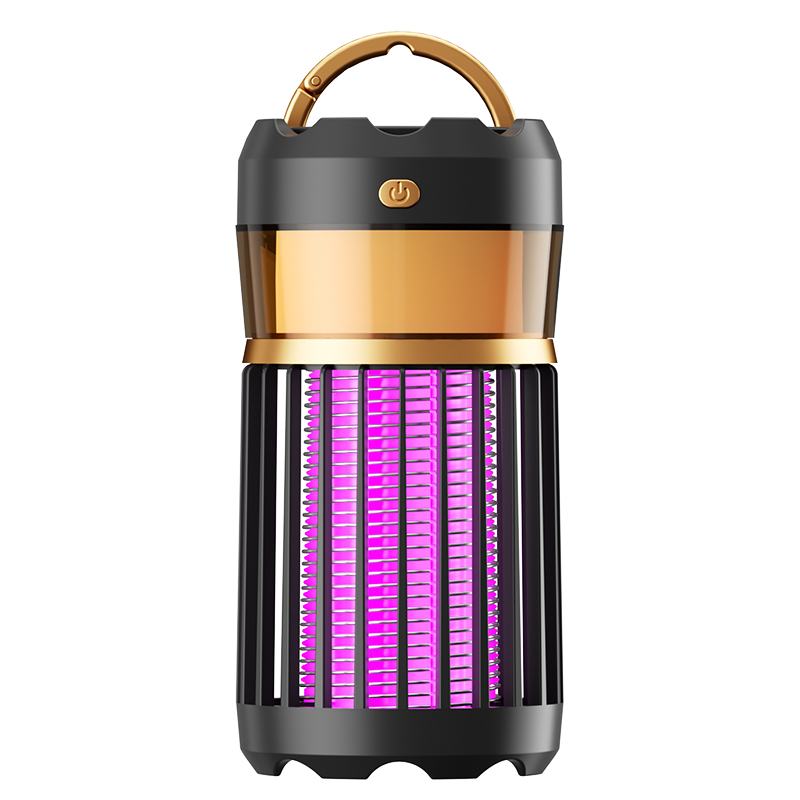
A sticky mosquito trap, also known as a glue trap, is a simple, low-tech pest control device designed for quiet, safe indoor use. Most models use soft UV purple light to simulate human body heat and light wavelengths, luring mosquitoes, gnats, and small flying insects into the device. Once insects approach, they get stuck on the replaceable adhesive glue board inside and die naturally without any noise or electric stimulation.
Key Advantages of Sticky Mosquito Traps
First and foremost, ultra-quiet operation is its biggest highlight. There are no electric sparks, no zapping sounds, and no fan noise during work, making it ideal for bedrooms, nurseries, and home offices where a quiet environment is non-negotiable. It will never disrupt your sleep or daily work.
Secondly, it boasts superior household safety. Without high-voltage circuits, exposed electric parts, or heating components, it poses no risk of electric shock even if kids or curious pets accidentally touch or knock over the device. It is completely harmless for pregnant women, infants, and allergy-prone family members.
Additionally, sticky traps have zero odor and no secondary pollution. Unlike electric traps that may produce faint burnt insect smells or chemical coils that release smoke, glue traps eliminate mosquitoes purely through physical adhesion, keeping indoor air fresh and clean. They are also lightweight, plug-and-play, and require no complex installation.
Visible Drawbacks of Sticky Mosquito Traps
The biggest downside is limited mosquito-killing efficiency. It only passively traps insects that actively approach the UV light, with no suction or electric killing power. It works well for low mosquito density but struggles to control heavy mosquito infestations in large rooms or humid seasons.
Regular maintenance is another hassle. The adhesive boards lose viscosity after catching insects or accumulating dust, so you need to replace them every 1–2 weeks for continuous effectiveness. Long-term use also adds recurring costs for replacement glue boards. Moreover, the trapped dead insects are exposed on the glue board, which may look unsightly and breed bacteria if not replaced in time.
What Is an Electric Mosquito Trap? Pros & Cons
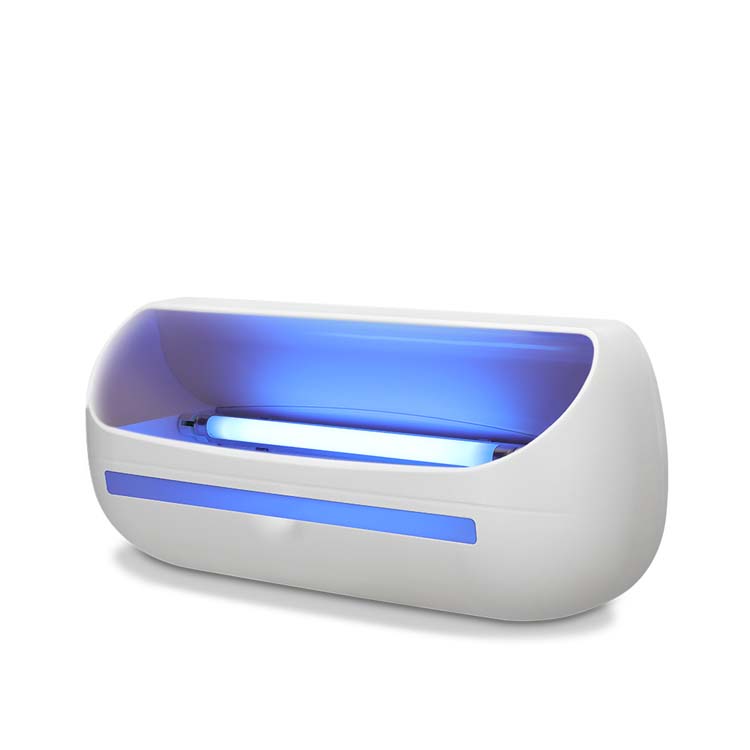
Electric mosquito traps are the traditional high-efficiency physical mosquito-killing devices for home use. Equipped with 365nm UV purple light lures and high-voltage electric grids, they attract mosquitoes and other flying insects, then instantly kill them with low-current high-voltage electricity when insects touch the grid. Most upgraded home models add multi-layer protective nets to prevent direct contact with the electric grid, balancing efficiency and basic safety.
Key Advantages of Electric Mosquito Traps
Powerful and efficient mosquito elimination is its core strength. The combination of UV light induction and high-voltage electric zapping delivers instant killing effect, quickly reducing mosquito quantities in a short time. It covers a larger area, usually suitable for rooms of 30–40 square meters, performing far better than sticky traps in high-mosquito environments such as summer living rooms, balconies, and open-plan houses.
It features low long-term maintenance costs. Unlike sticky traps that need regular consumable replacement, electric traps only require simple daily cleaning—just shake off or wipe the dead insect residues in the collection tray. The UV bulb has a long service life of 1–2 years, with no frequent accessory replacement needed.
Besides, most electric mosquito traps support dual-purpose use: static placement for indoor trapping at night and portable handheld use for active mosquito elimination, meeting diverse household needs.
Visible Drawbacks of Electric Mosquito Traps
The most obvious flaw is inevitable zapping noise. Every time a mosquito touches the high-voltage grid, it makes a crisp “pop” sound. Continuous tiny noises may disturb light sleepers and affect sleeping quality in quiet bedrooms.
Although equipped with protective nets, it still has potential safety hazards for young kids and naughty pets. Curious children may poke the grid through the mesh, causing slight electric shocks. In addition, zapping insects occasionally produces a faint burnt protein smell, which is slightly pungent for sensitive noses.
Head-to-Head Comparison: Sticky vs Electric Mosquito Trap
To help you make a more intuitive choice, we summarize the core differences between the two traps in key household use dimensions:
Noise Performance: Sticky traps run completely silently; electric traps produce intermittent zapping noises.
Safety Level: Sticky traps are 100% safe for kids, pets and pregnant women; electric traps have minor electric shock risks and burnt odor.
Mosquito-Killing Efficiency: Sticky traps are low-efficiency, suitable for light mosquito density; electric traps are high-efficiency, fit for heavy mosquito infestations and large spaces.
Maintenance & Cost: Sticky traps need regular glue board replacement with recurring small costs; electric traps require only regular cleaning with almost no later-stage costs.
Indoor Adaptability: Sticky traps are perfect for bedrooms, nurseries and offices; electric traps are more suitable for living rooms, balconies and large open spaces.
Which Trap Is Best for Your Home?
Choose a Sticky Mosquito Trap If:
You have infants, toddlers, or pets at home; you are a light sleeper who is sensitive to tiny noises; you need to place the device in bedrooms, study rooms or nurseries; you prioritize zero noise, zero odor and absolute safety over extreme efficiency. It is the most gentle and family-friendly mosquito solution for quiet living scenarios.
Choose an Electric Mosquito Trap If:
Your home has a large space or severe mosquito problems in summer; you place the device in living rooms, balconies or corridors instead of bedrooms; you want long-term cost savings and low maintenance trouble; you pursue fast and obvious mosquito-killing effects. It is the most cost-effective choice for high-demand mosquito control scenarios.
Final Verdict
There is no absolute “better” mosquito trap, only the more suitable one for your household needs. For families focusing on quietness, safety and comfort, especially those with vulnerable groups, sticky mosquito traps are the optimal daily choice. For households troubled by frequent mosquito infestations and pursuing high efficiency and long-term economy, electric mosquito traps are more practical.
Many families even use a combination of the two: place silent sticky traps in bedrooms for night use, and set up high-efficiency electric traps in public areas to achieve full-house mosquito control, creating a completely bug-free comfortable living environment.
Why Rechargeable Mosquito Swatter Is Better Than Battery Type
What Is a Smart Scale
Related Article

If you’re struggling with annoying mosquitoes, flies, and other flying pests indoors and outdoors, upgrading from traditional manual tools to anElectric Mosquito Swatter is the most efficient solution. Many homeowners and renters search where to buy fly swatter online to find durable, safe, and high-performance electric models that deliver instant pest control.
Where to Buy Fly Swatter

Most importers of electric mosquito swatters obsess over the first order: samples requested, factories vetted, a pre-shipment inspection booked. Then the reorder arrives eight months later and something is off. The grid feels softer. The charge port is a slightly different shade of black. The carton thickness dropped from 350 gsm to 300 gsm. Nothing is catastrophic — but the product no longer matches what your retail customers approved, and quietly, your return rate starts climbing.
How to Keep Mosquito Swatter Quality Consistent Across Repeat Orders

Warranty returns are the silent margin killer in the mosquito control category. A distributor who buys a swatter at $1.80 FOB and retails it at $9.90 can absorb a 1% return rate without noticing — but at 5%, the combined cost of replacement units, reverse logistics, and refund processing erases most of the line's profit.
Common mosquito swatter killer lamp failure modes wholesale spec guide

Digital bathroom scales rank as the second-highest-volume consumer weighing product category, only behind kitchen scales, with distinct market and product characteristics that set them apart from other scale types in importers’ product portfolios.
Digital bathroom body fat-bia-scale wholesale buyers guide