
The Correct Usage of Electric Mosquito Swatters
2025-12-11
mosquitoes become a persistent nuisance, disrupting peaceful evenings and outdoor activities. Electric mosquito swatters have emerged as a popular, eco-friendly solution—no harmful chemicals, instant results, and long-lasting use. However, many people overlook proper usage techniques and critical safety rules, which can reduce effectiveness or even lead to accidents. Whether you’re a first-time user or looking to refine your approach, this guide breaks down everything you need to know: from charging and operation to storage and safety, ensuring you get the most out of your swatter while staying protected.
1. Correct Usage of Electric Mosquito Swatters (4 Simple Steps)
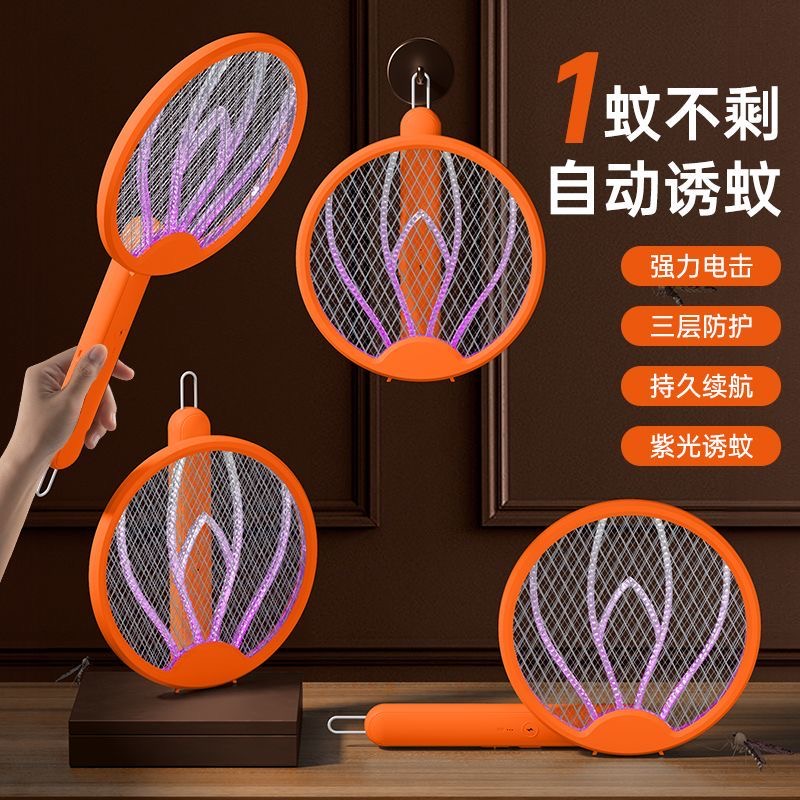
1. Charging Preparation: Full Power for Strong Performance
- Before first use, charge with the original charger for 4-6 hours (varies by brand, refer to the instruction manual). For subsequent charges, stop when the indicator light turns green. Do not overcharge for more than 12 hours as this will shorten battery life.
- Keep away from water sources and high-temperature environments (e.g., stovetops, sunny balconies) while charging. Ensure hands are dry when plugging in or unplugging the charger.
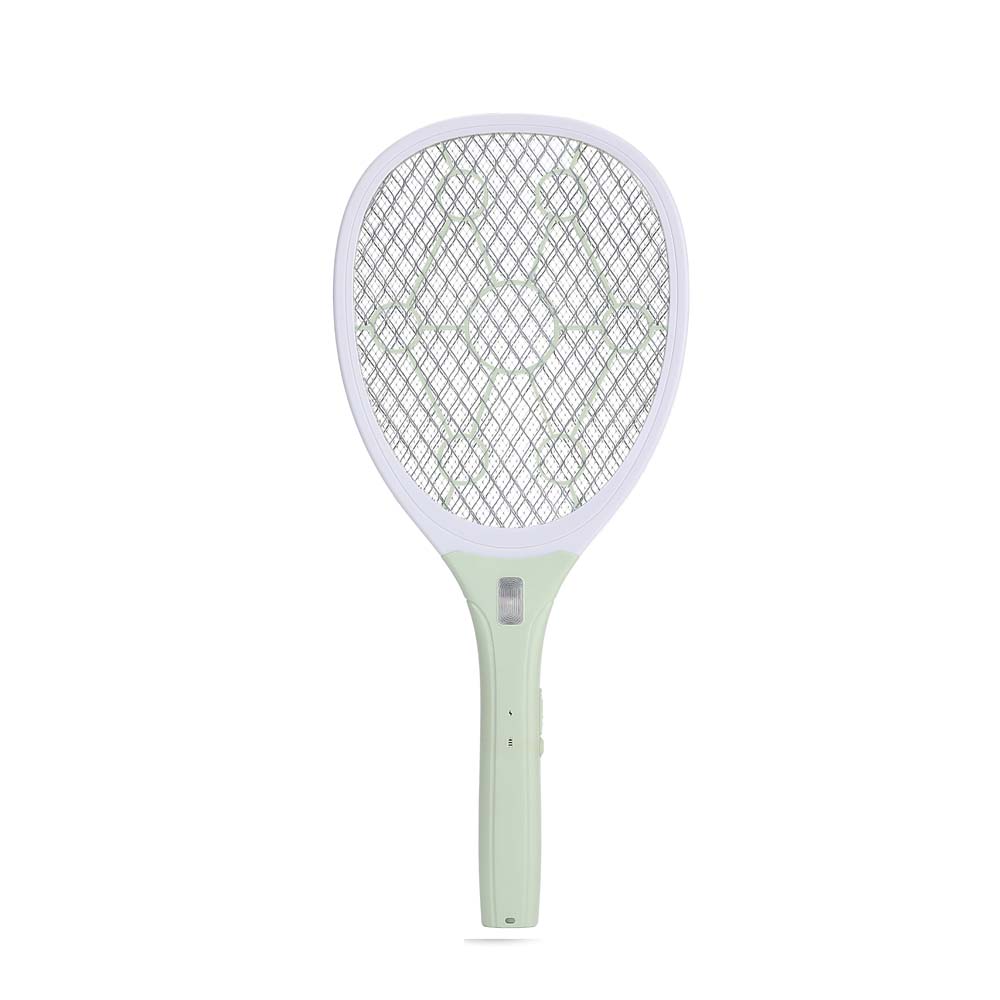
2. Power-On Operation: Choose the Right Mode for Convenience
- Press and hold the power button until the indicator light turns on to activate the device. Some models feature a "strong light mosquito-attracting mode," ideal for nighttime use—turn off room lights, activate the mode, and mosquitoes will be drawn to the light for easier targeting.
- Do not leave the device idle for extended periods after powering on. Turn it off promptly when not in use to save battery.
3. Mosquito-Killing Tips: Precise Strikes to Avoid Escapes
- For resting mosquitoes: Maintain a 5-10cm distance, approach slowly (to avoid startling them with air currents), then swing gently forward. A buzzing sound indicates successful electrocution.
- For flying mosquitoes: Aim at their flight path and swing lightly but quickly. No need for excessive force—the electric grid’s shock range is sufficient to cover the target.
- Note: Do not strike hard objects (e.g., walls, tables) with the grid, as this may damage the metal wires and reduce shock effectiveness.
4. Cleaning & Storage: Proper Care After Use
- Always turn off the device and unplug the charger before cleaning! Use a dry soft-bristled brush to gently remove mosquito remains from grid gaps. Never rinse with water or wipe the grid with a damp cloth to avoid short circuits.
- Store in a dry, well-ventilated area out of reach of children and pets. Avoid squeezing or dropping the device to prevent grid deformation or battery damage.
2. Essential Safety Precautions (Critical Reminders)
1. Electrical Safety: Avoid the Risk of "Electricity + Water"
- Never operate with wet hands or use in humid environments (e.g., bathrooms). Water contact with the grid may cause electric shock or short circuits.
- Do not touch the grid’s metal wires when the device is powered on. Even after turning it off, wait 1-2 minutes before touching (to discharge residual electricity)—extra caution is required for children and the elderly.
- If the power cord is damaged, the grid is deformed, or charging is abnormal (e.g., overheating, unusual noises), stop using immediately. Contact after-sales for repair or replacement—do not disassemble the device yourself.
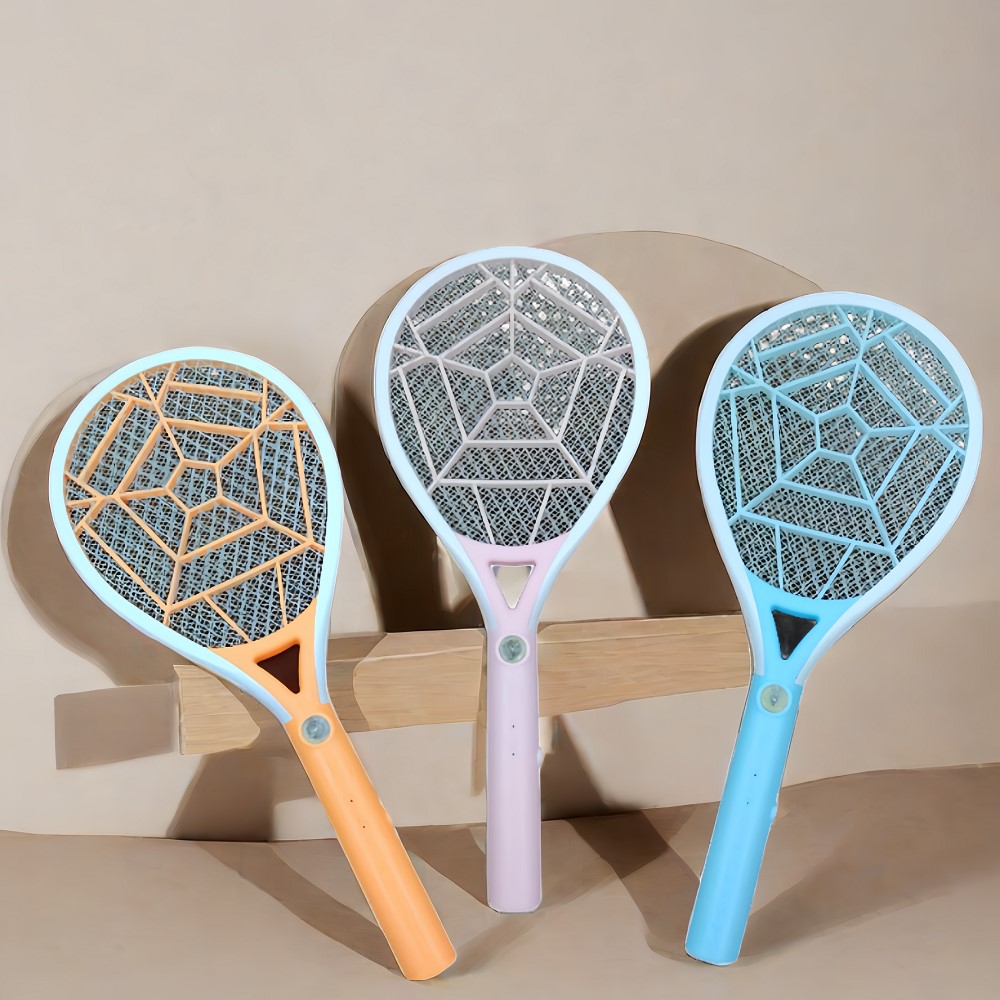
2. Prohibited Contacts: Items to Never Touch
- Do not use the device to electrocute flammable and explosive materials (e.g., alcohol, gasoline, mosquito coil liquid) or metal objects (e.g., keys, scissors), as this may cause sparks or electric shock.
- Never strike humans, pets, or the same object continuously for a long time to prevent accidental injury or property damage.
3. Special Populations & Environments: Adequate Protection
- Children must be supervised by adults at all times when using the device. Clearly inform them: "Do not touch the grid" and "Do not wave it as a toy."
- For households with infants or pregnant women, store the device at a high place after use. Avoid frequent use in areas where pets roam to prevent them from being startled by accidental contact with the grid.
- When using outdoors, keep away from rain and dew to avoid grid dampness. Do not use during thunderstorms to prevent lightning risks.
4. Battery Handling & Disposal: Environmentally Friendly Practices
- Electric mosquito swatters use lithium batteries. Do not disassemble, puncture, or expose them to fire, as this may cause explosions.
- When the battery ages and can no longer hold a charge, dispose of it as "hazardous waste" or take it to a battery recycling point. Never mix it with regular household garbage.
How Much of Pest Control
Comparison of 4 Common Battery Types for Electric Mosquito Swatters
Related Article

If you’re struggling with annoying mosquitoes, flies, and other flying pests indoors and outdoors, upgrading from traditional manual tools to anElectric Mosquito Swatter is the most efficient solution. Many homeowners and renters search where to buy fly swatter online to find durable, safe, and high-performance electric models that deliver instant pest control.
Where to Buy Fly Swatter
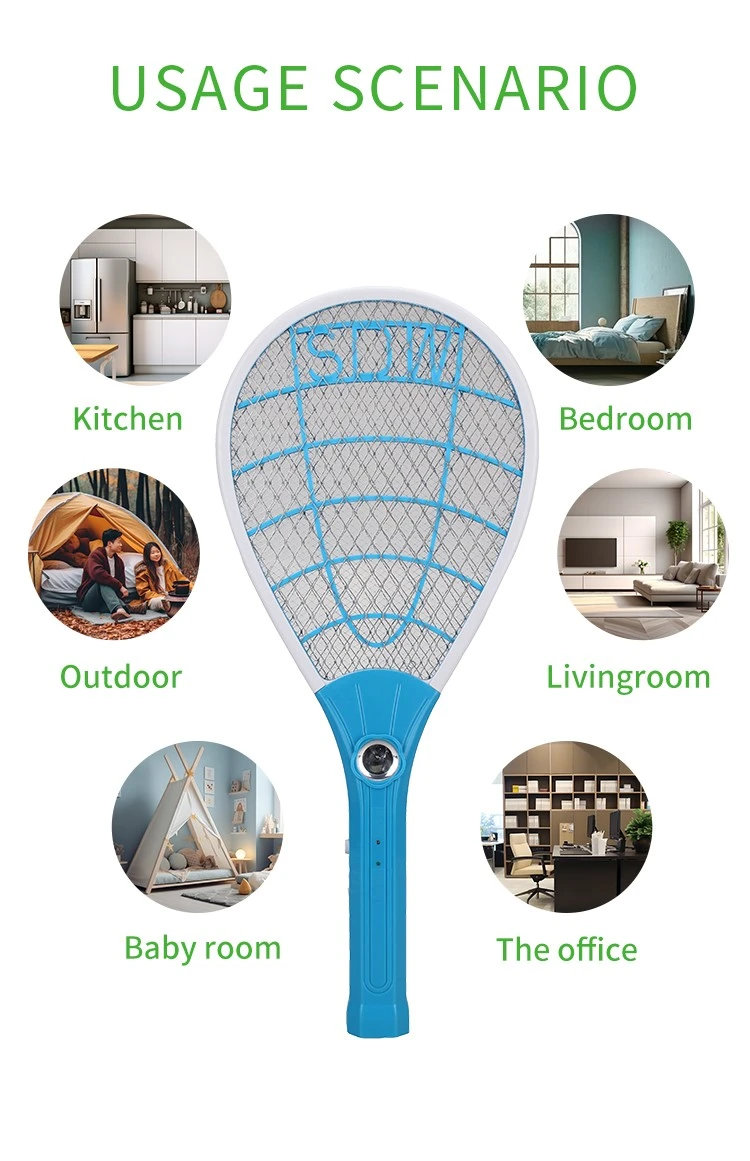
Most importers of electric mosquito swatters obsess over the first order: samples requested, factories vetted, a pre-shipment inspection booked. Then the reorder arrives eight months later and something is off. The grid feels softer. The charge port is a slightly different shade of black. The carton thickness dropped from 350 gsm to 300 gsm. Nothing is catastrophic — but the product no longer matches what your retail customers approved, and quietly, your return rate starts climbing.
How to Keep Mosquito Swatter Quality Consistent Across Repeat Orders
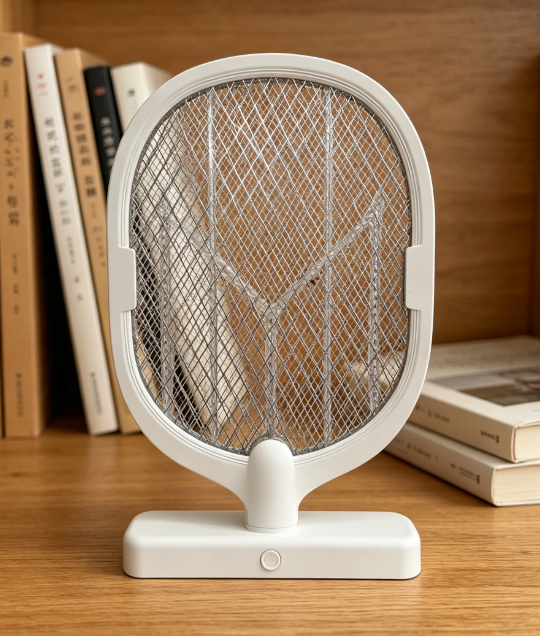
Warranty returns are the silent margin killer in the mosquito control category. A distributor who buys a swatter at $1.80 FOB and retails it at $9.90 can absorb a 1% return rate without noticing — but at 5%, the combined cost of replacement units, reverse logistics, and refund processing erases most of the line's profit.
Common mosquito swatter killer lamp failure modes wholesale spec guide

Digital bathroom scales rank as the second-highest-volume consumer weighing product category, only behind kitchen scales, with distinct market and product characteristics that set them apart from other scale types in importers’ product portfolios.
Digital bathroom body fat-bia-scale wholesale buyers guide