
The advantages and disadvantages of lithium battery electric mosquito swatters
2025-12-15
Lithium-ion battery mosquito swatters have grown popular for their portability and long battery life, replacing traditional nickel-cadmium models for many. But are they all upside? Questions like explosion risks and transportation hurdles (e.g., safety concerns, required documents, surcharges) often arise. Let’s break down their key pros and cons to help you decide.
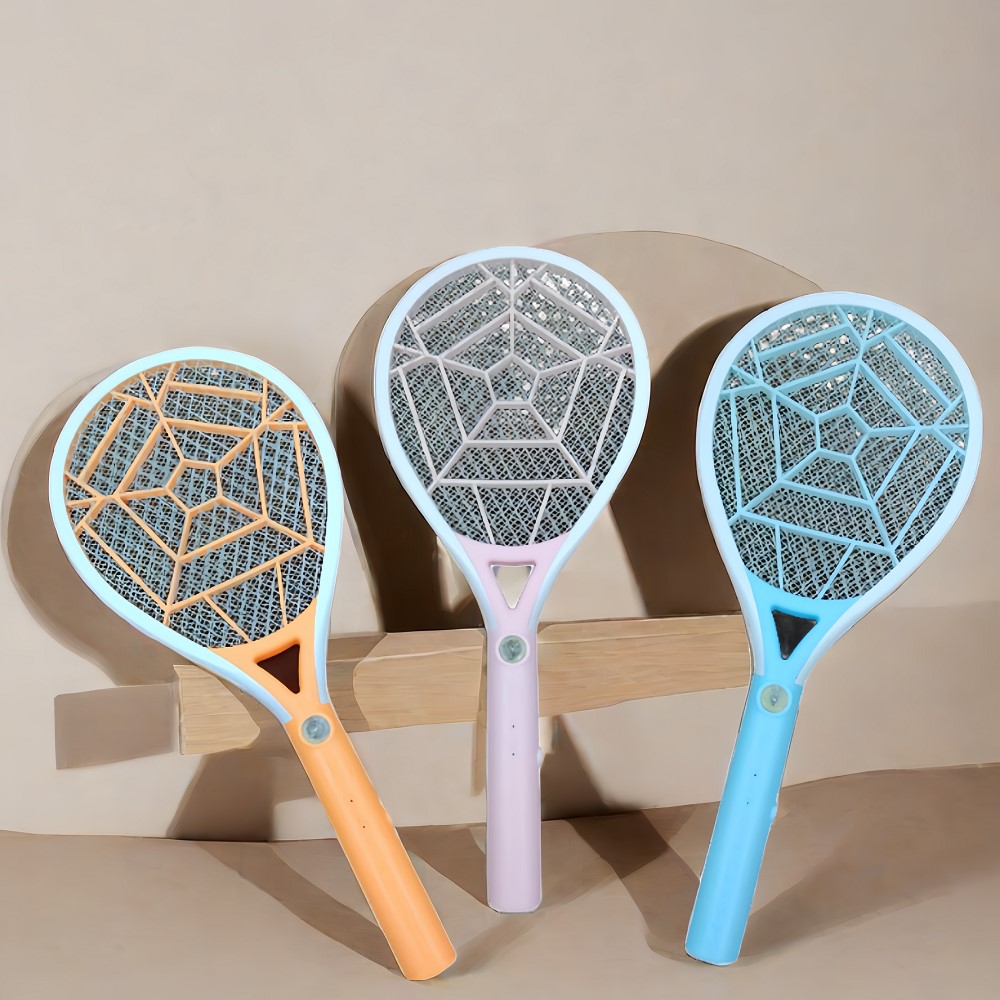
I. The "Plus Points" of Lithium-Ion Battery Mosquito Swatters: Truly Convenient to Use
- Dual Convenience of Battery Life & Charging
Lithium-ion batteries have high energy density. A full charge can usually last 1-2 weeks (more than enough for daily mosquito control), unlike traditional nickel-cadmium batteries that run out of power after just a few uses. What’s more user-friendly is that most models support USB charging—you can recharge them with a phone charger or power bank, no need to buy additional special batteries. It’s also easy to carry for business trips or camping.
- Lightweight & Easy to Operate
Lithium-ion batteries are lighter than nickel-cadmium ones by nature. Combined with a lightweight swatter mesh design, you won’t feel tired even after waving it for several minutes, making it easy for both the elderly and children to use. Additionally, it starts quickly—pressing the switch generates high voltage instantly, so mosquitoes rarely escape when they get close. Its mosquito-killing efficiency is much higher than that of mosquito coils or electric mosquito repellent liquids.
- Eco-Friendly & Chemical-Free
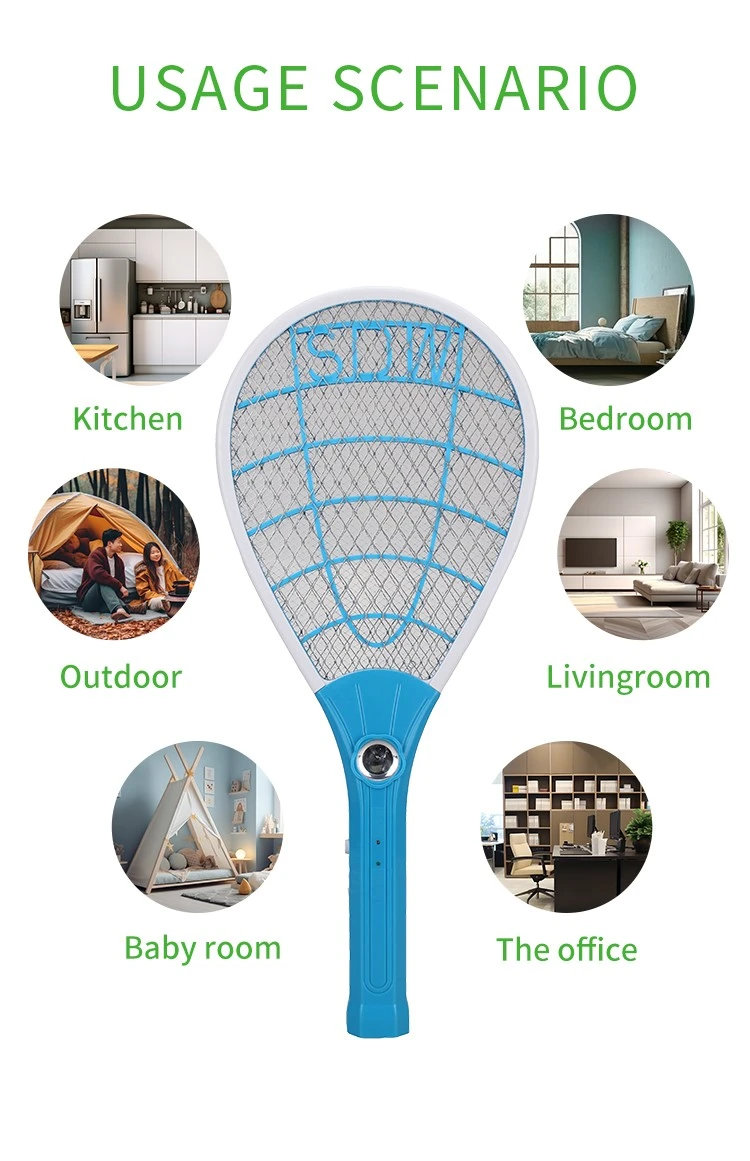
It kills mosquitoes through physical electric shock, without adding chemical ingredients like insecticides or repellents. Unlike mosquito coils, it doesn’t produce smoke or leave residual odors, making it safer for people with allergies, pregnant women, and pets. It’s especially suitable for bedrooms and baby rooms.
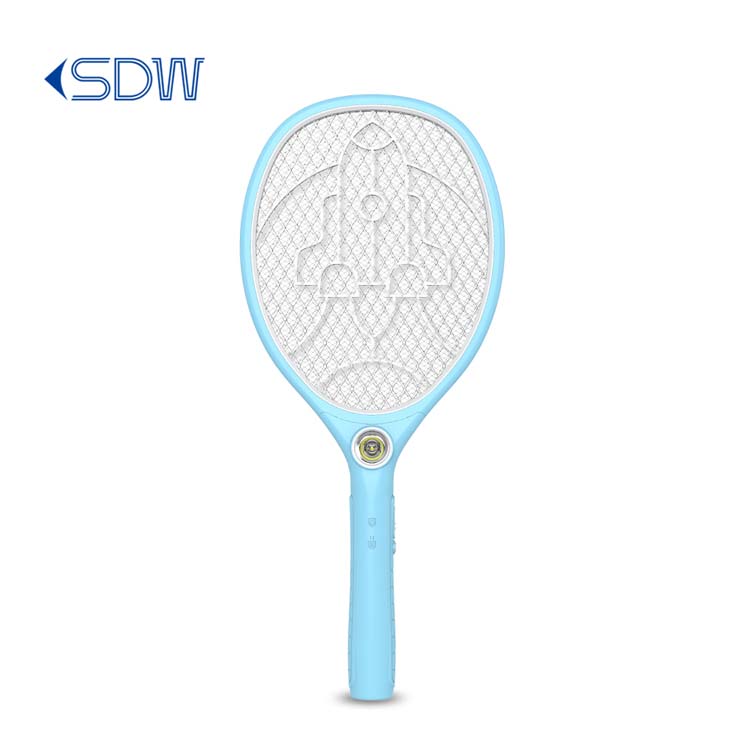
- Better Durability
High-quality lithium-ion batteries can undergo hundreds of charge-discharge cycles, lasting 2-3 years with normal use. In contrast, traditional nickel-cadmium batteries are prone to the "memory effect," which significantly reduces their battery life over time. Frequent battery replacements end up being more costly.
II. The "Downsides" of Lithium-Ion Battery Mosquito Swatters: Things to Note
- Higher Price
Lithium-ion battery mosquito swatters are usually 30%-50% more expensive than their nickel-cadmium counterparts. If you’re on a tight budget, you might find the cost-performance ratio unsatisfactory. Moreover, high-quality lithium-ion batteries come with higher production costs, so low-priced, shoddy models may use recycled batteries, posing potential safety hazards.
- Safety Risks to Watch Out For (Including Explosion Concerns)
The high-voltage electric shock feature inherently carries certain risks: First, if children or pets accidentally touch the energized mesh, they may get an electric shock (though the voltage is high, the current is small, usually resulting in a stinging sensation rather than being fatal, but caution is still necessary). Second, some products have poor water resistance—using them near water sources (such as bathrooms or humidifiers) or in damp environments may cause short circuits. Third, regarding the question "Are lithium-ion batteries more prone to explosion?"—high-quality lithium-ion batteries are equipped with overcharge, over-temperature, and short-circuit protection mechanisms, so the risk of explosion under normal use is extremely low. However, low-priced, shoddy models may use unqualified "three-no" (no brand, no certification, no quality control) batteries recycled from disassembled products, lacking protective devices. Under prolonged overcharging, extrusion, or high-temperature conditions, they do pose risks of swelling, catching fire, or even exploding, which requires extra vigilance.
- Reduced Performance in Low Temperatures
In low-temperature environments (such as storage rooms in winter or outdoor areas in northern China), lithium-ion batteries experience a significant drop in battery life and slower charging speeds. They may even fail to start temporarily, making them less cold-resistant than traditional batteries.
- Maintenance Requirements
Lithium-ion batteries should not be over-discharged (leaving them uncharged for a long time after use can damage the battery) nor exposed to direct sunlight or high-temperature sources (such as stoves or radiators) for extended periods, as this will shorten their lifespan. Additionally, the high-voltage mesh of the swatter is prone to dust accumulation and mosquito carcass buildup. When cleaning, you must first disconnect the power and avoid using a damp cloth—making maintenance slightly more cumbersome than traditional models that only require battery replacement.
- Transportation Safety Hazards & Cumbersome Procedures
Lithium-ion batteries fall under Class 9 dangerous goods (regulated by UN38.3 standards), so they pose higher safety risks during transportation than traditional nickel-cadmium batteries. Improper packaging or extrusion/collision during long-distance transportation may cause battery short circuits and fires, threatening transport vehicles and personnel. What’s more troublesome is the complicated process of delivering them to customers—merchants need to prepare compliance documents in advance, such as UN38.3 battery test reports and MSDS (Material Safety Data Sheet), otherwise, they cannot pass the security checks of couriers or logistics companies. Some logistics providers also charge an "on-deck fee" (dangerous goods transportation surcharge) for lithium-ion battery products. This cost is either borne by the merchant or passed on to consumers, leading to higher product prices and longer transportation cycles compared to ordinary products.
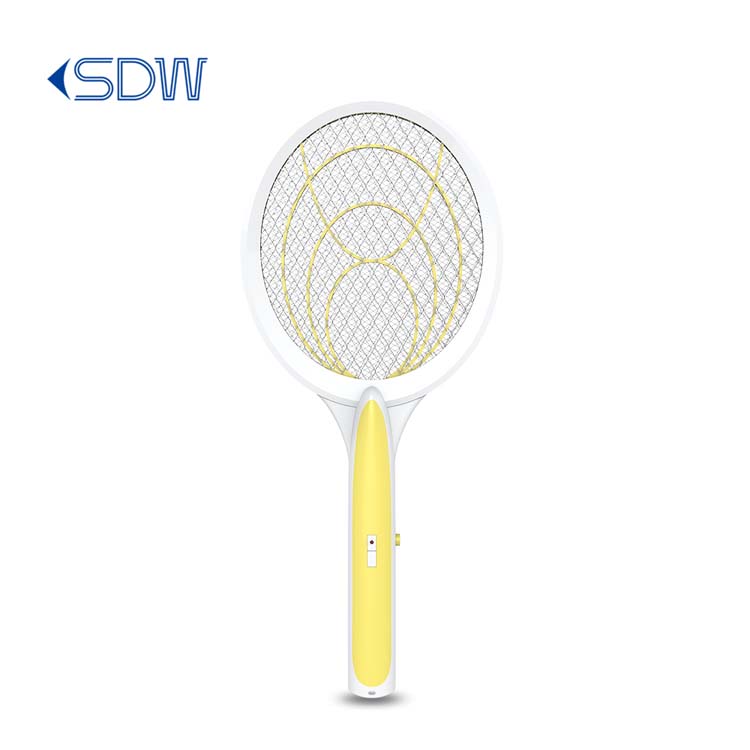
III. Conclusion: The Best Choice is the One That Fits You
The core advantages of lithium-ion battery mosquito swatters are "convenience, environmental friendliness, and long-lasting performance." They are ideal for families that value user experience and prioritize safety, especially those with the elderly, children, or pets. However, if you’re budget-conscious, use the swatter in a damp environment, or care about transportation costs and process complexity, traditional nickel-cadmium battery models may be more practical.
Suggestions for purchase and use: ① Prioritize brand-name models with 3C certification, safety locks (to prevent accidental contact), and high water resistance ratings; avoid low-priced "three-no" products to reduce explosion risks. ② Check if the merchant can provide compliant transportation documents and confirm the safety of the transportation method. ③ Store it out of reach of children when not in use, and keep it away from flammable materials like beds and curtains while charging. ④ If not using it for a long time, charge it to 50% before storage and recharge it regularly to maintain the battery. ⑤ If you need to transport or carry it across provinces or long distances, familiarize yourself with the logistics company’s regulations on lithium-ion battery transportation in advance to avoid seizure.
Three core advantages of mosquito killer lamps compared to mosquito coils
Approximately how many electric mosquito swatters can fit in one container
Related Article

If you’re struggling with annoying mosquitoes, flies, and other flying pests indoors and outdoors, upgrading from traditional manual tools to anElectric Mosquito Swatter is the most efficient solution. Many homeowners and renters search where to buy fly swatter online to find durable, safe, and high-performance electric models that deliver instant pest control.
Where to Buy Fly Swatter
Most importers of electric mosquito swatters obsess over the first order: samples requested, factories vetted, a pre-shipment inspection booked. Then the reorder arrives eight months later and something is off. The grid feels softer. The charge port is a slightly different shade of black. The carton thickness dropped from 350 gsm to 300 gsm. Nothing is catastrophic — but the product no longer matches what your retail customers approved, and quietly, your return rate starts climbing.
How to Keep Mosquito Swatter Quality Consistent Across Repeat Orders
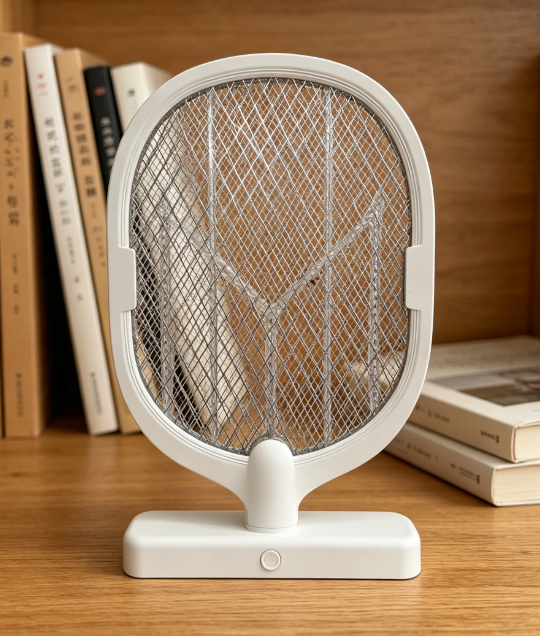
Warranty returns are the silent margin killer in the mosquito control category. A distributor who buys a swatter at $1.80 FOB and retails it at $9.90 can absorb a 1% return rate without noticing — but at 5%, the combined cost of replacement units, reverse logistics, and refund processing erases most of the line's profit.
Common mosquito swatter killer lamp failure modes wholesale spec guide

Digital bathroom scales rank as the second-highest-volume consumer weighing product category, only behind kitchen scales, with distinct market and product characteristics that set them apart from other scale types in importers’ product portfolios.
Digital bathroom body fat-bia-scale wholesale buyers guide