
The Birth of an Electric Mosquito Swatter
2026-04-07
The Birth of an Electric Mosquito Swatter: The Complete Journey from Plastic Pellets to Mosquito-Killing Gadget
The lightweight electric mosquito swatter you pick up casually every day may seem simple, but it has to go through 7 strict processes to transform from a pile of raw materials into a practical tool that guards our peaceful sleep. Today, let’s take you into the electric mosquito swatter production workshop to uncover its complete birth process~
I. Pre-production Preparation: Raw Materials and Molds
Before formal production, the workshop will prepare all raw materials and molds in advance to ensure that each step can proceed smoothly. The core raw materials of an electric mosquito swatter mainly include ABS plastic pellets (used to make the shell and handle), stainless steel wire or aluminum wire (used to make the electric grid), circuit boards, batteries, switches, etc. All raw materials will undergo strict screening to avoid affecting product quality due to material issues. At the same time, various molds are adjusted according to the design style of the electric mosquito swatter to lay the foundation for the subsequent injection molding process.
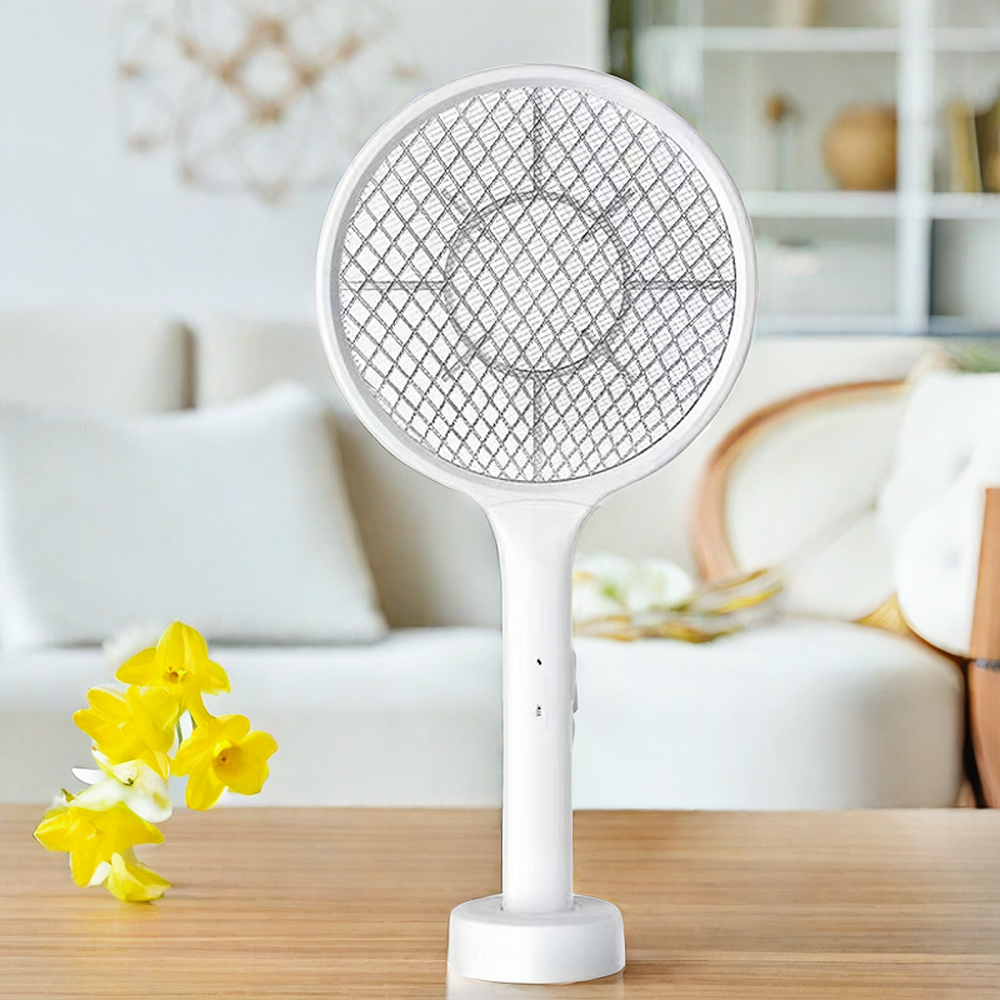
II. Core Production Processes: Building the Prototype Step by Step
1. Injection Molding: Shaping the Electric Mosquito Swatter
Injection molding is the first step in the production of electric mosquito swatters and a key link that determines the appearance and structure. Workers will feed the dried ABS plastic pellets into the injection molding machine. The plastic pellets are heated to 160-240℃ in the barrel, melted into a molten state, and then injected into the pre-prepared mold at high pressure by a screw—the shape of the mold is the style of the electric mosquito swatter’s shell, handle and frame. After the injection is completed, the mold will be cooled and shaped. When the plastic is completely solidified, the manipulator will take out the formed plastic parts, remove burrs and excess edges, and the "skeleton" of an electric mosquito swatter is initially formed. It is worth mentioning that the injection molding process of the frame directly affects the subsequent installation of the electric grid. The precision of the mold needs to be controlled at the micrometer level to ensure that the edge of the frame is smooth and the size is accurate.
2. Net Placement: Equipping the "Skeleton" with "Mosquito-Killing Weapons"
Net placement is the core step for the electric mosquito swatter to achieve the mosquito-killing function, and it is also one of the most delicate processes. The electric grid of an electric mosquito swatter is usually composed of two layers of parallel and interlaced metal nets: the outer layer is a protective net, and the inner layer is an electrified net. The two layers of nets need to be completely insulated by plastic filling to avoid short circuits. Workers will accurately place the prefabricated metal nets (usually made of stainless steel wire or aluminum wire) in the reserved position of the frame, ensuring that the net wires are evenly distributed and the spacing is consistent, and at the same time, the edge areas of the two layers of nets are closely attached to the frame to prepare for subsequent injection molding and fixation. Some high-end electric mosquito swatters will also add keels between the two layers of nets to prevent the electric grid from deforming and further improve durability.

3. Preliminary Processing: Polishing Details and Preparing for Assembly
After the net placement is completed, we enter the preliminary processing stage. This step is mainly to preprocess the formed parts to clear obstacles for subsequent assembly. Workers will thoroughly clean the injection-molded plastic parts to remove dust, oil and residual plastic debris on the surface; at the same time, check whether the placement position of the electric grid is offset, whether the frame is damaged or deformed, and timely repair or eliminate unqualified parts. In addition, the circuit board, battery compartment and other parts will be initially inspected to ensure that each part can be put into normal use and avoid failures in subsequent assembly.
4. Wiring: Connecting the "Electric Pulse" to the Electric Mosquito Swatter
The wiring process is equivalent to installing the "heart" and "blood vessels" for the electric mosquito swatter, allowing various parts to form a complete circuit. Workers will connect the circuit board, battery, switch, electric grid and other parts one by one with wires according to the design drawings, focusing on ensuring that the positive and negative electrodes of the electric grid are accurately connected to the high-voltage output end of the circuit board. At the same time, the wires are sorted out neatly to avoid winding or poor contact. To improve the stability and moisture resistance of the product, some circuit boards will also be coated with three-proof paint, which can avoid short circuits even in humid environments and extend the service life of the electric mosquito swatter. Each solder joint needs to be accurately soldered to ensure tight contact, which directly determines the mosquito-killing effect and use safety of the electric mosquito swatter.
5. Capping: Encapsulation and Forming, Building a Safety Line of Defense
After the wiring is completed, the internal structure of the electric mosquito swatter is basically improved. Next is the capping process, which encapsulates all internal parts to form a complete product prototype. Workers will accurately align the assembled racket body with the handle and back cover, fix it firmly with screws, or use ultrasonic assembly technology to make the parts adhere more closely to ensure no gaps. This step not only protects the internal circuit and electric grid from dust and water vapor, but also prevents users from accidentally touching live parts during use, building a solid safety line of defense. After the encapsulation is completed, the appearance will be inspected again to ensure that the shell is closely attached, no loose, and there are no scratches or damages on the surface.
III. Factory Inspection: Strict Testing to Ensure Perfection
Testing: Layer-by-Layer Screening to Eliminate Unqualified Products
Testing is the most critical checkpoint before the electric mosquito swatter leaves the factory. Only products that pass all tests can enter the market. The testing link mainly includes three core contents: first, power-on testing, checking whether the electric mosquito swatter can be powered on normally, whether the switch is sensitive, and whether the indicator light is on normally; second, mosquito-killing effect testing, simulating actual use scenarios to test whether the high-voltage output of the electric grid is stable and whether it can quickly electrocute mosquitoes; third, safety testing, checking the insulation performance of the electric grid to ensure no leakage, and testing the compression and impact resistance of the shell to avoid potential safety hazards during use. All unqualified products will be marked and eliminated to ensure that every electric mosquito swatter that flows into the hands of consumers is safe and reliable.

IV. Final Link: Packaging and Warehousing, Heading to Thousands of Households
Packaging: Exquisite Packaging and Good Protection
After passing all tests, the electric mosquito swatter enters the final packaging link. Workers will wipe each qualified electric mosquito swatter clean one by one, then put it into a customized packaging box, and at the same time put in relevant documents such as user manual, certificate of conformity and warranty card. Some products will also be equipped with charging cables, bases and other accessories. The packaging box is made of high-hardness material, and the interior is equipped with pearl cotton or bubble wrap to prevent the electric mosquito swatter from being squeezed, collided and damaged during transportation. After packaging, a product label will be pasted on the packaging box, indicating the brand, model, production batch, production date and other information. Then the packaged electric mosquito swatters will be neatly stored in the warehouse, waiting to be sent to supermarkets and e-commerce platforms across the country, and finally enter thousands of households, becoming a "good helper for mosquito control" in summer.
The seemingly simple electric mosquito swatter, from plastic pellets to finished product warehousing, every process embodies the care and rigor of workers. It is the layer-by-layer check of these 7 processes that allows us to easily wave away mosquitoes and have a quiet and comfortable night in summer. Next time you pick up an electric mosquito swatter, you may wish to think of its "birth journey" and feel the ingenuity in every detail~
how much does it cost for pest control
Are Electric Mosquito Swatters Safe for Humans
Related Article

If you’re struggling with annoying mosquitoes, flies, and other flying pests indoors and outdoors, upgrading from traditional manual tools to anElectric Mosquito Swatter is the most efficient solution. Many homeowners and renters search where to buy fly swatter online to find durable, safe, and high-performance electric models that deliver instant pest control.
Where to Buy Fly Swatter
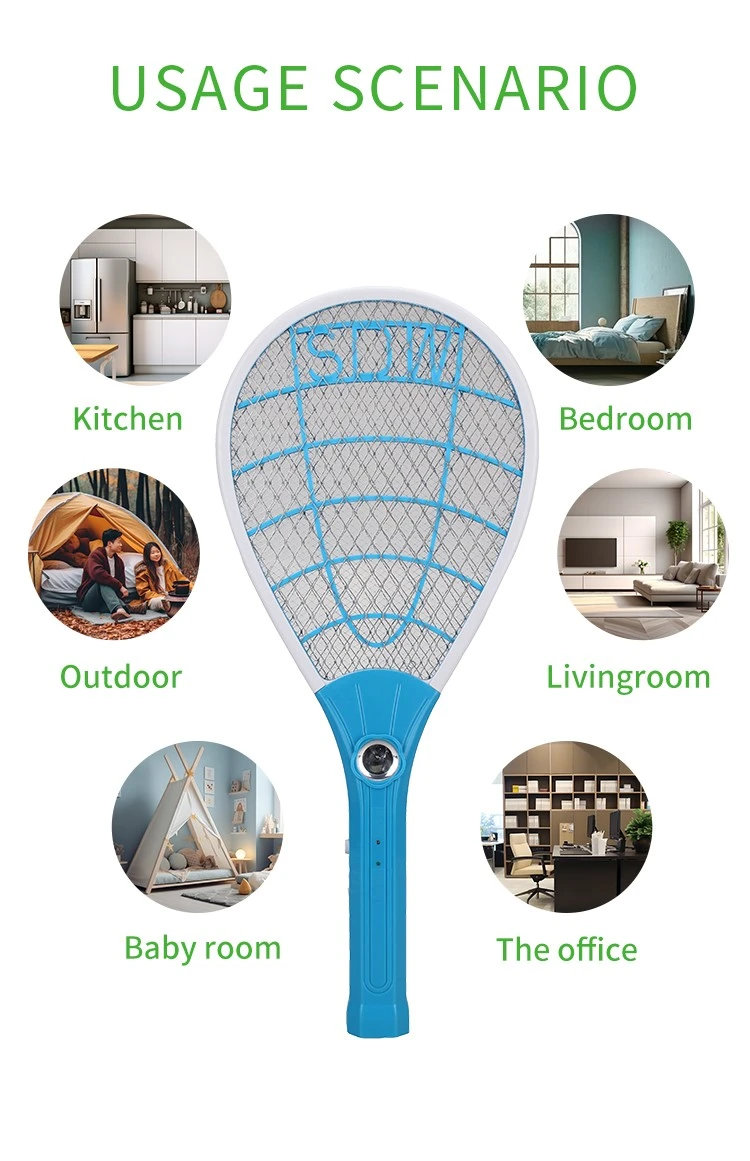
Most importers of electric mosquito swatters obsess over the first order: samples requested, factories vetted, a pre-shipment inspection booked. Then the reorder arrives eight months later and something is off. The grid feels softer. The charge port is a slightly different shade of black. The carton thickness dropped from 350 gsm to 300 gsm. Nothing is catastrophic — but the product no longer matches what your retail customers approved, and quietly, your return rate starts climbing.
How to Keep Mosquito Swatter Quality Consistent Across Repeat Orders
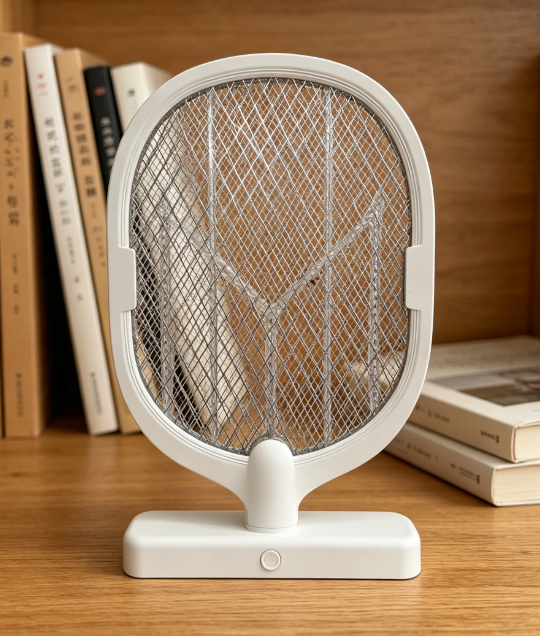
Warranty returns are the silent margin killer in the mosquito control category. A distributor who buys a swatter at $1.80 FOB and retails it at $9.90 can absorb a 1% return rate without noticing — but at 5%, the combined cost of replacement units, reverse logistics, and refund processing erases most of the line's profit.
Common mosquito swatter killer lamp failure modes wholesale spec guide

Digital bathroom scales rank as the second-highest-volume consumer weighing product category, only behind kitchen scales, with distinct market and product characteristics that set them apart from other scale types in importers’ product portfolios.
Digital bathroom body fat-bia-scale wholesale buyers guide