
The Difference Between Indoor Mosquito Prevention and Outdoor Mosquito Repellent
2026-06-29
The Difference Between Indoor Mosquito Prevention and Outdoor Mosquito Repellent
Mosquitoes are an unavoidable annoyance every spring and summer, ruining indoor relaxation and outdoor activities alike. Many people share a common misconception: all mosquito repellent products are universal and work equally well indoors and outdoors. In reality, mosquito coils often fail to clear bugs indoors, while regular mosquito spray offers almost no reliable protection outside.
The truth is, indoor mosquito prevention and outdoor mosquito repellent operate on entirely different principles, requiring distinct tools and usage habits. Knowing the difference helps you build targeted protection and stop wasting time on ineffective solutions. This article breaks down their key distinctions to help you avoid typical mosquito-control mistakes.
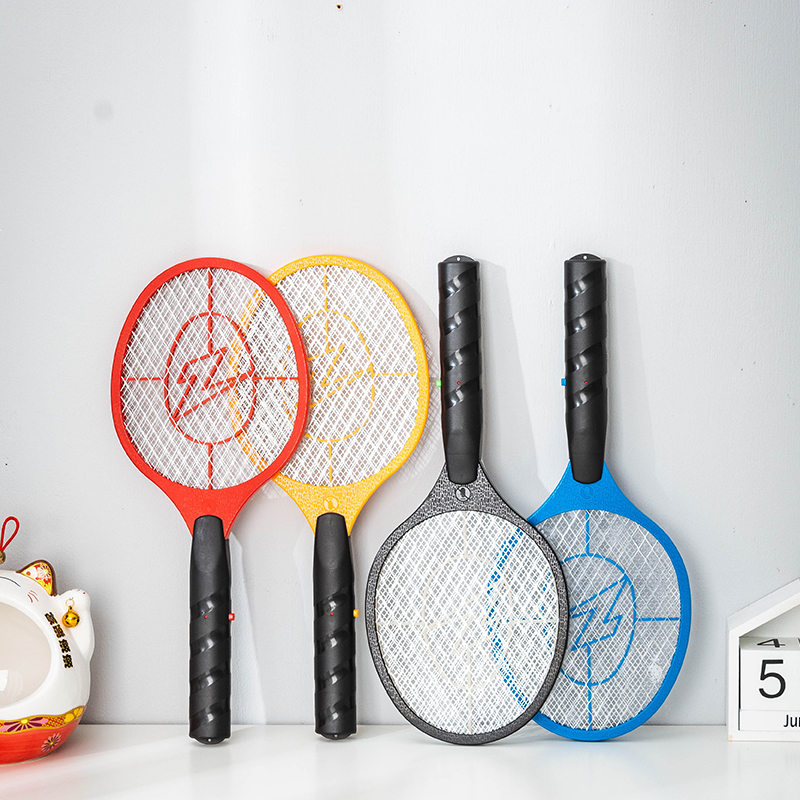
1. Core Difference: Physical Barrier vs. Active Repellency
This is the most fundamental distinction between indoor and outdoor mosquito control. All product choices and usage strategies follow these two core logics, which determine whether your anti-mosquito measures work or fail.
1.1 Indoor Mosquito Prevention: Block Access and Isolate Mosquitoes
Indoor spaces are enclosed and stable. The primary goal is not just killing existing mosquitoes, butbuilding a fully mosquito-free living space. Indoor anti-mosquito strategies focus on passive defense: physical isolation comes first, paired with mild insect elimination. This approach blocks mosquito entry and stops them from breeding indoors at the source.
Home environments prioritize safety, long-term effect and low irritation. Strong, high-concentration repellents are unnecessary indoors. The key is to keep living spaces clean and well-sealed to keep mosquitoes out and prevent their survival. In most cases, proper physical barriers work better and safer than chemical products.
1.2 Outdoor Mosquito Repellent: Active Deterrence to Prevent Bites
Outdoor environments are open and ventilated, with endless mosquito sources that cannot be physically blocked. Therefore, outdoor mosquito control focuses on active, temporary repellency. Repellent ingredients interfere with mosquitoes’ olfactory systems, driving them away from human skin and preventing bites in real time.
Outdoor protection prioritizes instant effect and portability rather than long-lasting stability. Effective repellents only need to create a temporary protective layer on the skin during commutes, workouts, camping and other outdoor activities to resist surrounding mosquitoes.
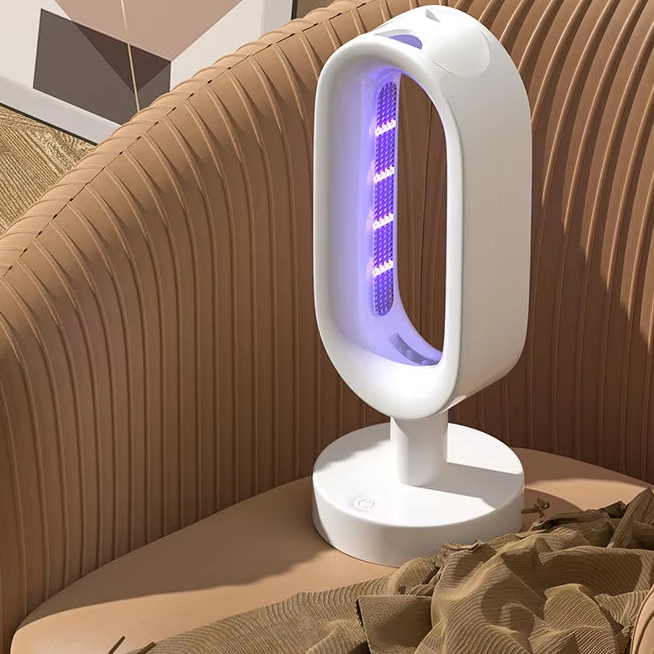
2. Suitable Products: Mild Indoor Solutions vs. Powerful Outdoor Repellents
Due to their different working mechanisms, indoor and outdoor mosquito products are not interchangeable. Misuse leads to poor results and potential health risks. Below is a clear categorized guide for different scenarios.
2.1 Indoor Products: Physical Defense First, Mild Chemical Assistance
Homes are occupied for long hours by all groups, including seniors, children and pregnant women. For this reason, indoor mosquito products must be residue-free, gentle and non-irritating.
Physical mosquito prevention tools: Window screens, door screens and bed mosquito nets are the most reliable indoor solutions. They provide zero-risk, long-lasting physical isolation and are ideal for sensitive families with babies and pregnant women. Electric mosquito zappers kill bugs via physical light trapping with no odor or chemicals, perfect for use in bedrooms and living rooms at night to gradually reduce indoor mosquito numbers.
Mild insect elimination tools: Electric mosquito liquid and repellent tablets release ingredients evenly without open flames or smoke, suitable for daily long-term indoor use to suppress mosquito activity. Notably, strong insect sprays and smoke-based repellents should never be used indoors. In sealed rooms, accumulated chemical fumes can irritate the respiratory tract and harm family health.
2.2 Outdoor Products: High-Efficiency and Portable for Emergency Protection
Outdoor air flows continuously, and outdoor areas such as lawns, woods and waterfronts usually have dense mosquitoes. Thus, outdoor repellents need to be fast-acting, high-strength and portable for short but effective protection.
Personal repellent products: Mosquito repellent sprays and lotions are outdoor essentials. Core active ingredients including DEET, picaridin and IR3535 form an invisible protective film on the skin to block mosquito sensing, providing 2 to 8 hours of protection for daily walks, commutes, hiking and camping. High-concentration DEET formulas are specially designed for heavily mosquito-infested areas.
Auxiliary outdoor tools: Repellent patches and bracelets are lightweight and kid-friendly, reducing bite risks for children during outdoor activities. Camping mosquito coils deliver wide-range mosquito suppression, ideal for prolonged outdoor stays.
3. Usage Skills: Different Strategies for Indoor and Outdoor Scenarios
Besides product selection, the timing and methods of use also differ greatly. Correct operation can significantly boost your anti-mosquito effect.
3.1 Indoor Prevention: Pre-emptive Setup for Long-Lasting Safety
Indoor mosquito control relies on advance prevention instead of last-minute fixes. Keep window and door screens closed at dusk to stop mosquitoes from flying indoors in swarms. Turn on electric mosquito liquid and zappers 1 to 2 hours before bedtime to pre-treat the indoor environment.
Meanwhile, maintain household hygiene by regularly clearing stagnant water and garbage to eliminate mosquito breeding grounds fundamentally. Use bed nets while sleeping for full coverage protection, especially for sensitive skin groups and light sleepers.
3.2 Outdoor Repellency: On-Time Application and Regular Reapplication
Outdoor mosquito protection requires no early preparation. Apply repellent 1 to 3 minutes before going out, focusing on exposed areas such as the neck, wrists, ankles and behind the ears for full coverage.
Reapply according to your activity: refresh every 4 hours for daily commutes, and every 2 hours during workouts, heavy sweating or in mosquito-dense areas. For children, choose IR3535-based mild repellents and avoid direct skin contact with high-concentration DEET products.
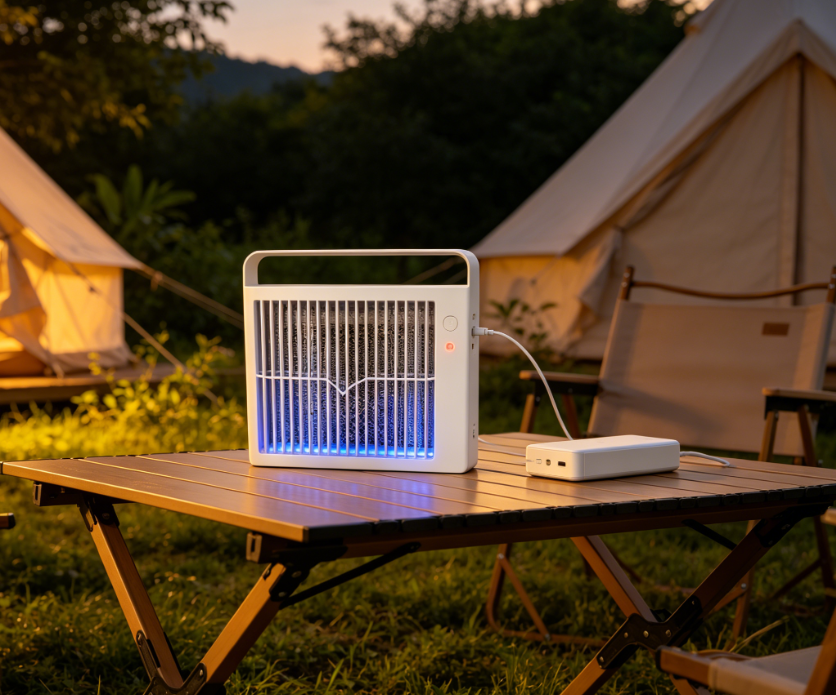
4. Common Mosquito Control Mistakes to Avoid
Most ineffective mosquito protection results from scenario misuse. Avoid these four typical errors:
1. Using strong insect spray indoors: Trapped chemical vapors in enclosed spaces may cause dizziness and throat irritation, posing health risks to residents.
2. Using electric mosquito liquid outdoors: Outdoor airflow quickly dilutes active ingredients, making these products completely ineffective.
3. Ignoring screen and mosquito net maintenance: Broken screens and net gaps defeat physical isolation, so regular inspection and repair are essential for indoor defense.
4. Expecting one outdoor application to last all day: Sweat, friction and air exposure gradually remove repellent layers, so timely reapplication is necessary for continuous protection.
5. Conclusion: Scenario-Based Mosquito Control Is Safer and More Effective
In short, indoor mosquito prevention focuses on safe, long-term physical barriers, while outdoor mosquito repellent relies on efficient, portable active defense.
For homes, prioritize physical tools including screens, bed nets and mosquito zappers, supplemented by mild electric mosquito liquid to build a safe, mosquito-free living environment. For outdoor activities, use standard repellent sprays or lotions and reapply on schedule for reliable personal protection.
Ditch the one-size-fits-all mosquito control habit. Adopt scenario-specific products and standardized usage methods to stay free from mosquito bites and enjoy a comfortable spring and summer.
Do Solar Mosquito Killers Stop Working on Rainy Days
Are Smarter Electric Mosquito Swatters Really Better
Related Article

If you’re struggling with annoying mosquitoes, flies, and other flying pests indoors and outdoors, upgrading from traditional manual tools to anElectric Mosquito Swatter is the most efficient solution. Many homeowners and renters search where to buy fly swatter online to find durable, safe, and high-performance electric models that deliver instant pest control.
Where to Buy Fly Swatter

Most importers of electric mosquito swatters obsess over the first order: samples requested, factories vetted, a pre-shipment inspection booked. Then the reorder arrives eight months later and something is off. The grid feels softer. The charge port is a slightly different shade of black. The carton thickness dropped from 350 gsm to 300 gsm. Nothing is catastrophic — but the product no longer matches what your retail customers approved, and quietly, your return rate starts climbing.
How to Keep Mosquito Swatter Quality Consistent Across Repeat Orders

Warranty returns are the silent margin killer in the mosquito control category. A distributor who buys a swatter at $1.80 FOB and retails it at $9.90 can absorb a 1% return rate without noticing — but at 5%, the combined cost of replacement units, reverse logistics, and refund processing erases most of the line's profit.
Common mosquito swatter killer lamp failure modes wholesale spec guide

Digital bathroom scales rank as the second-highest-volume consumer weighing product category, only behind kitchen scales, with distinct market and product characteristics that set them apart from other scale types in importers’ product portfolios.
Digital bathroom body fat-bia-scale wholesale buyers guide