
The Hidden Health Risks of Mosquito Are Scarier Than You Think
2025-12-09
Don’t Just Be Annoyed by Mosquito Bites! The Hidden Health Risks Are Scarier Than You Think
Mosquito Bites: More Than Just Itching
Most people dismiss mosquito bites as a "minor annoyance"—a quick scratch or a dab of anti-itch cream, and it’s over. But behind this seemingly mild itching lies a more easily overlooked health hazard.
When a mosquito bites, it injects saliva containing proteins that trigger the body’s immune system, causing a local allergic reaction. For some, this only leads to slight redness and swelling; for others, it results in palm-sized hard lumps, even blisters or ulcers. Worse still, scratching can break the skin, allowing bacteria to invade, which may cause folliculitis or cellulitis. In severe cases, antibiotics are needed to control the infection. Last year, a neighbor’s child developed red, pus-filled swelling on their arm from scratching a mosquito bite and had to receive intravenous antibiotics for 3 days to recover. Such cases are far more common than we think.
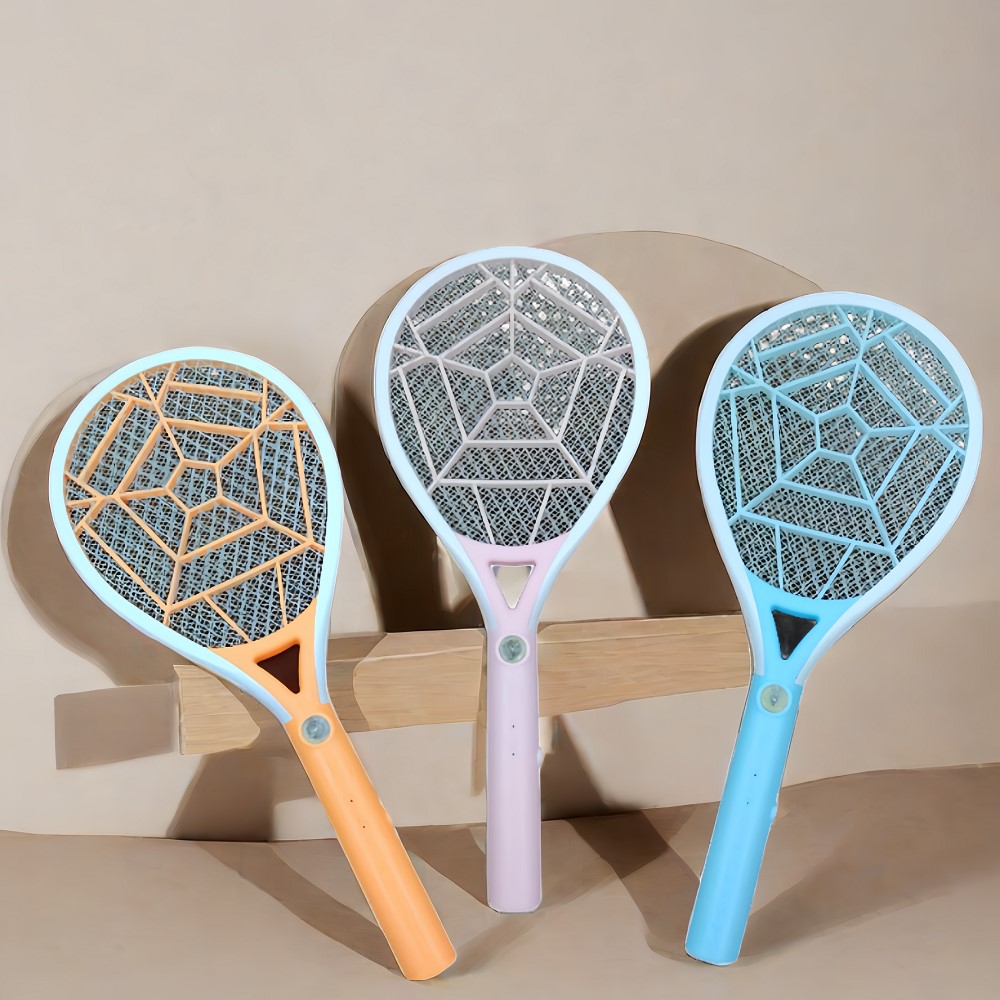
Hidden Danger: Life-Threatening Diseases Transmitted by Mosquitoes
If allergies and infections are "minor issues," mosquitoes’ role as "disease vectors" is the real "health killer." There are thousands of mosquito species worldwide that can transmit diseases. After biting an infected person, they carry viruses or parasites and pass them on to healthy individuals, causing a variety of potentially fatal illnesses.
Take malaria, a well-known disease transmitted by Anopheles mosquitoes. After infection, patients experience recurring high fevers, chills, and headaches. In severe cases, it damages the brain and internal organs. Every year, hundreds of thousands of children worldwide die from malaria, and even those who recover may suffer from long-term intellectual impairment. Another example is dengue fever, transmitted by Aedes mosquitoes (commonly known as "tiger mosquitoes"). Infected individuals suffer from persistent high fever, severe joint pain, and skin bleeding; severe cases can lead to shock with a high mortality rate. In recent years, during the rainy season, dengue cases have emerged in southern China, with many people infected simply by being bitten while walking outdoors or buying groceries.
Even more alarming is that some mosquito-borne diseases affect the next generation. For instance, if a pregnant woman is infected with the Zika virus, it may cause microcephaly in the fetus, leading to severe intellectual and physical developmental issues after birth. In some parts of China, filariasis—transmitted by Culex mosquitoes—has not yet been completely eradicated. Infection damages the lymphatic system, causing swelling and thickening of the lower limbs (commonly known as "elephantiasis"), leaving patients to endure both physical pain and psychological stress.
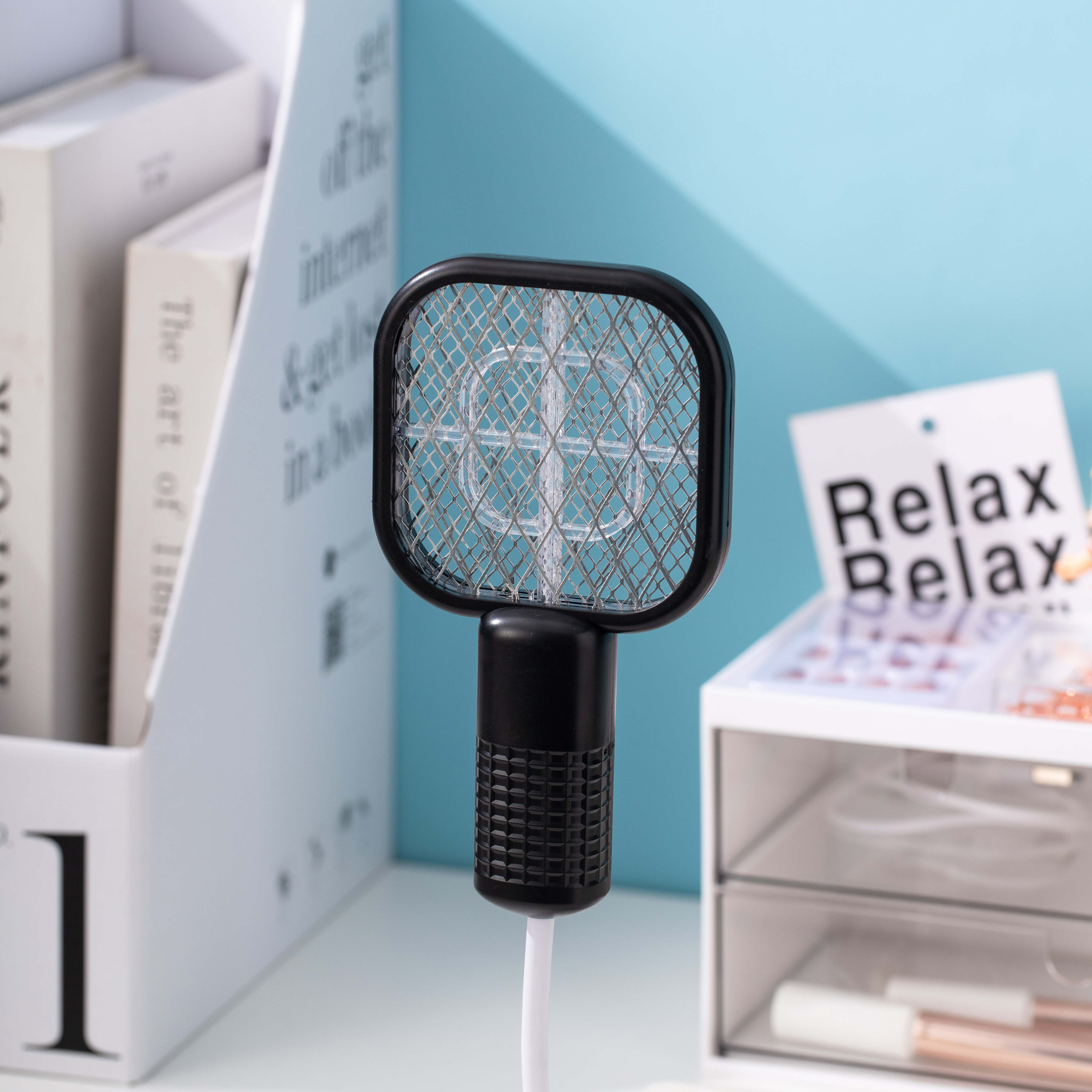
Scientific Mosquito Prevention: From Source Blocking to Proactive Elimination
Some might say, "I live in a clean place, so I won’t have these problems, right?" But that’s not the case. With today’s convenient transportation, virus-carrying mosquitoes can spread via planes or trains. Moreover, stagnant water in cities—such as water in flowerpot saucers, rainwater in discarded tires, or water in air conditioning drip pans—serves as "breeding grounds" for mosquitoes. Where there’s stagnant water, there’s a risk of mosquitoes carrying pathogens. To prevent mosquitoes effectively, we need a two-pronged approach: "blocking from the source + proactive elimination."
1. Source Cleanup: Reduce Mosquito Breeding Grounds
Change the water in flowerpots weekly, empty stagnant water from trash bins, clear out discarded containers on balconies or stairwells, and regularly clean air conditioning drip pans. These steps reduce opportunities for mosquitoes to lay eggs at the source and are the most basic yet effective mosquito prevention measures.
2. Proactive Mosquito Elimination: Make Good Use of Electric Mosquito Swatters and Mosquito Killer Lamps
- Electric Mosquito Swatters: Ideal for quickly killing mosquitoes at close range, especially when a single mosquito is spotted at night. Choose models with a safety guard to prevent accidental contact with the electrodes by children. When in use, avoid flammable materials like curtains or paper. Press the switch, move slowly, and swing quickly when approaching the mosquito to improve killing efficiency.
- Mosquito Killer Lamps: Suitable for trapping and killing mosquitoes over a large area, such as in living rooms or balconies. They attract mosquitoes using ultraviolet light and kill them with a high-voltage grid or fan. It’s recommended to place them 1.5–2 meters high, away from humans and other light sources (to avoid light interfering with the lamp’s ability to attract mosquitoes). For best results, use them at night with other lights turned off.

3. Personal Protection: Reduce the Risk of Being Bitten
Wear long-sleeved shirts and pants when going out. Apply mosquito repellent containing DEET or picaridin to exposed skin, especially avoiding periods when mosquitoes are most active—early morning and evening. Use mosquito nets while sleeping and install window screens at home to prevent mosquitoes from entering.
Emergency Alert: Symptoms to Watch for After Being Bitten
If you experience persistent high fever (over 38.5℃), headaches, vomiting, skin bleeding, or joint pain after a mosquito bite, do not dismiss it as a common cold. Seek medical attention immediately and inform the doctor about the recent mosquito bite. This helps with early screening for diseases like malaria or dengue fever and avoids delaying treatment.
Mosquitoes are small, but their harm is significant. Next time you see a mosquito bite on your leg, don’t just complain about the itching—it’s a reminder to take the hidden health risks seriously and practice scientific mosquito prevention.
Are There Really No Mosquitoes in Winter
Buying Mosquito Swatters Cross-Border
Related Article

If you’re struggling with annoying mosquitoes, flies, and other flying pests indoors and outdoors, upgrading from traditional manual tools to anElectric Mosquito Swatter is the most efficient solution. Many homeowners and renters search where to buy fly swatter online to find durable, safe, and high-performance electric models that deliver instant pest control.
Where to Buy Fly Swatter
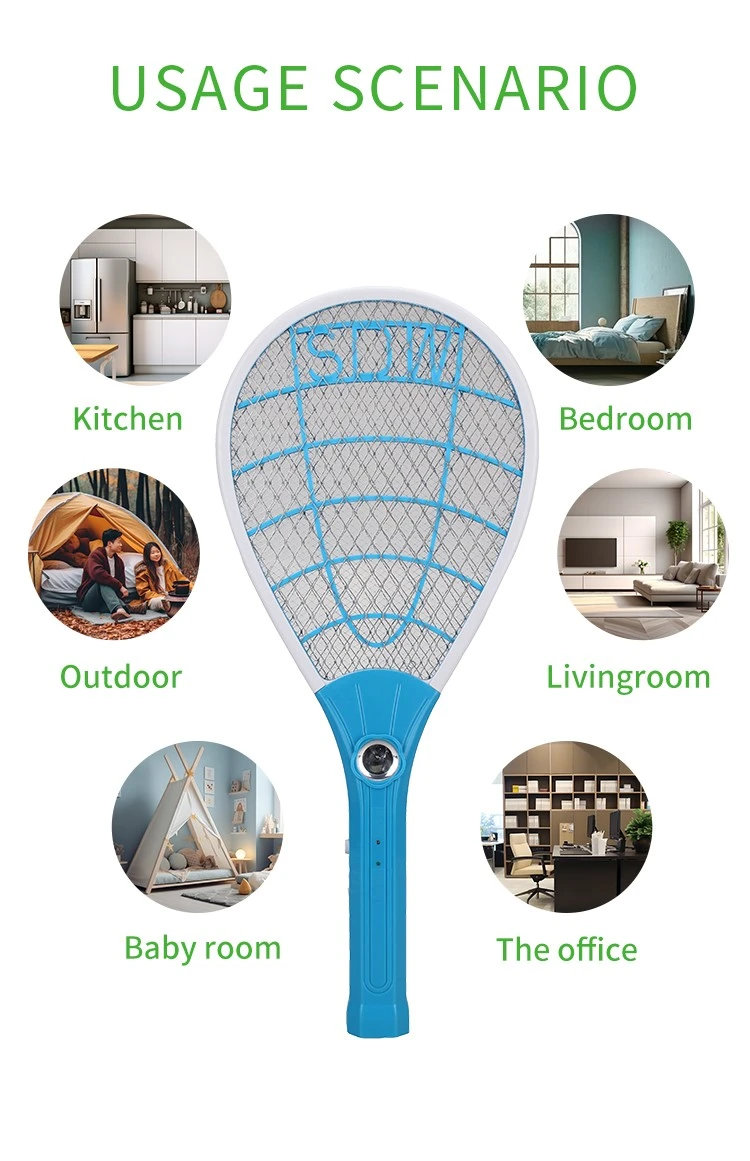
Most importers of electric mosquito swatters obsess over the first order: samples requested, factories vetted, a pre-shipment inspection booked. Then the reorder arrives eight months later and something is off. The grid feels softer. The charge port is a slightly different shade of black. The carton thickness dropped from 350 gsm to 300 gsm. Nothing is catastrophic — but the product no longer matches what your retail customers approved, and quietly, your return rate starts climbing.
How to Keep Mosquito Swatter Quality Consistent Across Repeat Orders
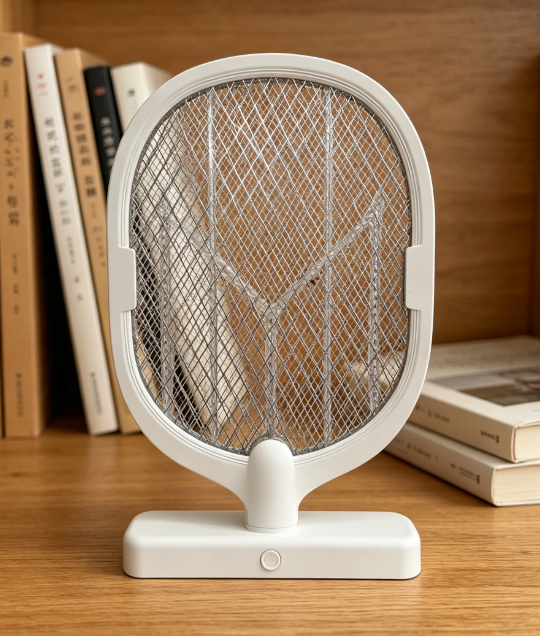
Warranty returns are the silent margin killer in the mosquito control category. A distributor who buys a swatter at $1.80 FOB and retails it at $9.90 can absorb a 1% return rate without noticing — but at 5%, the combined cost of replacement units, reverse logistics, and refund processing erases most of the line's profit.
Common mosquito swatter killer lamp failure modes wholesale spec guide

Digital bathroom scales rank as the second-highest-volume consumer weighing product category, only behind kitchen scales, with distinct market and product characteristics that set them apart from other scale types in importers’ product portfolios.
Digital bathroom body fat-bia-scale wholesale buyers guide