
The Method of Hanging a Bug Zapper
2025-06-06
The Method of Hanging a Bug Zapper
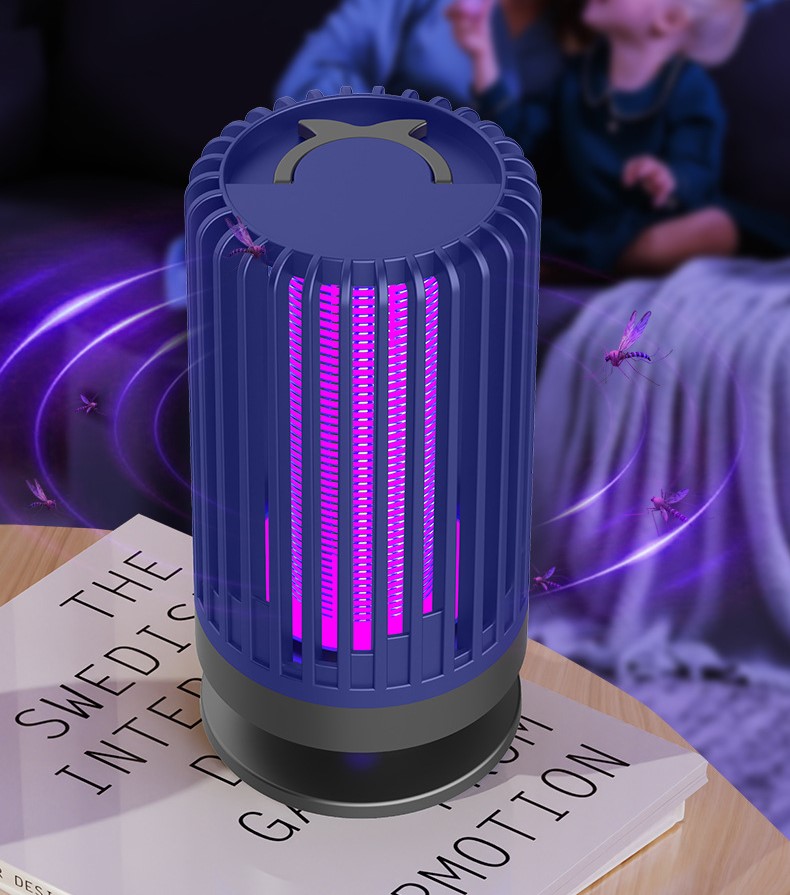
In the sweltering summer, mosquitoes are always a nuisance. As an effective mosquito repellent tool, the correct way to hang a bug zapper can make it work to its maximum potential. The following will detail the method of hanging a bug zapper.
I. Preparation Work
Before starting to hang the bug zapper, we need to prepare some necessary tools and materials first. The first is a ladder. Select a ladder of an appropriate height according to the height at which the bug zapper will be hung to ensure safe and convenient operation during the hanging process. Secondly, tools for fixing such as screwdrivers and expansion screws are needed. If the bug zapper is to be installed on the wall, these tools are very important. In addition, it is necessary to check whether the bug zapper is in good condition and whether the power cord is damaged to ensure that the bug zapper is in normal working condition.
II. Selecting the Appropriate Hanging Location
The hanging location of the bug zapper is crucial as it directly affects the mosquito-killing effect.
1. Height Selection
Generally speaking, the height at which the bug zapper is hung should be between 1.8 meters and 2.2 meters. This height range allows the bug zapper to cover a large space area and also prevents children and pets from easily reaching it, avoiding accidents.
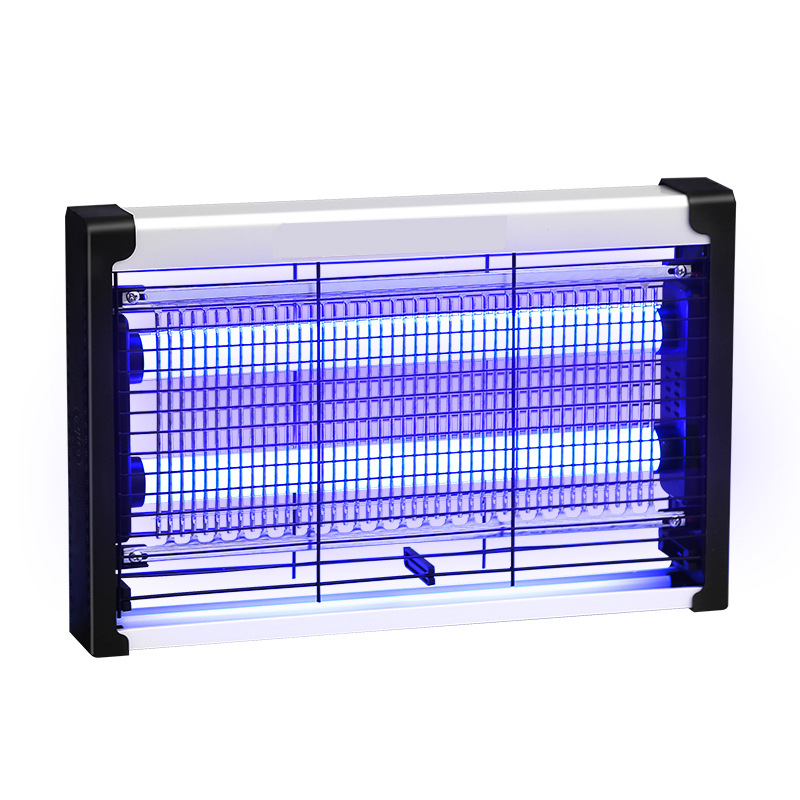
2. Keep Away from Interference Sources
The bug zapper should be kept away from light sources and heat sources. Since mosquitoes are phototactic, other light sources will interfere with the bug zapper's attraction to mosquitoes; and the air flow near the heat source may affect the path of mosquitoes flying towards the bug zapper. At the same time, avoid hanging the bug zapper in places with too fast air flow, such as near air - conditioning vents and fans, so that mosquitoes will not be blown away by the air flow before being captured by the bug zapper.
3. Placement Area
Choose an appropriate placement area according to the usage scenario. If it is used indoors, the bug zapper can be hung in places where people are more active, such as the living room and bedroom. If it is used outdoors, such as in the courtyard or on the balcony, choose a relatively sheltered corner where mosquitoes are likely to gather.
III. Specific Hanging Steps
1. Hanging on the Wall
If you choose to hang the bug zapper on the wall, first use a screwdriver to drill holes in the determined position, then put the expansion screws into the holes and gently tap them in with a hammer until the expansion screws are flush with the wall surface. Then fix the mounting bracket of the bug zapper on the expansion screws and use a screwdriver to tighten the screws to ensure that the bracket is firm. Finally, install the bug zapper on the bracket and connect the power cord.
2. Hanging on the Ceiling
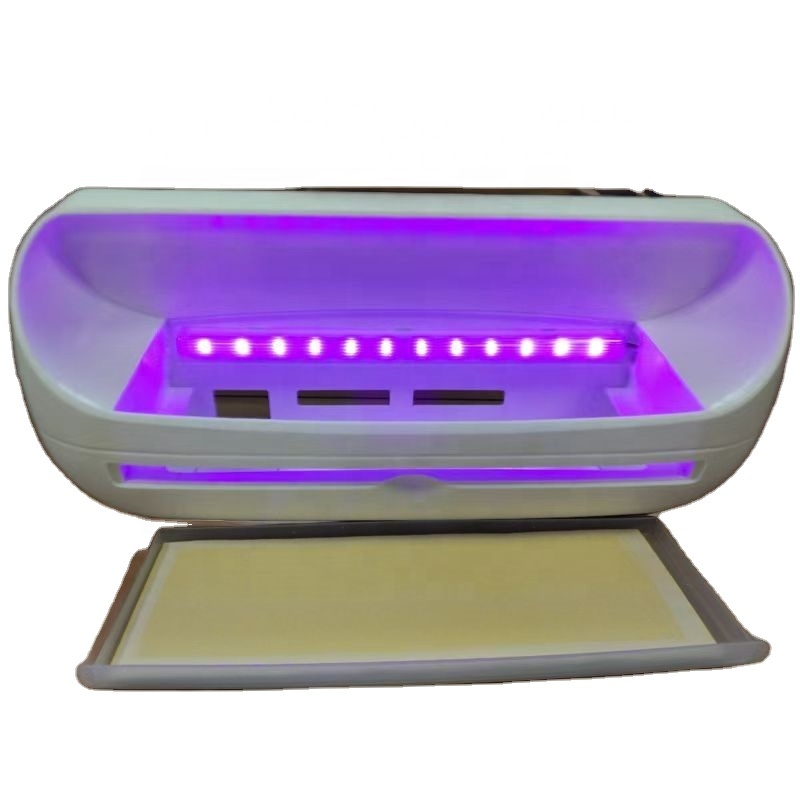
If you want to hang the bug zapper on the ceiling, first prepare a suitable hook and install the hook on the ceiling, ensuring that the hook can bear the weight of the bug zapper. Then hang the hanging rope or hook of the bug zapper on the hook and adjust the position and angle of the bug zapper to make it in a suitable state. Similarly, connect the power cord.
IV. Inspection after Hanging
After the bug zapper is hung, don't forget to conduct an inspection. Check whether the bug zapper is firmly installed. Gently shake it to see if there are any signs of looseness. At the same time, turn on the bug zapper to check whether it can work normally, whether the light is on, and whether the electric grid is powered. If any problems are found, adjustments and repairs should be made in a timely manner.
How to Test a Bug Zapper
Can a Bug Zapper Kill You
Related Article

If you’re struggling with annoying mosquitoes, flies, and other flying pests indoors and outdoors, upgrading from traditional manual tools to anElectric Mosquito Swatter is the most efficient solution. Many homeowners and renters search where to buy fly swatter online to find durable, safe, and high-performance electric models that deliver instant pest control.
Where to Buy Fly Swatter
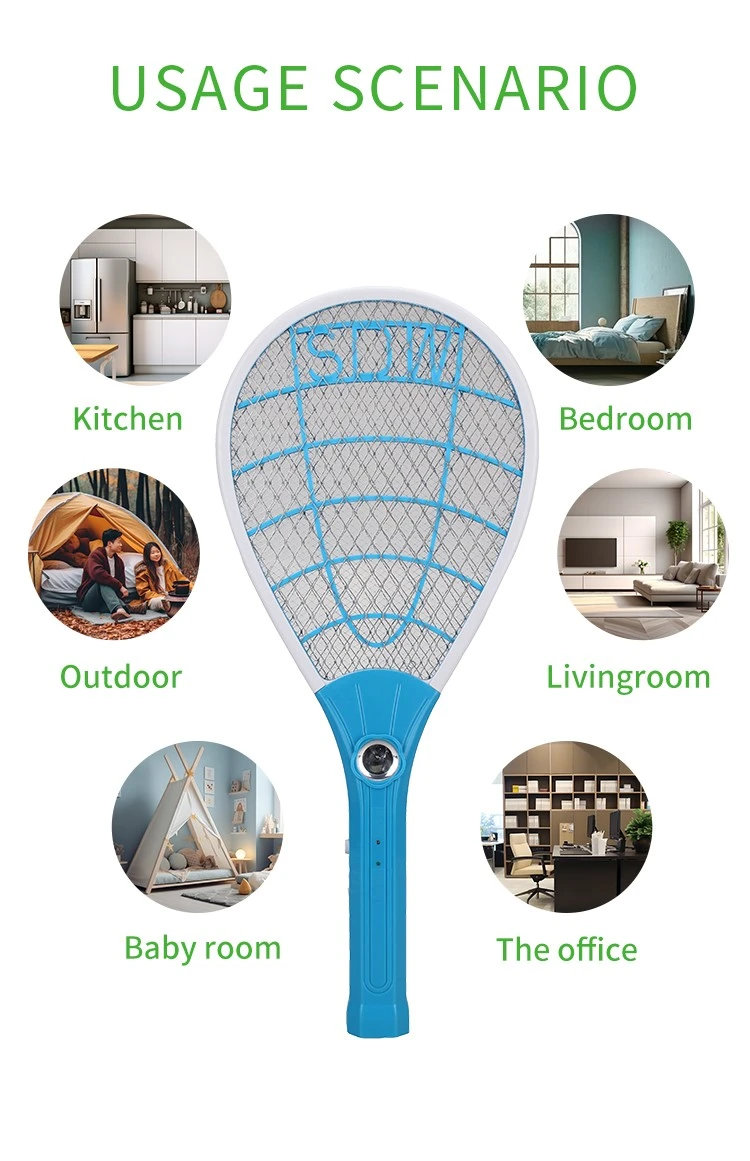
Most importers of electric mosquito swatters obsess over the first order: samples requested, factories vetted, a pre-shipment inspection booked. Then the reorder arrives eight months later and something is off. The grid feels softer. The charge port is a slightly different shade of black. The carton thickness dropped from 350 gsm to 300 gsm. Nothing is catastrophic — but the product no longer matches what your retail customers approved, and quietly, your return rate starts climbing.
How to Keep Mosquito Swatter Quality Consistent Across Repeat Orders
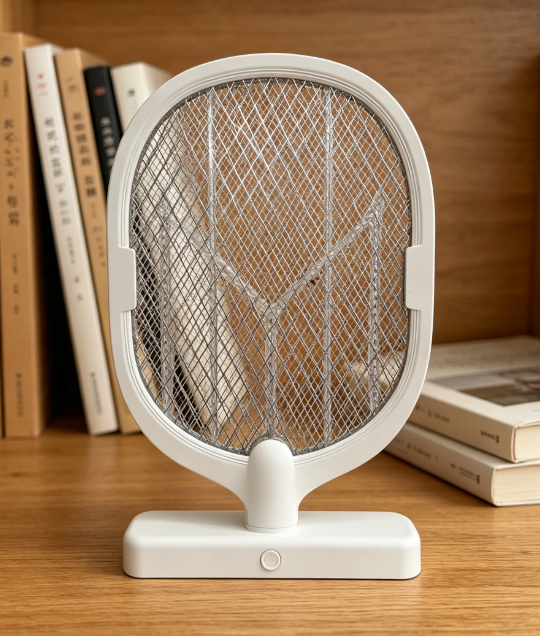
Warranty returns are the silent margin killer in the mosquito control category. A distributor who buys a swatter at $1.80 FOB and retails it at $9.90 can absorb a 1% return rate without noticing — but at 5%, the combined cost of replacement units, reverse logistics, and refund processing erases most of the line's profit.
Common mosquito swatter killer lamp failure modes wholesale spec guide

Digital bathroom scales rank as the second-highest-volume consumer weighing product category, only behind kitchen scales, with distinct market and product characteristics that set them apart from other scale types in importers’ product portfolios.
Digital bathroom body fat-bia-scale wholesale buyers guide