
The Ratio of Pour-Over Coffee
2026-04-26
The Ratio of Pour-Over Coffee: The Coffee Scale is the "Stabilizing Force" for Flavor
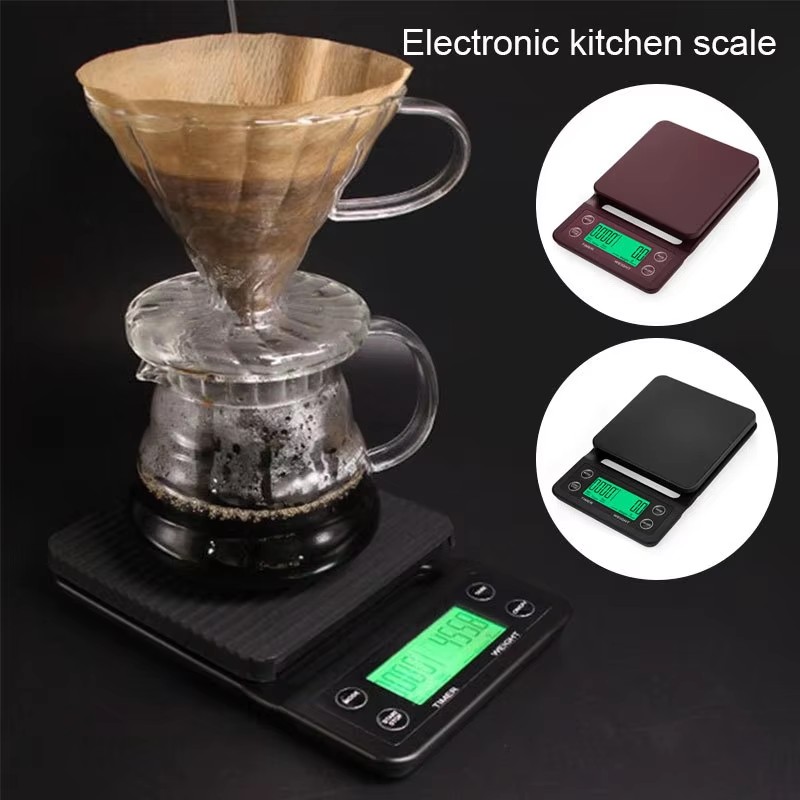
Pour-Over Coffee Ratio: The Core Code of Flavor
The charm of pour-over coffee lies in that it is not only a ritualistic manual creation, but also the ultimate pursuit of precision. Grinding fineness, water temperature, and pouring technique all affect the flavor, and the most core factor is the ratio of coffee grounds to water. This precise control is inseparable from a coffee scale—it is not an optional tool, but the key to maintaining the bottom line of flavor and achieving stable output, as well as a bridge between beginners and professional taste.
The widely recognized "golden ratio" for pour-over coffee in the industry is 1:15 to 1:20, meaning 1 gram of coffee grounds is paired with 15 to 20 grams of water, which can maximize the inherent flavor of the coffee beans. An imbalanced ratio will directly ruin a cup of coffee: too little water leads to over-extraction, resulting in a strong and bitter taste that masks the floral and fruity notes; too much water leads to under-extraction, making it tasteless and losing its richness. Estimating by hand or with a spoon can never achieve precise proportioning. The core function of a coffee scale is to convert vague operations into quantifiable and precise processes.
Coffee Scale: The Core Tool for Precisely Controlling the Ratio
1. Lock the Golden Ratio and Avoid Flavor Imbalance
The pour-over ratio is extremely sensitive to weight changes; an error of 2-3 grams can make a world of difference in flavor. For example, 20 grams of coffee grounds require 340 grams of water to achieve a balanced taste at a ratio of 1:17. Pouring water by visual estimation is prone to deviation, leading to bitter or sour coffee. A professional coffee scale can be accurate to 0.1 grams. It can not only precisely weigh the coffee grounds, but also real-time monitor the water injection volume, ensuring that the coffee-to-water ratio is consistent every time you brew. This is also the core secret of standardized output in coffee shops.
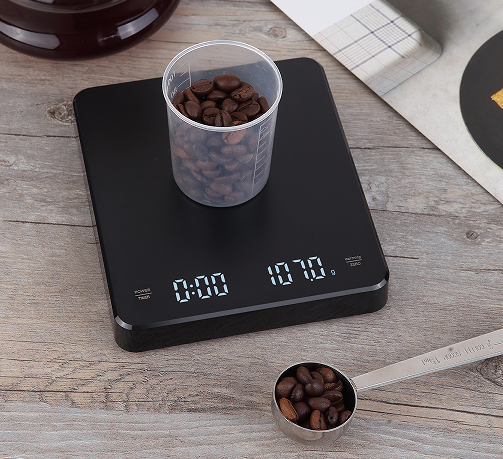
2. Flexibly Adjust the Ratio to Adapt to Personalized Needs
The fun of pour-over coffee lies in fine-tuning the ratio according to personal preferences and the characteristics of the coffee beans: light-roasted beans have a prominent acidity and are suitable for a high ratio of 1:18 to 1:20 to highlight their fresh and bright flavor; dark-roasted beans have a obvious bitterness and are suitable for a low ratio of 1:15 to 1:17 to balance the taste. The premise of all these adjustments is precise weight. Without a coffee scale, you can only try blindly. With it, you can accurately control the changes in the amount of coffee grounds and water, quickly find your exclusive taste, and it is an essential tool for beginners to get started and experienced baristas to improve.
3. Avoid Variable Errors and Reduce Trial-and-Error Costs
Even experienced baristas cannot do without a coffee scale. The density of coffee beans varies with roasting degree and freshness. The weight of the same volume of coffee grounds may differ greatly, and estimating by spoon is likely to cause ratio imbalance. In addition, 2 times the weight of the coffee grounds of water is needed for blooming, and the weight deviation in this step will directly affect the subsequent extraction. A coffee scale can avoid these variable errors, make the brewing process have clear standards, reduce trial-and-error costs, and make the flavor more controllable.
4. Multi-Functional Support, Becoming an All-Round Assistant for Pour-Over
Professional coffee scales have long gone beyond simple weighing. Most of them are equipped with a timing function, which can monitor the optimal extraction time of 2 minutes and 30 seconds to 3 minutes and 30 seconds, avoiding flavor impact caused by chaotic rhythm; some also have a dedicated pour-over ratio mode, which automatically records the coffee grounds weight and displays the coffee-to-water ratio in real time, making it easy for beginners to use. At the same time, precise weighing can reduce the waste of coffee beans, ensuring flavor while saving costs.
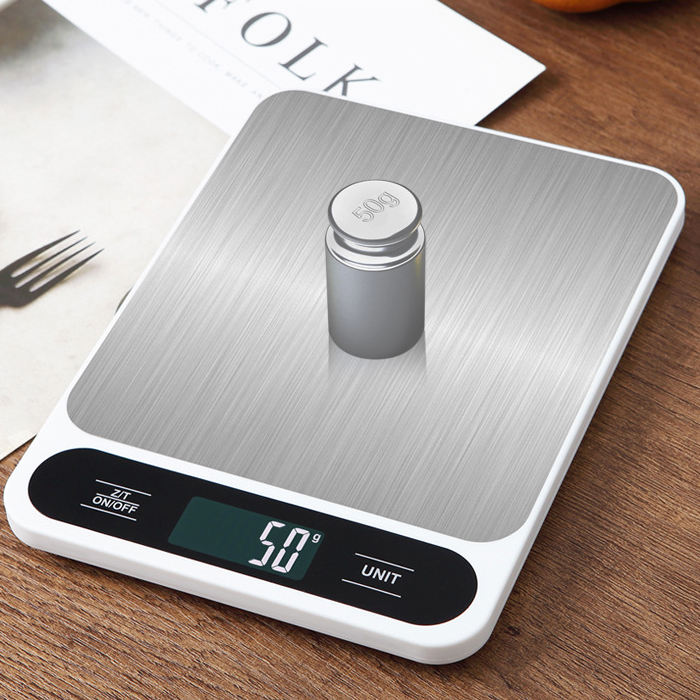
Conclusion: The Coffee Scale is the Key to Unlocking Pour-Over Flavor
The pour-over ratio is a balance between "precision and flexibility", and the coffee scale is the core to achieve this balance. It maintains the bottom line of the golden ratio, assists in personalized adjustments, avoids errors, reduces trial-and-error costs, and turns pour-over from a "feeling-based" operation into a "replicable" precise creation. Whether you are a beginner or an experienced enthusiast, only by valuing the role of the coffee scale and precisely controlling the weight and ratio can you brew your own professional-grade pour-over coffee.
Safe Usage Tips for Bug Zapper Rackets
Detailed Explanation of Mosquito Swatter SKD
Related Article

If you’re struggling with annoying mosquitoes, flies, and other flying pests indoors and outdoors, upgrading from traditional manual tools to anElectric Mosquito Swatter is the most efficient solution. Many homeowners and renters search where to buy fly swatter online to find durable, safe, and high-performance electric models that deliver instant pest control.
Where to Buy Fly Swatter

Most importers of electric mosquito swatters obsess over the first order: samples requested, factories vetted, a pre-shipment inspection booked. Then the reorder arrives eight months later and something is off. The grid feels softer. The charge port is a slightly different shade of black. The carton thickness dropped from 350 gsm to 300 gsm. Nothing is catastrophic — but the product no longer matches what your retail customers approved, and quietly, your return rate starts climbing.
How to Keep Mosquito Swatter Quality Consistent Across Repeat Orders
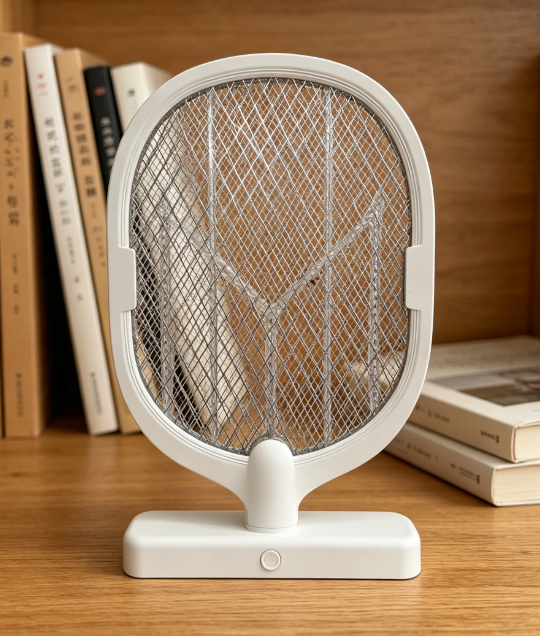
Warranty returns are the silent margin killer in the mosquito control category. A distributor who buys a swatter at $1.80 FOB and retails it at $9.90 can absorb a 1% return rate without noticing — but at 5%, the combined cost of replacement units, reverse logistics, and refund processing erases most of the line's profit.
Common mosquito swatter killer lamp failure modes wholesale spec guide

Digital bathroom scales rank as the second-highest-volume consumer weighing product category, only behind kitchen scales, with distinct market and product characteristics that set them apart from other scale types in importers’ product portfolios.
Digital bathroom body fat-bia-scale wholesale buyers guide