
The Role of Water in Granular Insecticide Efficacy
2025-09-28
Introduction: The Role of Water in Granular Insecticide Efficacy
Granular insecticides consist of solid particles coated or mixed with active ingredients (AIs) designed to kill or repel lawn pests (e.g., grubs, ants, chinch bugs). Unlike liquid insecticides, which are already dissolved, granular products require a trigger to release their AIs and reach target pests—water is that trigger. However, the timing and amount of water matter: too little, and the product won’t activate; too much, and it may wash away (leaching or runoff). Below is a breakdown of best practices, exceptions, and safety tips.
1. Why Watering After Application Is Usually Recommended
For most granular insecticides, watering your lawn after spreading the product is critical to achieving results. Here’s why:
A. Activates the Active Ingredient (AI)
Granular insecticides are formulated to release their AIs when exposed to moisture. Water dissolves the coating or binds to the 颗粒 (granules), allowing the AI to seep into the soil—where most lawn pests live (e.g., grubs feed on grass roots underground, ants nest in soil). Without water, the AI remains trapped in the granule, unable to reach pests.
Many granular products contain fillers or carriers (e.g., fertilizer blends, clay) that can dry out grass blades if left on the surface without water. Watering washes these particles off the grass and into the soil, reducing the risk of brown, scorched patches—especially in hot, sunny weather.
C. Improves Soil Penetration
Target pests like grubs or billbugs live 1–4 inches below the soil surface. Water helps the AI move downward through the thatch layer (dead grass and debris) and into the root zone, where pests are active. This is far more effective than relying on rain alone, which may be inconsistent or too light to penetrate deeply.
2. Key Exceptions: When Not to Water (or Wait)
While watering is standard, some granular insecticides have specific instructions that override this rule. Always check the product label first—labels are legally required to include application guidelines, and ignoring them can reduce efficacy or harm the environment. Common exceptions include:
A. "Dry Application Only" Products
A small number of granular insecticides (e.g., some fire ant baits) are designed to be picked up by foraging insects before they dissolve. Watering these products immediately would break down the bait, making it unappealing or ineffective. For example:
- Fire ant baits rely on worker ants carrying the granules back to the colony. If watered, the bait dissolves, and ants won’t collect it.
- Label instruction example: "Do not water for 24 hours after application. Allow bait to be foraged by pests."
B. Heavy Rain Imminent
If heavy rain (≥0.5 inches) is predicted within 1–2 hours of application, skip watering. Excess water can cause runoff (the AI washes into sidewalks, gutters, or nearby waterways) or leaching (the AI seeps too deep into the soil, beyond the pest zone). Both reduce efficacy and pose risks to aquatic life (e.g., fish, frogs) and groundwater.
C. Soil Saturation
If your lawn is already waterlogged (e.g., after recent heavy rain), adding more water can lead to runoff or root rot. Wait until the soil is slightly damp but not saturated before applying granular insecticide—and then water lightly (if the label allows).
3. Best Practices for Watering: Timing, Amount, and Safety
When watering is recommended, follow these steps to maximize efficacy and minimize risks:
A. Timing: Water Within 24 Hours (Ideally 1–4 Hours)
Apply the granular insecticide when the lawn is dry (to ensure even spreading), then water within 1–4 hours—this gives the product time to settle on the lawn without drying out, while ensuring the AI activates quickly. Avoid waiting longer than 24 hours, as wind or sunlight may break down the granules.
B. Amount: Light to Moderate Watering (0.25–0.5 Inches)
Water deeply enough to activate the AI but not so much that it runs off. Aim for 0.25–0.5 inches of water—this is roughly 10–20 minutes with a standard sprinkler system, or until the top 1–2 inches of soil feel moist (not soggy). To measure: Place a rain gauge or empty tuna can on the lawn while watering—stop when the water reaches 0.25–0.5 inches.
C. Safety: Avoid Runoff and Protect Non-Target Areas
- Keep water away from hardscapes (sidewalks, driveways) and storm drains—runoff carries AIs to waterways, harming wildlife.
- Do not water if the lawn slopes sharply (risk of runoff).
- Keep pets and children off the lawn until the product is fully watered in and the grass is dry (check the label for specific waiting times—usually 24–48 hours).
4. What If You Forget to Water?
If you apply granular insecticide and forget to water it within 24 hours:
- If the lawn is still dry: Water immediately with 0.25–0.5 inches of water. The product may be less effective (some AI may have degraded), but it’s better than no water.
- If it rained lightly (≤0.25 inches): Check the soil—if the top 1 inch is moist, no additional water is needed. If dry, water lightly.
- If it rained heavily (>0.5 inches): The product may have run off or leached. Monitor the lawn for pest activity—you may need to reapply (wait until the label’s "reapplication interval" has passed, usually 4–6 weeks).
Conclusion: Follow the Label—But Watering Is Usually Key
In most cases, yes, you should water your lawn after applying granular insecticide—it activates the product, protects your grass from burn, and ensures the AI reaches target pests. However, the product label is your ultimate guide: it will specify if watering is required, prohibited, or should be delayed.
By combining label instructions with light, timely watering, you’ll maximize pest control efficacy while minimizing risks to your lawn and the environment.
Key Points to Ensure Lead Content in Mosquito Swatter Solder Joints Meets Standards
A Complete Guide to Mosquito Prevention for National Day Travel
Related Article

If you’re struggling with annoying mosquitoes, flies, and other flying pests indoors and outdoors, upgrading from traditional manual tools to anElectric Mosquito Swatter is the most efficient solution. Many homeowners and renters search where to buy fly swatter online to find durable, safe, and high-performance electric models that deliver instant pest control.
Where to Buy Fly Swatter
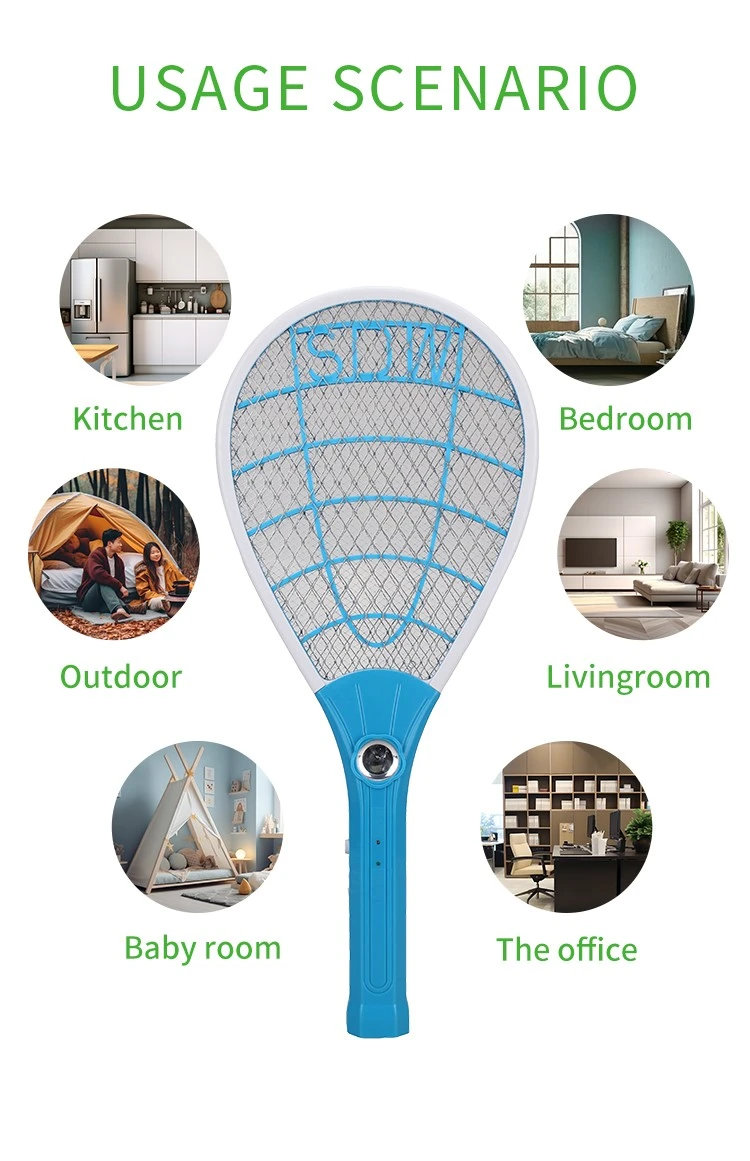
Most importers of electric mosquito swatters obsess over the first order: samples requested, factories vetted, a pre-shipment inspection booked. Then the reorder arrives eight months later and something is off. The grid feels softer. The charge port is a slightly different shade of black. The carton thickness dropped from 350 gsm to 300 gsm. Nothing is catastrophic — but the product no longer matches what your retail customers approved, and quietly, your return rate starts climbing.
How to Keep Mosquito Swatter Quality Consistent Across Repeat Orders
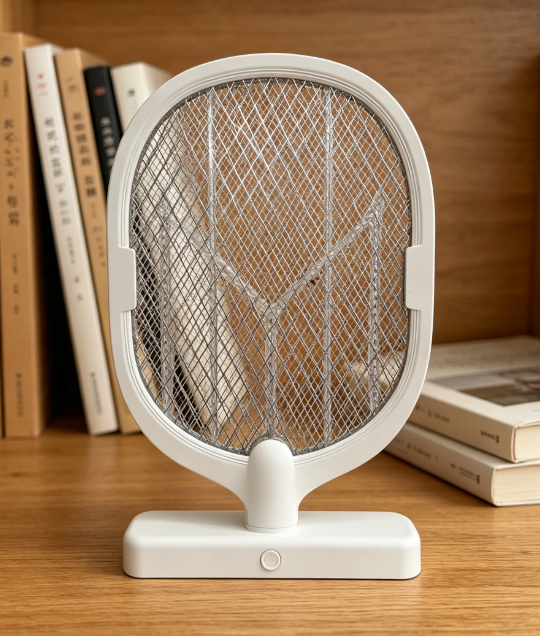
Warranty returns are the silent margin killer in the mosquito control category. A distributor who buys a swatter at $1.80 FOB and retails it at $9.90 can absorb a 1% return rate without noticing — but at 5%, the combined cost of replacement units, reverse logistics, and refund processing erases most of the line's profit.
Common mosquito swatter killer lamp failure modes wholesale spec guide

Digital bathroom scales rank as the second-highest-volume consumer weighing product category, only behind kitchen scales, with distinct market and product characteristics that set them apart from other scale types in importers’ product portfolios.
Digital bathroom body fat-bia-scale wholesale buyers guide