
These Household Insect Control Devices Are Super Useful Too
2025-12-04
Beyond Mosquito Traps: These Household Insect Control Devices Are Super Useful Too!
During humid seasons or summer and autumn, small insects at home are always a huge annoyance—mosquitoes buzzing in your ears, fruit flies swarming around fruit, cockroaches hiding in cabinet corners... Many people first think of using mosquito traps, but in fact, there are many "targeted tools" for household insect control that are more flexible and better suited to different pest scenarios than mosquito traps. Today, let’s take a look at some common and effective devices.
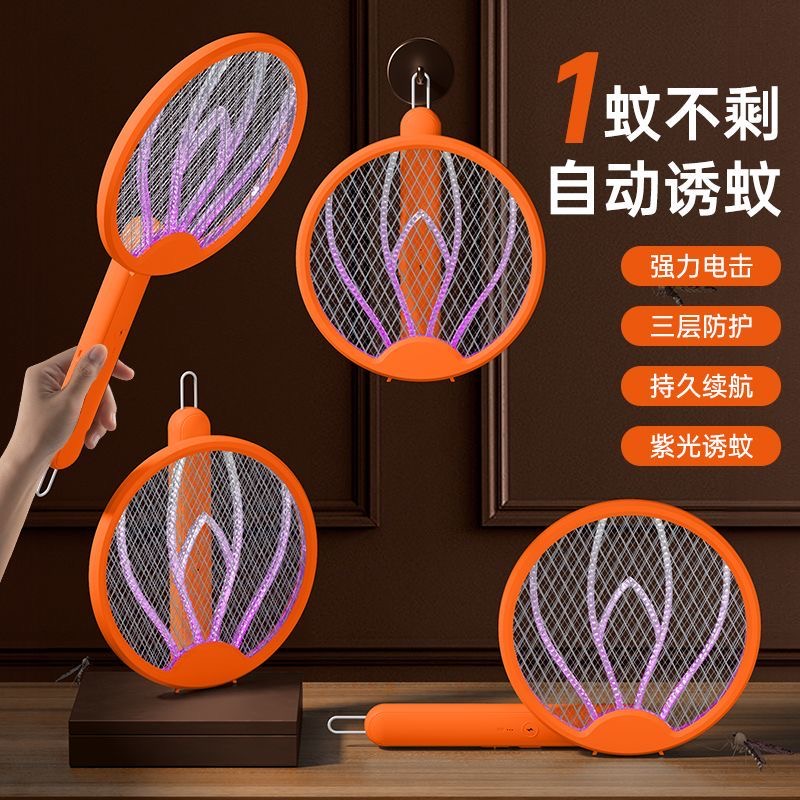
1. Electric Mosquito Swatter: The "Manual Tool" for Instant Mosquito Elimination
If a mosquito trap is about "waiting passively," an electric mosquito swatter is the epitome of "taking the initiative." Its core principle is simple: when the grid is powered on, it generates high voltage. When you wave the swatter and touch mosquitoes or small flying insects, the instantaneous electric shock kills them. Some models also come with LED lights, allowing you to accurately locate mosquitoes even after turning off the room lights.
Applicable Scenarios: Suitable for eliminating mosquitoes at close range indoors, such as in bedrooms or next to sofas in living rooms—especially effective against "straggler mosquitoes." It can also be used to kill small flying insects (like drain flies) in the kitchen, but be sure to keep it away from electrical appliances and water sources.
Advantages: It eliminates insects instantly—no need to wait for insects to "fall into the trap." Without chemical agents, it’s safe for families with the elderly, children, or pets. It’s also affordable (costing tens to over a hundred yuan, around \(5 to \)15).
Precautions: Do not touch the grid with your hands while in use (to avoid electric shock), and do not swing it near water or damp areas. When not in use, place it out of children’s reach at a high place. For rechargeable models, disconnect the power after fully charging.
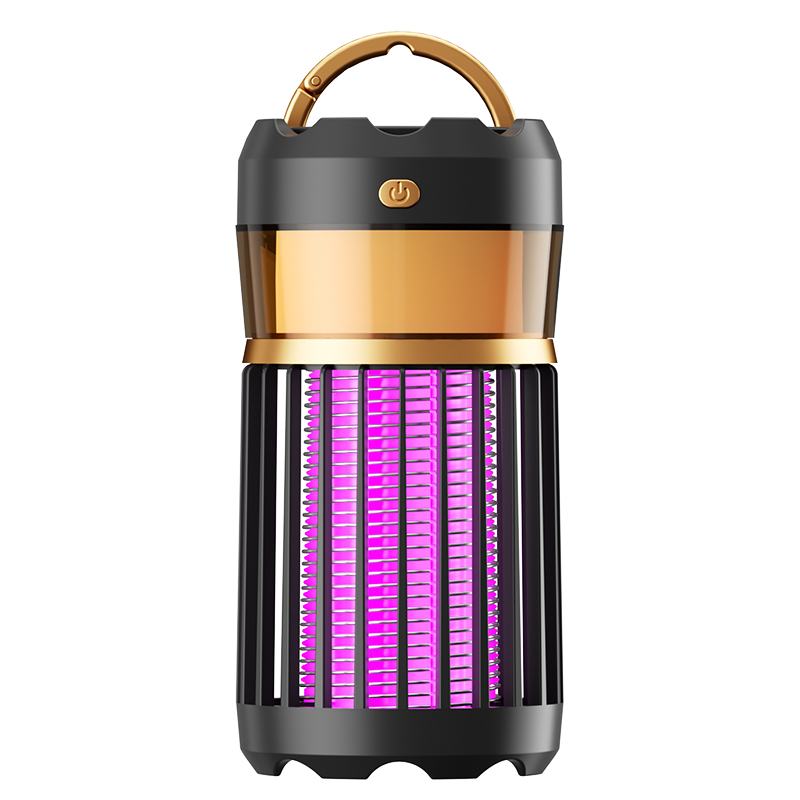
2. Sticky Insect Boards/Cockroach Houses: "Invisible Traps" for Silent Insect Elimination
Sticky insect boards and cockroach houses essentially rely on "physical adhesion." They use strong adhesive on their surfaces to trap insects, and some are even added with attractants (such as fruit-scented ones for fruit flies or baits for cockroaches) to lure insects to "take the bait." The difference between the two is that sticky insect boards are flat patches, while cockroach houses have a "house-like" structure, which reduces the risk of the adhesive sticking to furniture or pets.
Applicable Scenarios: Sticky insect boards are suitable for catching small flying insects, such as drain flies near kitchen sinks, fruit flies around fruit plates, and small moths on balconies—simply stick them on corners, windowsills, or the top of electrical appliances. Cockroach houses are specifically for cockroaches; place them in areas where cockroaches frequently appear, such as under cabinets, in refrigerator gaps, or in bathroom corners.
Advantages: They are completely odorless and noiseless, without polluting the environment. Trapped insects are clearly visible, and you only need to replace them regularly (usually discard them directly after they are full, no need to clean up the insect bodies). They are very user-friendly for people who are afraid of insects and don’t want to touch them.
Precautions: Do not stick sticky insect boards in places prone to wind (to prevent the adhesive from sticking to curtains or walls). Place cockroach houses in hidden spots out of the reach of children and pets to avoid accidental adhesion.
3. Ultrasonic Insect Repellent: The "Silent Guardian" for Long-Term Protection
This device relies on "physical interference"—when powered on, it emits high-frequency ultrasonic waves (inaudible to human ears and minimally impactful to pets). These waves disrupt the nervous systems and sensory systems of pests like cockroaches, mice, and mosquitoes, making them afraid to approach, thereby achieving the effect of "repelling rather than killing."
Applicable Scenarios: Suitable for large-area long-term protection, such as the entire space of living rooms, bedrooms, and kitchens—especially ideal for families who don’t want to use chemical agents or manually clean up insects. Some models can switch frequencies to target different pests (e.g., low frequencies for cockroaches and high frequencies for mosquitoes).
Advantages: It is silent, odorless, and requires no maintenance—just plug it in and use it. Once installed, it can work for several months. It does not harm humans or pets, making it a great choice for "passive protection."
Precautions: The effect varies from household to household (for example, if there are many gaps in the house, pests may hide in areas not covered by ultrasonic waves). It is recommended to use it together with regular cleaning. Do not buy cheap low-quality models, as their unstable frequencies may render them ineffective.
4. Cockroach Bait: The "Chain Killer" Specialized in Cockroaches
If you have cockroaches at home, sticky insect boards or repellents may not be enough—cockroach bait is the "targeted weapon." Its principle is: the bait contains food that attracts cockroaches and low-toxic insecticides. After eating the bait, cockroaches do not die immediately; instead, they carry the toxin back to their nests. When other cockroaches eat the body or excrement of the poisoned cockroach, they will be poisoned in a chain reaction, thus "wiping out" the entire cockroach nest.
Applicable Scenarios: Specifically designed to eliminate cockroaches, it is suitable for placement in areas where cockroaches frequently appear, such as cabinet gaps in the kitchen, under the refrigerator, near bathroom drains, and in wardrobe corners—especially for families with a large number of cockroaches.
Advantages: It eliminates cockroaches thoroughly (targeting the entire nest), uses a small amount of bait, has strong concealment, and does not require spraying pesticides, so it has little impact on the environment. A single application can last for 1-2 months.
Precautions: It must be placed out of the reach of children and pets (although the toxicity is low, accidental ingestion still poses risks). Do not mix it with other insecticides (which may make cockroaches avoid the bait). Do not clean it up immediately after placement; wait until the "chain elimination" of cockroaches is completed before tidying up.
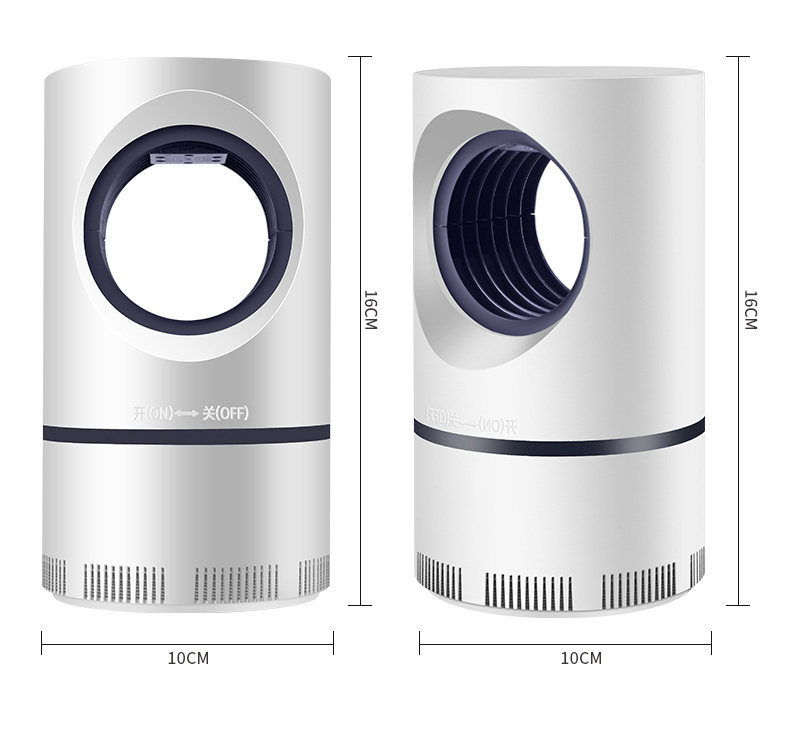
5. Mosquito Repellent Lotion/Spray: The "Portable Shield" for Mosquito Prevention
Although it is not an "insect-killing" device, it is crucial for "mosquito prevention." Its main ingredients are DEET (N,N-Diethyl-meta-toluamide), picaridin, or IR3535, which can mask the "attractive scent" of the human body, making it difficult for mosquitoes to locate their target, thereby reducing bites. It is divided into types for direct skin application and clothing spraying. Some also add plant ingredients (such as mint or mugwort) for a milder scent.
Applicable Scenarios: Suitable for outdoor use (such as walking or camping), and can also be sprayed on windowsills, curtains, or your body when opening windows for ventilation at home to prevent mosquitoes from flying in from outside.
Advantages: It is portable and takes effect immediately after use. A single bottle can last for a long time. Plant-based versions are more friendly to sensitive skin. It does not require electricity or cleaning, making it suitable for temporary mosquito prevention.
Precautions: Do not spray skin-friendly versions directly on wounds or around the eyes. Conduct an allergy test behind the ear before first use. For children, choose special children’s versions (with DEET concentration not exceeding 10%). Do not spray it together with sunscreen (as this may affect its effectiveness).
Finally: Choose the Right Device, and More Importantly, Do "Root Cause Prevention"
In fact, no insect control device is "all-purpose"—for example, electric mosquito swatters are suitable for instantly killing mosquitoes, sticky insect boards for catching small flying insects, and cockroach bait for eliminating cockroaches. It is best to use a combination based on the type of pests in your home. However, what’s more important is: while eliminating insects, keep your home dry and clean (such as taking out the trash in a timely manner, wiping up water in the sink, and sealing food). By reducing the "living space" of pests at the source, you can completely get rid of the trouble of pests when combined with the right devices!
Can Insecticide Sprays Really Poison You
Warehouse Mosquito Control Made Easy
Related Article

If you’re struggling with annoying mosquitoes, flies, and other flying pests indoors and outdoors, upgrading from traditional manual tools to anElectric Mosquito Swatter is the most efficient solution. Many homeowners and renters search where to buy fly swatter online to find durable, safe, and high-performance electric models that deliver instant pest control.
Where to Buy Fly Swatter

Most importers of electric mosquito swatters obsess over the first order: samples requested, factories vetted, a pre-shipment inspection booked. Then the reorder arrives eight months later and something is off. The grid feels softer. The charge port is a slightly different shade of black. The carton thickness dropped from 350 gsm to 300 gsm. Nothing is catastrophic — but the product no longer matches what your retail customers approved, and quietly, your return rate starts climbing.
How to Keep Mosquito Swatter Quality Consistent Across Repeat Orders

Warranty returns are the silent margin killer in the mosquito control category. A distributor who buys a swatter at $1.80 FOB and retails it at $9.90 can absorb a 1% return rate without noticing — but at 5%, the combined cost of replacement units, reverse logistics, and refund processing erases most of the line's profit.
Common mosquito swatter killer lamp failure modes wholesale spec guide

Digital bathroom scales rank as the second-highest-volume consumer weighing product category, only behind kitchen scales, with distinct market and product characteristics that set them apart from other scale types in importers’ product portfolios.
Digital bathroom body fat-bia-scale wholesale buyers guide