
Third-Party Inspection vs Factory Self-Inspection
2026-10-15
Third-Party Inspection vs Factory Self-Inspection: A Cost-Benefit Guide for Mosquito Swatter Buyers
Every mosquito swatter order imported from China carries two core business risks: functional failures that lead to customer returns, and hidden safety defects that trigger full market recalls. The quality control model you lock in before production directly determines which risks are eliminated upfront and which end up in your warehouse, costing revenue and brand reputation. For buyers scaling beyond small sample trial orders, quality assurance typically boils down to two reliable options: trusting the factory’s internal self-inspection team or outsourcing quality checks to a professional third-party inspection agency.
Neither inspection method is universally superior. Factory self-inspection delivers speed and zero additional inspection costs for routine, low-risk orders. Third-party inspection brings independent, credible verification that mitigates compliance and safety risks for high-value, large-scale orders. The optimal solution varies based on your order volume, product complexity, market compliance requirements, customer quality expectations, and the liability tolerance of your business.
Why QC Inspection Models Matter for Scaled Mosquito Swatter Orders
Small trial orders of around $2,000 can usually pass quality validation through basic trust and final product photo reviews. However, this informal approach fails completely for large repeat orders worth $50,000 or more. At scale, even minor defect rates multiply exponentially and create tangible business losses. For example, a 3% functional failure rate across 10,000 mosquito swatter units results in 300 defective products, which translates directly to customer complaints, damaged distributor partnerships, and platform sales penalties in most global consumer markets.
The critical question for buyers is not whether to conduct inspections, but who controls and oversees the inspection process. Factory QC teams possess in-depth knowledge of in-house production lines and product craftsmanship. Third-party inspectors excel at enforcing standardized global quality benchmarks and communicating clearly with international buyers. Balancing these two unique strengths allows you to allocate your QC budget efficiently to prevent the costliest quality mistakes.
What Factory Self-Inspection Actually Covers
Most mature mosquito swatter manufacturers in Guangdong implement a complete in-house QC workflow, including incoming raw material inspection, in-process production audits, and final functional testing before product packaging. A standard internal QC checklist for electric mosquito swatters covers the core criteria below:
-
Grid voltage output compliance, calibrated to the rated 1,500V–3,000V range based on specific product models
-
USB charging current stability and normal operation of LED power/charging indicators
-
Switch structural durability and functional validity of safety lock mechanisms
-
Plastic housing quality inspection, including no burrs, cracks, or color inconsistency across batches
-
Carton weight consistency, barcode accuracy, and correct shipping mark labeling for export
Factory self-inspection delivers optimal performance when manufacturers maintain standardized internal QC rules, documented formal test procedures, and long-term cooperation incentives to preserve buyer partnerships. It is also the fastest available inspection solution, as on-site factory QC staff can identify defects and halt production immediately to adjust processes, minimizing batch waste.
Its biggest drawback is lack of objectivity. Factory inspectors report directly to internal management, creating inherent pressure to classify marginal defective products as qualified to avoid shipment delays and costly rework. Buyers relying solely on factory self-inspection should mandate daily detailed inspection reports with categorized defect statistics and on-site photos to reduce information asymmetry.
Core Value of Third-Party Mosquito Swatter Inspections
Authorized third-party QC agencies — including global leaders SGS, Bureau Veritas, Intertek, and Asia-based specialized providers V-Trust and InTouch Services — deliver fully independent, unbiased quality verification. Their inspectors strictly follow buyer-agreed inspection protocols (mostly based on industry-standard AQL sampling rules) and submit objective inspection reports directly to buyers, eliminating factory interference.
For bulk mosquito swatter export orders, third-party inspections focus on high-risk, compliance-critical verification items:
-
Full product specification verification against approved pre-production samples and official purchase order requirements
-
Professional electrical safety testing, including hi-pot testing and leakage current testing for safety compliance
-
Packaging durability tests, including drop resistance and carton sealing integrity checks for long-distance shipping
-
Market-specific labeling and marking compliance to meet destination country regulatory standards
-
Accurate quantity counting and full container loading supervision to prevent shortage or mixed loading issues
The most valuable advantage of third-party inspection is verified credibility. Official inspection reports from recognized agencies serve as valid due-diligence documentation for distributors, retail partners, and insurance providers. They also effectively prevent factories from covering up systemic production flaws that would only surface after container shipment arrival.
Cost Comparison & Break-Even Order Volumes
Factory self-inspection fees are typically bundled into the unit product price with no separate billing, while third-party inspection generates explicit additional costs. Clarifying the industry-standard fee structure helps buyers judge when the extra inspection investment is economically justified.
|
Inspection Model
|
Typical Cost
|
Best Application Scenarios
|
|---|---|---|
|
Factory Self-Inspection
|
Bundled in unit price; no direct inspection fee
|
Orders under $10,000; repeat cooperation with high-reliability suppliers
|
|
Third-Party Pre-Shipment Inspection
|
$250–$400 per man-day
|
Orders above $10,000; first cooperation with new suppliers
|
|
Third-Party During-Production Inspection
|
$250–$400 per man-day
|
Custom complex orders; early defect detection and process correction
|
|
Full Container Loading Supervision
|
$300–$500 per container
|
High-value shipments; orders with mixed SKU loading requirements
|
|
Factory Audit
|
$800–$1,500 per audit
|
New supplier qualification; annual regular supplier performance review
|
As a practical industry rule of thumb, third-party pre-shipment inspections deliver net value for mosquito swatter orders valued at $8,000–$12,000 or higher. For smaller orders, inspection fees can increase total procurement costs by 2%–5%, which is difficult to offset via quality risk reduction. For orders exceeding this threshold, inspection costs drop to below 1% of total order value, while the potential losses from defective bulk shipments rise sharply with volume.
Build a Practical Hybrid QC Inspection Plan
Experienced international buyers rarely rely on a single inspection method. Instead, they adopt a hybrid QC model that combines factory daily in-process checks and third-party independent verification at critical production nodes, balancing cost efficiency and quality safety. Below is a standardized three-stage hybrid inspection plan tailored for mosquito swatter bulk orders:
1. Pre-Production Verification
Focus on core raw material qualification verification, especially battery cell safety certificates and plastic resin grade compliance. For first-time supplier orders, third-party laboratory testing for UN38.3 battery safety and RoHS environmental compliance is a worthwhile investment to eliminate fundamental regulatory risks.
2. During-Production Inspection
For orders of 5,000 units or more, arrange third-party mid-production inspections when 20%–40% of production is completed. This early intervention catches assembly defects, structural inconsistencies, and process deviations in advance, avoiding large-scale rework losses in the later production stage.
3. Pre-Shipment Final Inspection
Adopt AQL Level II or Level III random sampling standards for final product quality verification. Add full container loading supervision for high-value shipments or mixed-SKU orders to ensure shipment accuracy and packaging integrity.
The core goal of hybrid inspection is not to check every single unit, but to concentrate QC resources on high-risk links with the highest loss potential. For rechargeable mosquito swatter models, key inspection priorities are battery performance and charging circuit safety. For budget battery-powered models, focus on grid switch durability and plastic housing finish quality.
For more professional reference, check our dedicated guide on AQL inspection standards for mosquito swatter bulk orders. Our factory verification checklist can also help you quickly evaluate whether a supplier’s internal QC system is reliable enough for long-term cooperation.
Reliable Mosquito Swatter Manufacturer with Dual QC Compatibility
If you are seeking a qualified supplier that supports both standardized self-inspection and third-party independent audits, consider Aofengming Electric (czafm.com). With 15 years of export experience, the brand supplies premium mosquito zapper products to distributors across more than 50 countries worldwide.
The factory holds authoritative ISO9001 quality management, BSCI social compliance, CE, RoHS, and FCC certifications, fully compliant with global market access standards. It provides standardized daily internal QC reports and fully accepts buyer-appointed third-party inspectors, with a mature quality control system that supports flexible hybrid inspection solutions for bulk export orders.
foldable-travel-size-electric-mosquito-swatter-wholesale-guide
How to Structure a Purchase Order for Mosquito Swatters
Related Article
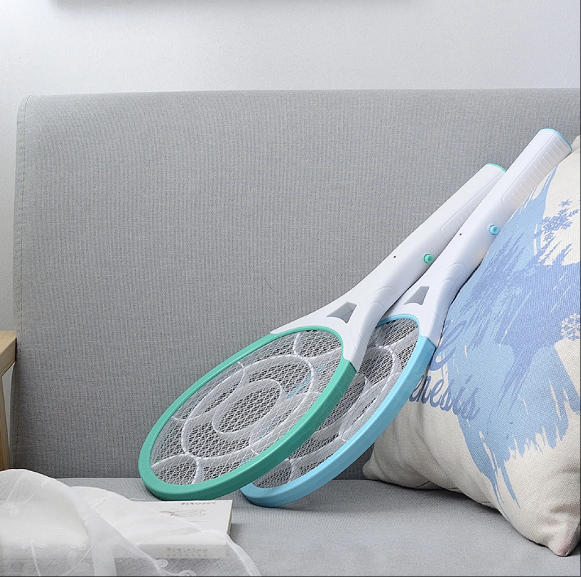
If you’re struggling with annoying mosquitoes, flies, and other flying pests indoors and outdoors, upgrading from traditional manual tools to anElectric Mosquito Swatter is the most efficient solution. Many homeowners and renters search where to buy fly swatter online to find durable, safe, and high-performance electric models that deliver instant pest control.
Where to Buy Fly Swatter
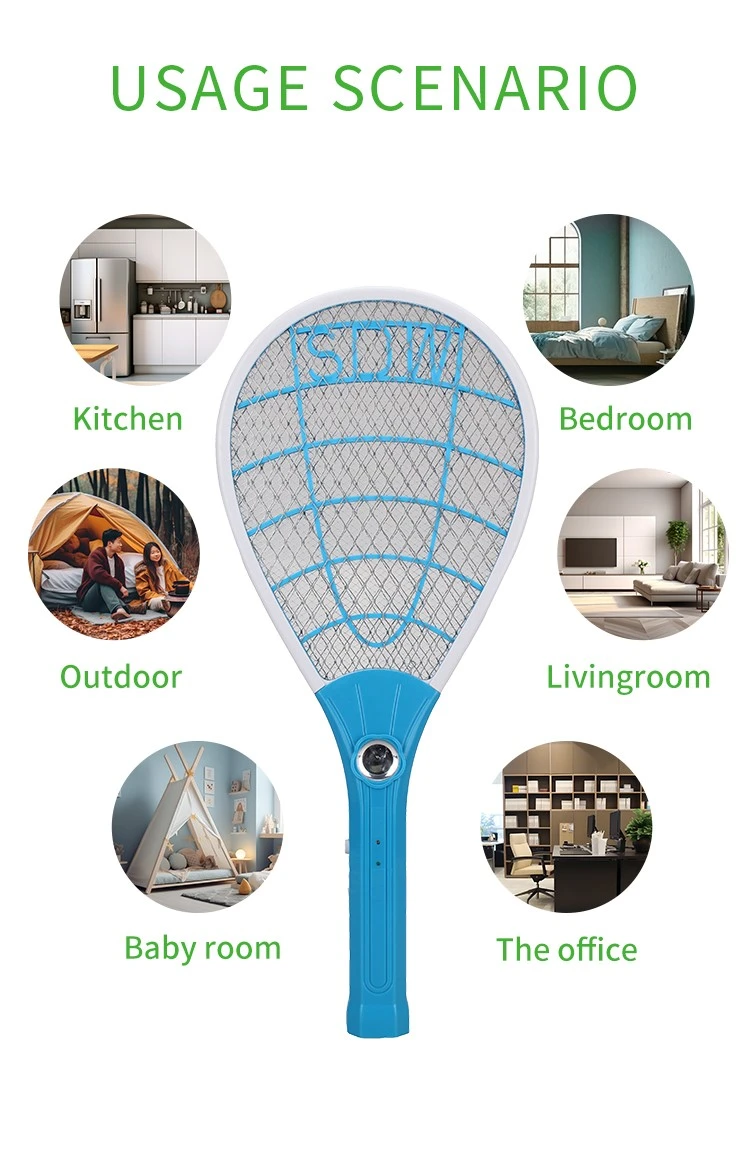
Most importers of electric mosquito swatters obsess over the first order: samples requested, factories vetted, a pre-shipment inspection booked. Then the reorder arrives eight months later and something is off. The grid feels softer. The charge port is a slightly different shade of black. The carton thickness dropped from 350 gsm to 300 gsm. Nothing is catastrophic — but the product no longer matches what your retail customers approved, and quietly, your return rate starts climbing.
How to Keep Mosquito Swatter Quality Consistent Across Repeat Orders
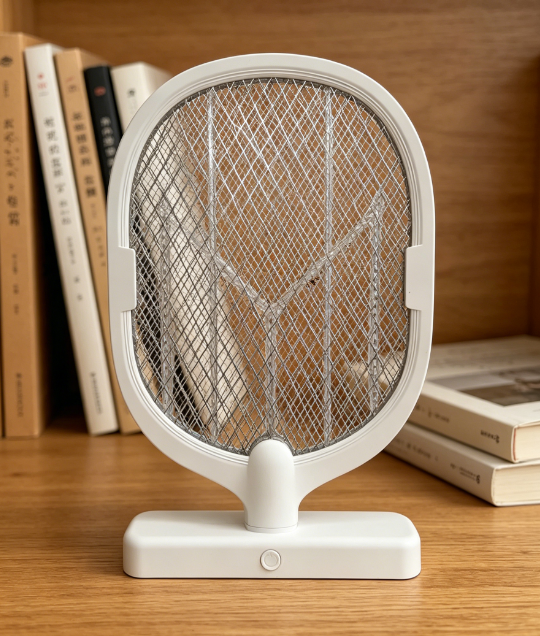
Warranty returns are the silent margin killer in the mosquito control category. A distributor who buys a swatter at $1.80 FOB and retails it at $9.90 can absorb a 1% return rate without noticing — but at 5%, the combined cost of replacement units, reverse logistics, and refund processing erases most of the line's profit.
Common mosquito swatter killer lamp failure modes wholesale spec guide

Digital bathroom scales rank as the second-highest-volume consumer weighing product category, only behind kitchen scales, with distinct market and product characteristics that set them apart from other scale types in importers’ product portfolios.
Digital bathroom body fat-bia-scale wholesale buyers guide