
This Tiny Insect Kills More Than Sharks
2025-10-24
Unveiling the World's Most Dangerous Mosquito: The Number One Killer
When we think of deadly creatures, sharks, snakes, or lions often come to mind. But surprisingly, the most lethal animal on Earth isn’t a fearsome predator—it’s a tiny insect: the mosquito. And among the thousands of mosquito species worldwide, one stands out as the "number one killer mosquito": the Aedes aegypti, commonly known as the yellow fever mosquito.
What Makes Aedes aegypti the Top Killer?
Unlike many other mosquitoes that primarily bite at dawn or dusk, Aedes aegypti is a daytime biter, making it harder to avoid. Its preference for human blood, combined with its ability to carry and transmit life-threatening viruses, cements its status as the deadliest mosquito species.
This mosquito is a vector (carrier) for some of the world’s most devastating diseases, including:
- Dengue fever: Affecting over 100 million people annually, dengue causes severe fever, joint pain, and in severe cases, dengue hemorrhagic fever—a condition that can lead to organ failure and death, especially in children.
- Zika virus: Linked to microcephaly (a birth defect causing small heads and brain damage) in babies born to infected mothers, Zika also causes mild symptoms like rash and fever in adults, but its long-term impacts on public health are profound.
- Yellow fever: A viral disease that leads to jaundice (yellowing of the skin and eyes), liver failure, and bleeding. While a vaccine exists, yellow fever still kills tens of thousands of people each year, mostly in sub-Saharan Africa and South America.
- Chikungunya: Characterized by intense joint pain (often lasting months), fever, and fatigue, chikungunya doesn’t usually cause death but can leave victims with long-term disability, disrupting their quality of life.
What makes Aedes aegypti even more dangerous is its adaptability. It thrives in urban environments, breeding in small, stagnant water sources like flower pots, discarded plastic bottles, tires, and even puddles. This means it can easily live alongside humans in cities, increasing the risk of disease outbreaks in densely populated areas.
How to Protect Yourself from Aedes aegypti
Since there’s no cure for most of the diseases spread by Aedes aegypti, prevention is key. Here are simple steps you can take to reduce your risk:
- Eliminate breeding sites: Regularly empty, clean, or cover containers that hold water (like buckets, vases, or birdbaths). Even a small amount of water can be a breeding ground for mosquito larvae.
- Use mosquito repellent: Apply EPA-approved repellents (containing DEET, picaridin, or oil of lemon eucalyptus) to exposed skin and clothing when spending time outdoors, especially during the day.
- Wear protective clothing: Cover your arms and legs with long-sleeved shirts and pants, and use mosquito nets over beds if you live in or travel to high-risk areas.
- Support community efforts: Participate in local mosquito control programs, such as fogging or larvicide treatments, to reduce the overall mosquito population in your area.
Why We Need to Take Action Against Aedes aegypti
The threat of Aedes aegypti is only growing. Climate change is expanding its range—warmer temperatures allow the mosquito to survive and reproduce in regions where it was once too cold, like parts of Europe and North America. This means more people around the world are now at risk of diseases like dengue and Zika.
By understanding that Aedes aegypti is the number one killer mosquito, we can take proactive steps to protect ourselves, our families, and our communities. Small actions, like removing stagnant water or using repellent, can go a long way in preventing deadly outbreaks.
In the end, the fight against this tiny but deadly insect isn’t just about avoiding mosquito bites—it’s about safeguarding public health and building more resilient communities in the face of a growing global threat.
Understanding CE Certification
Do Your Own Pest Control
Related Article

If you’re struggling with annoying mosquitoes, flies, and other flying pests indoors and outdoors, upgrading from traditional manual tools to anElectric Mosquito Swatter is the most efficient solution. Many homeowners and renters search where to buy fly swatter online to find durable, safe, and high-performance electric models that deliver instant pest control.
Where to Buy Fly Swatter
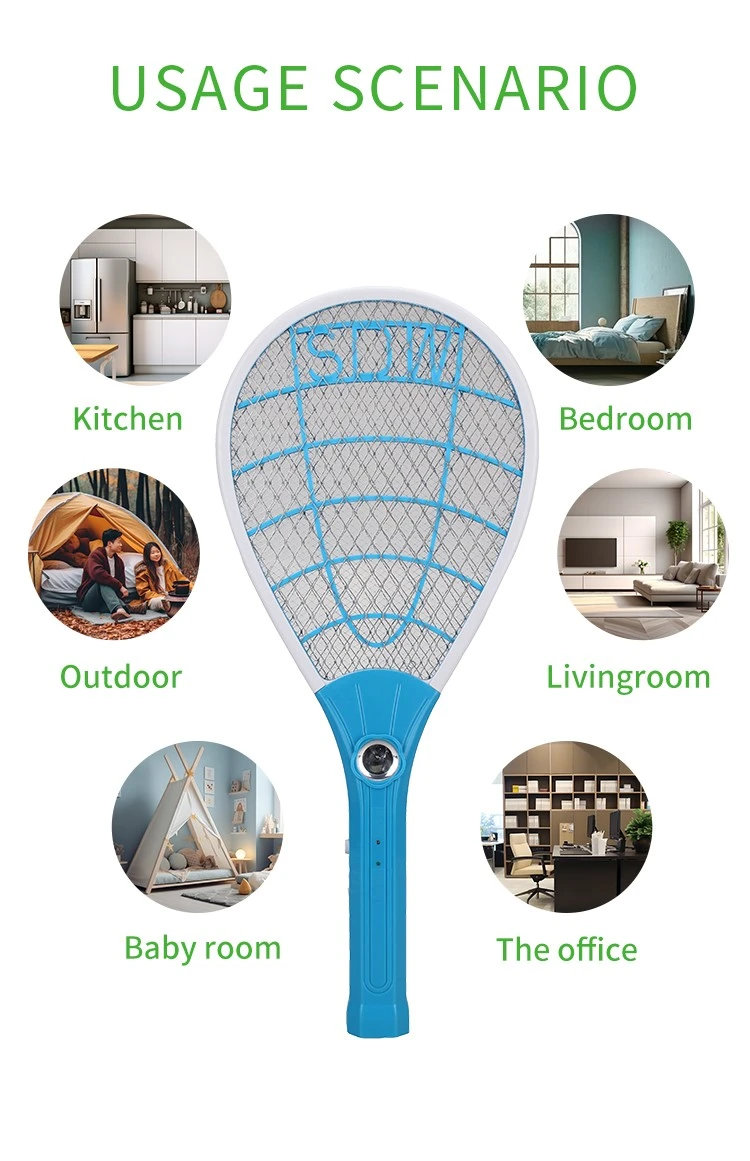
Most importers of electric mosquito swatters obsess over the first order: samples requested, factories vetted, a pre-shipment inspection booked. Then the reorder arrives eight months later and something is off. The grid feels softer. The charge port is a slightly different shade of black. The carton thickness dropped from 350 gsm to 300 gsm. Nothing is catastrophic — but the product no longer matches what your retail customers approved, and quietly, your return rate starts climbing.
How to Keep Mosquito Swatter Quality Consistent Across Repeat Orders
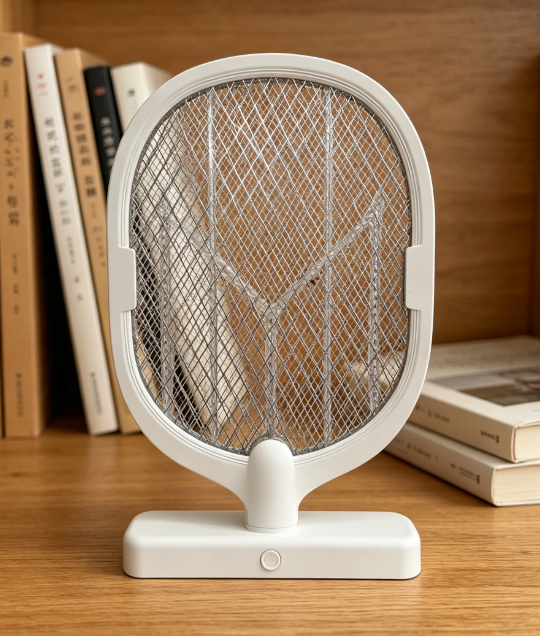
Warranty returns are the silent margin killer in the mosquito control category. A distributor who buys a swatter at $1.80 FOB and retails it at $9.90 can absorb a 1% return rate without noticing — but at 5%, the combined cost of replacement units, reverse logistics, and refund processing erases most of the line's profit.
Common mosquito swatter killer lamp failure modes wholesale spec guide

Digital bathroom scales rank as the second-highest-volume consumer weighing product category, only behind kitchen scales, with distinct market and product characteristics that set them apart from other scale types in importers’ product portfolios.
Digital bathroom body fat-bia-scale wholesale buyers guide