
How to Control Mosquitoes in the Kitchen
2026-05-14
How to Control Mosquitoes in the Kitchen
Mosquitoes in the kitchen are not only annoying but also pose health risks, as they can carry diseases and contaminate food. The kitchen is particularly prone to mosquito infestations because it provides two key necessities for mosquitoes: water (for breeding) and shelter. Controlling mosquitoes in the kitchen requires a combination of prevention, elimination of breeding sites, and targeted control methods. Below is a step-by-step guide to effectively keep mosquitoes away from your kitchen.
1. Eliminate Breeding Sites (The Most Critical Step)
Mosquitoes lay their eggs in standing water, and even a small amount of stagnant water can hatch hundreds of larvae. The kitchen, with its frequent use of water, is full of potential breeding spots—you must check and clear these regularly.
-
Fix water leaks immediately: Check under the sink, around faucets, and behind appliances (such as refrigerators, dishwashers, and washing machines) for any water leaks. Even a slow drip can create a stagnant pool over time. Replace worn-out gaskets, fix loose pipes, and wipe up any standing water promptly.
-
Empty and clean water-containing containers: Regularly empty and clean containers that hold water, such as dish racks, pet water bowls, plant saucers, and water jugs. For pet bowls, change the water daily; for plant saucers, empty excess water after watering (or use a saucer with drainage holes to prevent pooling).
-
Manage kitchen drains: Mosquitoes can breed in clogged drains, where water accumulates and organic matter builds up. Pour boiling water down drains once a week to flush out debris and kill any larvae. You can also use a drain cleaner (preferably eco-friendly) to unclog drains and prevent stagnation.
-
Store water properly: If you store water in the kitchen (e.g., for drinking or cooking), use airtight containers with tight-fitting lids. Avoid leaving water in open bowls or buckets, even for a short period.
2. Prevent Mosquitoes from Entering the Kitchen
After eliminating breeding sites, the next step is to stop mosquitoes from entering your kitchen from the outside. This involves sealing entry points and using physical barriers.
-
Seal gaps and cracks: Check windows, doors, and walls for any gaps or cracks that mosquitoes can use to enter. Use caulk to seal gaps around windowsills, door frames, and pipes (e.g., those under the sink). Install weatherstripping on door bottoms to prevent mosquitoes from slipping through.
-
Use window screens: Ensure that all kitchen windows have intact screens with no holes or tears. If screens are damaged, repair them or replace them immediately. Keep windows closed during peak mosquito activity (dawn and dusk) to further reduce entry.
-
Keep doors closed: Avoid leaving kitchen doors open for extended periods, especially during times when mosquitoes are most active. If you need ventilation, use a screen door or a fan to create airflow that deters mosquitoes.
3. Targeted Mosquito Control Methods
If mosquitoes are already present in the kitchen, use safe and effective methods to eliminate them without contaminating food or surfaces.
-
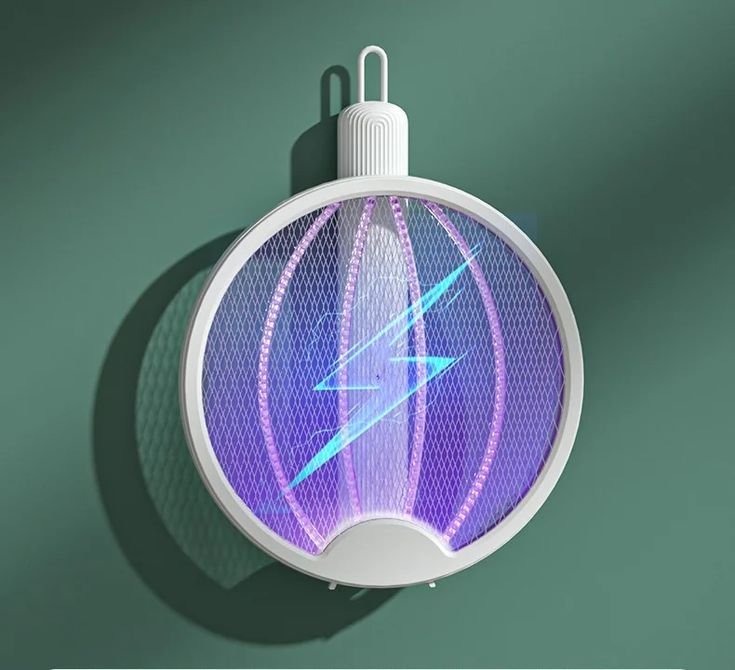
Physical removal: Use a fly swatter or an electric mosquito swatter to kill adult mosquitoes. For hard-to-reach areas (e.g., under cabinets or behind appliances), use a vacuum cleaner to suck up mosquitoes and their larvae (empty the vacuum bag immediately after to prevent escape).
-
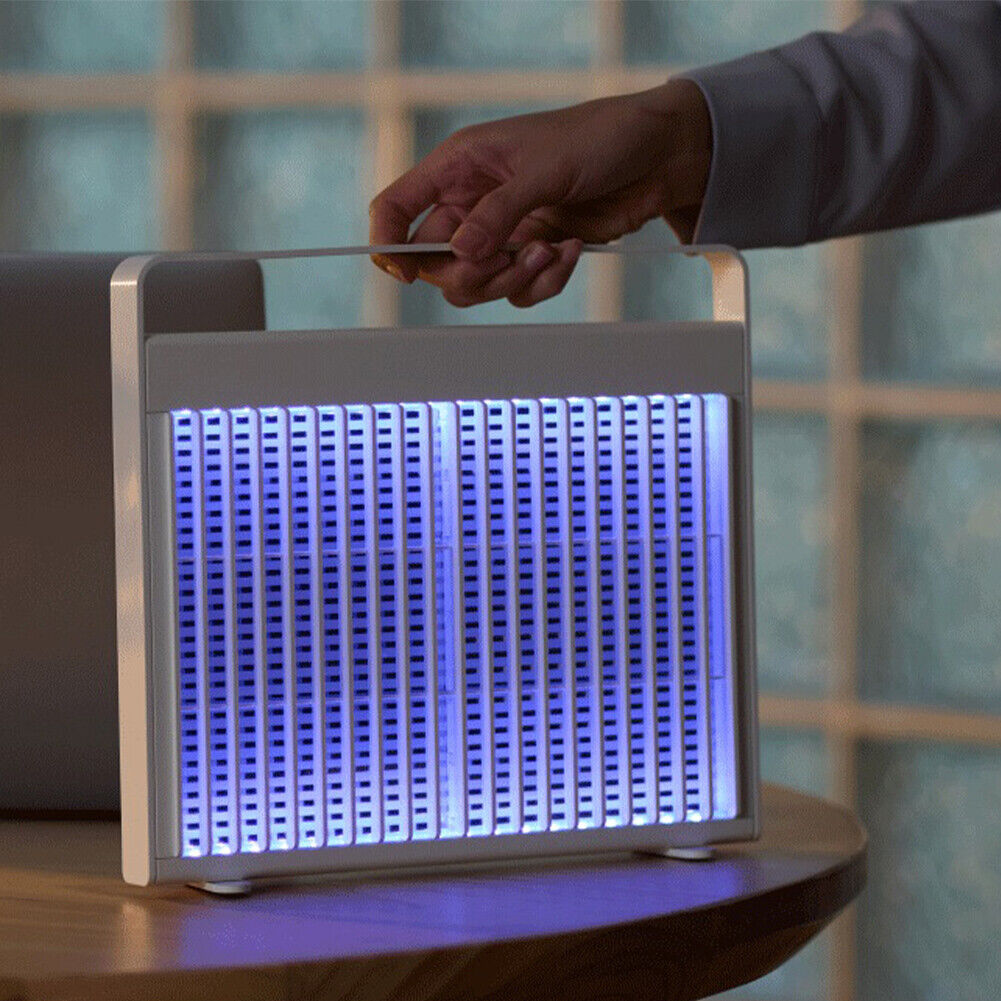
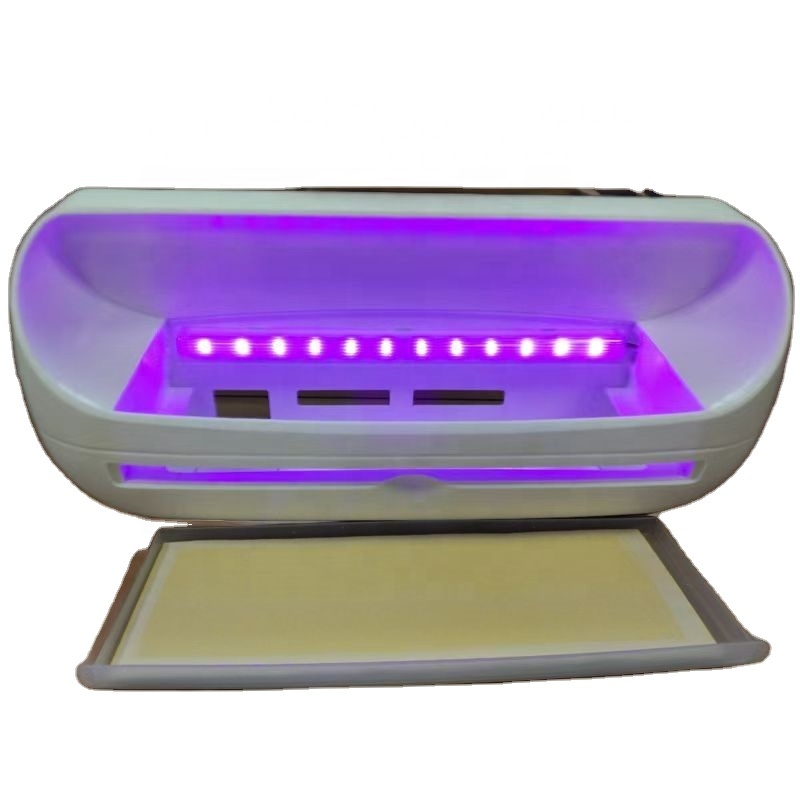
Eco-friendly traps: Use mosquito traps that are safe for indoor use, such as sticky traps or LED light traps. These traps attract mosquitoes with light or pheromones and capture them without using harmful chemicals. Place traps near windows or areas where mosquitoes are frequently seen, but keep them away from food preparation areas.
-
Natural repellents: Use natural repellents to keep mosquitoes away from your kitchen. Essential oils such as citronella, lemon eucalyptus, and peppermint are effective mosquito repellents. You can add a few drops of these oils to a diffuser, or mix them with water in a spray bottle and mist around windows, doors, and other entry points. Note: Avoid spraying directly on food or food-contact surfaces.
-
Chemical sprays (use with caution): If the infestation is severe, you may need to use a mosquito spray labeled for indoor use. Choose a spray that is safe for kitchens and follow the instructions carefully. Spray only in areas where food is not prepared or stored (e.g., under cabinets, behind appliances) and ventilate the kitchen thoroughly after spraying. Never spray directly on food, dishes, or cooking surfaces.
4. Maintain a Clean Kitchen
A clean kitchen is less attractive to mosquitoes, as it reduces food sources and hiding spots. Incorporate these habits into your daily routine:
-
Wipe up food and liquid spills immediately: Mosquitoes are attracted to food residues and sweet liquids. Wipe down countertops, tables, and floors with soap and water after meals to remove crumbs and spills.
-
Dispose of garbage regularly: Keep garbage in a sealed bin and empty it daily. Food waste in garbage cans can attract mosquitoes, especially if it is moist.
-
Clean kitchen appliances regularly: Clean the inside and outside of appliances such as refrigerators, ovens, and microwaves to remove food residues. Pay special attention to areas where crumbs or moisture can accumulate (e.g., the bottom of the refrigerator or the door seals).
-
Keep kitchen clutter to a minimum: Mosquitoes hide in dark, cluttered areas. Keep countertops clear of unnecessary items and organize cabinets to reduce hiding spots.
5. Additional Tips for Long-Term Control
-
Check outdoor areas near the kitchen (e.g., patio, garden, or garbage bins) for breeding sites, as mosquitoes can fly from outdoor areas into the kitchen. Empty stagnant water in outdoor containers, such as flower pots, buckets, or birdbaths.
-
Use fans in the kitchen to create airflow—mosquitoes are weak fliers and cannot easily fly against strong winds. A ceiling fan or a table fan near windows can help deter mosquitoes from entering.
-
If you have houseplants in the kitchen, avoid overwatering them, as excess water in the soil can become a breeding site. Use well-draining soil and empty saucers regularly.
By following these steps, you can effectively control mosquitoes in your kitchen, creating a clean, safe, and comfortable environment for cooking and eating. Remember that consistency is key—regularly checking for breeding sites and maintaining cleanliness will help prevent mosquito infestations in the long run.
How to Clean Your Electric Mosquito Swatter
What Is a USB-C Charger
Related Article

If you’re struggling with annoying mosquitoes, flies, and other flying pests indoors and outdoors, upgrading from traditional manual tools to anElectric Mosquito Swatter is the most efficient solution. Many homeowners and renters search where to buy fly swatter online to find durable, safe, and high-performance electric models that deliver instant pest control.
Where to Buy Fly Swatter
Most importers of electric mosquito swatters obsess over the first order: samples requested, factories vetted, a pre-shipment inspection booked. Then the reorder arrives eight months later and something is off. The grid feels softer. The charge port is a slightly different shade of black. The carton thickness dropped from 350 gsm to 300 gsm. Nothing is catastrophic — but the product no longer matches what your retail customers approved, and quietly, your return rate starts climbing.
How to Keep Mosquito Swatter Quality Consistent Across Repeat Orders
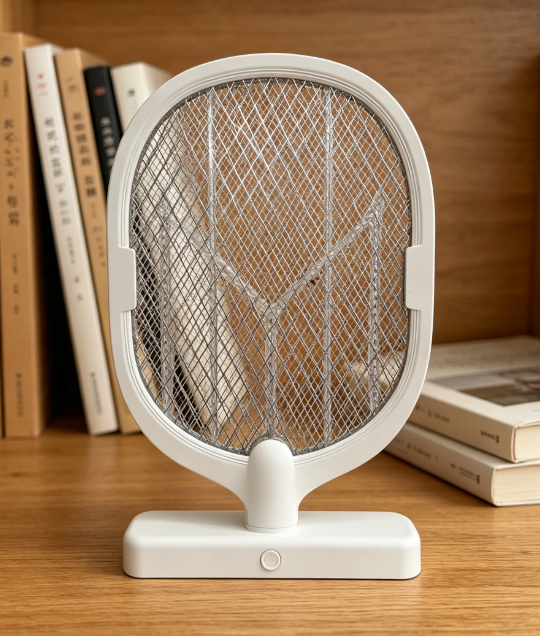
Warranty returns are the silent margin killer in the mosquito control category. A distributor who buys a swatter at $1.80 FOB and retails it at $9.90 can absorb a 1% return rate without noticing — but at 5%, the combined cost of replacement units, reverse logistics, and refund processing erases most of the line's profit.
Common mosquito swatter killer lamp failure modes wholesale spec guide

Digital bathroom scales rank as the second-highest-volume consumer weighing product category, only behind kitchen scales, with distinct market and product characteristics that set them apart from other scale types in importers’ product portfolios.
Digital bathroom body fat-bia-scale wholesale buyers guide