
Truth About Cheap Mosquito Swatters
2025-11-09
Is the Lower the Price of Electric Mosquito Swatters, the Higher the Cost-Effectiveness? Manufacturer Reveals the "Invisible Traps" Behind Low Prices
Every time the mosquito-active season comes, electric mosquito swatters become a "must-have tool" for many families. Walking into offline supermarkets or opening online shopping pages, a wide variety of electric mosquito swatters are dazzling, with prices ranging from a dozen yuan to several dozen yuan. Many consumers subconsciously think, "An electric mosquito swatter is just a simple mosquito-killing tool. As long as it can kill mosquitoes, the cheaper the better." But is this really the case? As a manufacturer deeply engaged in the electric mosquito swatter production industry for many years, today I want to tear off the "disguise" of low-cost electric mosquito swatters and let everyone see the truth behind cost-effectiveness.
Many people have a misunderstanding about "cost-effectiveness," believing that "low price = high cost-effectiveness," but they ignore that the core of cost-effectiveness is the "balance between performance and price" — if a product has a low price but breaks down soon after use, it will actually cause greater waste. Take electric mosquito swatters as an example; there are many "cost-cutting operations" behind low prices, and these operations often directly affect the service life and user experience of the product. Next, we will break down these "invisible cost cuts" one by one for everyone.
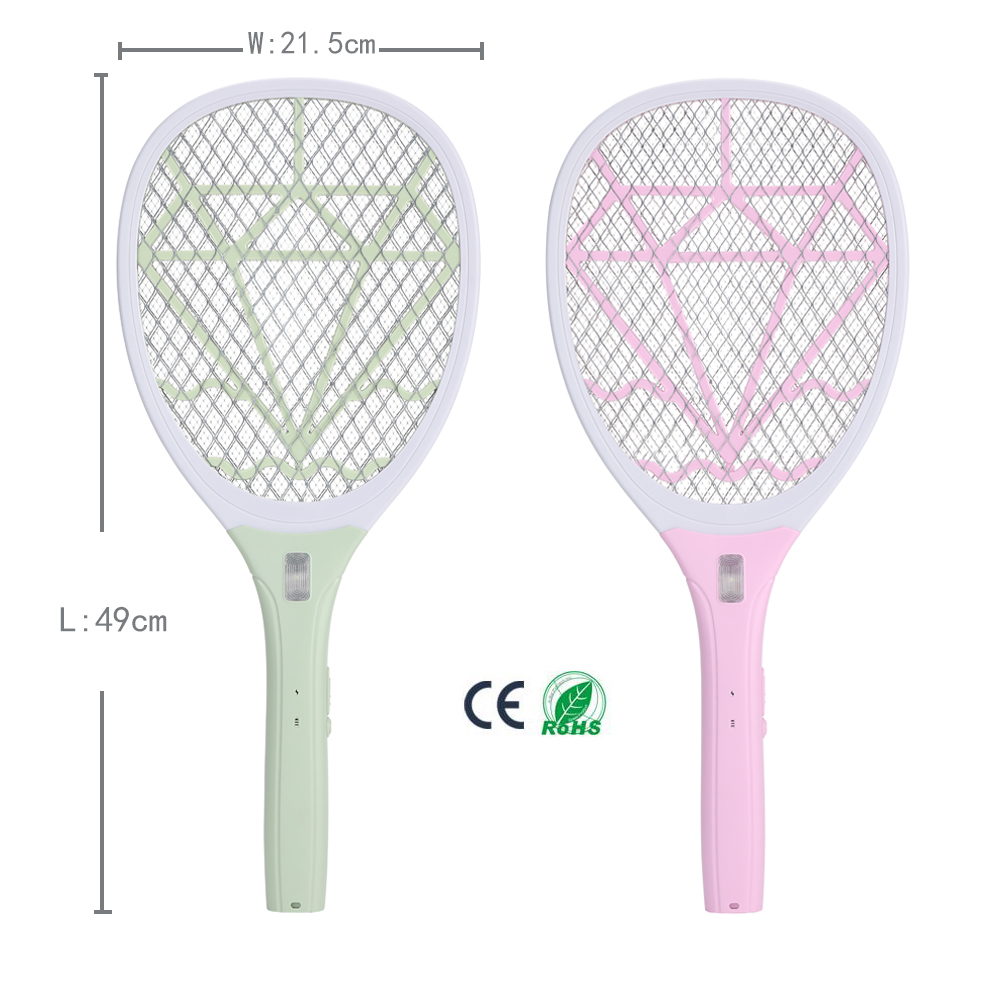
When formal manufacturers produce electric mosquito swatters, they use high-strength ABS plastic for the mesh surface. This material not only has good insulation but also can withstand a certain degree of impact. Even if it is accidentally dropped on the ground, it is not easy to crack or break. However, in order to reduce costs, low-cost electric mosquito swatters replace the mesh material with inferior recycled plastic. This kind of plastic has low hardness and high brittleness; it may crack even with a slight impact, and there is even a risk of the mesh surface falling off during use.
In addition to the visible material problems, the "invisible shortcoming" of low-cost electric mosquito swatters is even more troublesome, that is, poor battery durability. The battery life of an electric mosquito swatter relies entirely on the battery. Formal products use lithium batteries or nickel-hydrogen batteries that meet the capacity standards and have a long cycle life. After being fully charged, they can be used continuously for several hours, and under normal circumstances, there will be no obvious battery life attenuation for two or three years. However, low-cost electric mosquito swatters often use "three-no" (no brand, no production date, no quality certification) small-capacity batteries, or even recycled waste batteries. Not only can they only be used for one or two hours after being fully charged, but there may also be safety hazards such as battery bulging and liquid leakage during charging. Within half a year, problems such as "unable to charge" and "power cut-off during use" will occur. At that time, you have to buy a new one, which actually costs more money in vain.
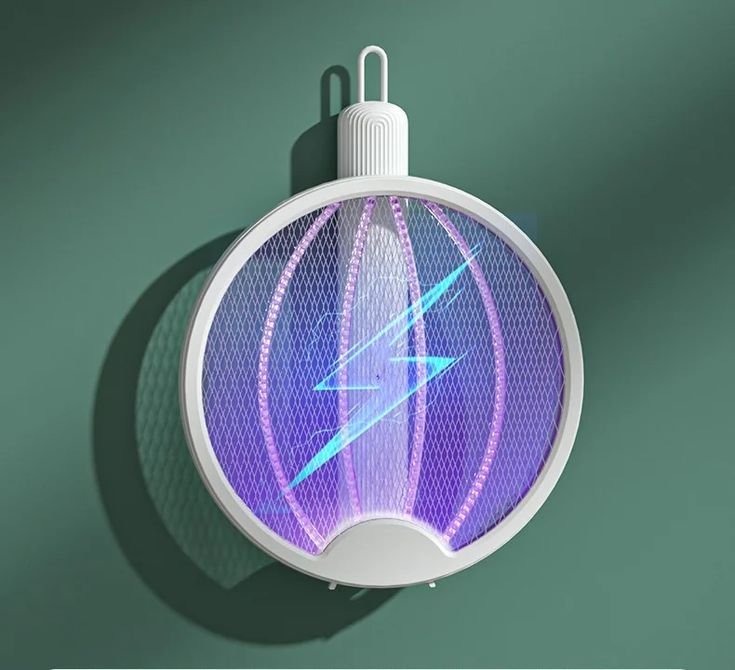
There is another detail that is easily overlooked — the service life of the circuit board. The circuit board is the "heart" of the electric mosquito swatter, responsible for converting the battery power into high-voltage electricity to kill mosquitoes. Formal manufacturers use circuit boards with sufficient thickness and high copper foil coverage, and also install protective components at key positions to prevent damage caused by short circuits and overloads. Their service life is basically the same as that of the battery. However, in order to save money, low-cost electric mosquito swatters use inferior circuit boards with thin thickness and poor material quality. The area of copper foil is reduced, and protective components are directly omitted. Although such circuit boards seem to work normally, they are very easy to burn out once they encounter voltage fluctuations or accidental contact with water, leading to the direct scrapping of the electric mosquito swatter. Moreover, inferior circuit boards may also have the risk of "high-voltage leakage". If you accidentally touch the mesh surface during use, you may get an electric shock, which poses a safety hazard.
Finally, let's talk about the problem of simple packaging. Although packaging does not affect the performance of the electric mosquito swatter, the simple packaging of low-cost products often means "lack of protection" and "no after-sales guarantee". Formal products use hard carton packaging, with foam or cardboard fixed inside to avoid damage caused by collision during transportation. The packaging also clearly marks the brand, model, production date, after-sales phone number and other information, which is convenient for consumers to safeguard their rights. However, most low-cost electric mosquito swatters are packaged in simple plastic bags, which have neither fixed protection nor complete product information. During transportation, it is easy to cause the mesh surface to deform and the handle to break due to extrusion. After receiving the goods and finding problems, it is also difficult to find the merchant for after-sales service, and you can only suffer the loss yourself.
In fact, it is very clear if we do a simple calculation: a low-cost electric mosquito swatter priced at 15 yuan may break down in half a year, so you need to buy two in a year, costing 30 yuan. However, a formal electric mosquito swatter priced at 25 yuan can be used normally for two or three years, with an average annual cost of less than 10 yuan. Moreover, formal products are safer and more worry-free to use; you don't have to worry about problems such as short battery life, electric leakage, and sudden scrapping.
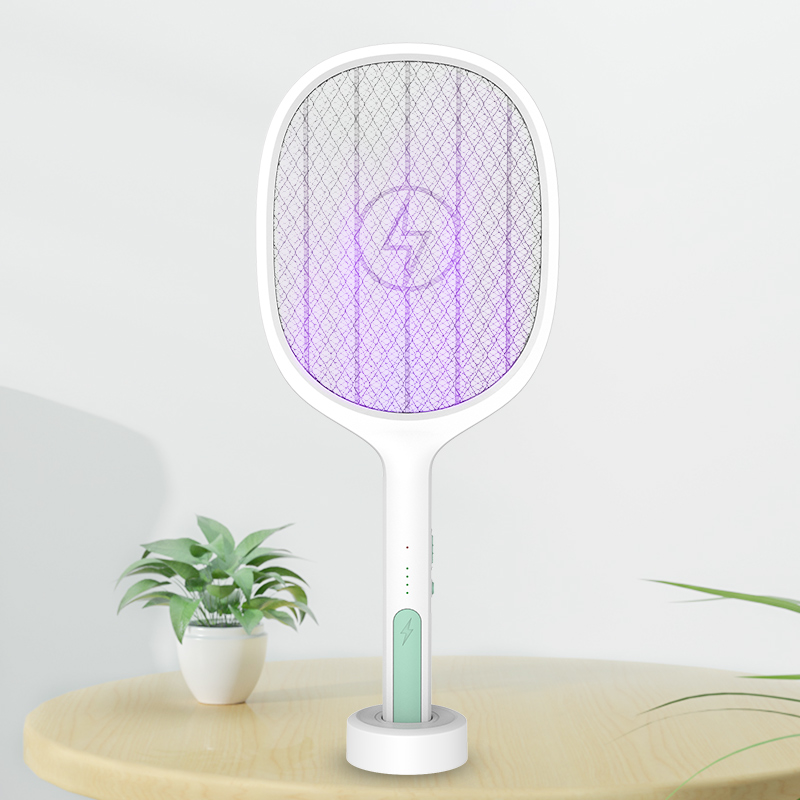
Therefore, when buying an electric mosquito swatter, there is really no need to pursue low prices blindly. Sometimes, spending a few more cents or a dozen yuan can bring a longer service life and a safer user experience, which is the real "high cost-effectiveness". It is hoped that when you buy an electric mosquito swatter next time, you can pay more attention to details such as materials, batteries, and circuit boards, avoid low-price traps, and choose products that are really suitable for you, so that every penny is spent wisely.
Why Do Electric Fly Swatters Zap Mosquitoes But Not Humans
Orange USB Mosquito Lamp - Compact
Related Article

If you’re struggling with annoying mosquitoes, flies, and other flying pests indoors and outdoors, upgrading from traditional manual tools to anElectric Mosquito Swatter is the most efficient solution. Many homeowners and renters search where to buy fly swatter online to find durable, safe, and high-performance electric models that deliver instant pest control.
Where to Buy Fly Swatter
Most importers of electric mosquito swatters obsess over the first order: samples requested, factories vetted, a pre-shipment inspection booked. Then the reorder arrives eight months later and something is off. The grid feels softer. The charge port is a slightly different shade of black. The carton thickness dropped from 350 gsm to 300 gsm. Nothing is catastrophic — but the product no longer matches what your retail customers approved, and quietly, your return rate starts climbing.
How to Keep Mosquito Swatter Quality Consistent Across Repeat Orders
Warranty returns are the silent margin killer in the mosquito control category. A distributor who buys a swatter at $1.80 FOB and retails it at $9.90 can absorb a 1% return rate without noticing — but at 5%, the combined cost of replacement units, reverse logistics, and refund processing erases most of the line's profit.
Common mosquito swatter killer lamp failure modes wholesale spec guide

Digital bathroom scales rank as the second-highest-volume consumer weighing product category, only behind kitchen scales, with distinct market and product characteristics that set them apart from other scale types in importers’ product portfolios.
Digital bathroom body fat-bia-scale wholesale buyers guide